


Tenmoku Tea Bowl Price Guide: Why It Costs More and How to Buy Better
A tenmoku tea bowl is expensive because it combines difficult high-fire glazing, hand-shaped ceramic work, unpredictable kiln results, and a long cultural lineage tied to Jianzhan and Song Dynasty tea culture. In practical terms, a good Tenmoku bowl or authentic jian zhan tea cup is like buying a small-batch Japanese chef’s knife or hand-stitched leather wallet: the price reflects skill, risk, materials, and rarity, not just the cup’s size.
If you use gongfu tea at home, enjoy a quiet tea ceremony, or want a premium gift for tea lovers, understanding value helps you avoid overpaying for decoration while still appreciating real craftsmanship.

Key Takeaways
- Tenmoku tea bowl price is driven by labor, firing difficulty, glaze quality, and artist reputation.
- The most admired effects include oil spot, hare's fur, and iridescent kiln changes.
- Not every expensive cup is better, but very cheap pieces often cut corners in clay, firing, or finishing.
- The best value jian zhan is usually a well-made, usable cup with honest materials and a clear maker story.
- For US buyers, think of Tenmoku like artisan bourbon, Japanese denim, or handmade ceramic dinnerware: small differences in process create big differences in value.
Why Is Tenmoku Tea Bowl Price So Different From Regular Ceramic Cups?
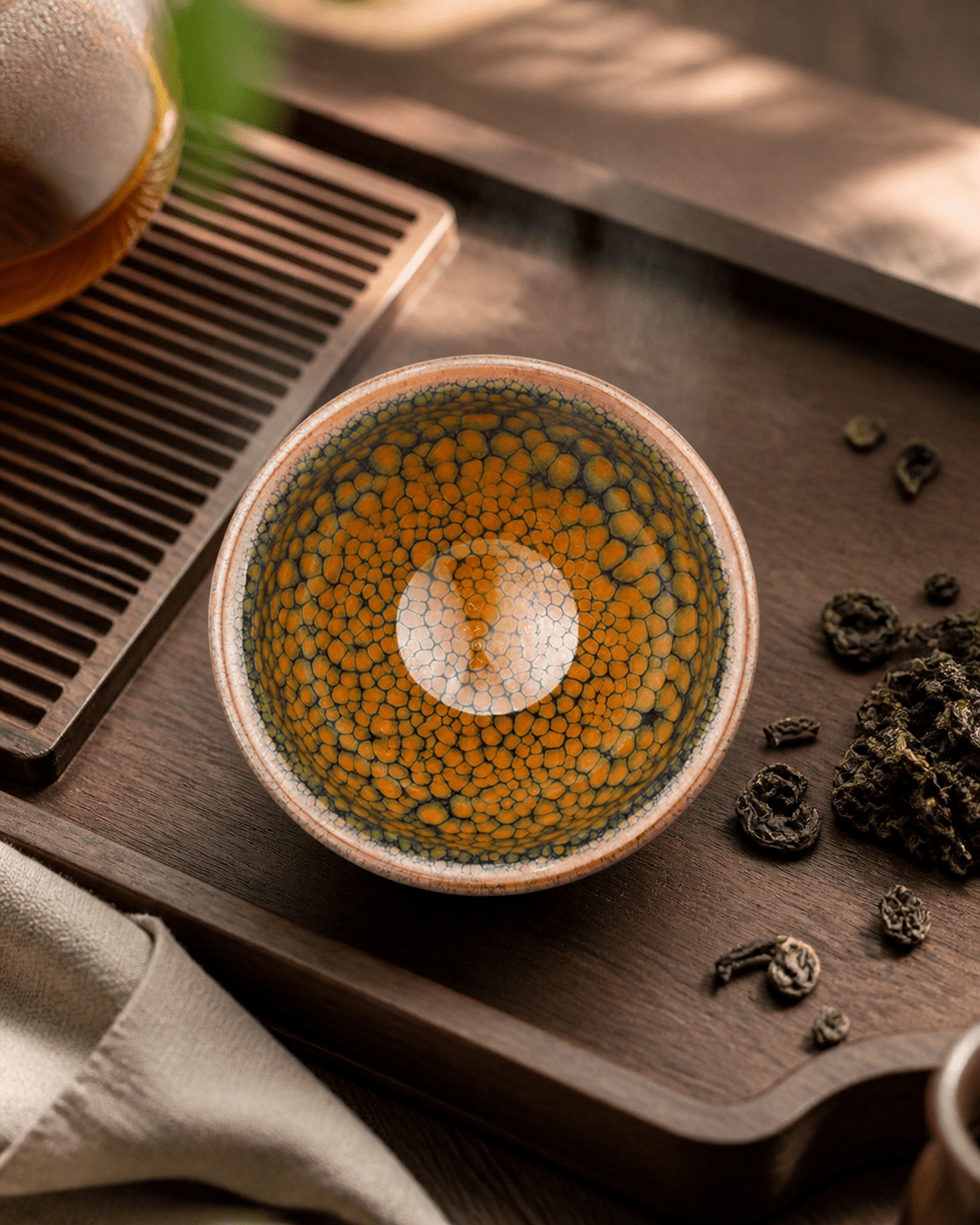
A mass-produced mug is designed for consistency. A Tenmoku bowl is designed for transformation. The maker may shape the body by hand, apply a mineral-rich glaze, and fire it at extremely high temperatures where iron crystals move, separate, and bloom across the surface.
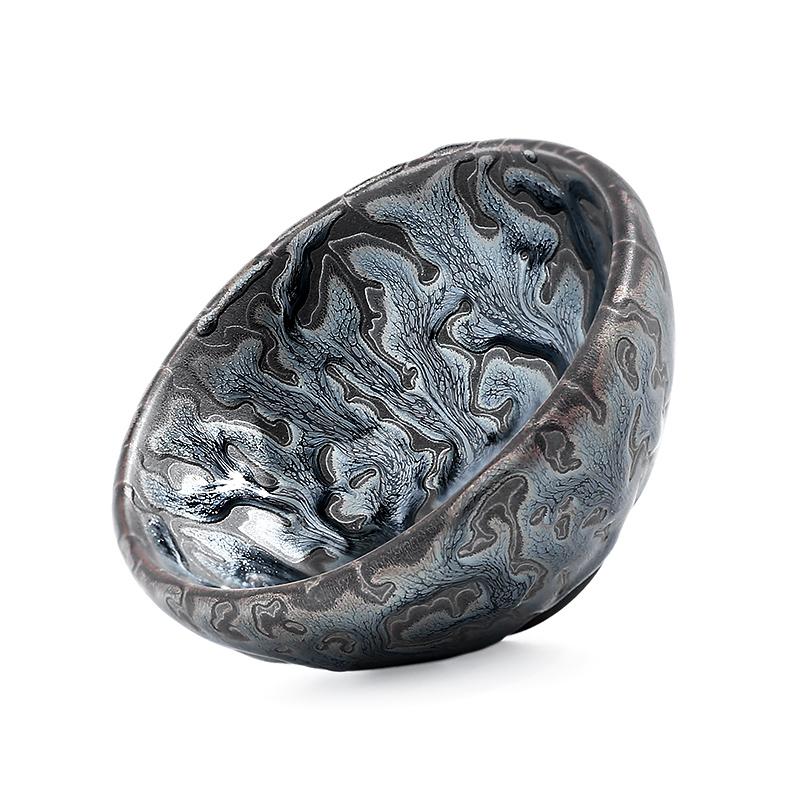
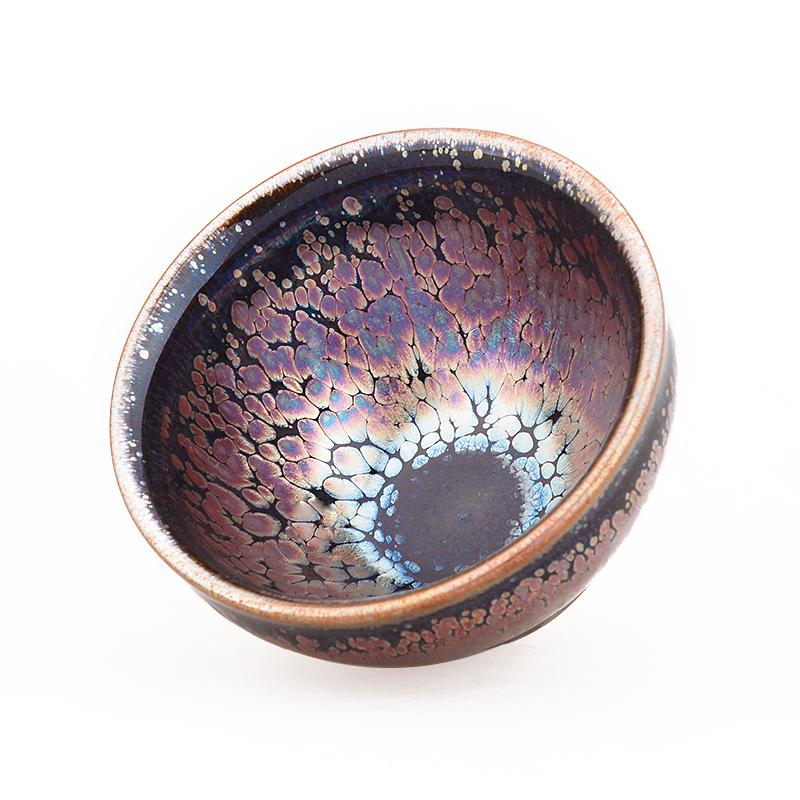
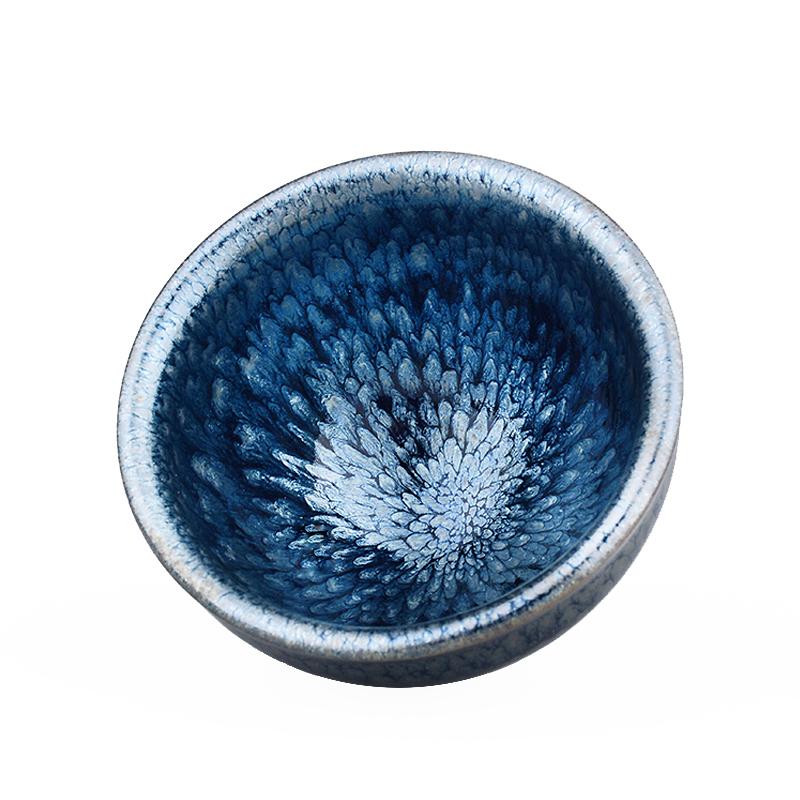
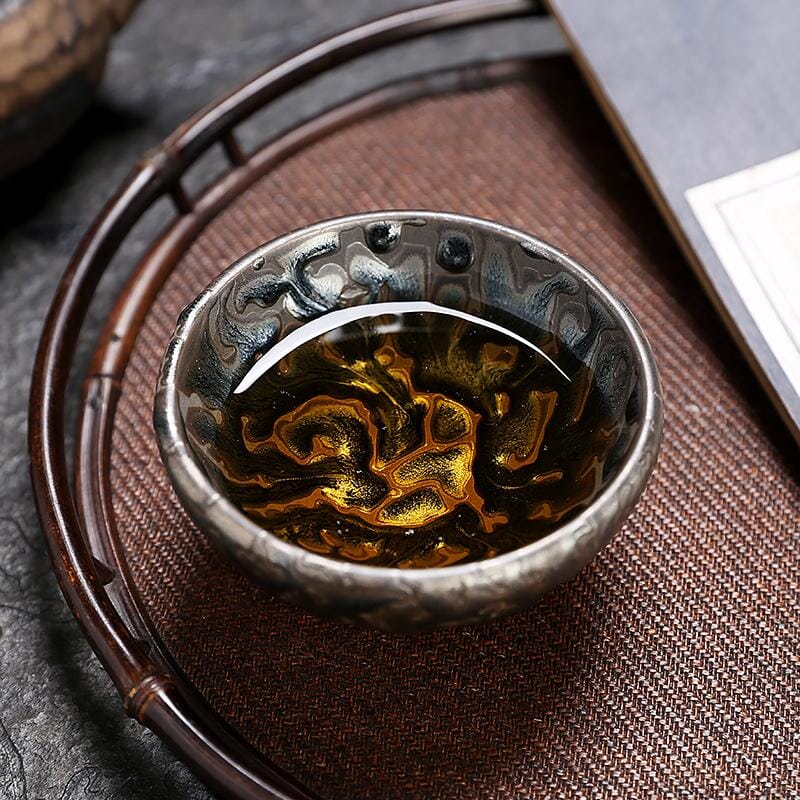
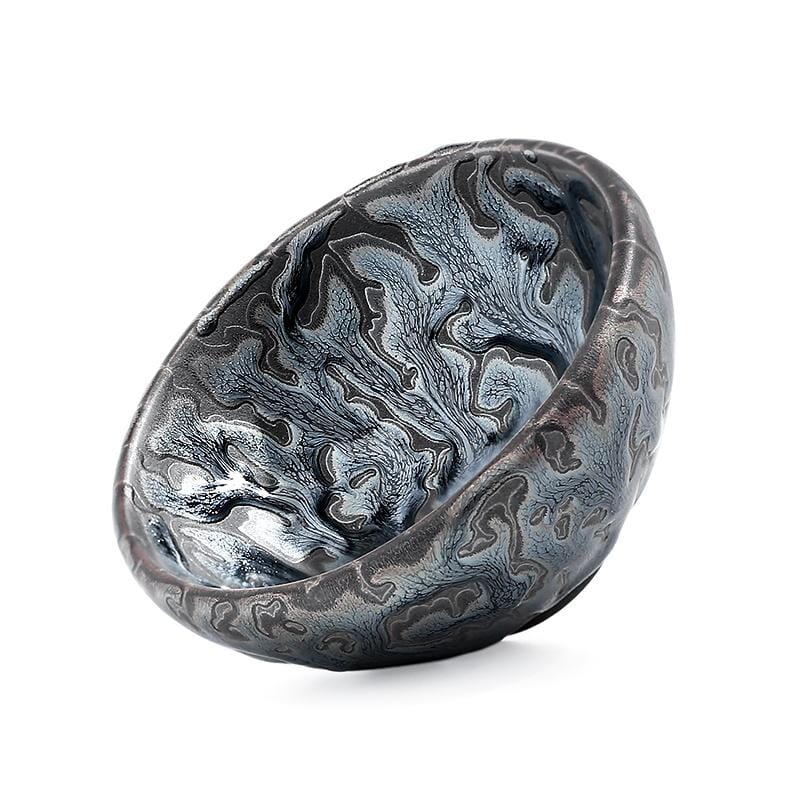
That is why two bowls from the same kiln can look different. One may show a deep black mirror finish. Another may reveal silver oil spot patterns, warm bronze halos, or streaks known as hare's fur. These effects are not painted on like a graphic design. They emerge from fire, glaze chemistry, timing, and chance.
For American buyers, a useful analogy is small-batch whiskey. The grain bill matters, the barrel matters, the aging environment matters, and the master distiller matters. Even then, some barrels become exceptional while others become ordinary. A Tenmoku firing works in a similar way.
In many cases, the price includes pieces that did not survive the kiln. A maker may fire dozens of cups, but only a small portion may meet the standard for color, pattern, shape, and usability. The successful pieces carry the cost of the failures.
Why Tenmoku Is Expensive: What Are You Actually Paying For?
When people ask why tenmoku is expensive, the answer is not one single thing. It is a stack of value factors. A fine handmade ceramic object requires touch, judgment, and patience at every stage.
- Clay preparation: Traditional Jianzhan often uses iron-rich clay. This helps create the weight, tone, and glaze reaction that collectors recognize.
- Hand forming: Many quality cups are wheel-thrown or hand-finished. The lip, foot ring, curve, and balance all affect how the cup feels in the hand.
- Glaze formulation: Tenmoku glazes rely on mineral content and firing behavior. Small changes can shift the final result dramatically.
- High-temperature firing: The kiln must reach and hold demanding heat levels. Fuel, time, monitoring, and risk all add cost.
- Selection after firing: Pieces with weak patterns, warped forms, or flaws may be rejected or sold at lower grades.
- Artist experience: A recognized maker can control the process more consistently, but that expertise took years to build.
Luxury value often comes from invisible labor. A tailored suit looks simple until you understand the fitting, cutting, canvas construction, and hand finishing. A Tenmoku bowl can look like “just a black cup” until light reveals its crystals, depth, and surface movement.
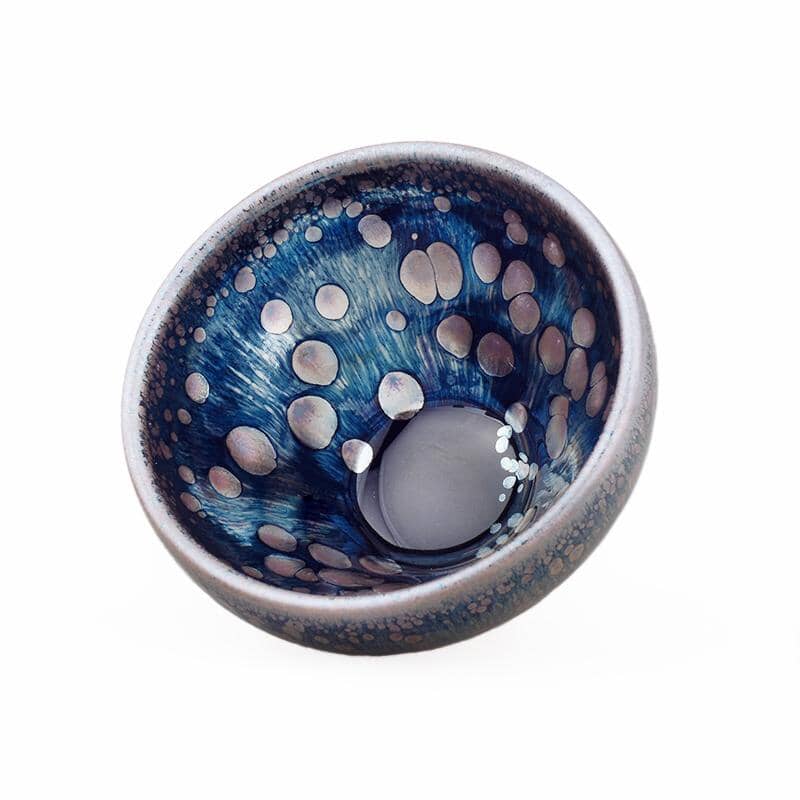
This is especially true for an oil spot tenmoku cup. The best examples have clear, lively spots that seem to float in the glaze rather than sit flat on top. Under warm light, the surface may shift from black to silver, blue, bronze, or gold. That optical richness is one reason collectors pay more.
How Much Does Jianzhan Cost for Beginners and Collectors?
Jianzhan cost varies widely because the category includes everyday cups, artisan pieces, studio works, and collectible bowls. For a US buyer, the range can feel confusing at first, especially when photos online make many cups look similar.
Here is a practical overview. These are general market ranges, not fixed rules.
| Category | Typical US Price Range | What You Usually Get | Best For |
|---|---|---|---|
| Entry-level Tenmoku-style cup | $25–$60 | Attractive glaze, basic finishing, often more decorative than collectible | Trying the style for casual tea |
| Good handmade Jianzhan cup | $60–$150 | Better form, richer glaze, clearer oil spot or hare's fur effects | Daily gongfu tea and thoughtful gifts |
| Premium artisan cup | $150–$400 | Stronger kiln effects, refined shape, maker identity, better selection grade | Premium lifestyle buyers and collectors |
| Collector-level bowl | $400+ | Exceptional glaze, rare firing result, known artist, limited output | Serious collectors and display pieces |
The jump in price is often about refinement. A $40 cup may hold tea perfectly well. A $180 cup may feel more balanced, show deeper glaze movement, and come from a maker with more transparent craft standards. A $600 bowl may be valued for rarity, artist reputation, or exceptional kiln transformation.
Think of it like buying headphones. A basic pair plays music. A premium pair reveals layers you did not notice before. The difference may not matter to every buyer, but it matters to people who care about detail, feel, and long-term enjoyment.
What Is the Best Value Jianzhan for a US Tea Lover?
The best value jian zhan is not always the cheapest. It is the cup that gives you strong craftsmanship, real usability, and visual pleasure without paying only for a famous name.
For most beginners and gift buyers, the sweet spot is often a handmade cup in the mid-range. Look for a clean foot ring, comfortable lip, stable shape, and glaze that looks alive under light. If you drink oolong, pu-erh, black tea, or roasted teas, a smaller cup works well for gongfu brewing. If you enjoy whisked tea, a wider form may remind you of a matcha bowl, though Japanese matcha bowls and Chinese Jianzhan bowls have different histories and shapes.
Tenmoku also has a strong connection with Japan. Chinese Jian ware traveled to Japan centuries ago, where Japanese tea culture deeply admired dark glazed bowls. In Japan, Tenmoku bowls became treasured objects in tea practice. This history is one reason modern buyers may see both Chinese Jianzhan and Japanese Tenmoku references in the same conversation.
For everyday luxury, prioritize these features:
- Comfort: The cup should feel pleasant in your hand, not awkward or sharp.
- Glaze depth: The surface should show dimension, not a flat printed pattern.
- Usability: It should be safe for tea, easy to rinse, and stable on a table.
- Honest description: The seller should explain whether it is handmade, semi-handmade, wood-fired, gas-fired, or artist-signed.
- Personal connection: Choose the pattern you want to use often, not just the one that sounds rare.
If you are comparing options, you can Discover our collection of oil spot tenmoku cups to see how pattern, color, and silhouette affect value.
Why Are Oil Spot and Hare's Fur Glazes More Valuable?
The appeal of Tenmoku comes from glaze behavior. Oil spot patterns look like tiny metallic pools scattered across a dark ground. Hare's fur appears as fine vertical streaks running down the bowl, like soft animal fur or rain on a window.
Both effects are historically associated with Jian ware from the Song Dynasty, a period when tea culture reached remarkable refinement in China. During that era, dark bowls were admired partly because they contrasted beautifully with pale tea foam. Later, Japanese tea masters also prized these bowls, giving Tenmoku a lasting place in Japanese tea aesthetics.
From a craft standpoint, these glazes are valuable because they are hard to control. The artist can design the conditions, but the kiln completes the painting. Too much heat, too little heat, a slightly different atmosphere, or uneven cooling can change the entire surface.
This is why a handmade Tenmoku glaze has a different kind of luxury than a logo-branded product. The value is not in a label stamped on the outside. It is in the moment when earth minerals, heat, and oxygen produce a surface that cannot be exactly repeated.

How Do You Compare an Authentic Jianzhan Tea Cup Before Buying?
Buying an authentic jian zhan tea cup online requires more than looking for a dramatic photo. Lighting can exaggerate shimmer, and low-quality listings may use vague claims. A careful buyer should evaluate both the cup and the seller.
Start with the form. A good cup has visual balance. The walls should not look clumsy, the rim should appear even, and the foot should be clean enough to sit securely. Handmade pieces are not machine-perfect, but they should show intention rather than carelessness.
Next, study the glaze. Real Tenmoku beauty often changes with angle and light. Ask whether the pattern is kiln-fired rather than painted. Look for natural variation, depth, and subtle movement. A convincing oil spot tenmoku cup should feel mineral and organic, not like a flat decal.
Then consider documentation. Does the listing mention the maker, firing method, size, volume, and care instructions? Does it show multiple views? Does the seller make realistic claims, or does every cup sound like a museum treasure?
Finally, match the cup to your actual use. A collector bowl may be stunning, but a smaller, comfortable cup may bring more joy if you brew tea daily. Many premium lifestyle buyers in the United States prefer objects that are both beautiful and usable, like a handmade chef’s knife, a leather notebook, or a Japanese ceramic sake cup.
For a curated starting point, Explore our handmade Jianzhan tea cups and compare shape, glaze, and price tiers side by side.
Is a Tenmoku Tea Bowl a Good Gift for Tea Lovers?
Yes, a Tenmoku bowl can be an excellent gift, especially for someone who enjoys ritual, craft, and objects with history. It feels more personal than a generic mug and more lasting than a box of tea that disappears in a few weeks.
For a gongfu tea drinker, choose a smaller cup that fits concentrated servings of oolong, pu-erh, or black tea. For someone interested in Japanese tea, a wider bowl may connect visually with the idea of a matcha bowl, although a traditional Japanese matcha chawan is usually shaped differently. If the recipient loves design, an oil spot or hare's fur glaze offers a strong conversation piece.
The safest gift range is usually mid-tier: high enough to feel special, but not so expensive that the recipient feels afraid to use it. A cup that becomes part of a morning or evening ritual often has more emotional value than a rare piece kept permanently on a shelf.
Include a simple note explaining the story: Tenmoku glazes are inspired by centuries-old Jianzhan Tenmoku ceramic traditions, admired in both China and Japan, and each firing creates unique patterns. That context turns the object from “nice cup” into “meaningful gift.”
Tenmoku Tea Bowl Price Checklist: What Should You Pay For?
Before you buy, use this checklist to decide whether the price makes sense.
- Clear craftsmanship: The cup should show careful shaping and finishing.
- Glaze character: Oil spot, hare's fur, or other effects should have depth and natural variation.
- Appropriate size: Choose based on gongfu tea, tea ceremony practice, display, or gift use.
- Seller transparency: Look for material, dimensions, firing notes, and real photos.
- Comfort and function: A luxury cup should still be enjoyable to hold and drink from.
- Value fit: Pay for qualities you can see, use, and appreciate, not just vague rarity claims.
If you are new to the category, avoid jumping straight to the most expensive piece. Start with a well-made cup that invites daily use. Over time, your eye will become sharper. You will notice rim shape, glaze thickness, crystal distribution, and the difference between a pleasant cup and a truly exceptional one.
FAQ: Tenmoku Tea Bowl Price, Value, and Buying Questions
What is a fair tenmoku tea bowl price for beginners?
A fair beginner price is often between $60 and $150 for a well-made handmade cup. Below that, you may still find attractive pieces, but the glaze, clay, or finishing may be simpler. Above that range, you are usually paying for stronger kiln effects, artist reputation, rarity, or more refined selection.
Why tenmoku is expensive compared with ordinary ceramics?
Tenmoku is expensive because the maker must manage difficult glaze chemistry, high-temperature firing, hand forming, and a high failure rate. The most beautiful surfaces are not printed; they are created by minerals reacting in the kiln. That uncertainty adds labor, risk, and value.
What is the best value jian zhan for daily tea?
The best value jian zhan for daily tea is usually a mid-range handmade cup with a comfortable rim, stable foot, and lively glaze. It does not need to be the rarest piece. A cup you enjoy using every day often gives better value than a costly bowl kept only for display.
How much does jian zhan cost if it is handmade?
Handmade Jianzhan often costs from about $60 to several hundred dollars. The final price depends on the maker, firing method, glaze result, size, and whether the piece is part of a selected premium batch. Collector-level works can cost significantly more.
Is an oil spot tenmoku cup worth more than a plain black cup?
Often, yes. A strong oil spot tenmoku cup may cost more because the metallic spot effect is difficult to achieve cleanly and beautifully. However, value still depends on the whole piece: shape, balance, glaze depth, maker credibility, and how much you personally enjoy it.
Can I use a tenmoku tea bowl as a matcha bowl?
You can use some larger Tenmoku bowls for whisked tea, but not every tenmoku tea bowl is shaped like a Japanese matcha bowl. If you want to whisk matcha, choose a wider bowl with enough room for a bamboo whisk. Smaller Jianzhan cups are better for gongfu tea servings.
Conclusion: Paying for Fire, Skill, and a One-of-a-Kind Tea Moment
A tenmoku tea bowl costs more because it is not just a container. It is a meeting point of clay, iron glaze, heat, tradition, and the maker’s judgment. The beauty you see in oil spot or hare's fur patterns comes from a process that is partly controlled and partly gifted by the kiln.
For US buyers, the smartest purchase is not always the highest-priced bowl. It is the piece that offers visible craft, honest value, and a feeling you want to return to each time you make tea. Whether you are buying for yourself or choosing a refined gift, a well-made Tenmoku cup brings a quiet luxury that improves with use.
When you are ready to compare styles, start with cups that show clear photos, thoughtful descriptions, and patterns you genuinely love. The right bowl should feel less like a trend and more like a small daily ritual worth keeping.
Explore Our Collection
Ready to experience the world of tenmoku tea bowl? Browse our curated collection:
Disclaimer: This article is for informational purposes. Products and pricing subject to change.


Share:
Tenmoku Tea Bowl: A Handmade Story That Makes Every Tea Moment Feel Deeper
Tenmoku Tea Bowl: Everyday Luxury at Home for Calmer Tea Rituals