


Tenmoku Tea Bowl: Everyday Luxury at Home for Calmer Tea Rituals
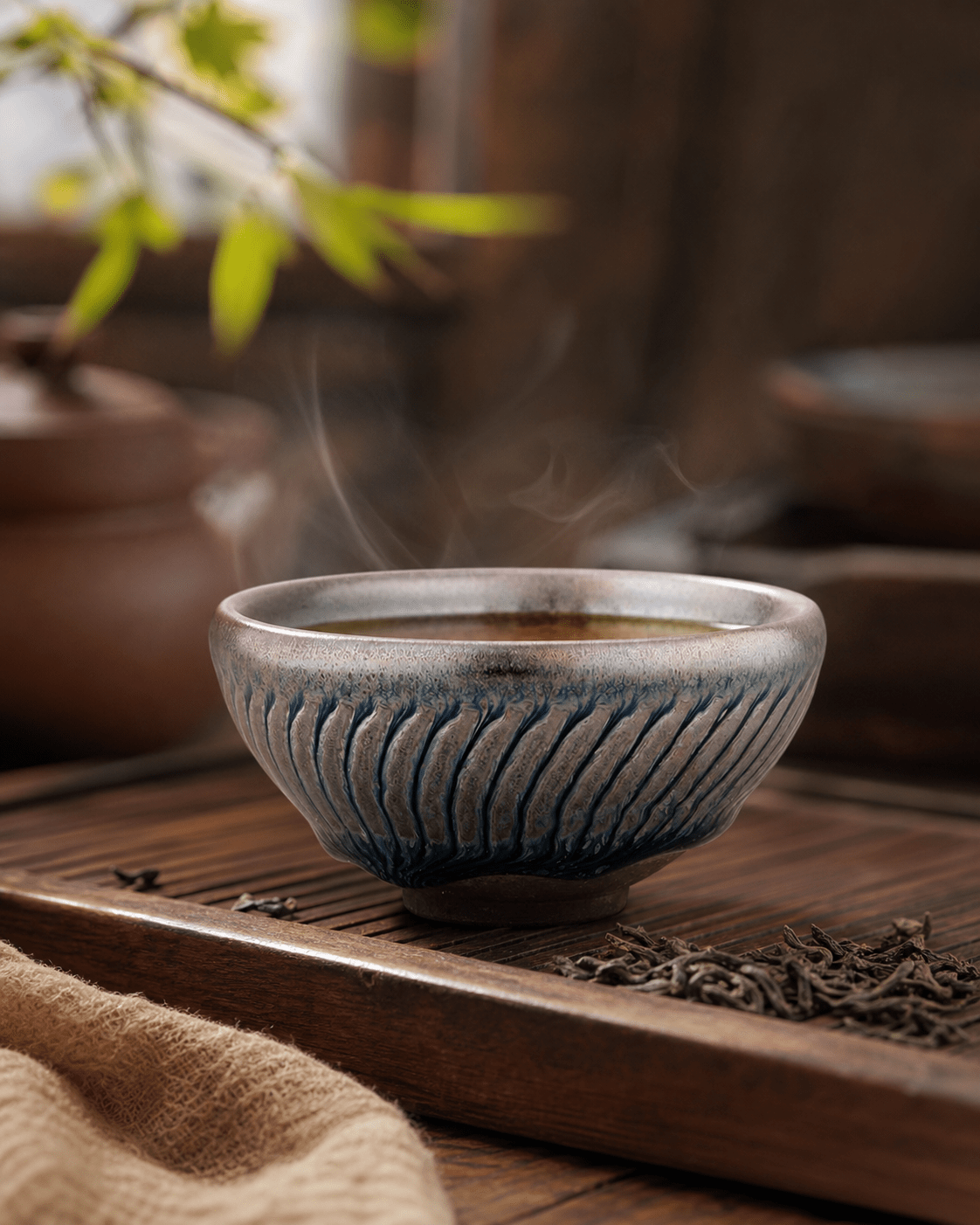
A tenmoku tea bowl is a handmade dark-glazed tea cup, also known as a Jianzhan or Tenmoku cup, that can turn a simple evening brew into a quiet luxury ritual. If you enjoy gongfu tea, sip pu-erh tea after dinner, or want a meaningful tea cup gift for tea lovers, this style brings history, beauty, and mindfulness to the table.
Think of it like upgrading from a paper coffee cup to a hand-thrown ceramic mug from a favorite local artist. The drink may be familiar, but the experience feels more personal, slower, and more intentional.

Key takeaways
- A tenmoku tea bowl is valued for its iron-rich glaze, deep color, and one-of-a-kind firing effects.
- The style began in China during the Song Dynasty and later became highly admired in Japan, especially in Japanese tea culture.
- Patterns such as hare's fur, oil spot, and partridge feather are created through kiln change, not printed decoration.
- It works beautifully for gongfu tea, pu-erh, oolong, black tea, and slow evening rituals.
- For premium lifestyle buyers, it makes a thoughtful tea ceremony gift or unique tea cup gift with cultural depth.
Why is a tenmoku tea bowl considered everyday luxury?
Everyday luxury is not always about owning something flashy. In many American homes, it looks like linen sheets, a great chef's knife, a weighted blanket, a hand-poured candle, or a favorite espresso setup. These items are used often, but they add a sense of calm and care to routine moments.
A tenmoku tea bowl fits that same category. It is small, practical, and easy to use, yet it feels special every time you hold it. The glaze catches light differently in the morning than it does at night. The cup warms your hands. The weight reminds you to slow down before the next email, errand, or notification.
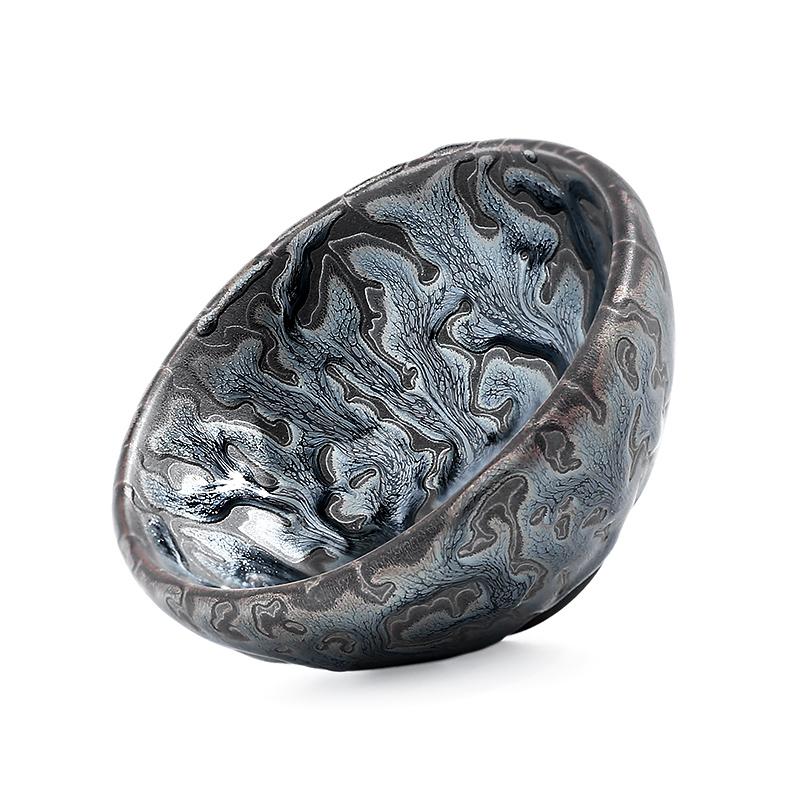
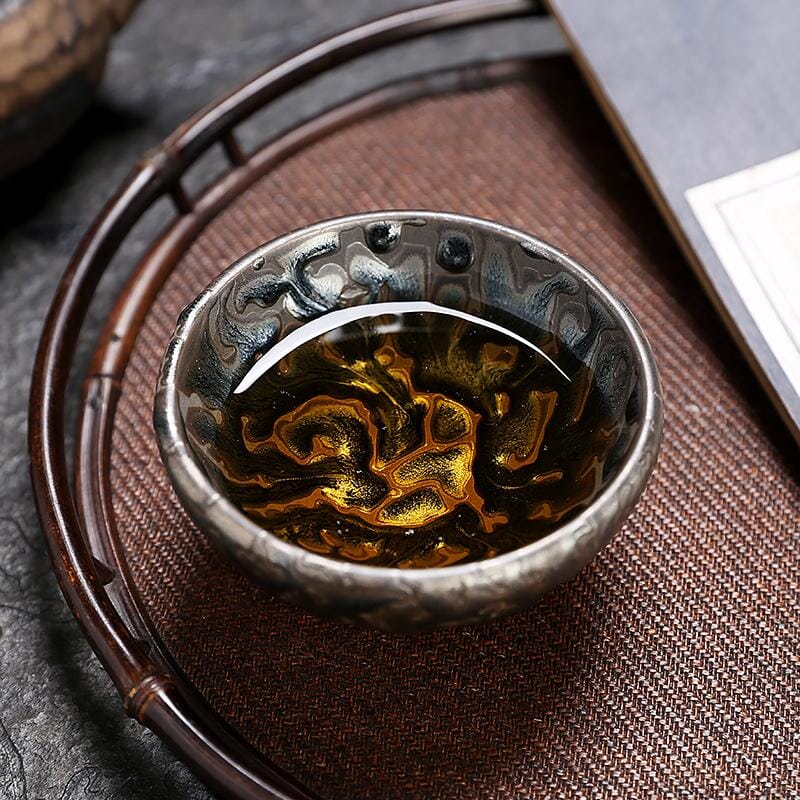
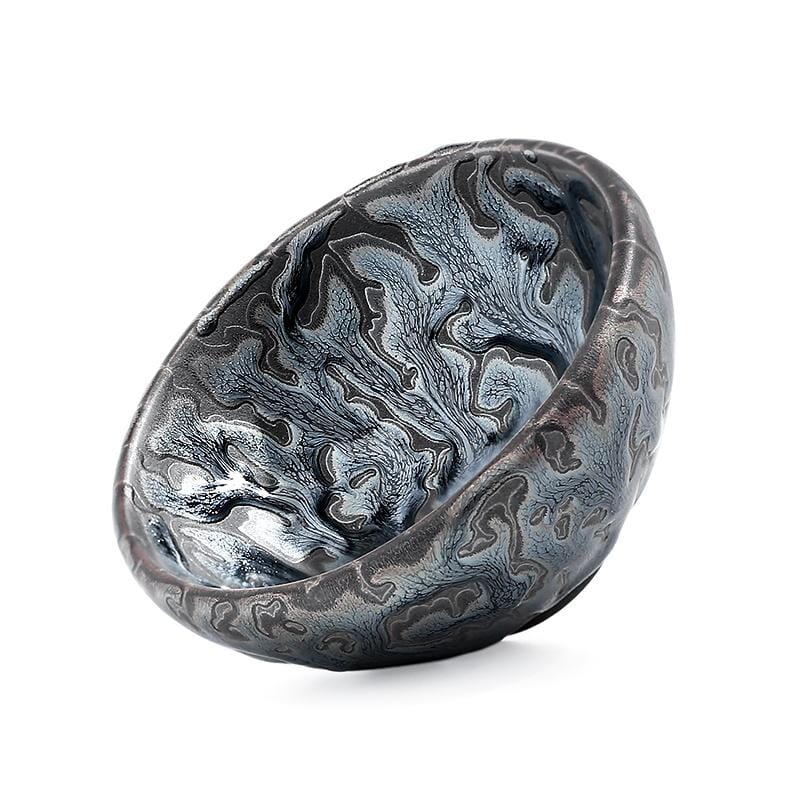
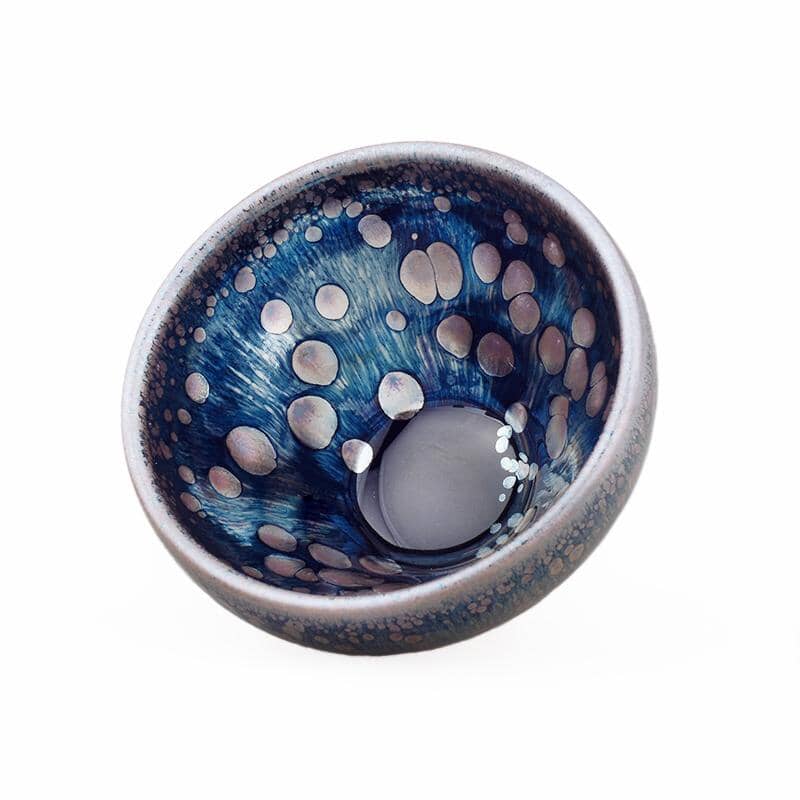
Unlike mass-produced drinkware, handmade Jianzhan pieces carry the marks of fire. The dark glaze can reveal blue, bronze, silver, gold, or rust-toned streaks depending on how the cup was fired. No two cups are exactly the same, which is part of the appeal for collectors and lifestyle buyers who want their home objects to feel personal.
For beginners, the easiest way to understand it is this: a Tenmoku cup is not just a container. It is a mood-setter. It makes tea feel less like hydration and more like a five-minute reset.
What makes a tenmoku tea bowl different from a regular tea cup gift for tea lovers?
A standard tea cup can be beautiful, but a tenmoku tea bowl has a specific ceramic identity. Traditional Jianzhan, often called jianzhan, comes from the Jian kilns of Fujian, China. It became famous during the Song Dynasty, a period when powdered tea competitions and refined tea culture flourished.
Japanese monks and tea practitioners later brought these dark-glazed bowls to Japan, where they became known as Tenmoku or Temmoku. In Japanese tea culture, these bowls were admired for their quiet power: deep, cosmic-looking glazes that could make pale tea foam look brighter and more dramatic.
That history gives the cup a richer story than ordinary drinkware. If you are choosing a tea cup gift for tea lovers, this matters. Many tea drinkers already own mugs, strainers, and tins of loose leaf tea. A Tenmoku-style bowl feels different because it connects daily sipping to centuries of ceramic art.
The form is also practical. Many Jianzhan cups are slightly thick, which helps retain heat. The foot ring gives the cup stability. The rounded interior is pleasing for small pours, especially when drinking gongfu tea, where tea is brewed in concentrated infusions and enjoyed slowly.
How does Song Dynasty glaze create partridge feather and kiln change beauty?
The magic of a Tenmoku bowl lives in the glaze. Traditional formulas use iron-rich clay and mineral glazes fired at high temperatures. Inside the kiln, oxygen levels, heat, cooling speed, and glaze thickness interact in unpredictable ways. This process is often described as kiln change.
In plain English, kiln change means the fire helps paint the cup. The artist prepares the materials and controls the firing as carefully as possible, but the final pattern is born in the kiln. That is why handmade Jianzhan can feel alive. It is not a decal or a surface print.
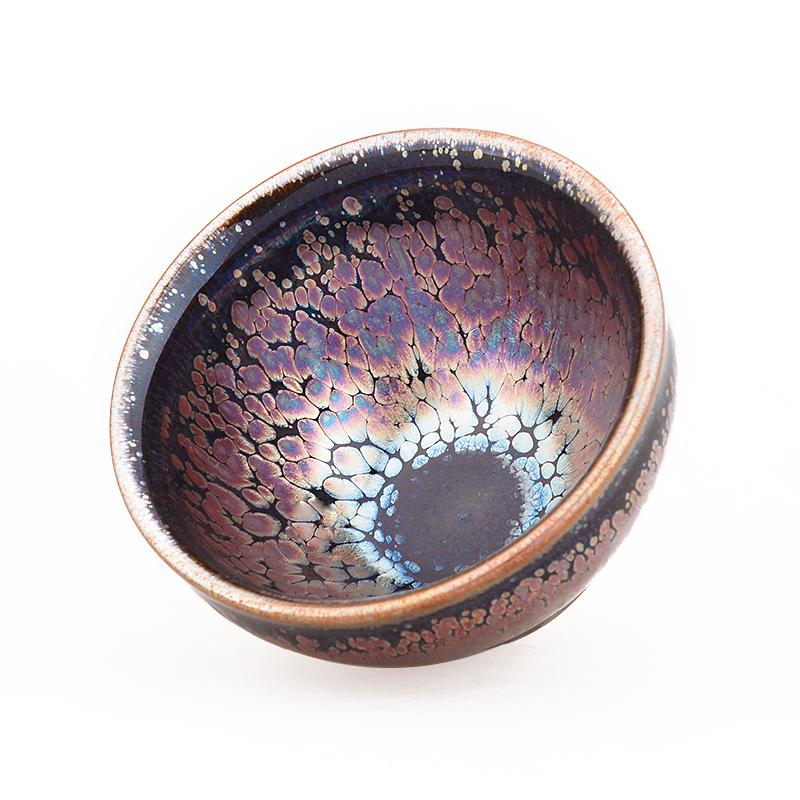
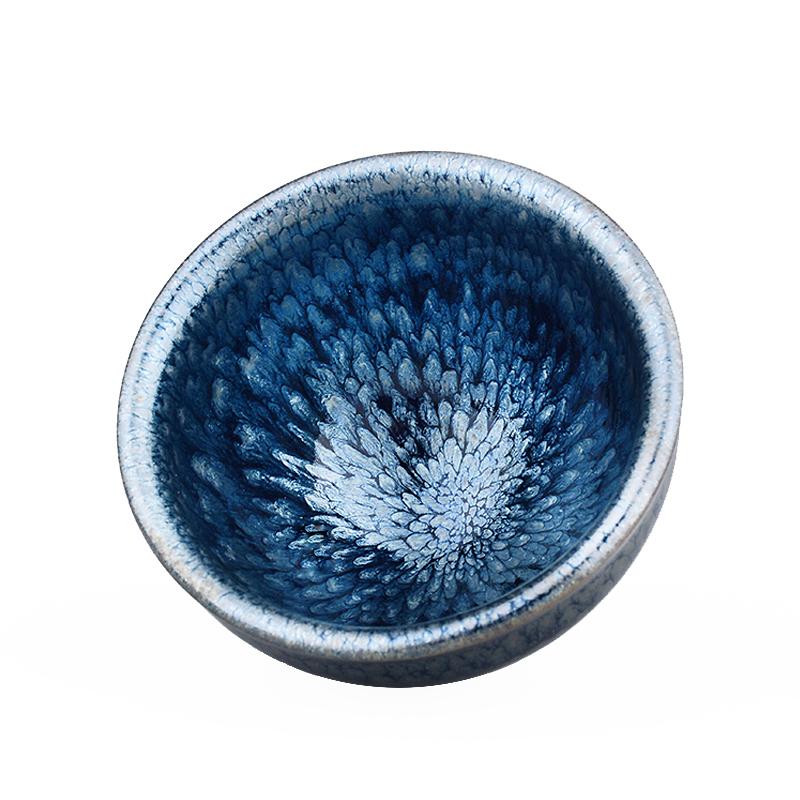
One famous pattern is hare's fur, known for fine vertical streaks that look like luminous strands running down the bowl. Another is partridge feather, a speckled pattern that can resemble bird plumage, autumn leaves, or stars scattered across a dark sky. Oil spot glazes have round metallic spots that glow under light.
These effects are tied to the aesthetics of the Song Dynasty: subtle, disciplined, and natural rather than overly decorative. In a modern US home, that look pairs surprisingly well with quiet luxury interiors, Japandi rooms, walnut trays, stone countertops, and minimalist tea stations.
If you are drawn to Japanese ceramics, black stoneware, raku textures, or handmade pottery from local studio markets, a Tenmoku tea bowl will likely feel familiar yet more historically layered.
Is a tenmoku tea bowl good for gongfu tea and pu-erh tea?
Yes. A tenmoku tea bowl is especially enjoyable for gongfu tea, the Chinese method of brewing tea with a higher leaf-to-water ratio and multiple short infusions. You do not need to be an expert. Think of gongfu tea as the tea version of making espresso shots: smaller servings, stronger aroma, and more attention to each pour.
For pu-erh tea, a Tenmoku cup can be a satisfying match. Pu-erh often has earthy, woody, mineral, or dried fruit notes. The dark glaze and warm hand-feel of Jianzhan complement that grounded character. The cup does not need to change the flavor to improve the experience; it changes how present you feel while drinking.
It also works for roasted oolong, black tea, aged white tea, and even simple evening herbal blends. While collectors may reserve rare pieces for special sessions, many tea lovers use their cups daily because repeated use builds familiarity. The cup becomes part of a routine: rinse, warm, pour, sip, breathe.
For wellness-minded buyers, this ritual can replace scrolling before bed or rushing through a second coffee. Five minutes with tea will not solve every stressor, but it can create a pause your body recognizes.
What should you look for in an authentic jian zhan tea cup?
When shopping for an authentic jian zhan tea cup, focus on craftsmanship, firing character, and seller transparency. The market includes both meaningful handmade pieces and factory-style cups that imitate the look without the same depth.
Here are practical buying cues:
- Glaze depth: Look for patterns that appear within the glaze, not printed on top.
- Natural variation: Handmade pieces should show subtle differences in pattern, shape, and glaze flow.
- Balanced weight: Jianzhan often feels substantial, but it should still be comfortable to hold.
- Clean foot and rim: The base should be stable, and the drinking rim should feel smooth.
- Clear product details: A trustworthy seller explains the cup type, glaze style, size, and use.
Price can vary depending on the maker, firing method, rarity of the glaze, and level of finishing. The best jian zhan tea cup for you is not always the most expensive one. It is the one you will actually use, display, and enjoy.
If you are ready to compare styles, Shop authentic Tenmoku tea bowls to explore gift-ready pieces and daily-use cups.
How do handmade jian zhan tea cups compare with other US lifestyle luxuries?
For American buyers, it helps to compare a Tenmoku cup with familiar lifestyle upgrades. The value is not only in the object but in the ritual it supports.
| Lifestyle item | What it adds at home | How a Tenmoku bowl compares |
|---|---|---|
| Premium coffee mug | Comfort, daily routine, personal style | Similar daily comfort, with deeper ceramic history and glaze artistry |
| Scented candle | Relaxing atmosphere and evening mood | Creates a calming ritual through touch, warmth, and tea aroma |
| Wine glass set | Elevates flavor, hosting, and presentation | Elevates tea service and makes small pours feel intentional |
| Japanese incense holder | Minimalist design and sensory calm | Shares the same quiet, meditative feeling often associated with Japanese aesthetics |
| Handmade ceramic bowl | Artful utility and uniqueness | Adds the specific heritage of Song Dynasty glaze and Jian kiln tradition |
This is why a Tenmoku cup works in a luxury-at-home lifestyle. It is not too precious to use, but it is refined enough to display on a tray, shelf, or tea table.
Is a tenmoku tea bowl a thoughtful tea ceremony gift?
A tenmoku tea bowl makes a memorable tea ceremony gift because it feels both beautiful and useful. It is appropriate for birthdays, housewarmings, anniversaries, holidays, host gifts, retirement gifts, and thank-you gifts for someone who appreciates slow living.
For a beginner, the cup can be an invitation into tea culture without requiring a full ceremonial setup. For an experienced tea lover, it can become a prized addition to a rotation of cups used for pu-erh, oolong, or Japanese-inspired tea moments.
If you want a more complete presentation, consider a handmade tea cup gift set with a cup, small tea tray, tasting pitcher, or a sample of loose leaf tea. This turns the gift from a single object into an experience. Add a handwritten note suggesting a quiet Sunday morning tea session, and the gift becomes personal rather than generic.
As a unique tea cup gift, Tenmoku stands out because the glaze is visually dramatic but still tasteful. It suits people who like artisan goods, Japan-inspired interiors, meditation, ceramics, premium coffee culture, or meaningful objects with a story.
How can you style a tenmoku tea bowl for a Japanese-inspired home ritual?
You do not need a formal tea room to enjoy a Tenmoku cup. A small corner of your kitchen, a side table, or a desk tray can become a calming tea station. The goal is not perfection. It is creating a repeatable pause.
Try this simple setup:
- Place your cup on a wooden, slate, or ceramic tray.
- Add a small teapot or gaiwan for gongfu tea.
- Keep one favorite tea nearby, such as pu-erh or roasted oolong.
- Use soft lighting, like a lamp or candle, instead of harsh overhead light.
- Put your phone out of reach for the first three pours.
This style blends easily with Japanese and Japanese-inspired design ideas: negative space, natural materials, seasonal awareness, and attention to small gestures. It is less about copying a culture and more about respecting the universal value of slowing down.
For collectors who love linear glaze movement, Browse our hare's fur Jianzhan series for cups with elegant streaked patterns that pair beautifully with minimalist interiors.

How do you choose the best jian zhan tea cup for your daily ritual?
Choosing the best jian zhan tea cup starts with how you plan to use it. A collector may focus on rare glaze behavior. A daily tea drinker may care more about comfort, size, and how the cup feels in the hand.
For solo tea sessions, a smaller cup is ideal because it encourages multiple pours and keeps tea from cooling too quickly. For casual sipping, a slightly larger bowl may feel more familiar to those used to American mugs. If you drink pu-erh or oolong gongfu-style, consider a cup that holds a modest amount so each infusion stays fresh.
Color is also personal. Dark oil spot glazes feel bold and cosmic. Hare's fur patterns feel refined and vertical, like rain on a window. Partridge feather effects feel organic and expressive. If you are buying a gift, choose a glaze that matches the recipient's home style. Minimalist homes often suit hare's fur. Eclectic homes may love dramatic oil spot or partridge feather.
For a handmade tea cup gift set, pair one or two handmade jian zhan tea cups with a tea that matches the mood: ripe pu-erh for cozy evenings, roasted oolong for dinner guests, or black tea for morning comfort.
FAQ
Is a tenmoku tea bowl a good tea ceremony gift?
Yes. A tenmoku tea bowl is a strong tea ceremony gift because it is useful, beautiful, and rooted in tea history. It works for beginners who want a special first cup and experienced tea drinkers who appreciate handmade ceramics.
What makes a tenmoku tea bowl a unique tea cup gift?
It is unique because the glaze is shaped by kiln change, meaning the final pattern forms during firing. Patterns such as hare's fur, oil spot, and partridge feather are not printed, so each cup has its own character.
Can I use a tenmoku tea bowl for gongfu tea every day?
Absolutely. Many people use Tenmoku and Jianzhan cups daily for gongfu tea, pu-erh tea, oolong, and black tea. Rinse it with warm water before use, avoid harsh detergents, and let it dry fully after each session.
How do I choose a tea cup gift for tea lovers who already own many cups?
Choose a cup with a story and a distinctive glaze. An authentic jian zhan tea cup feels different from ordinary drinkware because it connects Song Dynasty ceramic tradition, handmade firing, and modern home ritual.
What should be included in a handmade tea cup gift set?
A thoughtful handmade tea cup gift set can include one or two Tenmoku cups, a small tray, a sample of pu-erh or oolong tea, and a simple note explaining the glaze style. This makes the gift feel complete and experience-based.
Are Tenmoku bowls Chinese or Japanese?
The original Jianzhan tradition comes from China, especially the Jian kilns known during the Song Dynasty. The name Tenmoku became popular through Japan and Japanese tea culture, where these bowls were highly admired.
Conclusion: bring quiet luxury into your tea routine
A tenmoku tea bowl is a small object with a surprisingly large presence. It carries the heritage of Song Dynasty glaze, the drama of kiln change, and the comfort of a warm cup held in both hands.
For US tea lovers, it offers an accessible way to practice luxury at home without turning daily life into a performance. Brew pu-erh after dinner, pour a few rounds of gongfu tea on a weekend morning, or give one as a unique tea cup gift to someone who values calm, craft, and beauty.
When chosen well, a Tenmoku bowl is more than a cup. It is a daily reminder to slow down and make ordinary moments feel cared for.
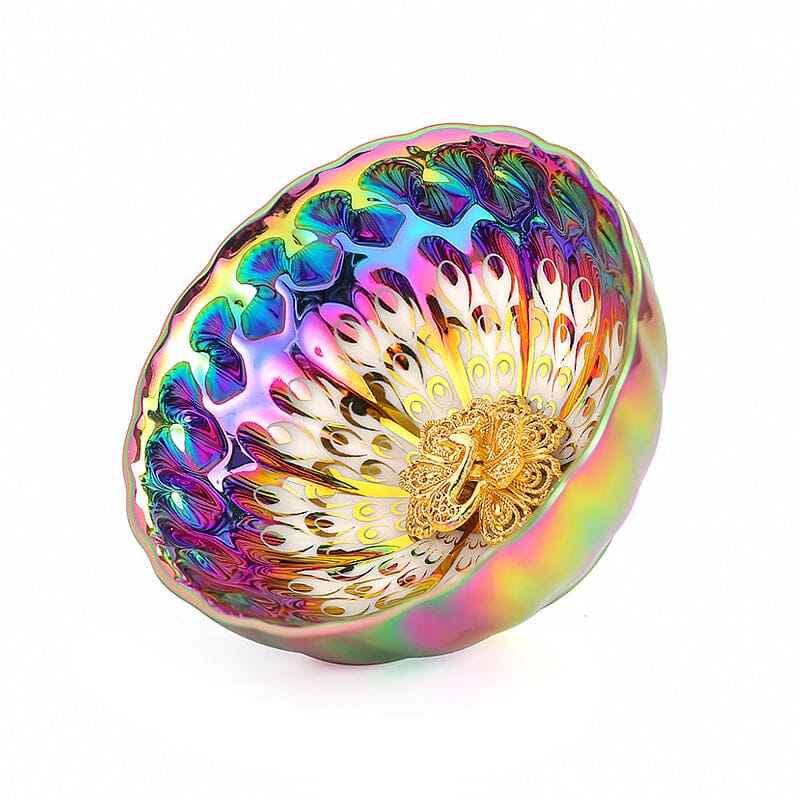
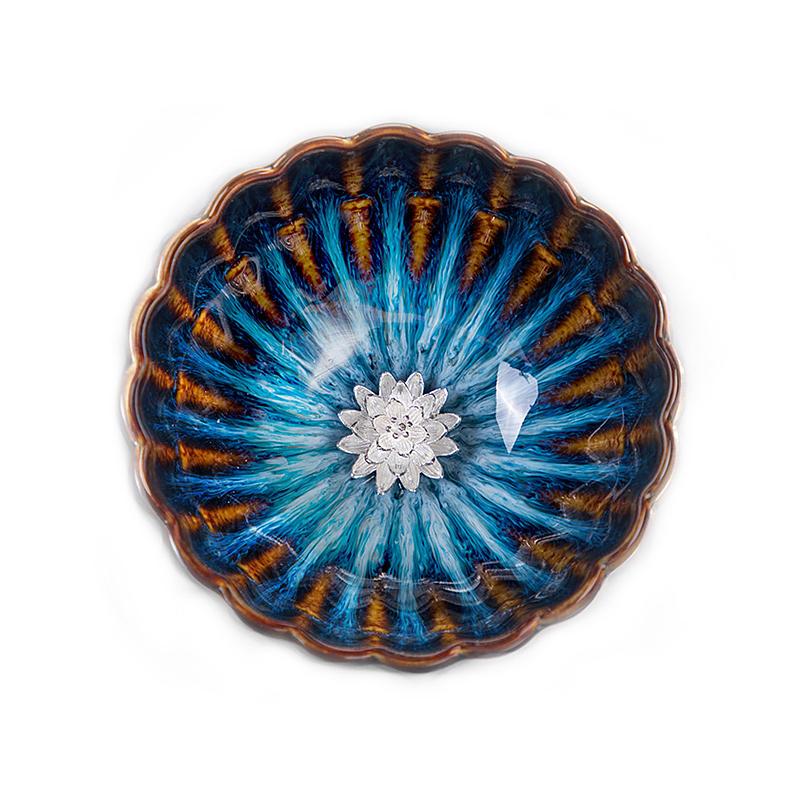
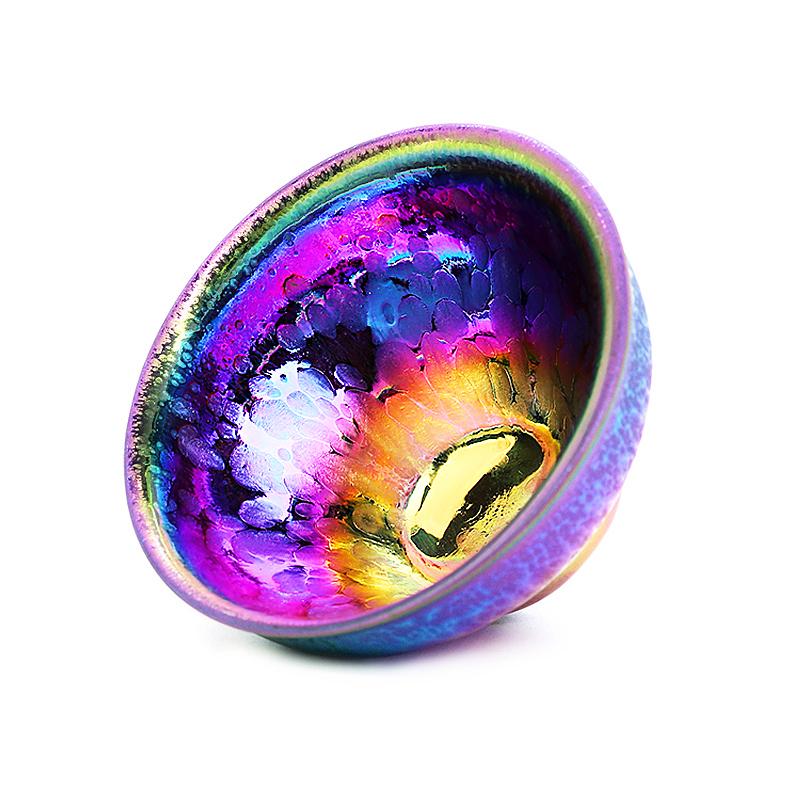
Explore Our Collection
Ready to experience the world of tenmoku tea bowl? Browse our curated collection:
Disclaimer: This article is for informational purposes. Products and pricing subject to change.


Share:
Tenmoku Tea Bowl Price Guide: Why It Costs More and How to Buy Better
Tenmoku Tea Bowl Authenticity Guide: Buy the Real Beauty, Avoid the Fake