


Think of a tenmoku tea bowl as the Japanese equivalent of a hand-blown wine glass — a vessel that doesn’t just hold a drink, but elevates it into a full sensory experience. Used for centuries in Zen-inspired tea ceremonies, these bowls turn an ordinary cup of tea into a pocket of calm, beauty, and intention. Whether you’re a curious beginner or a premium lifestyle buyer, investing in one is like bringing a tiny art gallery for your senses into your daily routine.
What Is a Tenmoku Tea Bowl?
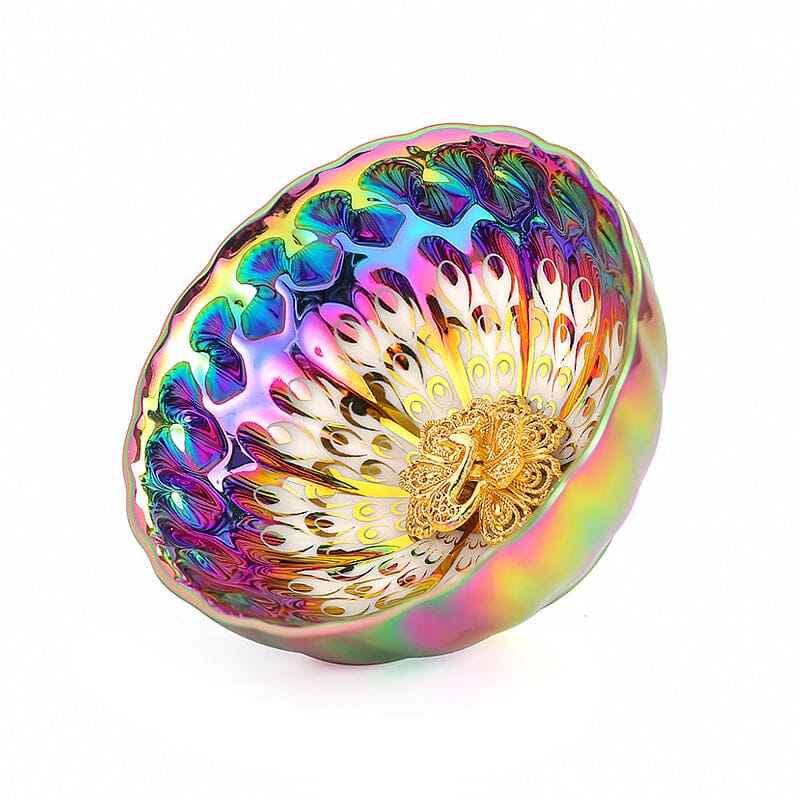
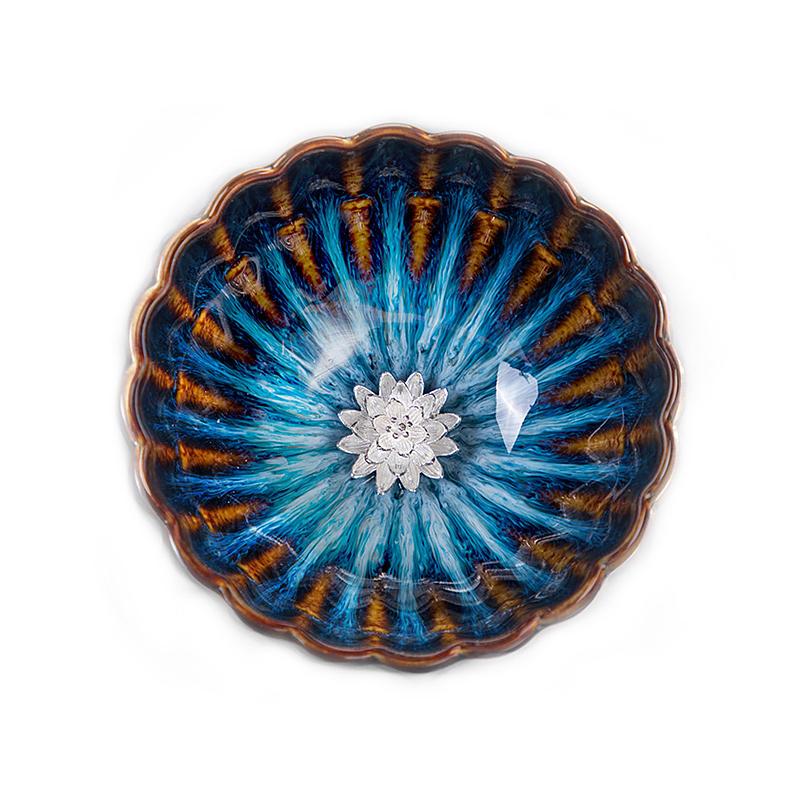
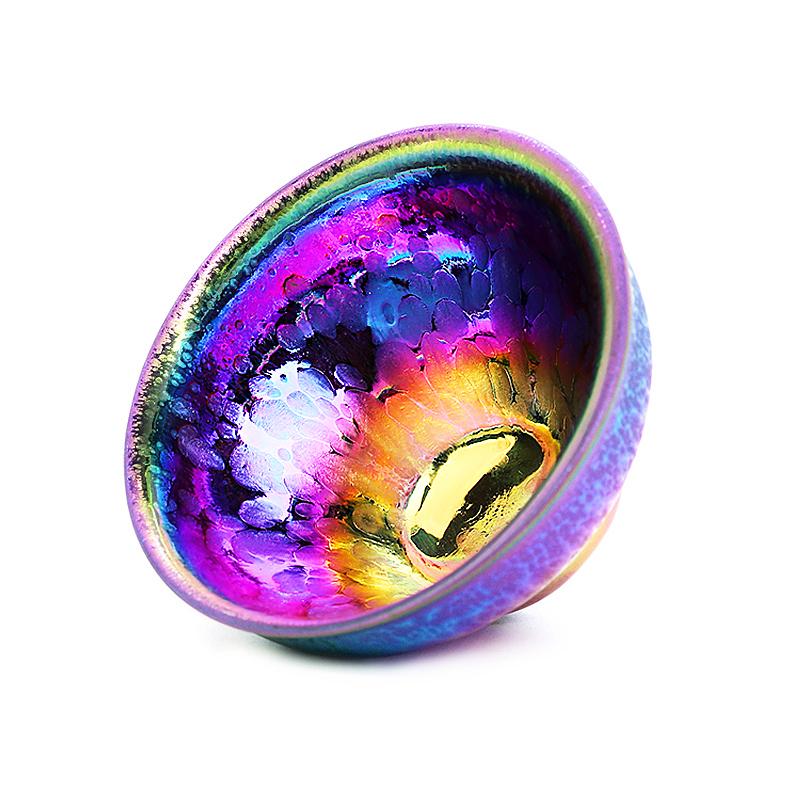
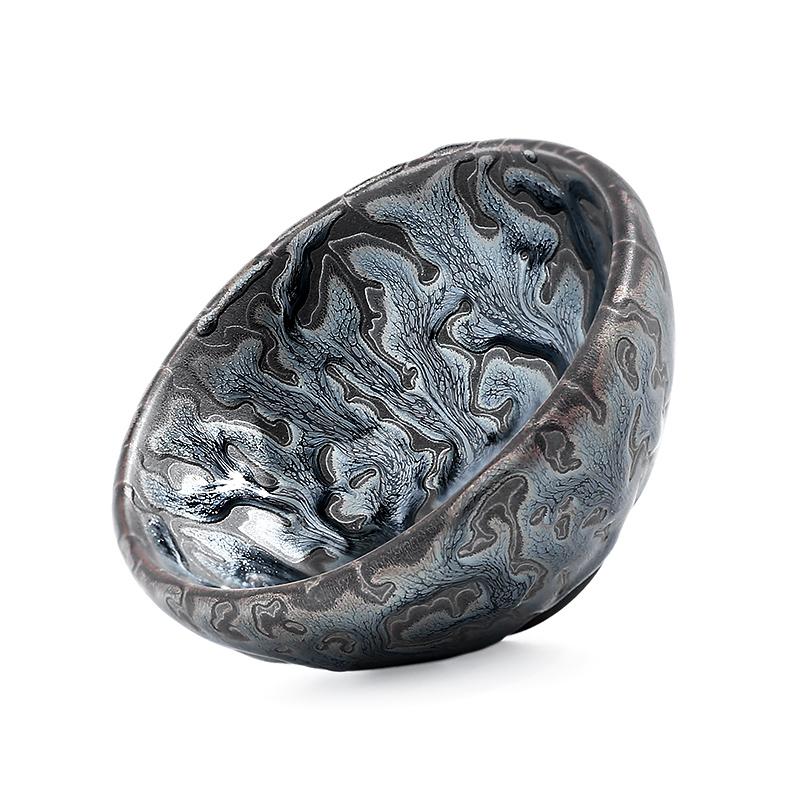
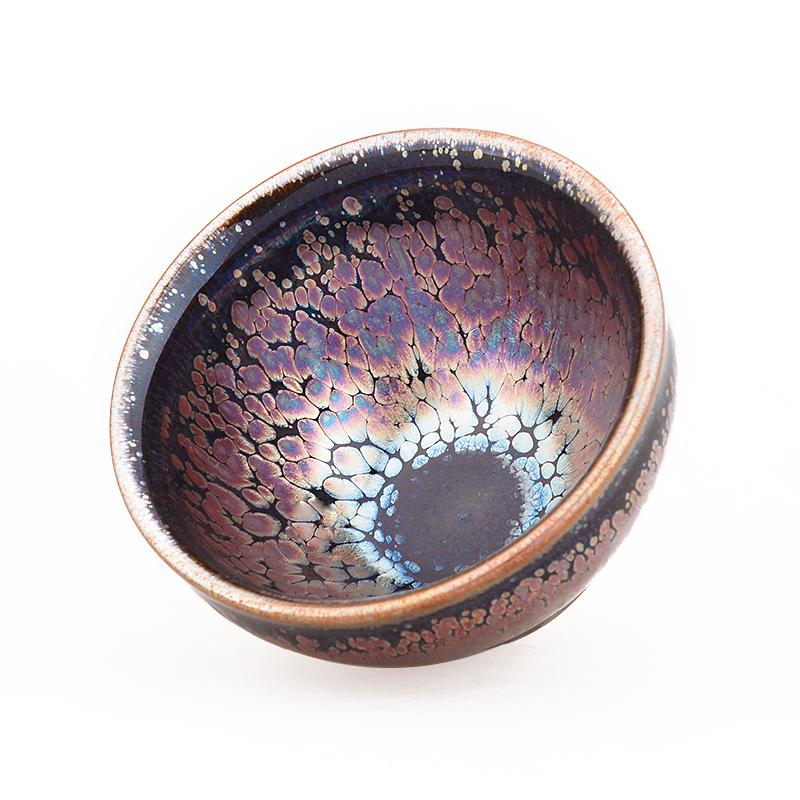
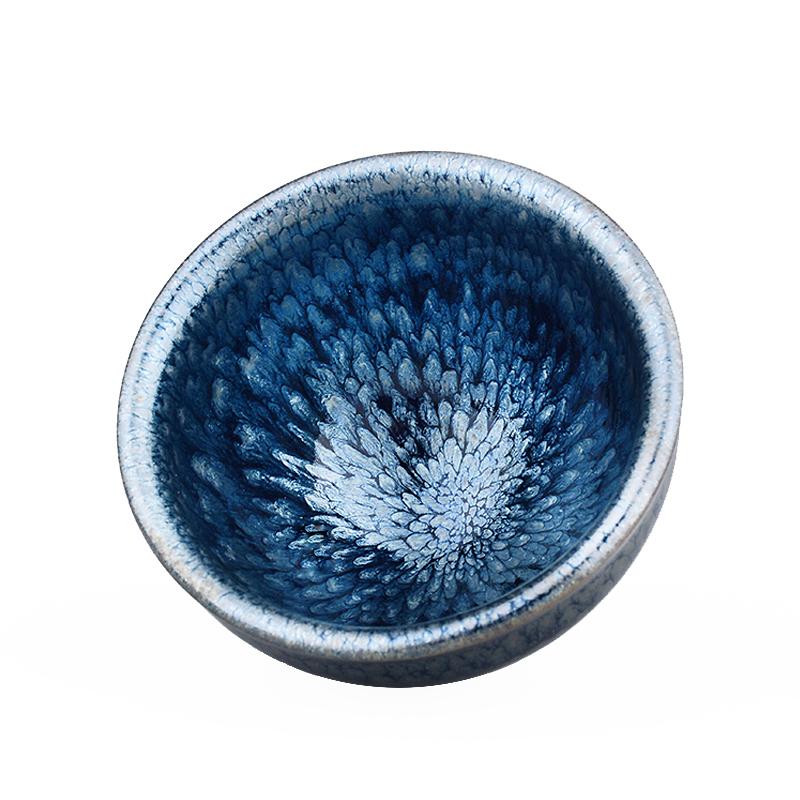
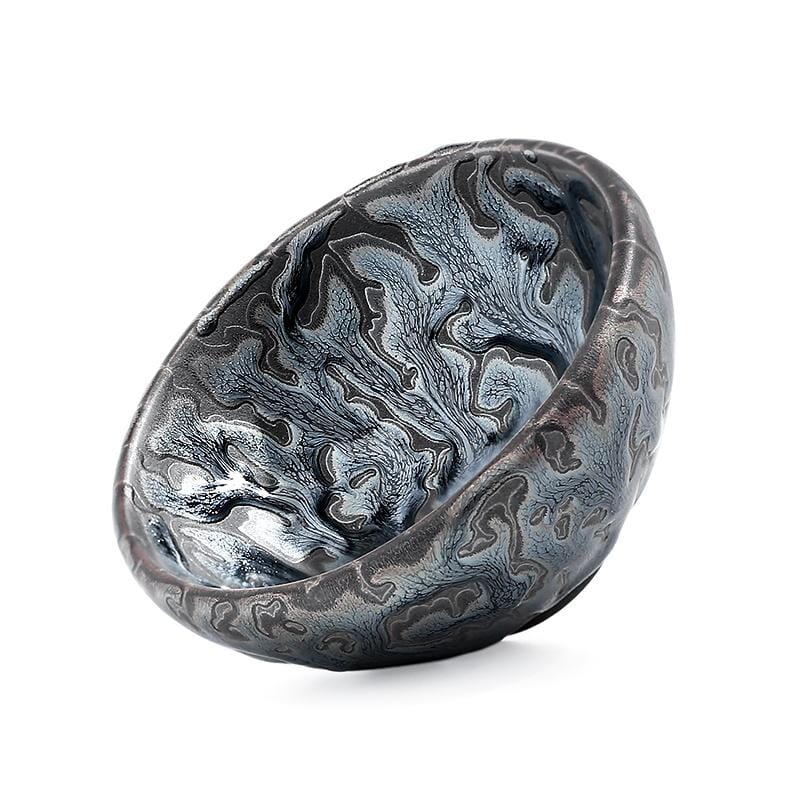
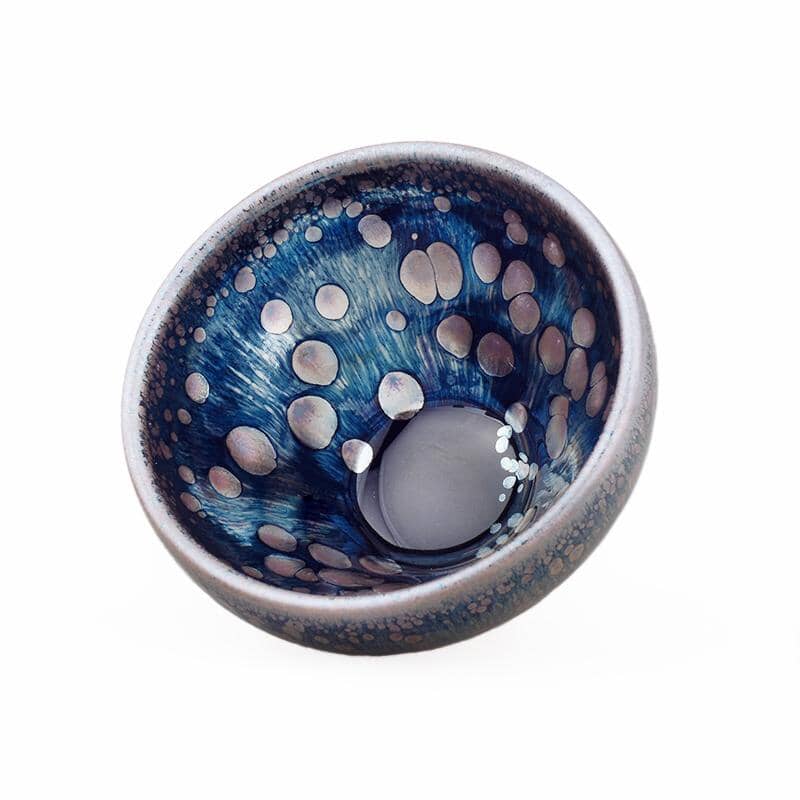
A tenmoku tea bowl (often called jian zhan in Chinese) is a dark-glazed ceramic cup originally fired in China’s Jian kilns and later deeply embraced in Japan, where it became a cornerstone of the tea ceremony. The name “tenmoku” comes from the Japanese reading of Mount Tianmu, where Japanese monks first encountered these bowls. The signature look is an iron-rich, almost black glaze that, through kiln alchemy, bursts into mesmerizing patterns: oil spots, hare’s fur streaks, or iridescent “yohen” crystal blooms.
Unlike mass-produced mugs, each bowl is a one-of-a-kind marriage of earth, fire, and chance. No two are identical. This uniqueness transforms something as simple as drinking tea into a moment of wonder — a luxury you don’t just own but actively experience.
Why a Tenmoku Bowl Belongs in Your Wellness Ritual
In the U.S., we’ve upgraded our coffee to single-origin pour-overs and our candles to curated scent collections. Yet the vessels we drink from often remain an afterthought. A tenmoku bowl changes that, anchoring your tea time in mindfulness that feels both ancient and urgently needed.
- Slows you down: The weight, the texture, the ever-changing glaze — everything about the bowl invites you to pause, look, and breathe.
- Engages all five senses: The rich interplay of light on the glaze, the warmth in your hands, the subtle sound of tea swirling, and even the faint iron notes that soften the water’s taste create a holistic ritual.
- Connects you to Japanese artistry: It’s a daily touchpoint with centuries-old craftsmanship, a small homage to wabi-sabi — the beauty of imperfection.
Dr. William Li, a physician and author of Eat to Beat Disease, often notes that rituals around food and drink can lower stress-related cortisol. A tenmoku bowl makes that ritual almost automatic.
Key Benefits at a Glance
- One-of-a-kind art piece: Kiln transformations guarantee no two bowls are the same, turning each cup into a collectible.
- Heat retention: The thick stoneware walls keep tea at the ideal temperature longer, so you sip rather than gulp.
- Water softening: Many enthusiasts swear the iron-rich glaze subtly rounds out mineral flavors, making even tap water taste smoother.
- Visual drama: Hold it up to light, and oil spots or rainbow crystals dance — a conversation starter for guests.
- Mindfulness on demand: Simply picking up the bowl cues your brain to shift into relaxation mode.
Who Should Buy a Tenmoku Tea Bowl?
This is not a cup for the “I can’t have nice things” crowd. It’s for:
- Luxury wellness seekers who invest in silk pillowcases and organic matcha but still drink from a chipped diner mug.
- Mindfulness beginners struggling to meditate — the bowl becomes a tangible anchor.
- Art collectors with limited shelf space; this is functional art you use daily.
- Gift givers searching for a wedding, anniversary, or housewarming present that says “you deserve a moment of beauty today.”
Tenmoku Bowl vs. Standard Ceramic Mug: A Quick Comparison
| Feature | Tenmoku Tea Bowl | Standard Ceramic Mug |
|---|---|---|
| Glaze | Iron-rich, kiln-transformed patterns | Solid color, decal decoration |
| Uniqueness | Every piece is distinct | Identical clones |
| Heat retention | Excellent (thick stoneware) | Varies, often thinner |
| Sensory experience | Visual, tactile, subtle flavor influence | Purely functional |
| Ritual value | Encourages mindfulness | Neutral |
| Price range (US market) | $50 – $500+ for artisanal | $5 – $30 |
How to Choose Your First Tenmoku Bowl: A Beginner’s Buying Guide
Entering the world of Japanese tenmoku can feel like walking into a gallery without labels. Here’s what to look for:
- Authenticity & provenance: Genuine bowls come from studios in Dehua or Japan’s Seto and Mino regions. Reputable sellers will name the kiln and artist — if it’s just marked “tenmoku style” and priced at $15, it’s likely a mass-produced imitation.
- Glaze type: Start with the classic hare’s fur (fine streaks) or oil spot (silvery droplets) for a balance of tradition and affordability. Yohen (rainbow iridescent) commands higher prices but is exceptionally photogenic.
- Size & shape: A 3–4 inch diameter (about 200–300ml) works for solo loose-leaf sessions. The rim should feel comfortable against your lips, not too thick.
- Sound test: A gentle flick should produce a clear, bell-like ring — a sign of high firing temperature and sound structure.
- Imperfection = perfection: Tiny iron pinholes or uneven glaze are hallmarks of the process, not flaws. They’re the soul of wabi-sabi.
Expect to invest $80–$200 for a handcrafted bowl from a recognized studio. Brands like Hoshin and Kouichi Furusawa are entry points in Japan; in the U.S., curated shops online often carry authenticated pieces.
Real-Life Scenarios: From Morning Matcha to Evening Wind-Down
Scenario 1: The Wake-Up Ritual. Instead of scrolling through emails while a bag steeps, you pour matcha into a tenmoku bowl, watch the green swirl against the inky black glaze, and take three deliberate sips. Your mind clears before the first sentence of the day.
Scenario 2: Hosting Friends. You serve hojicha in five different tenmoku bowls, each with its own pattern. Guests instinctively cradle them, talk about the colors, and forget to check their phones. You’ve turned tea time into an experience, not a refreshment break.
Scenario 3: The 5 PM Reset. When work ends, you brew a cup of oolong. The bowl’s warmth grounds you, and the shifting glaze reminds you that transformation is possible — a small, silent pep talk.
Care Tips to Keep Your Bowl Glowing
Treat your tenmoku like a treasured leather bag or cast iron skillet. It gets better with use, but needs gentle handling:
- Wash by hand with warm water only. Avoid soap — the porous glaze can absorb fragrances and compromise the earthy finish.
- Never microwave or put in the dishwasher. The metal oxides in the glaze can cause sparks or cracks.
- Season with tea, not oil. After rinsing, dry with a soft cloth and let the bowl sit with a splash of hot tea for an hour occasionally. This deepens the patina and may enhance the oil spot effect.
- Store away from direct sunlight to prevent fading of subtle glaze hues, though high-fired pieces are fairly resistant.
Frequently Asked Questions
Here are answers to the most common questions we hear from U.S. buyers dipping their toes into the world of tenmoku.
Is a tenmoku tea bowl microwave safe?
No. Because the glaze contains iron oxide and other metallic compounds, putting a tenmoku bowl in the microwave can cause arcing, damage the bowl, or even spark a fire. Always heat water separately and pour it into the bowl.
Why are tenmoku bowls so expensive?
The high cost reflects the intensive, multi-step firing process, the high failure rate (many pieces crack or don’t develop the desired glaze effects), and the artistry of the potter. Hand-carved forms and rare kiln transformations like yohen add value. Each bowl is a lifetime investment piece, not disposable dinnerware.
Can I use a tenmoku bowl for coffee?
Absolutely. While traditionally used for tea, the bowl’s heat retention and aesthetic properties shine with pour-over coffee as well. Just note that the glaze may slightly mute the brightness of acidic light roasts, making it complement darker, chocolatey roasts best.
Does the tenmoku glaze really change the taste of tea?
Many connoisseurs report a subtle smoothing effect — the iron in the glaze reacts slightly with the water, reducing astringency and rounding out sharp mineral notes. It’s not a drastic chemical change, but enough that some teas feel more “complete” in a tenmoku bowl than in neutral glass or porcelain.
How do I “nurture” a new tenmoku bowl?
Start by boiling the bowl in clean water for a few minutes to open the pores, then let it cool naturally. After each use, rinse with hot water and let it air dry near your tea station. Over weeks, the glaze will develop a deeper luster. Avoid detergents entirely — let the tea leaves be the only seasoning.
What’s the difference between tenmoku and regular Japanese pottery?
Tenmoku specifically refers to bowls with high-iron dark glazes that produce crystaline patterns during reduction firing. Regular Japanese pottery (like Hagi or Raku) may use lighter clays and different glaze chemistries. Tenmoku’s hallmark is the interplay of black, brown, and metallic silver/gold drips created by iron-oxygen reactions in a wood or gas kiln at over 1300°C.
Small Bowl, Big Shift
At its heart, a tenmoku tea bowl is a permission slip. Permission to let ten minutes of tea be just that — tea. No multitasking, no noise. It brings the quiet luxury of a Japanese temple into a Santa Monica apartment or a Brooklyn brownstone. If your daily wellness routine could use a tactile, beautiful upgrade, one handcrafted bowl might be the simplest ritual you’ll ever adopt.
Ready to find your own tenmoku companion? Browse our curated collection of artisan bowls — each one inspected for authenticity and fired with the same care as the Song Dynasty originals.
Explore Our Collection
Ready to experience the world of tenmoku tea bowl? Browse our curated collection:
Disclaimer: This article is for informational purposes. Products and pricing subject to change.



Share:
From Earth and Fire: The Soul of a Japanese Tenmoku Tea Bowl
How to Spot a Real Japanese Tenmoku Tea Bowl (Authenticity Guide)