

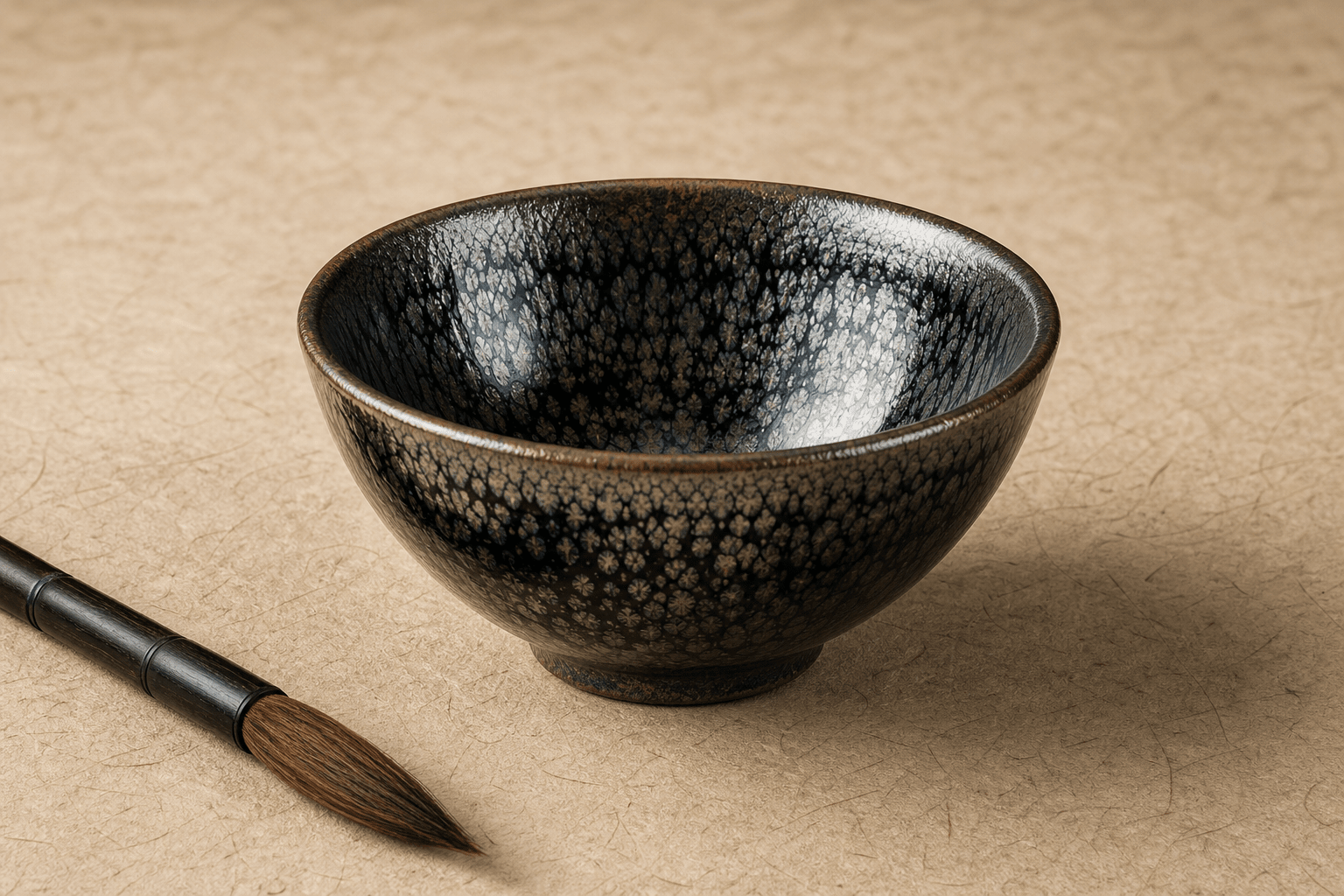
You’ve just discovered the mesmerizing world of Japanese tenmoku tea bowls—those dark, iridescent gems that transform a simple cup of tea into a meditative experience. But how do you know if your tenmoku is the real deal or a clever counterfeit? Authentic tenmoku is a statement of craftsmanship, history, and spiritual depth, while a fake simply misses the mark.
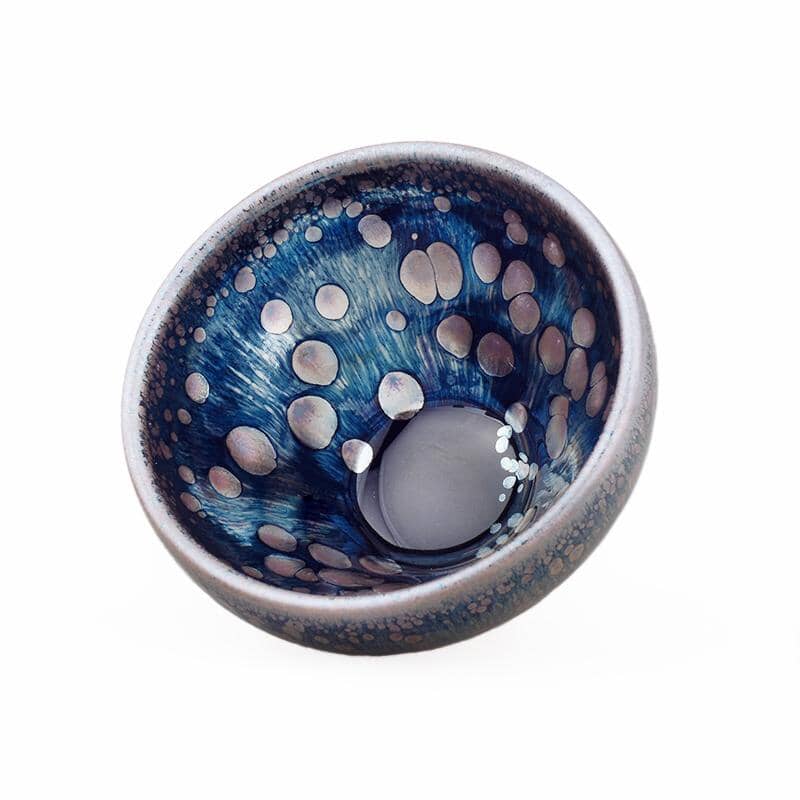
Direct answer: The fastest way to tell a real Japanese tenmoku from a fake is by examining the glaze’s depth, the feel of the clay body, and the firing marks. Genuine tenmoku, whether antique or contemporary, exhibits natural iron-saturated glazes that create ‘hare’s fur’ or ‘oil spot’ effects through wood-fired reduction kilns. Fakes often use chemical colorants, lack tactile warmth, and have unnaturally uniform patterns. This guide breaks down every clue you need.
Key Takeaways
- Real tenmoku bowls use natural iron glazes fired in reduction; fakes rely on paints or transfer prints.
- Authentic Japanese clay feels slightly rough and porous; imitations are often slick or overly smooth.
- Look for subtle asymmetry and kiln marks—perfection is a red flag.
- Weight and sound: authentic pieces ring with a clear, bell-like tone when tapped.
- Spotting fakes protects not just your wallet but the integrity of your tea ceremony.
What is a Tenmoku Tea Bowl?
A tenmoku (天目) tea bowl is a Japanese interpretation of the Chinese Jian ware (Jianzhan) ceramic tradition. The term originated when Japanese Buddhist monks brought back dark-glazed tea bowls from China’s Tianmu Mountain temples during the Kamakura period. Over centuries, Japanese potters in Seto, Mino, and Karatsu developed their own versions, blending local clays with the iconic oil-spot and hare’s-fur glaze effects.
Unlike the broader Jianzhan category, Japanese tenmoku, especially yohen tenmoku (kiln-transformed), often exhibits more restrained beauty—deep blacks with delicate speckles that shimmer like a starry night. A genuine tenmoku is not just a drinking vessel; it’s an object of wabi-sabi aesthetics, where imperfection and natural processes are celebrated.
Why Authenticity Matters
The market is flooded with convincing counterfeits, from cheap tourist souvenirs to artfully “aged” replicas. If you’re collecting, practicing chanoyu (tea ceremony), or investing, authenticity directly affects value, usability, and respect for the art. A real tenmoku, especially a certified piece by a Master of Traditional Crafts, can be a multi-generational heirloom. Fakes often use leaded glazes or unstable materials that can leach into tea and ruin the taste.
Moreover, understanding authenticity deepens your appreciation of the firing process. When you hold a real tenmoku, you’re connecting with 800 years of Japanese ceramic heritage—something no machine-made copy can replicate.
7 Telltale Signs of a Fake Tenmoku Bowl
Use this checklist when evaluating any tenmoku before you buy.
-
Glaze lacks depth. Real tenmoku glazes are multi-layered, with crystals formed inside the glass. Fake ones look painted on—flat and predictable.
Try this: Shine a light across the surface. Genuine bowls reveal tiny crystals that catch light at different angles. - Too much uniformity. Handcrafted Japanese tenmoku never has perfectly identical drips or spots. Run your finger over the glaze; a real piece has slight irregularities, while a fake feels unnaturally smooth.
- Chemical or plastic smell. Real wood-fired tenmoku has a faint earthy scent. If the bowl smells like fresh paint or solvent, it’s a fake.
- Clay body is white or too light. Traditional Japanese tenmoku clays (like those from Seto) fire to a dark iron-rich gray-brown. Mass-produced copies often use porcelain, making the foot ring unnaturally white.
- Uniform weight and thickness. Machine-molded fakes have consistent wall thickness. An authentic thrown bowl will be slightly thicker at the foot and thinner at the rim—a mark of the potter’s wheel.
- Missing kiln marks. Real tenmoku often show wadding marks, flame trails, or small kiln grit on the foot. A pristine, perfectly clean base is suspicious.
- No maker’s mark or dubious signature. Contemporary Japanese pieces usually bear a carved or stamped artist’s mark, often in kana or kanji. Laser-engraved generic “Japan” stamps are common on fakes.
Common Types of Fakes
1. Mass-Produced Chinese Jianzhan Sold as Japanese Tenmoku
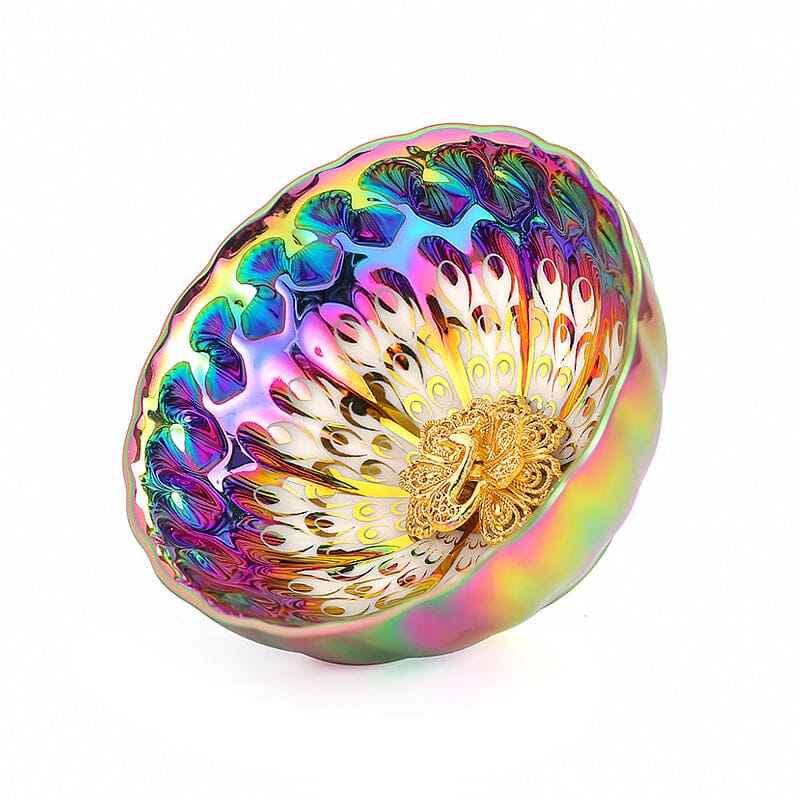
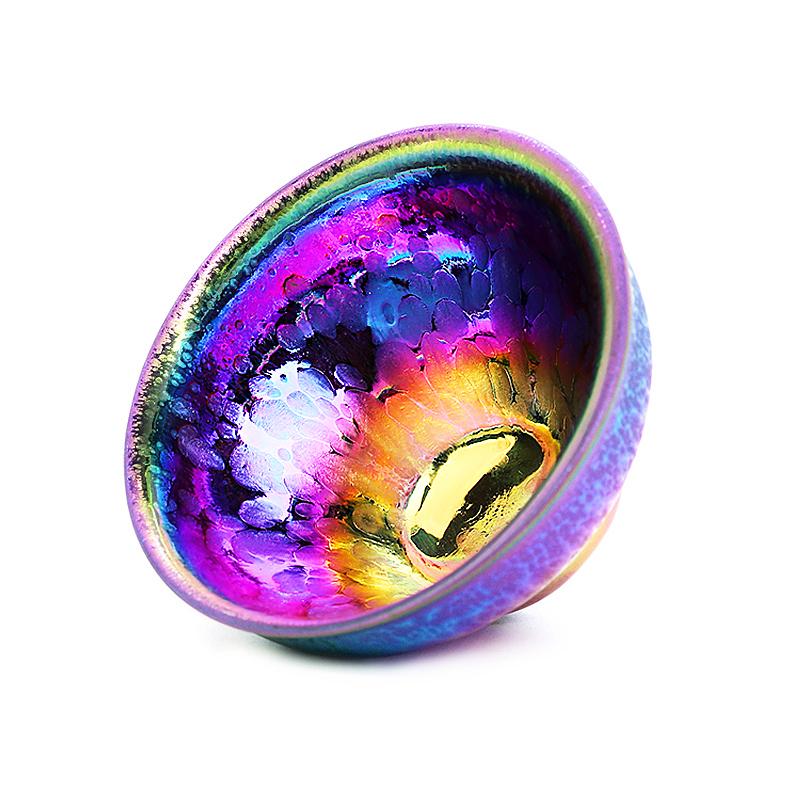
Because tenmoku originated as Jianzhan, many sellers pass inexpensive Chinese Jian ware off as Japanese tenmoku. While some fine Chinese Jianzhan exist, generic ones use low-fire glazes and lack the iron-rich Japanese clay. They often have a plastic-like red or blue iridescence that looks unnatural.
2. Artificially Aged Replicas
These are modern bowls deliberately scratched, stained, or buried to mimic centuries of use. Real antiques show soft wear—rounded foot rims, gentle glaze scratches—not sharp chips or heavy tea stains applied with a brush. The “age” often smells musty, not like clean wood ash.
3. Transfer-Printed “Oil Spots”
Some fakes use a decal or screen-printed pattern under a clear glaze to simulate oil spots. Under magnification the pattern is pixelated, and the surface is perfectly flat. Real oil spots are actual iron crystals that create micro-texture.
Real vs Fake Japanese Tenmoku: Comparison Table
| Feature | Authentic Tenmoku | Fake / Imitation |
|---|---|---|
| Glaze origin | Natural iron slip + wood ash, fired 1300°C+ | Chemical colorants, low-fire commercial glaze |
| Glaze texture | Subtle topography, micro-crystals | Flat, glossy, no depth |
| Clay body | Dark iron-rich stoneware, somewhat porous | White porcelain or light clay, vitrified |
| Foot ring | Rough, shows turning marks, kiln grit | Smooth, machine-sanded |
| Sound (tap test) | High-pitched, resonant ring | Dull “thunk” or clink |
| Weight | Hefty, balanced, slight asymmetry | Too light or uniformly heavy |
| Price range | $150–$5,000+ for contemporary, more for antiques | $10–$40, sometimes priced higher to deceive |
How to Buy Authentic Japanese Tenmoku
Stick to reputable sources. Look for potters with official recognition—like members of the Japan Kōgei Association or prefectural Intangible Cultural Properties. When buying antiques, ask for provenance or a certificate from an auction house. For new pieces, purchase directly from the artist’s studio or specialized galleries.
If you’re just starting, consider a simple Seto-yaki tenmoku from a master like Kato Tsubusa. It’s an affordable way to own a real piece and learn the qualities firsthand. (Our collection features a carefully selected range for enthusiasts.)
Who Should Buy an Authentic Tenmoku?
- Tea ceremony practitioners who need a bowl that respects the ritual.
- Ceramics collectors looking for a piece with investment potential.
- Lovers of Japanese aesthetics who appreciate wabi-sabi and the beauty of imperfection.
- Gift shoppers seeking a meaningful, lifelong present.
Even if you simply want a daily matcha bowl, owning a real tenmoku elevates the ordinary into the sublime.
Care Tips for Your Tenmoku
To preserve the glaze and clay, wash gently by hand with warm water and a soft cloth—never dish soap or a dishwasher. Dry quickly with a lint-free towel to prevent water spots on the porous foot. Store away from sudden temperature changes. With use, the bowl will develop a subtle patina, enriching the character over time.
Frequently Asked Questions
Are Japanese tenmoku and Chinese Jianzhan the same?
Conclusion
Spotting a fake Japanese tenmoku tea bowl is a skill built on feeling the clay, reading the glaze, and listening to the sound. With this guide, you’re better equipped to navigate galleries, online shops, and antique fairs. Authentic tenmoku isn’t just an object—it’s an experience that unfolds with every sip. Whether you’re buying your first piece or expanding a collection, trust your senses and choose a bowl that speaks to you.
Ready to explore the world of genuine Japanese tenmoku? Browse our curated gallery of certified artist bowls, each with a story of fire and earth.
Explore Our Collection
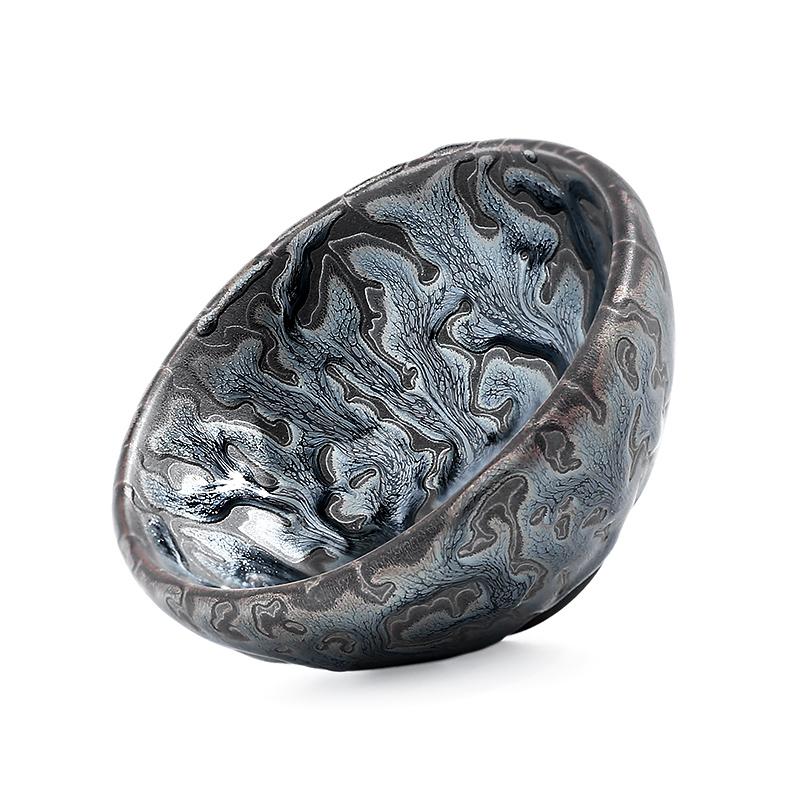
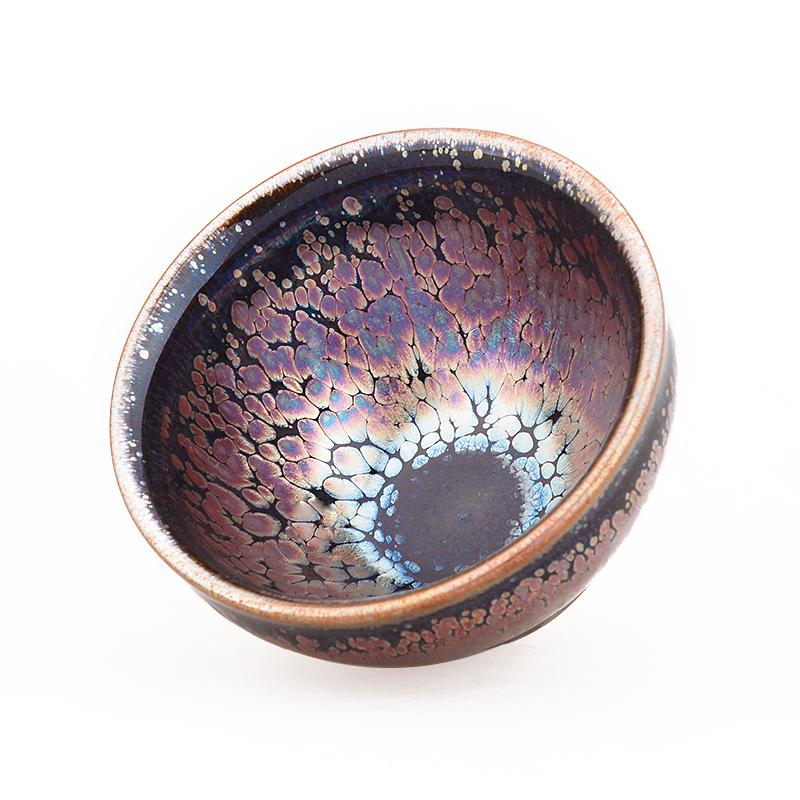
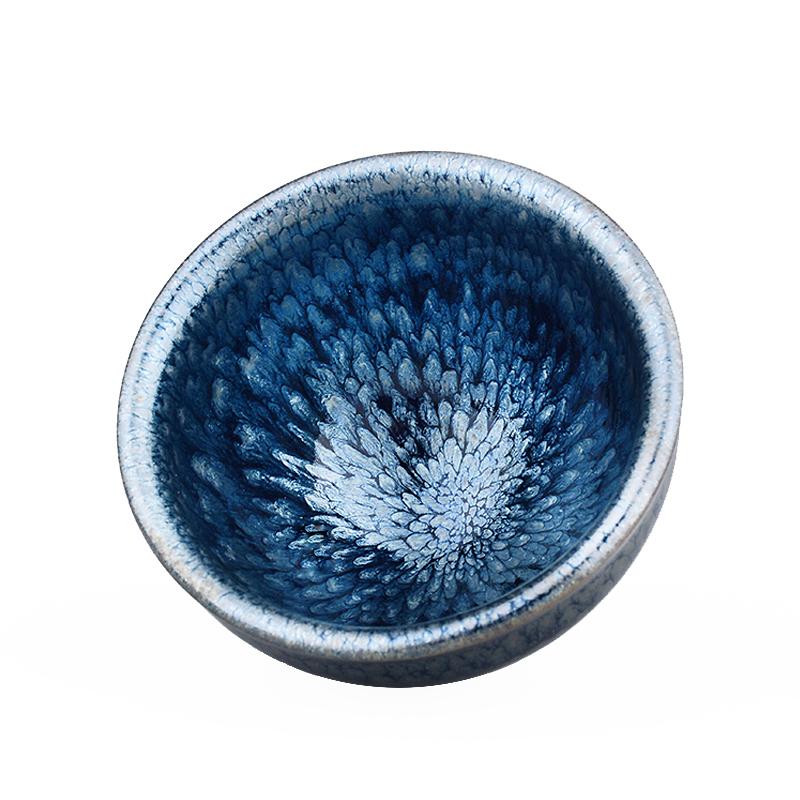
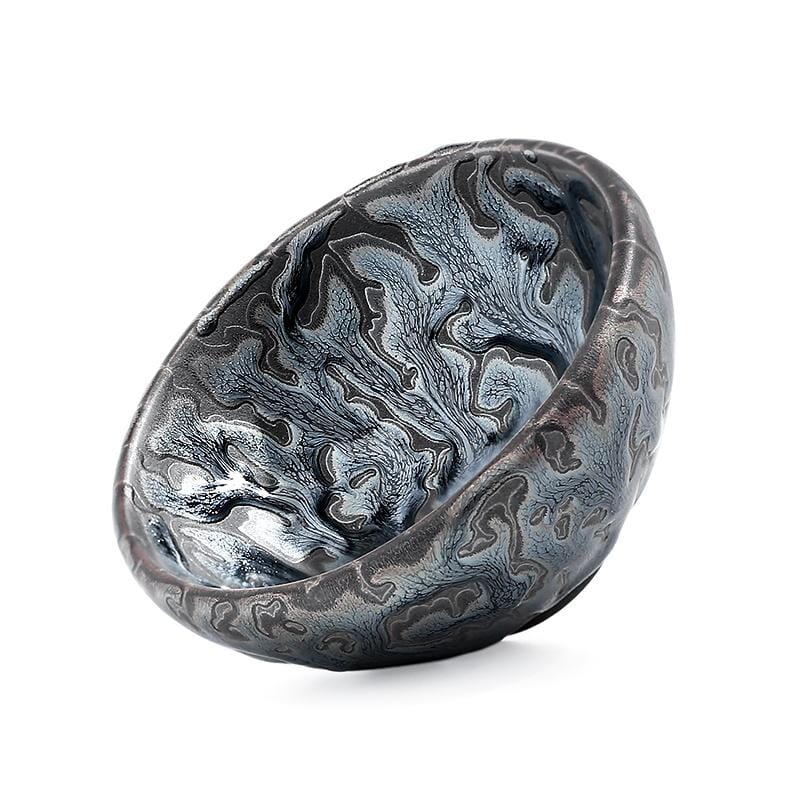
Ready to experience the world of tenmoku tea bowl? Browse our curated collection:
Disclaimer: This article is for informational purposes. Products and pricing subject to change.



Share:
The Art of the Tenmoku Tea Bowl: Your Daily Path to Mindful Luxury
Real vs Fake Tenmoku Tea Bowl: A Connoisseur’s Guide to Authenticity