

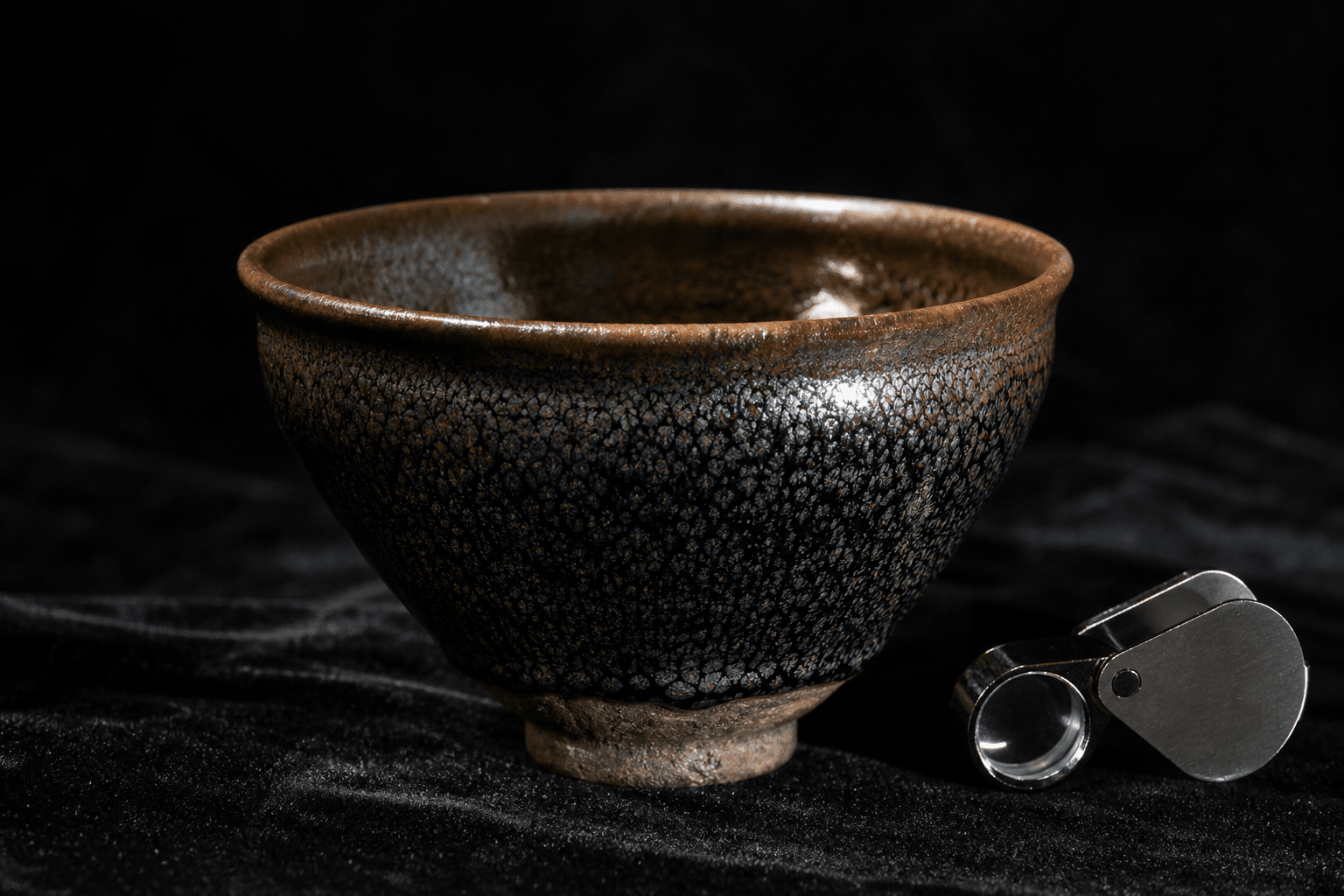
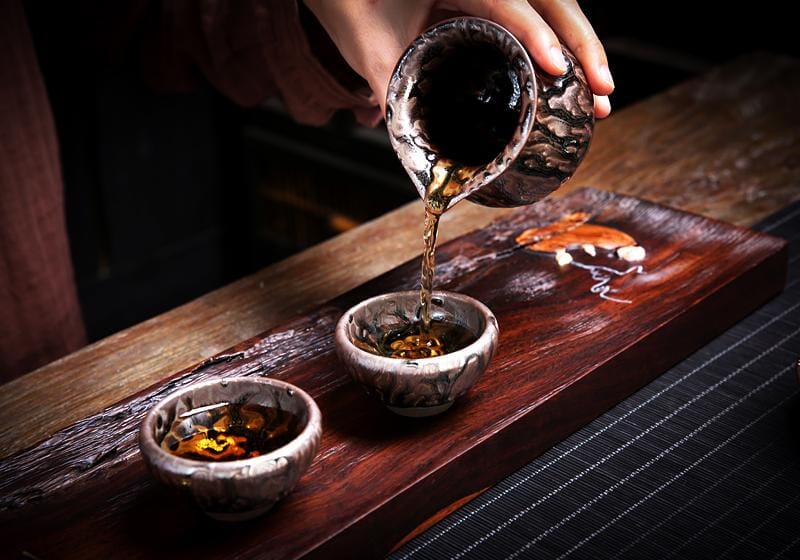
Tenmoku tea bowls—those dark, mesmerizing ceramic cups splashed with iridescent oil spots or hare’s fur streaks—are more than just tea ware. They’re a piece of Japanese tea culture. But with rising demand, fakes flood the market. How do you know you’re holding a genuine piece that was born from a kiln’s fire, not a factory mold? It boils down to raw materials, kiln transformation, and dozens of subtle handicraft markers. This guide gives you a clear, structured way to separate the real from the knockoff.
Key Takeaways
- Authentic tenmoku bowls are made from iron-rich stoneware clay, fired at extreme temperatures (1300°C+) in a reduction atmosphere, which naturally crystallizes the glaze.
- Fakes typically use painted chemical patterns, lightweight porcelaneous bodies, or uniform machine-made shapes.
- Key authenticity markers: dark, heavy body; irregular, non-repeating glaze effects; signs of kiln drip; and a crisp, ringing tone when tapped.
- A genuine piece is an expression of wabi-sabi —no two are identical. Perfection is a red flag.
- Always buy from recognized Japanese kilns or reputable dealers who provide provenance; price alone can be a signal (handcrafted authenticity rarely comes cheap).
What Is a Tenmoku Tea Bowl?
Think of a tenmoku bowl as the “wine glass” of the tea world. Just as a sommelier chooses a specific glass to enhance a Burgundy’s nose, a tea master uses a tenmoku bowl to elevate the experience of whisked matcha or steeped sencha. Originally developed in China’s Jian kilns during the Song dynasty, these bowls were brought to Japan by Buddhist monks who cherished them for tea ceremonies. The Japanese term “tenmoku” derives from Mount Tianmu in China, where Japanese monks first encountered the style.
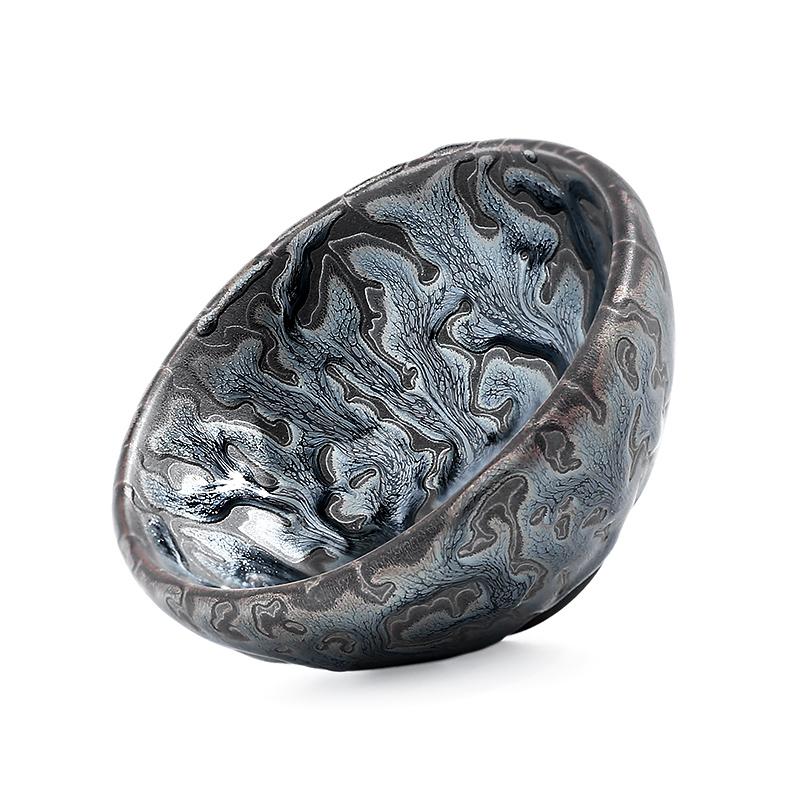
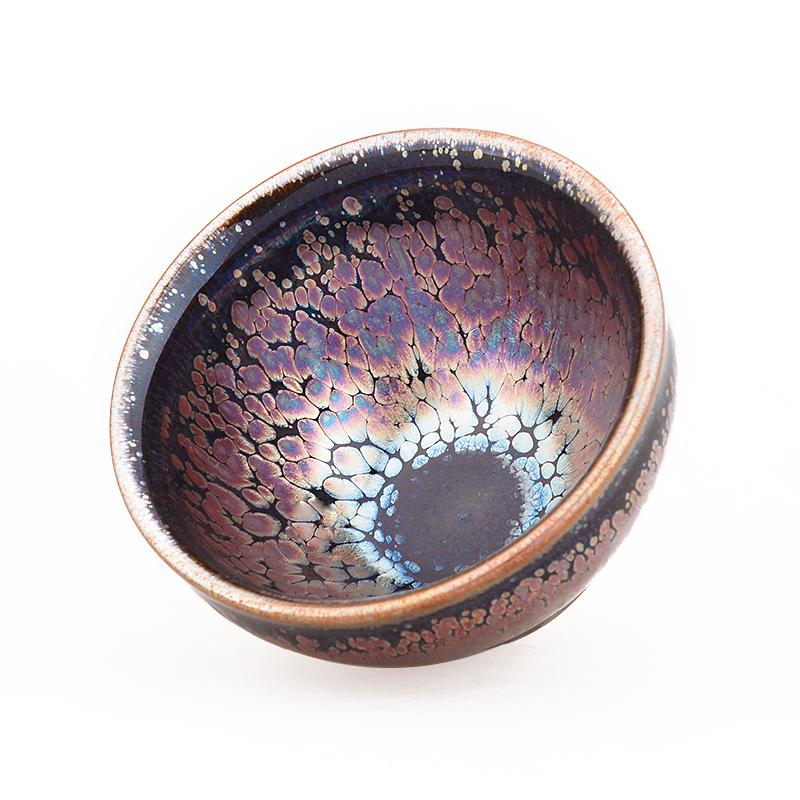
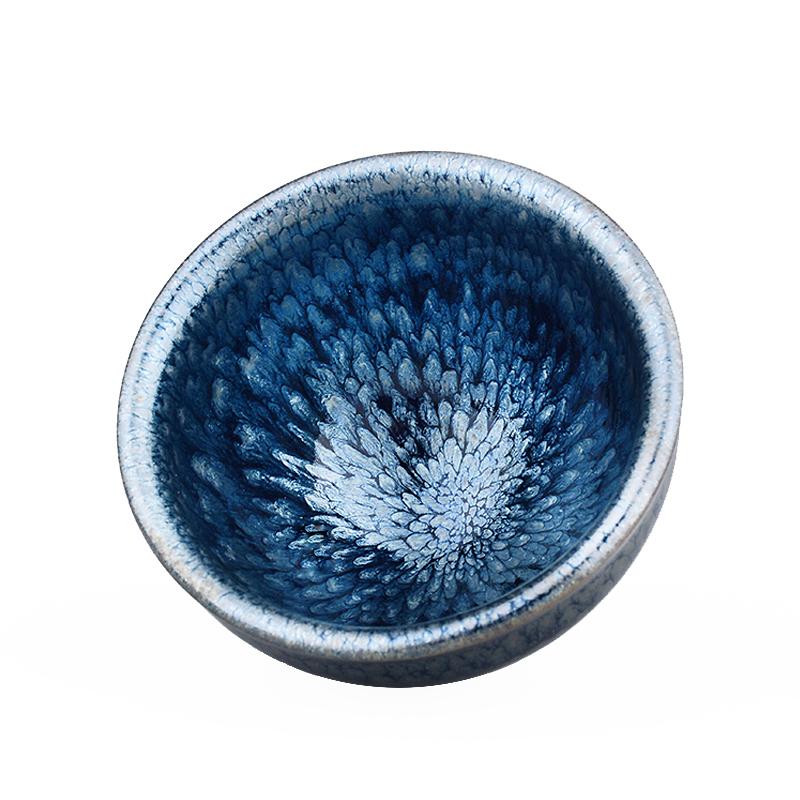
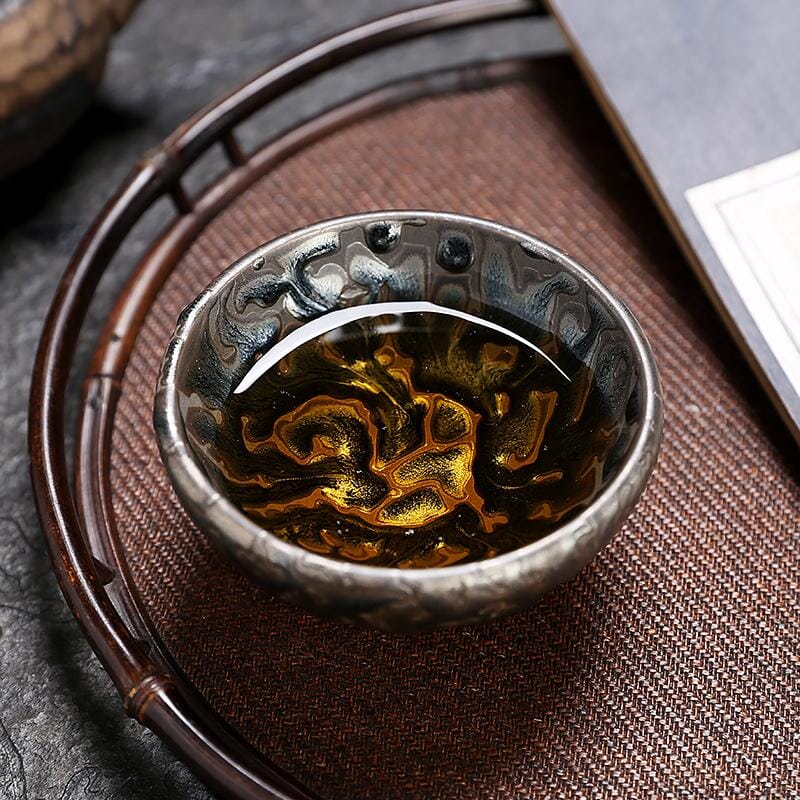
A true tenmoku bowl has an iron-rich stoneware body that fires deep brown or black, a thick feldspathic glaze that melts into kaleidoscopic patterns, and a distinctive shape—typically a wide rim, tapered sides, and a narrow foot ring. The magic happens inside the kiln, where extreme heat and oxygen deprivation cause iron oxides to separate, creating “yohen” (kiln-transformed) effects like yuteki (oil spot), nogime (hare’s fur), and crystalline iridescences.
Why Authenticity Matters
A fake tenmoku doesn’t just lack soul—it can be unsafe. Cheap chemical glazes may leach lead or cadmium into hot tea. Beyond health, a mass-produced replica misses the tactile dialogue between lip, hand, and glaze that defines the ritual. For collectors, authenticity preserves value and honors the centuries-old lineage. For everyday users, a genuine bowl transforms a simple cup of tea into a moment of mindfulness. Think of it as the difference between a real vintage Bordeaux and a grocery-store blend poured into a plastic cup. The vessel shapes the experience.
Key Benefits of a Genuine Tenmoku Bowl
- Sensory Depth: The micro-textured glaze subtly softens water, enhancing tea’s body and sweetness—something a smooth, glassy fake cannot replicate.
- Aesthetic Uniqueness: Each bowl is a one-off. The kaleidoscope you see is a frozen moment of the kiln’s atmosphere. No mold can fake that organic chaos.
- Cultural Connection: Owning a real piece means holding a fragment of 800-year-old tea tradition in your hands.
- Investment Potential: Studio-made tenmoku bowls by recognized Japanese ceramicists appreciate over time, much like contemporary art.
How to Identify a Real Tenmoku Tea Bowl: The Authenticity Checklist
1. Body Material & Weight
Authentic bowls are stoneware, not porcelain. The clay body is iron-heavy, often containing up to 8% iron oxide. This makes the bowl unusually heavy for its size and gives it a dark, slightly rough texture where unglazed—like the foot ring. Pick one up: if it feels light and tinny like a porcelain teacup, it’s likely fake. The foot ring on a real tenmoku shows a granular, almost rusty brown cut, never pure white.
2. Glaze Patterns & Irregularities
The glaze of a real tenmoku is never perfectly uniform. Oil spots should look like oily droplets suspended in dark glass—irregular in size and distribution, often merging or sliding toward the bottom due to gravity during firing. Hare’s fur streaks resemble individual brush hairs, not consistent lines. A painted-on pattern will look static and repeat itself; the genuine article is alive with asymmetry. Use a loupe: a fake may show digital inkjet dot patterns, while a real glaze reveals a deep, three-dimensional crystalline structure.
3. Kiln Transformation (Yohen) Signs
“Yohen” means “kiln change” and refers to the uncontrolled, magical shifts inside the firing chamber. Look for telltale signs: tiny gas bubbles trapped in the glaze, a subtle bluish or silvery iridescence that shifts with the light, and occasional drip formations where the glaze ran slightly before solidifying. A genuine bowl might have a small “tear” of glaze on the outside or a crawl mark near the foot—imperfections that kiln artists accept as part of the bowl’s story. Fakes are unnaturally clean.
4. Sound Test
Flick the bowl gently with your fingernail. A real stoneware tenmoku produces a clear, sustained ringing tone like a bell. A porcelain imitation or an underfired clay body sounds dull, short, and flat. This happens because high-temperature firing vitrifies the clay, making it dense and resonant.
5. Foot Ring & Finishing
Flip the bowl over. Authentic pieces typically have an uneven, hand-cut foot ring with visible tool marks and a slight bevel. The bare clay here will be a deep chocolate or iron gray. Fakes often use a perfectly machined foot with identical depth all around, and the exposed body may be painted dark to mimic the real thing—scratch it gently; if white appears underneath, walk away.
6. Patina & Aging (For Vintage Pieces)
If you’re buying an old or used tenmoku, look for natural tea staining in the micro-crazing of the glaze. This creates a subtle, matte sheen on the interior—a patina that develops over years of use. Artificial aging often involves smearing the bowl with tea concentrate or dirt, which looks blotchy and washes off with a damp cloth.
Buying Guide: Red Flags & Common Fakes
| Feature | Authentic Tenmoku | Fake / Cheap Imitation |
|---|---|---|
| Body Material | Iron-rich stoneware, heavy, dark break | Porcelain or low-fire pottery, light, white/light break |
| Glaze Pattern | Random, organic crystallization; visible depth | Printed, stenciled, or uniform; flat under magnification |
| Foot Ring | Hand-cut, uneven, natural iron color | Machine-perfect, often painted dark |
| Sound | Clear, bell-like ring | Dull, plastic click |
| Price | Usually $80+ for a modest artisan piece; $300+ for established potter | Often under $40, mass-produced online |
| Provenance | Comes with artist stamp, kiln seal, or certificate of authenticity | Generic box, no artist info, or copied studio name |
Common counterfeiting tricks: “Oil spot” made by screen-printing a pattern under a clear glaze; “hare’s fur” created with a fine brush; electroplated luster to mimic yohen rainbow effects. None withstand the sound test or a close look at the foot.
Who Should Buy a Real Tenmoku Bowl?
- Tea Enthusiasts & Matcha Drinkers: If you treat tea as a daily meditation, this bowl is your anchor.
- Collectors of Japanese Pottery: Seek bowls from lineages like the Raku, Yosei, or Kato families, or contemporary masters who fire in historic kilns.
- Design Lovers & Gift Givers: A genuine tenmoku is a conversation-starting object d’art that blends seamlessly into modern interiors.
- Investors in Ceramic Arts: Early works by named potters appreciate significantly; authenticity papers are a must.
Real-Life Scenarios
Scenario 1: You’ve inherited a bowl from a grandparent who traveled to Japan. Even if it lacks papers, examine the foot and glaze with a loupe. Real vintage tenmoku often shows micro-crazing and a warm, lived-in patina. If it rings clear and the foot is irregular, you likely have a genuine piece.
Scenario 2: You’re browsing an online marketplace and see a “Tenmoku Tea Bowl” for $35 with perfect, identical oil spots across six photos. Walk away. At that price, no artisan can afford the material and kiln time. Genuine handcrafted tenmoku is produced one at a time; each piece must be photographed individually. Six identical bowls scream factory press mold.
Scenario 3: You visit a Japanese tea shop and handle a bowl priced at $250. It’s heavy, the oil spots seem to float inside the glaze, and the artist’s stamp on the foot corresponds with a known kiln. This is the real deal—and an investment in your tea practice.
Care Tips for Authentic Tenmoku Bowls
Real tenmoku is robust but deserves mindful handling:
- Rinse with lukewarm water after each use; avoid harsh detergents that can dull the natural patina.
- Never place in a microwave or dishwasher; sudden temperature changes can cause thermal shock and cracks.
- When whisking matcha, pre-warm the bowl with hot water to prevent stress.
- Store in a soft, padded box if collecting; if displaying, ensure the foot ring is protected from scratching surfaces.
- Enjoy the evolution—the bowl will slowly develop tea stains that add character, never scrub it back to “like new”.
Frequently Asked Questions (FAQ)
-
Is a tenmoku tea bowl the same as a jianzhan?
Yes and no. “Jianzhan” (建盏) is the Chinese term for bowls originating from the Jian kilns. The Japanese term “tenmoku” refers specifically to the style adapted and cherished in Japan. Today, Japanese tenmoku can be made in Japan using similar techniques, while authentic Song dynasty jianzhan are rare antiques. In the US market, both terms overlap, but “tenmoku” generally implies a Japanese tea ceremony aesthetic. -
What is yohen, and why is it a mark of authenticity?
Yohen (kiln transformation) is the spontaneous crystallization and color change that happens when iron-rich glaze is fired in a reduction atmosphere. It’s unpredictable and cannot be replicated by painting or decals. Genuine yohen appears as shimmering blue/silver/gold micro-crystals that shift with light. A bowl lacking any iridescent or organic pattern is likely not a true tenmoku. -
Can I test if the glaze is real without damaging the bowl?
Yes. Use a 10x jeweler’s loupe. Real crystalline oil spots look like tiny liquid lenses embedded in the glass, with varying depths. A painted pattern looks flat with sharp edges. Also, genuine glaze flows; run your finger over the surface—you’ll feel subtle undulations, not a perfectly smooth, factory-sprayed finish. -
Why do authentic tenmoku bowls feel heavy?
The iron-heavy clay body is dense, and the thick glaze adds mass. This heft is intentional—it stabilizes the bowl on a tea mat and gives a satisfying tactile experience. A lightweight bowl indicates porcelain or low-temperature earthenware, neither of which can produce authentic tenmoku effects. -
Can I use a tenmoku bowl in the microwave or dishwasher?
Absolutely not. The metallic elements in the glaze can cause sparking in a microwave, and harsh dishwasher chemicals will strip the delicate patina. Always hand-wash gently. -
What should I expect to pay for a genuine, handcrafted tenmoku bowl?
Entry-level studio bowls from emerging artists start around $80–150. Works by recognized Japanese potters range from $300 to several thousand dollars. If a price seems too good to be true online (e.g., under $50), it almost certainly is a replica.
Conclusion
Distinguishing a real tenmoku tea bowl from a fake isn’t about memorizing rules—it’s about training your eye and hand. A genuine piece whispers its story through weight, sound, and the chaos of kiln fire. Next time you pick one up, let your senses guide you. And when you’re ready to own a real tenmoku, seek out trusted Japanese kilns or authorized dealers. Your tea practice deserves nothing less than the quiet, radiant truth of craftsmanship.
Explore Our Collection
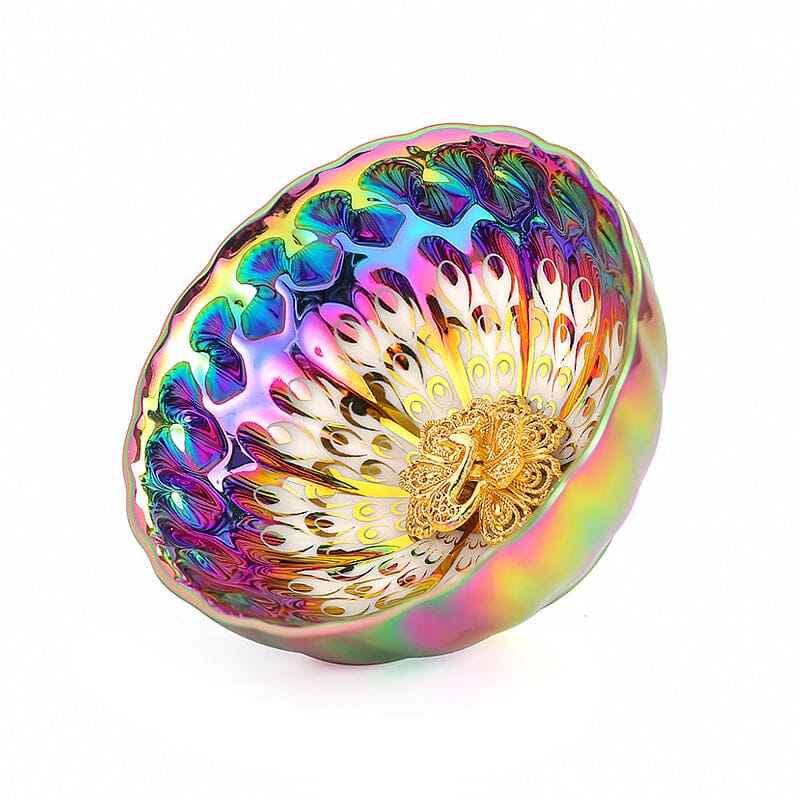
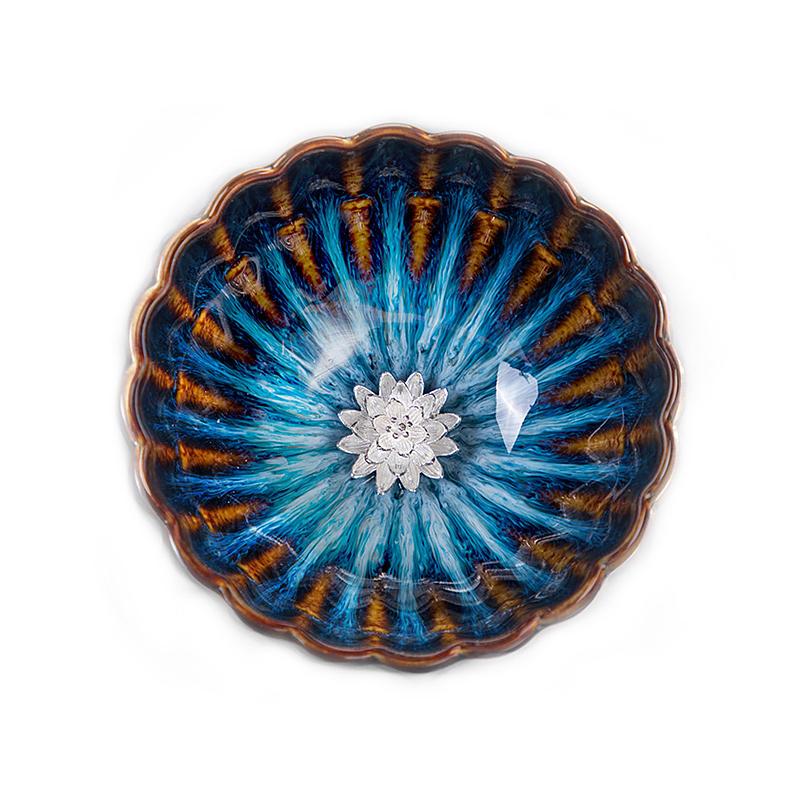
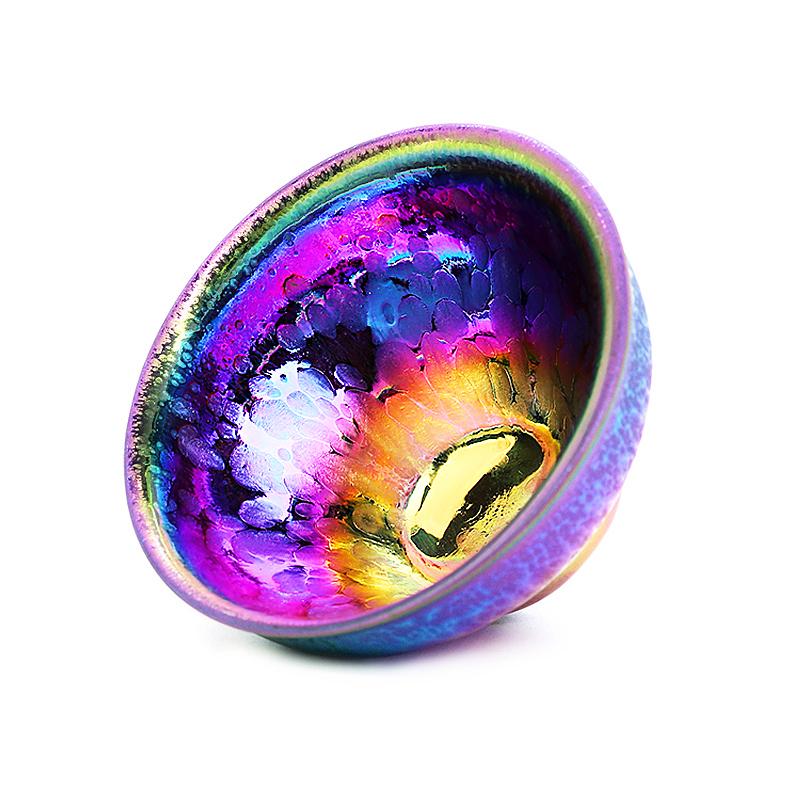
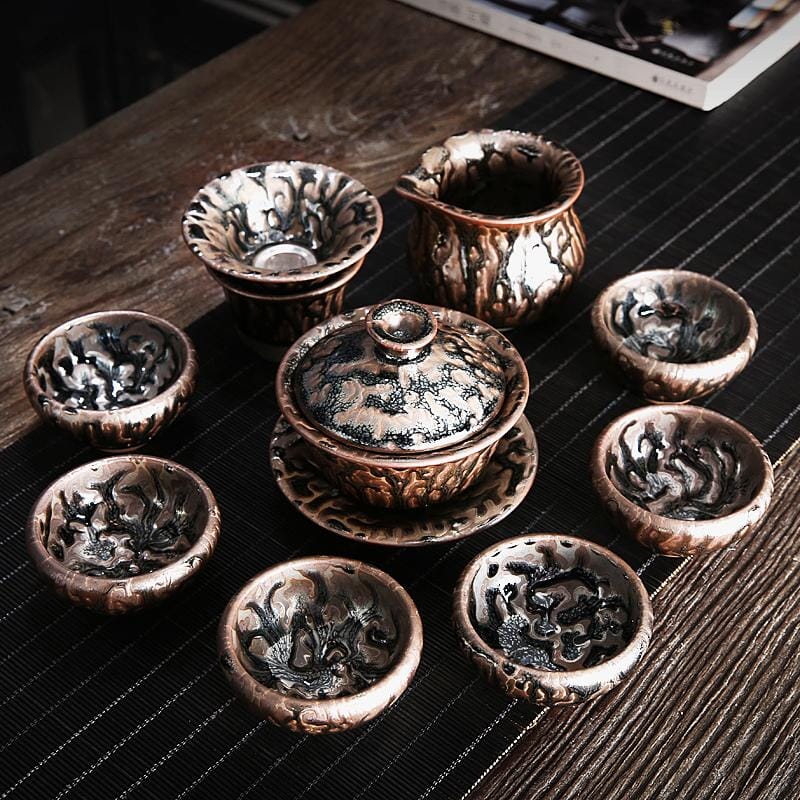
Ready to experience the world of tenmoku tea bowl? Browse our curated collection:
Disclaimer: This article is for informational purposes. Products and pricing subject to change.


Share:
How to Spot a Real Japanese Tenmoku Tea Bowl (Authenticity Guide)
Tenmoku’s Second Life: A Japanese Artisan’s Kiln-Fired Legacy