


The cross-section of Jian ware cups is black or dark gray, or black-brown due to their high iron content. The body is thick and hard, producing a metallic sound when tapped, hence the name "iron body" and giving it a heavy feel. The body contains more sand particles, resulting in a rougher texture and rough feel at exposed areas. Because of the thick body of Jian ware cups, which contains small pores, the cups are good at retaining heat and are suitable for brewing tea, making them one of the finest tea utensils in the Song Dynasty. Jian ware cups are generally classified into four types based on their mouth shape: open mouth, flared mouth, closed mouth, and lipped rim.
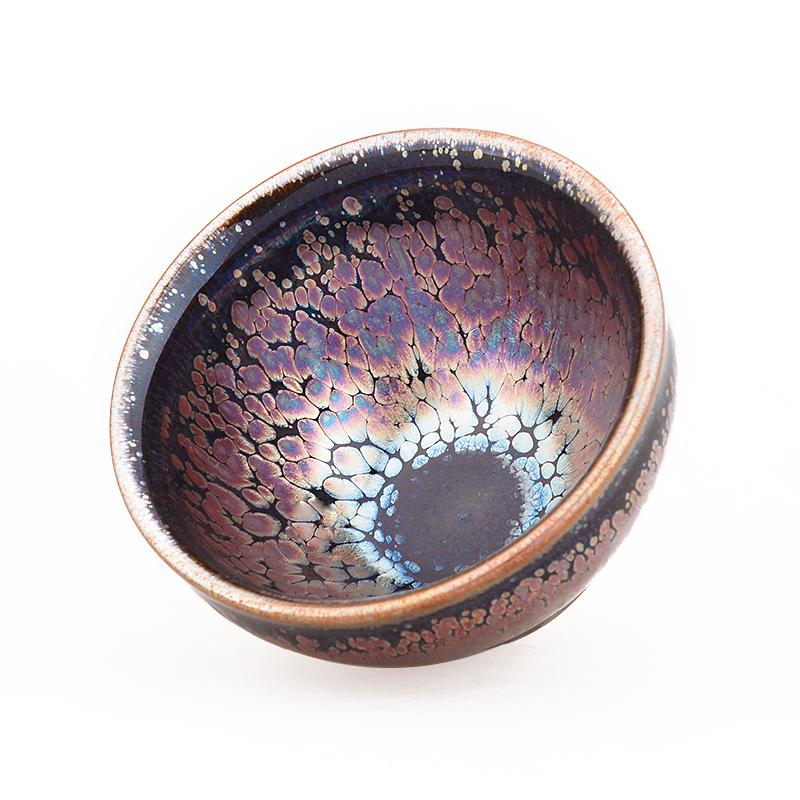
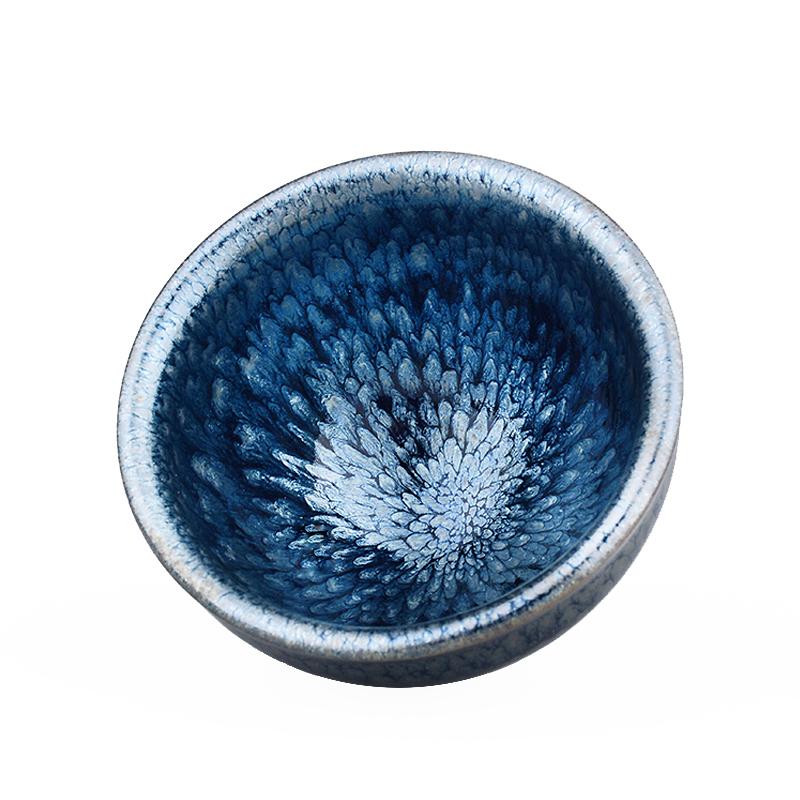
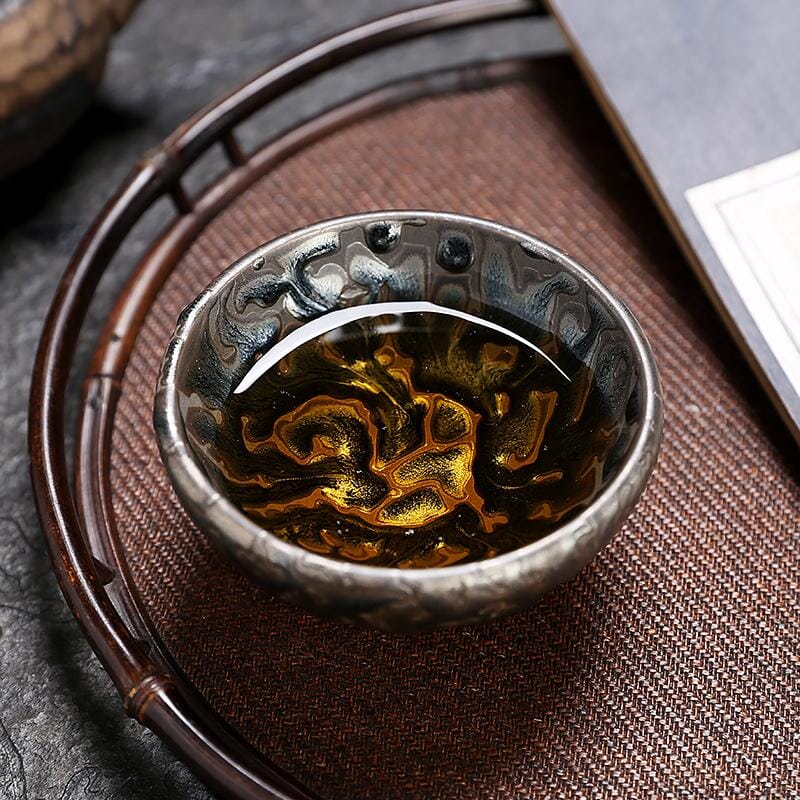
Sun Fukun's "Zen Meditation Yellow Partridge" Jian ware cup.
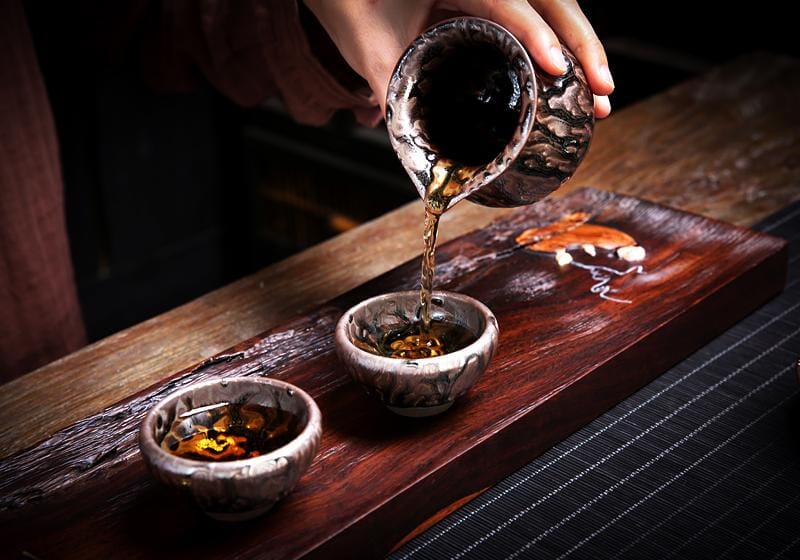
The function of drinking tea from Jian ware cups is a combination of heat preservation and water activation, which makes the tea taste smooth, mellow, and full-bodied, with a deep and rich aroma. It can also maintain the warmth and improve the alkalinity of the tea for an extended period of time, ensuring a better taste. Therefore, drinking tea from Jian ware cups is similar to boiling water in iron or silver kettles, in that they both have the ability to soften the water quality.
Sun Fukun's "Zen Meditation Yellow Partridge" Jian ware cup.
Some Jian ware enthusiasts have told me that they have tried drinking alcohol, water, and even coffee from Jian ware cups, and found that the taste is even more delicious and pure. Tonight, I have decided to try drinking Baijiu from a Jian ware cup and share my experience with everyone next time! Zhuoliqi sets Jian ware prices based on their rarity and quality.
Jian ware cups contain chemical components such as silicon dioxide, aluminum trioxide, iron trioxide, and calcium oxide in their body and glaze, which enables them to continuously release divalent iron ions and absorb chloride ions from water during use. These ions are easily absorbed by the human body, which can increase the carrier of hemoglobin and enhance the function of red blood cells. In theory, Jian ware cups can help prevent anemia, hypertension, and regulate the central nervous system of the human body. Zhuoliqi sets Jian ware prices based on their rarity and quality.
Jian ware cups and life are interconnected, as taking care of the cups is equivalent to taking care of oneself. There is a saying, "cultivate within and manifest without," which refers to cultivating one's moral character and inner self. Thus, the way of taking care of Jian ware cups is, in fact, a way of taking care of oneself. If one has an impatient and hasty temperament and is driven by immediate gains, it is difficult to take care of the cups properly. Some people may notice that the cups emit colorful light after drinking tea without washing them, but in fact, that is not true seven-color light. It is recommended to clean the cups promptly and maintain hygiene (I often use baking soda water to clean my tea cups) after drinking tea, so it is not advisable to neglect washing the cups when caring for them.
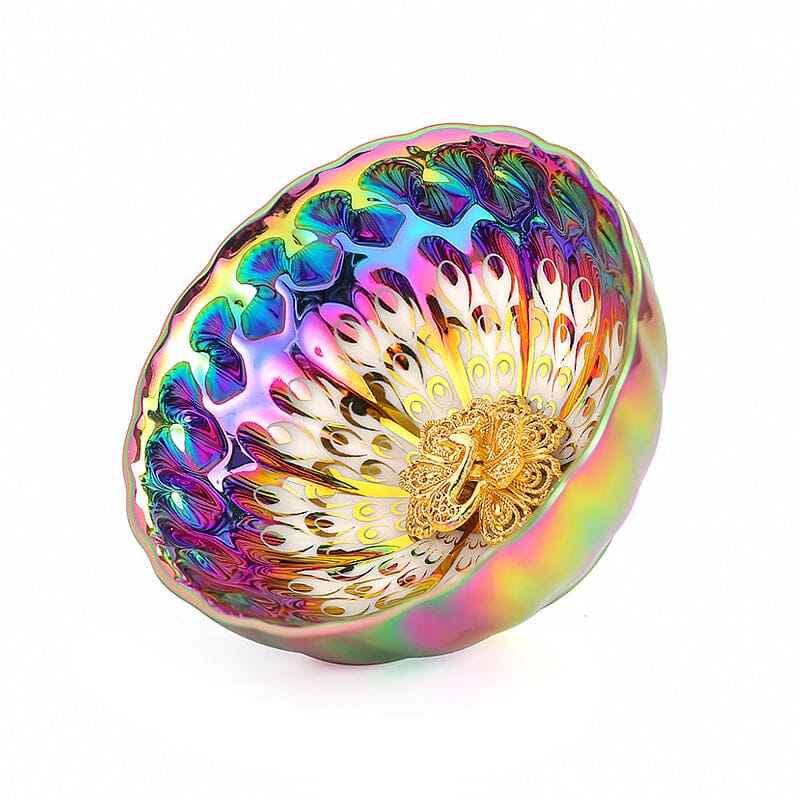
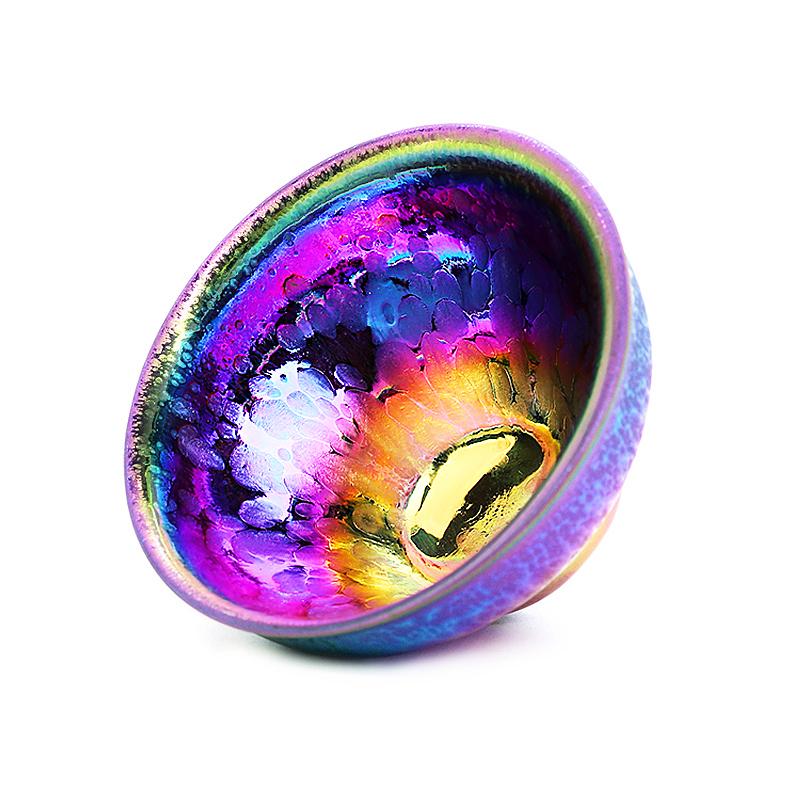
Of course, the appearance of the seven-color light on Jian ware cups is uncontrollable and unpredictable, a beautiful accident. Not all Jian ware cups can produce this colorful effect, which is like a natural phenomenon and cannot be forced. Choosing high-quality Jian ware cups with original mineral glaze, drinking good tea, and leaving the rest to fate is the way to go!
Sun Fukun's "Zen Meditation Yellow Partridge" Jian ware cup.


Share:
4 Tenmoku Tea Bowl Types Every Tea Enthusiast Should Know in 5 Minutes
In 2019, what Tenmoku are worth collecting?