Venta de Pascua: Compre 3 ¡Obtenga el 4to gratis!

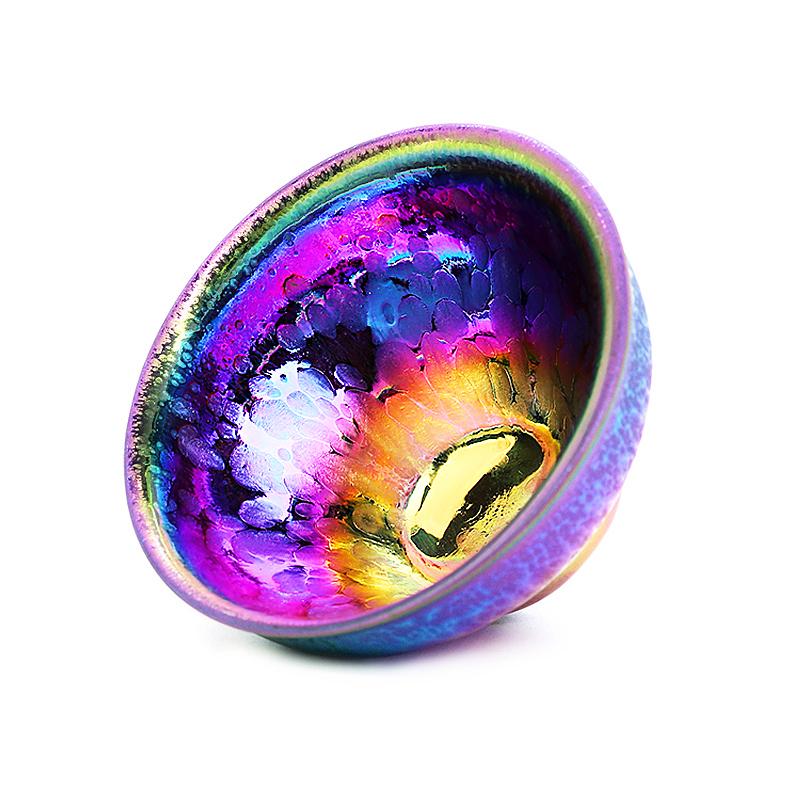
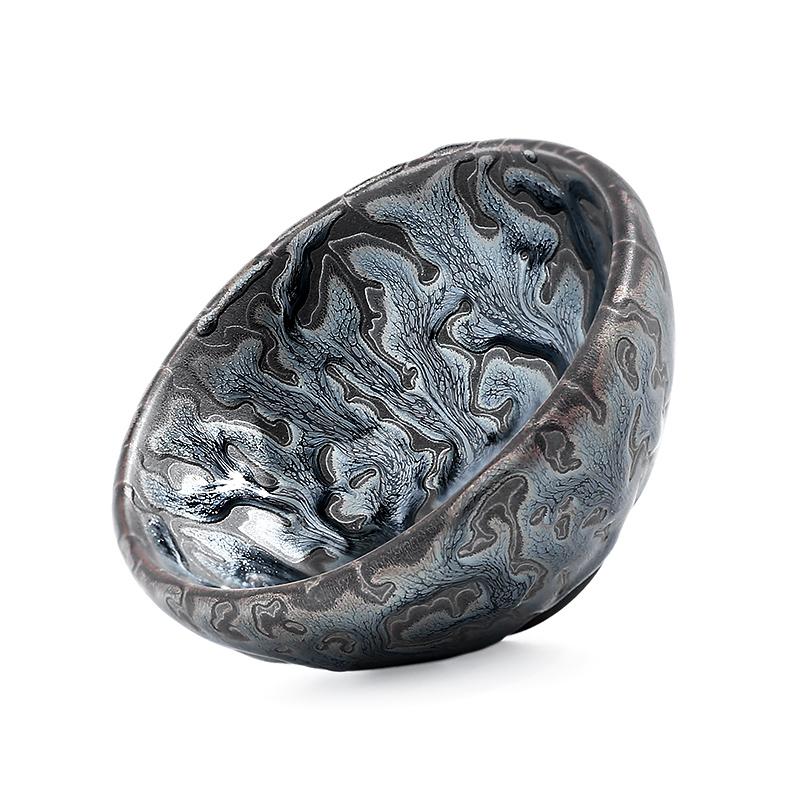
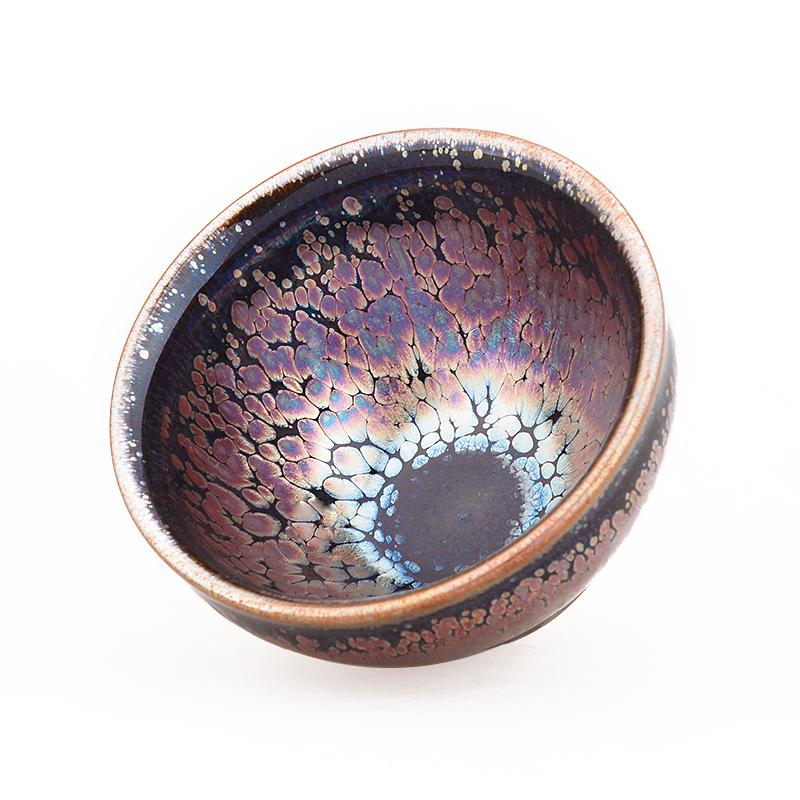
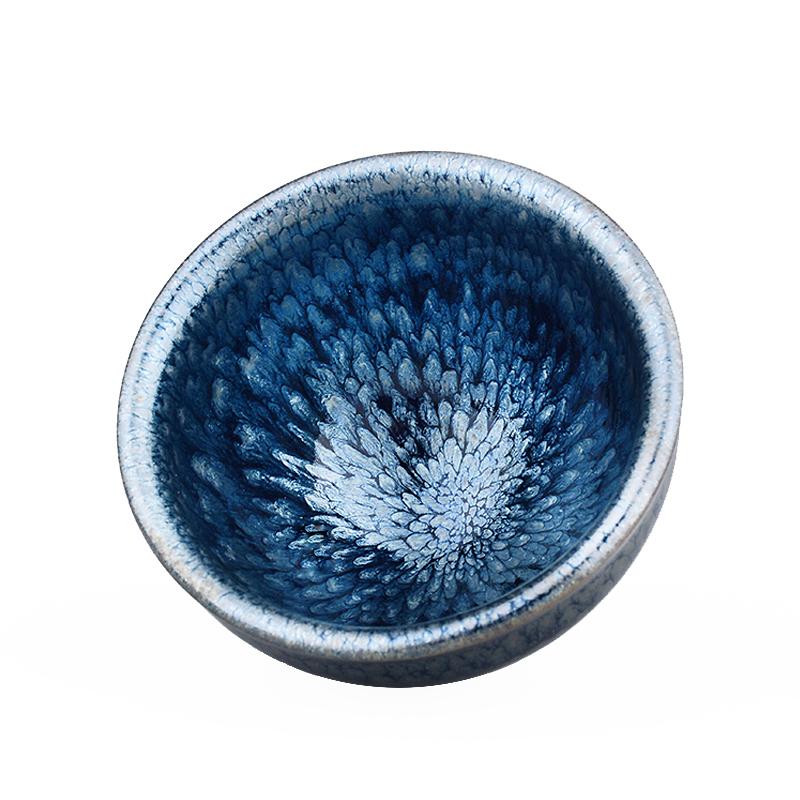
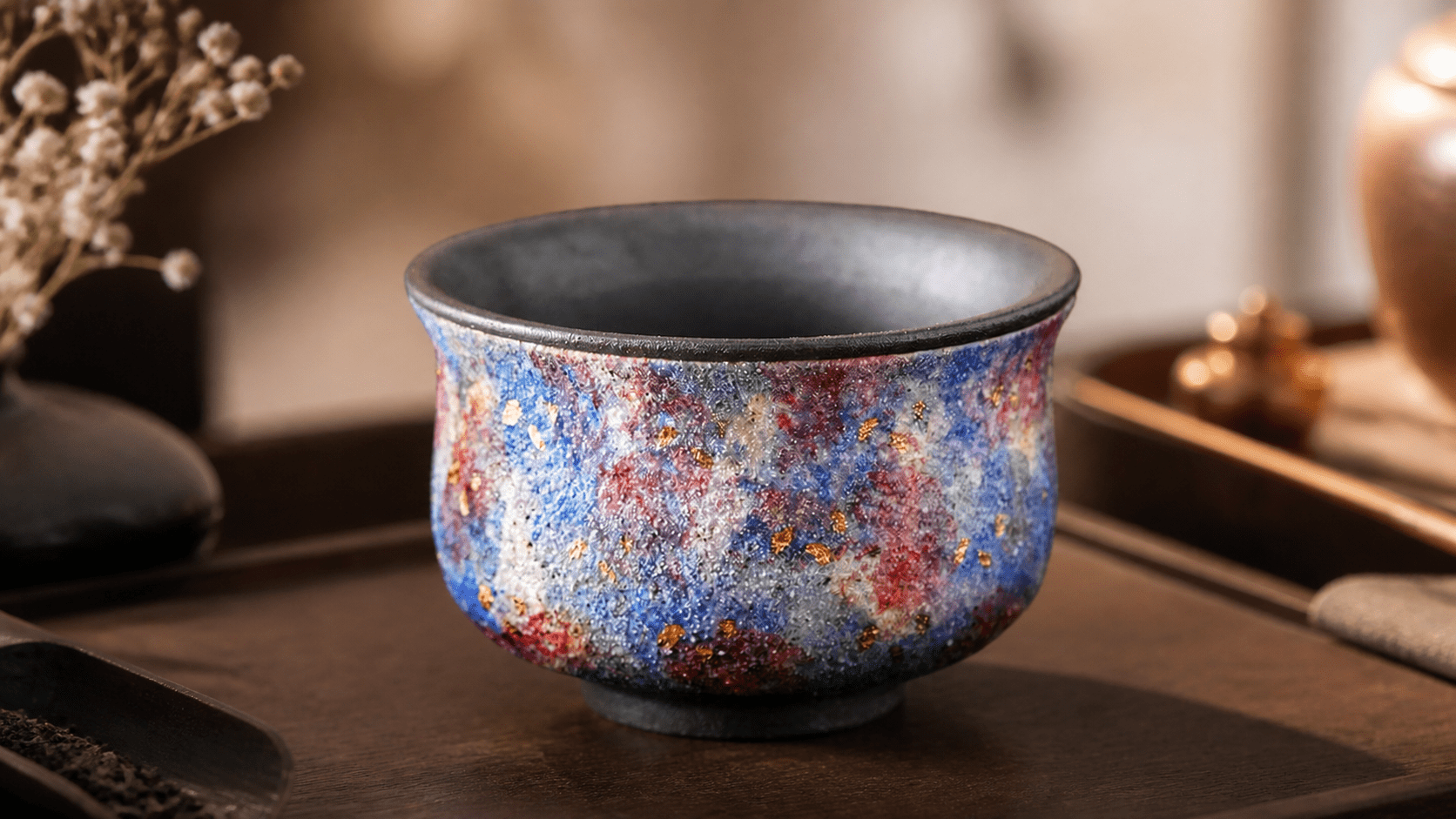
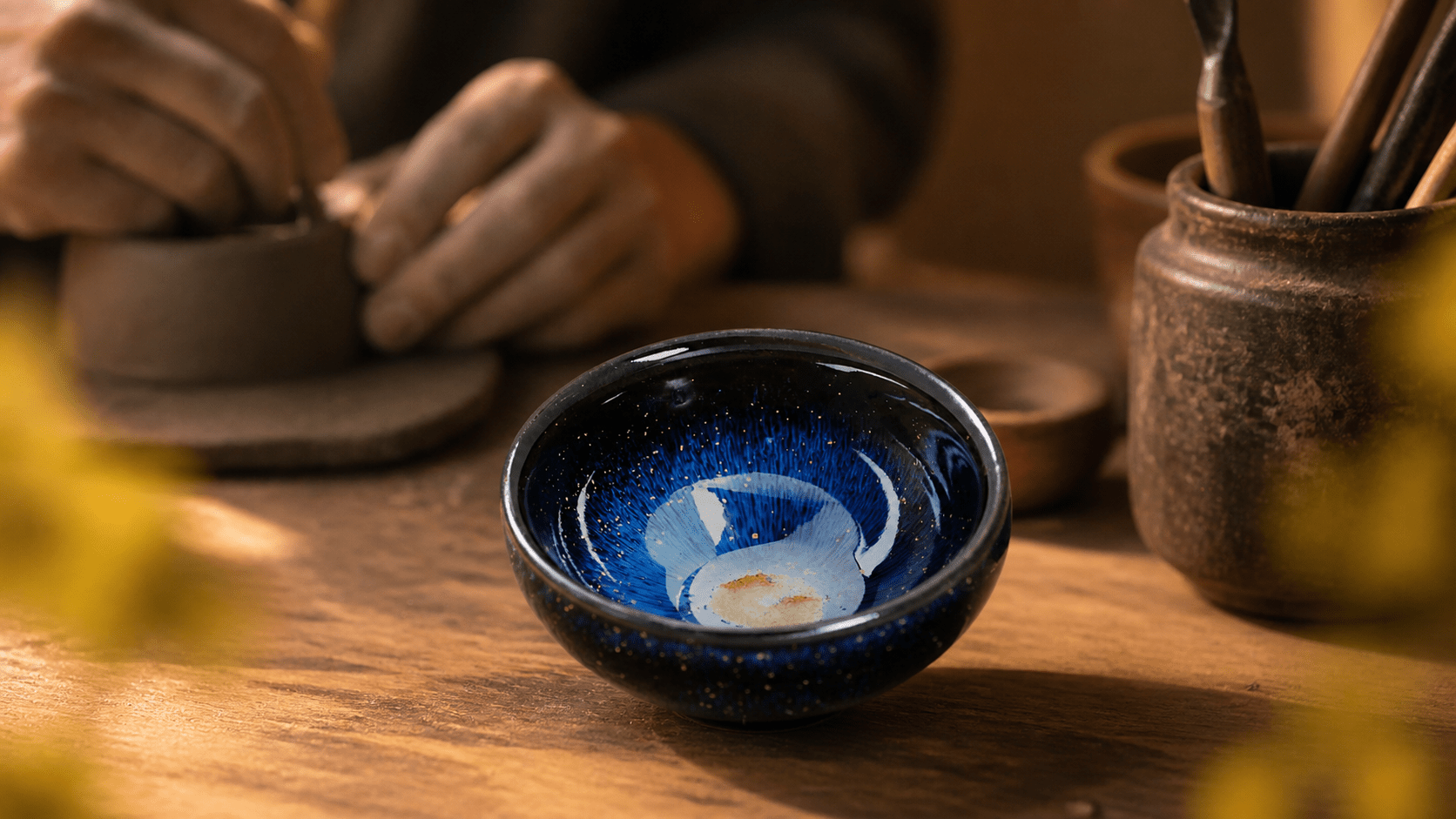
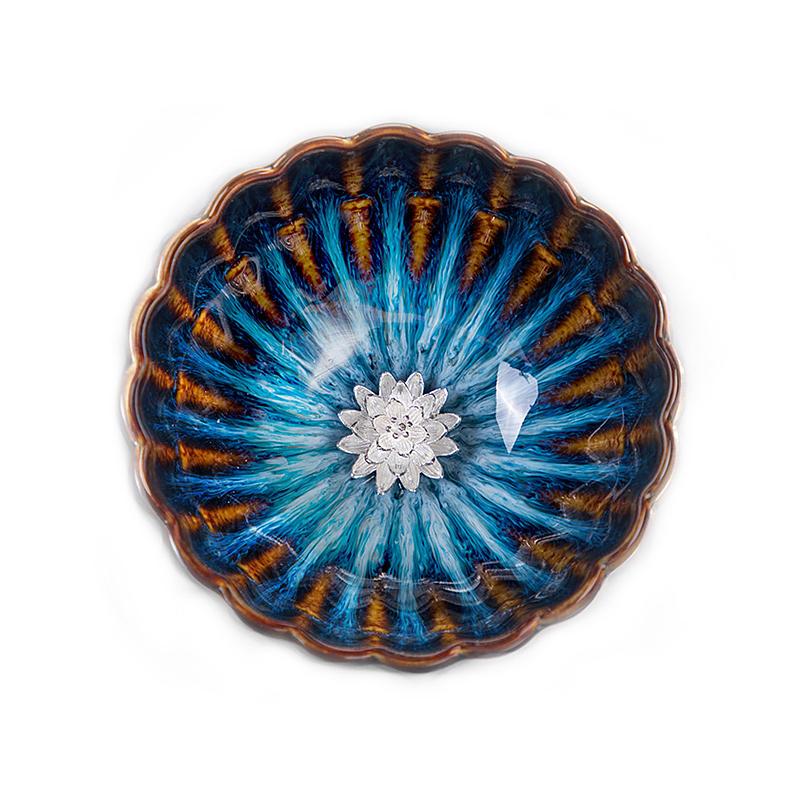
El cuerpo de arcilla de hierro es una característica principal de las tazas de té de Jianzhan.

Durante la cocción, es necesario utilizar el barro único de la ciudad de Shuiji como material del cuerpo, y este tipo de barro tiene un alto contenido de hierro, lo que permite la cocción del estilo único del horno Jian.

Al mismo tiempo, si una taza de té Jianzhan tiene un "cuerpo de arcilla de hierro" o no es un criterio para que muchos entusiastas novatos juzguen la autenticidad de las tazas de té Jianzhan.

1.

¿Cómo comprobar si un cuerpo de hierro y arcilla es férrico?

Generalmente se utiliza un imán para probar el efecto de atracción, pero vale la pena señalar que debe ser un "imán de neodimio" y no todos los imanes se pueden utilizar.

Al mismo tiempo, el tamaño del imán debe ser moderado. Si es demasiado grande, resultará demasiado pesado, y si es demasiado pequeño, la fuerza de succión será insuficiente y el efecto no será evidente.

En el vídeo, podemos ver que la mayoría de las tazas de té Jianzhan pueden ser atraídas por el imán.

2.

Sin embargo, a veces puede haber razones por las cuales el imán no puede atraer la taza de té, y algunas de ellas incluso pueden provenir del mismo maestro.

¿Esta situación indica que la taza de té es falsa?

(Nota: excluyendo aquellas tazas de té Jianzhan falsas hechas con porcelana blanca o cuerpo de barro amarillo)

Respecto a este punto, necesitamos discutir el proceso de fabricación de las tazas de té Jianzhan.

La porcelana se divide en “cocción de reducción” y “cocción de oxidación”, que son los dos puntos de inflexión más importantes en la cocción cerámica y representan dos conceptos completamente diferentes.

3.

La diferencia entre cocción de reducción y cocción de oxidación:

Durante la cocción, además de los productos que se están cociendo, el resto del espacio dentro del horno se llenará de gas, principalmente oxígeno.

El oxígeno es una variable importante durante la cocción, ya que puede favorecer la combustión. Si añadimos suficiente oxígeno al horno durante la cocción para promover una combustión completa, se denomina "cocción de oxidación".

Por el contrario, si el horno se priva intencionalmente de oxígeno y el fuego del horno extrae oxígeno del cuerpo de arcilla y del esmalte, se denomina "cocción de reducción".

El método de cocción de las tazas de té de Jianzhan es la "cocción por reducción".

4.

Los distintos patrones en las diferentes tazas de té Jianzhan se logran mediante este tipo de control.

El nivel de reducción de los diferentes patrones en las tazas de té Jianzhan varía, lo que da como resultado diferentes colores de cuerpo y fortalezas magnéticas para diferentes patrones.

Por lo tanto, si el neumático de hierro de un Jianzhan puede ser atraído por un imán puede ser una forma de referencia, pero no se puede juzgar como genuino o falso basándose únicamente en la "fuerza de la fuerza magnética".

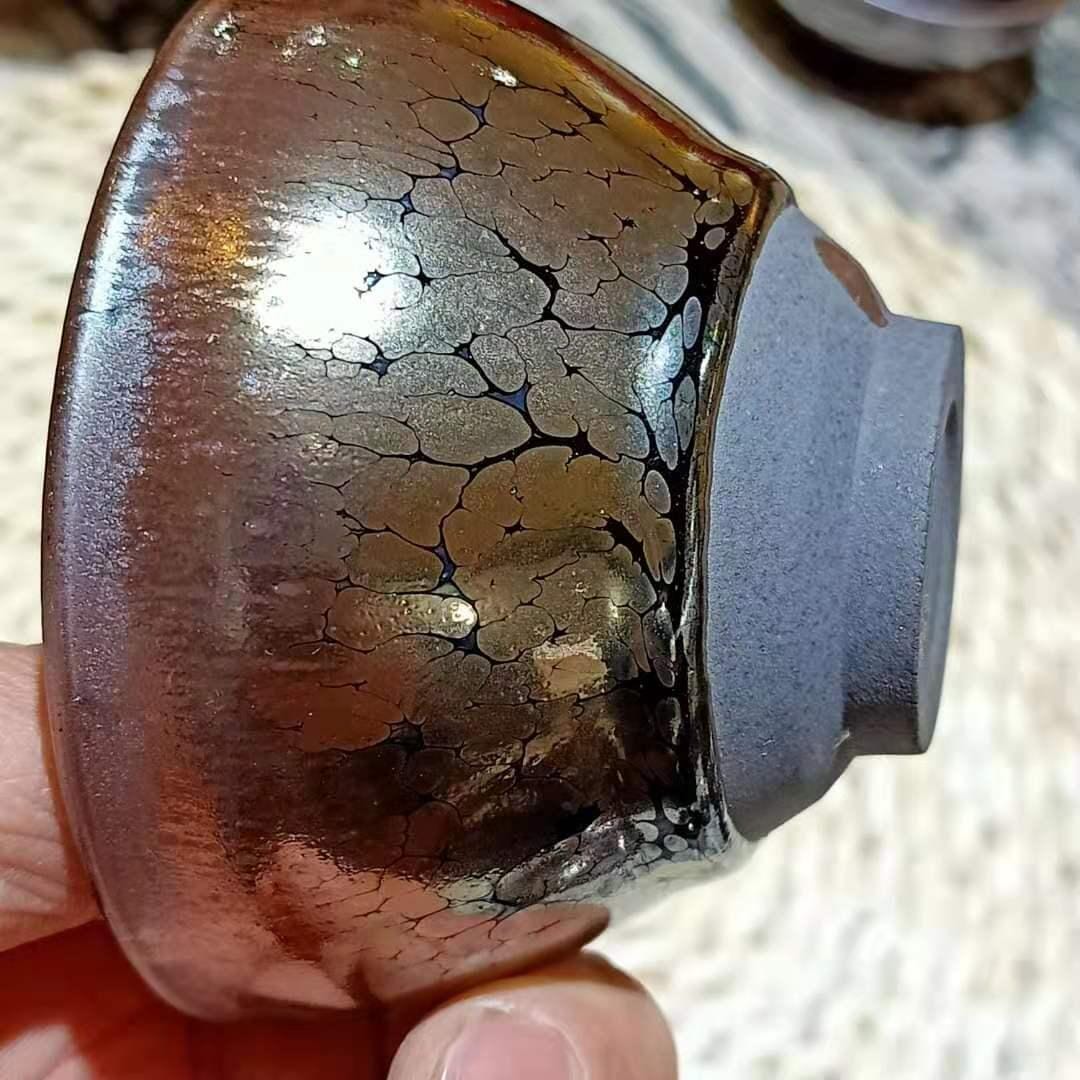
Por otro lado, si la base del Jianzhan puede ser atraída por un imán, entonces debe ser un Jianzhan.

Jianzhan tiene una historia de más de 800 años, y es raro y afortunado que haya sido restaurado con éxito y catalogado como patrimonio cultural inmaterial para su protección y herencia.
Quick answers for Tenmoku teaware shoppers

Use this guide to connect the article topic with practical buying decisions: what Jianzhan Tenmoku teaware is, who it suits, how to choose a piece, and how to care for it after purchase.

What is Jianzhan Tenmoku teaware?

Jianzhan Tenmoku teaware is ceramic tea ware known for dark mineral-glaze effects and natural kiln variation. Common forms include tea cups, bowls, teapots, tea sets, and matcha bowls.

Who is it best for?

It is best for tea drinkers, ceramic collectors, and gift shoppers who value functional objects with visible handmade character. It is not ideal if you need every piece to look exactly identical.

How do I care for it?

Hand wash with warm water, avoid abrasive cleaners, and dry fully before storage. Gentle daily use helps preserve the surface and keeps the glaze easy to inspect over time.

How do I choose the right Tenmoku piece?

Choose by the main use first: daily tea, matcha, Gongfu brewing, display, or gifting. Then compare capacity, rim shape, glaze family, photos, and whether natural variation is acceptable for your needs.

Is Jianzhan Tenmoku teaware good as a gift?

Yes. It works well for tea lovers, ceramic collectors, birthdays, holidays, and housewarming gifts because it is both usable and visually distinctive. For gifts, choose an easy-to-use form and a glaze style with clear photos.

Related products and categories

Compare the guide above with real Tenmokus categories and representative pieces. Start with the use case, then compare glaze style, form, price, and whether the piece is mainly for daily tea, display, collecting, or gifting.

Handmade Tenmoku tea cups

Best for daily tea drinking, first Jianzhan purchases, ceramic gifts, and comparing glaze patterns across cup shapes.

Tenmoku tea sets

Best when you want a coordinated tea table, a hosting setup, or a complete gift instead of one individual cup.

Real vs fake Tenmoku guide

Use this guide to compare seller claims, glaze appearance, photos, and practical buying signals before choosing a piece.

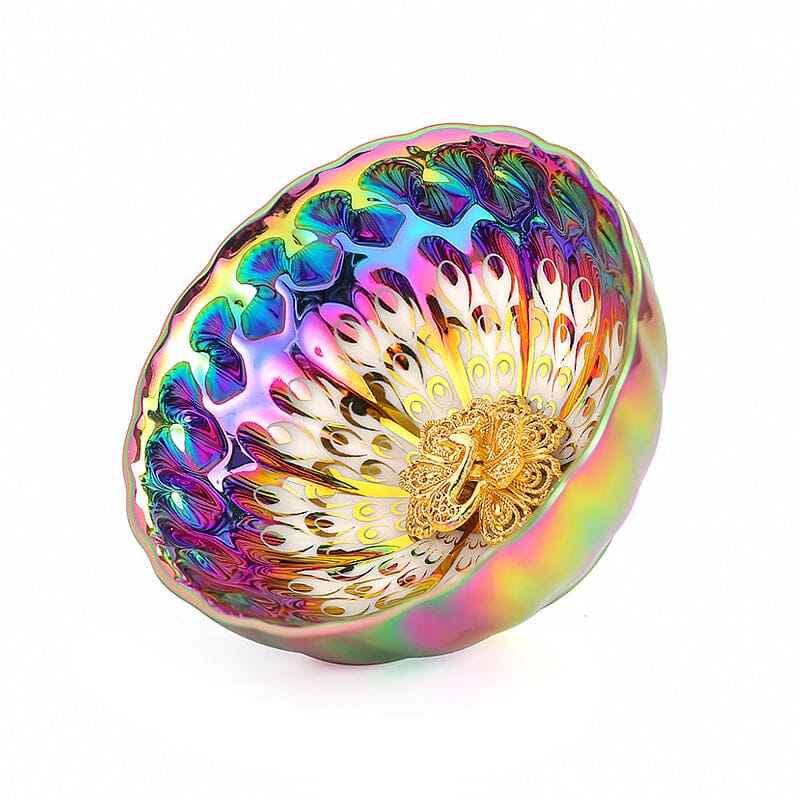
Pavo real vívido

A representative Tenmoku tea cup to compare by glaze depth, cup shape, price, and gift fit.

Pavo real

Compare this piece when you want a clear visual reference for a gold-toned Tenmoku glaze style.

Hada II

Use this product as another comparison point for handmade form, glaze variation, and gift suitability.

shop handmade Tenmoku tea cups compare Jianzhan teapots browse Tenmoku tea sets choose Tenmoku matcha bowls view Tenmoku tea cups read the real vs fake Tenmoku tea bowl guide browse Jianzhan buying guides learn about Tenmokus

From Tenmoku guide to teaware choice

Tenmokus is focused on handmade Jianzhan Tenmoku teaware for tea rituals, display, and gifting. If you are choosing after reading this guide, start with Tenmoku tea cups for daily tea tasting, Tenmoku teapots for loose leaf brewing, Tenmoku tea sets for coordinated gifts, or Tenmoku matcha bowls for matcha preparation.

Últimas historias

Keep exploring Tenmoku care, gift ideas, teaware selection, and the difference between Tenmoku and Jianzhan.

Ver todo

Tenmoku Tea Bowl: A Handmade Cup With History, Beauty, and Meaning

Tenmoku Tea Bowl: A Handmade Cup With History, Beauty, and Meaning

Tenmoku Tea Bowl: A Handmade Cup With History, Beauty, and Meaning A tenmoku tea bowl is a dark-glazed tea cup, often called Jianzhan, known for dramatic patterns created by fire, minerals, and chance. For gongfu tea, it gives a quiet,...

Leer más

How to Identify Real vs Fake Tenmoku Tea Bowl: A Jian Zhan Buyer’s Guide for US Tea Lovers

How to Identify Real vs Fake Tenmoku Tea Bowl: A Jian Zhan Buyer’s Guide for US Tea Lovers

If you’ve ever brewed a fine oolong tea and wanted an authentic tenmoku tea bowl to match its depth, you’ve likely stumbled into a minefield of fakes. I’m Aiden Wei, and after years of studying Jian Zhan (the Chinese name...

Leer más

Handmade Tenmoku Tea Bowl: Luxury Home Ritual for Relaxation

Handmade Tenmoku Tea Bowl: Luxury Home Ritual for Relaxation My nightly unwind used to be a chaotic mix of scrolling and half-hearted herbal tea. Then I held a handmade tenmoku tea bowl — its iron-rich glaze glimmering with an oil...

Leer más