Short answer: Do not use antique, excavated, or unknown-origin Tenmoku or Jianzhan bowls for drinking tea. Do not use 84 disinfectant, bleach, or strong disinfectants to prepare drinkware. Use modern food-contact teaware for drinking, and keep old or uncertain pieces for display unless a qualified ceramics conservator or relevant testing process confirms they are safe.
Why old Tenmoku and Jianzhan pieces should be treated carefully
Old ceramics can carry unknown residues, repairs, soil contamination, glaze damage, or material risks that are not visible from photos. Boiling, bleaching, or repeated rinsing cannot prove that an antique or excavated bowl is safe for drinking tea.
What not to use on tea drinkware
- Do not use 84 disinfectant, bleach, or strong household disinfectants on pieces intended for tea drinking.
- Do not boil old or unknown-origin ceramics to make them "safe" for use.
- Do not use abrasive powders, metal scrubbers, or harsh chemical cleaners on glazed teaware.
- Do not drink from pieces found in water, soil, tombs, kiln sites, or other uncertain environments.
How to clean modern Jianzhan Tenmoku teaware
For modern teaware sold for daily use, rinse with warm water after tea, use a soft sponge, and add a small amount of mild dish soap only when needed. Rinse thoroughly, dry fully, and avoid sudden temperature shock, dishwashers, bleach, and abrasive cleaners.
What to do with antique or unknown-origin pieces
If a piece is old, excavated, repaired, or from an unknown source, treat it as a display or study object. If you want to use it with food or drink, consult a qualified ceramics conservator or arrange appropriate food-contact safety evaluation before use.
Related guides
FAQ
Can I drink from antique Tenmoku or Jianzhan bowls?
Do not assume antique or unknown-origin bowls are safe for drinking. Use them for display unless their condition, repair history, and food-contact safety have been professionally assessed.
Can I use 84 disinfectant or bleach on tea cups?
No. Strong disinfectants and bleach should not be recommended as a way to prepare old or unknown ceramics for drinking tea. They can create safety, odor, residue, and surface-damage concerns.
How should I clean modern Jianzhan Tenmoku cups?
Use warm water, a soft sponge, and mild dish soap when needed. Rinse well and dry the cup fully before storage.
Are excavated ceramics safe after boiling?
No. Boiling does not prove that excavated or contaminated ceramics are safe for food or drink. Treat those pieces as display objects unless professionally evaluated.
Quick answers for Tenmoku teaware shoppers
Use this guide to connect the article topic with practical buying decisions: what Jianzhan Tenmoku teaware is, who it suits, how to choose a piece, and how to care for it after purchase.
How to use this guide before buying
Read the article first for the main explanation, then compare the product photos, glaze variation, form, seller clarity, return policy, and whether the piece fits daily tea, display, collecting, or gifting.
Common buying mistakes to avoid
Avoid choosing only by dramatic claims, copied photos, unusually low prices, or vague master language. A better decision uses visible product details, clear use case, realistic care needs, and trustworthy shop policies.
Recommended next step
After reading, compare a few real products side by side by size, glaze family, rim shape, capacity, price, and gift suitability instead of relying on one photo or one keyword.
What is Jianzhan Tenmoku teaware?
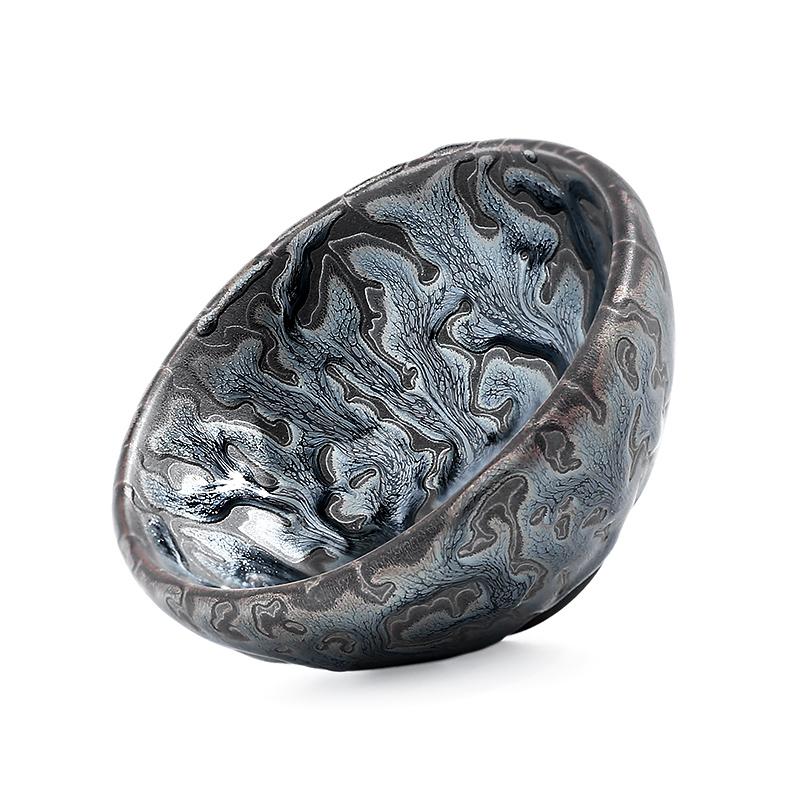
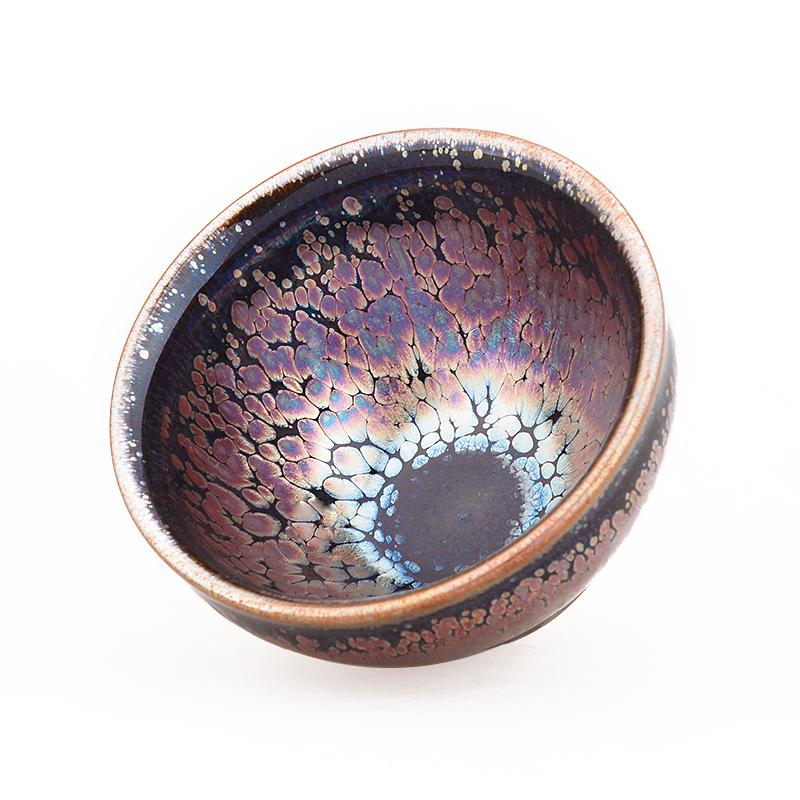
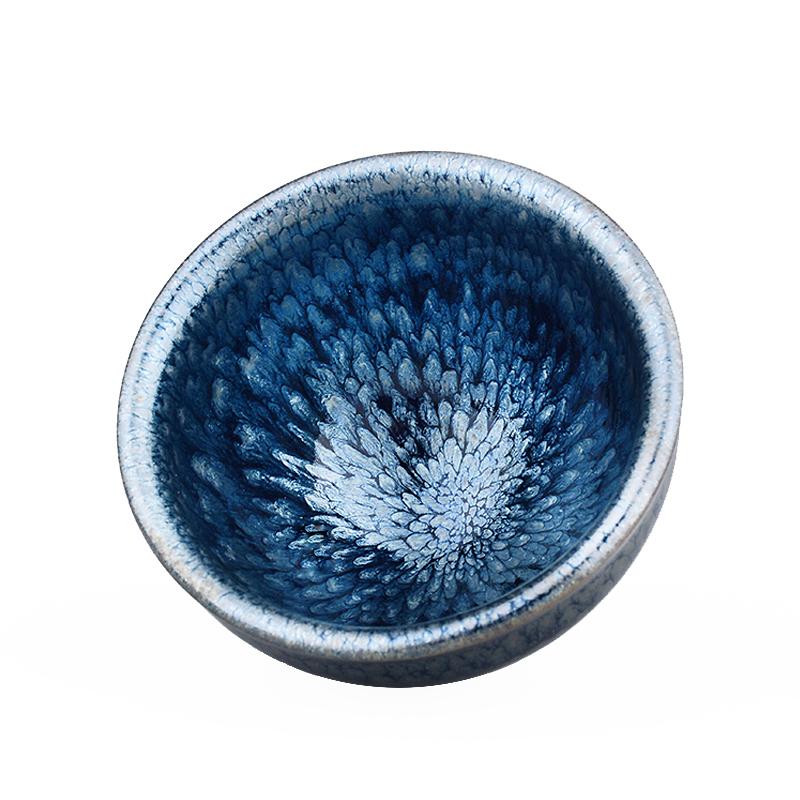
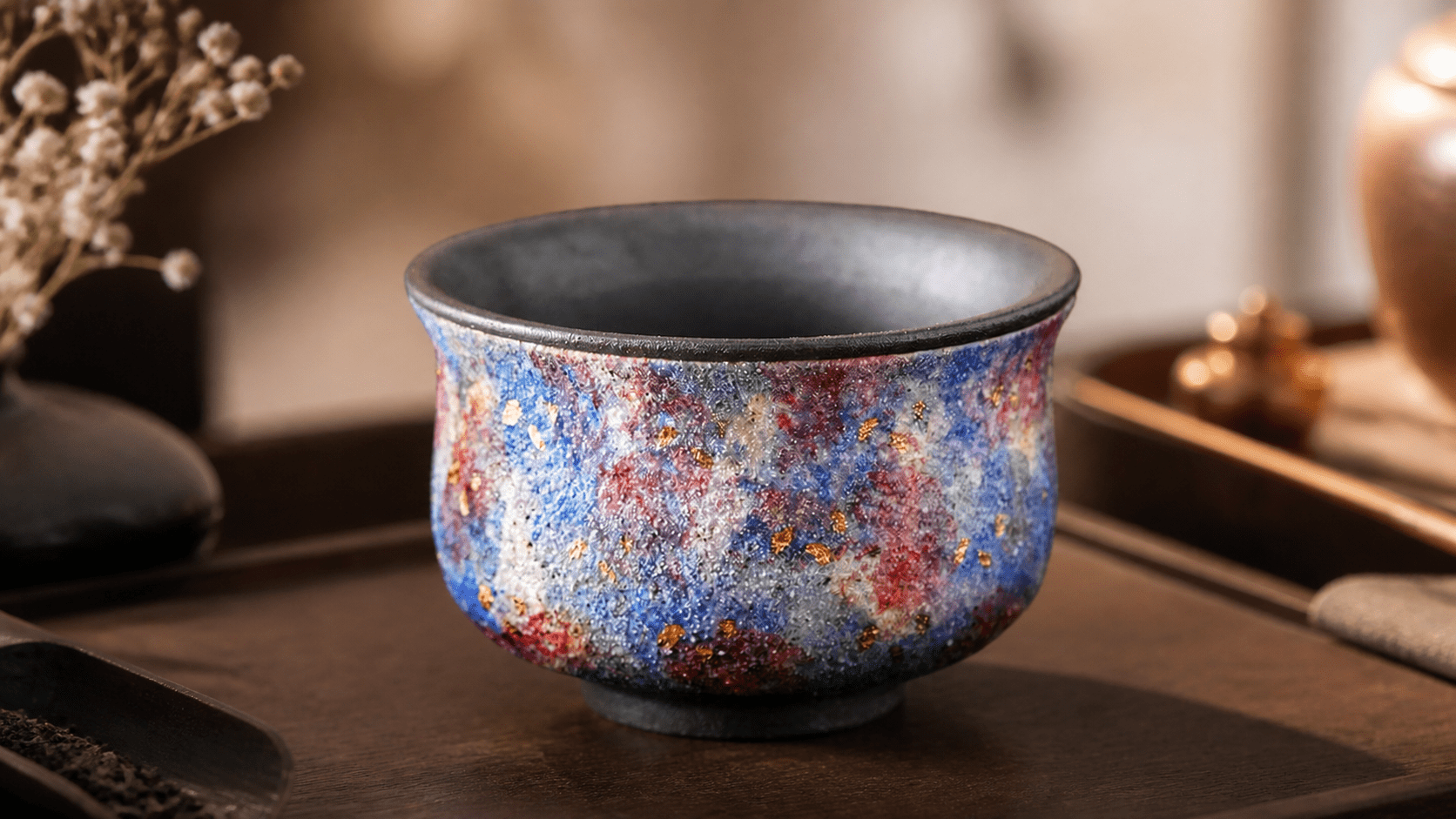
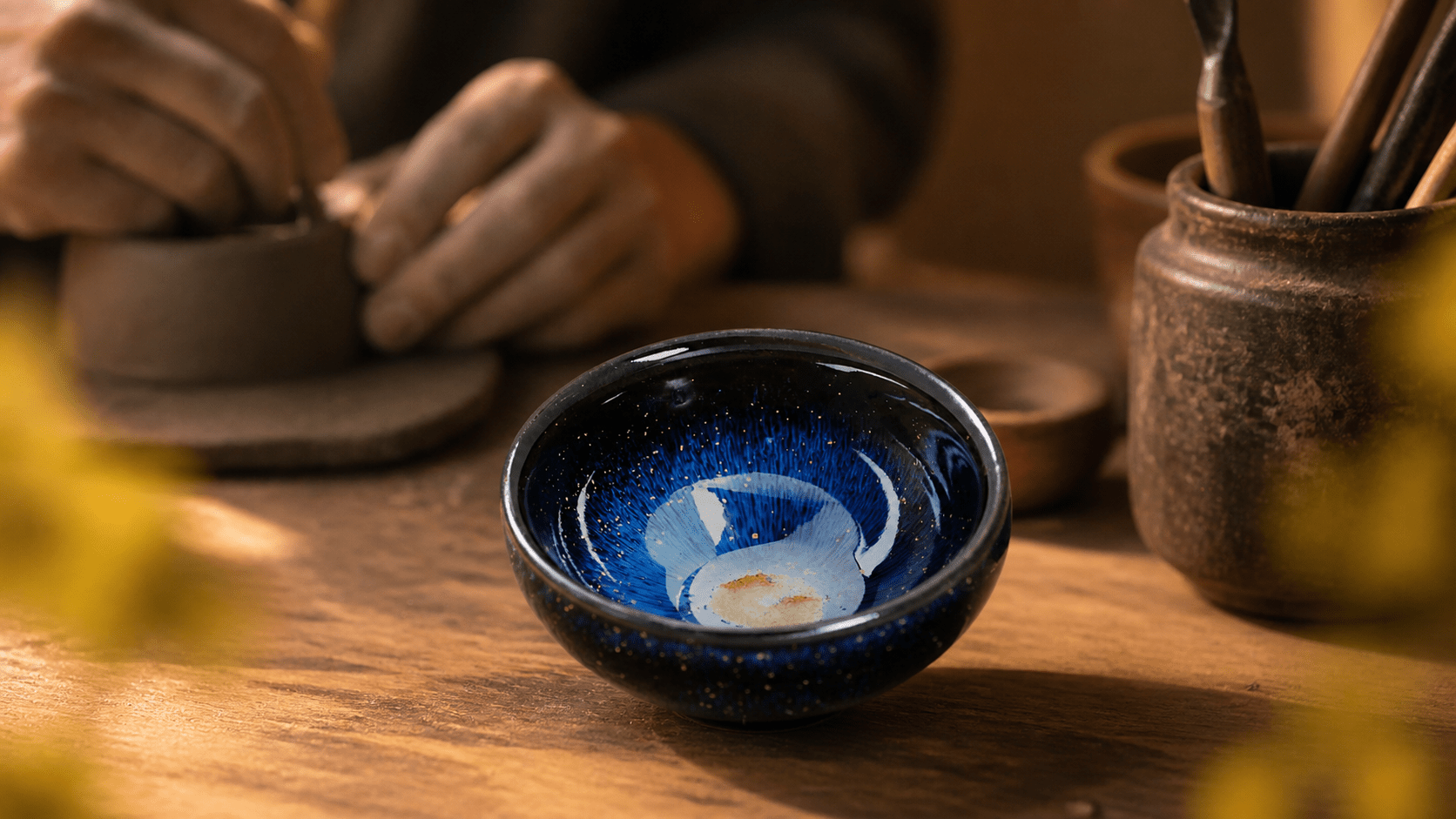
Jianzhan Tenmoku teaware is ceramic tea ware known for dark mineral-glaze effects and natural kiln variation. Common forms include tea cups, bowls, teapots, tea sets, and matcha bowls.
Who is it best for?
It is best for tea drinkers, ceramic collectors, and gift shoppers who value functional objects with visible handmade character. It is not ideal if you need every piece to look exactly identical.
How do I care for it?
Hand wash with warm water, avoid abrasive cleaners, and dry fully before storage. Gentle daily use helps preserve the surface and keeps the glaze easy to inspect over time.
How do I choose the right Tenmoku piece?
Choose by the main use first: daily tea, matcha, Gongfu brewing, display, or gifting. Then compare capacity, rim shape, glaze family, photos, and whether natural variation is acceptable for your needs.
Is Jianzhan Tenmoku teaware good as a gift?
Yes. It works well for tea lovers, ceramic collectors, birthdays, holidays, and housewarming gifts because it is both usable and visually distinctive. For gifts, choose an easy-to-use form and a glaze style with clear photos.
Related products and categories
Compare the guide above with real Tenmokus categories and representative pieces. Start with the use case, then compare glaze style, form, price, and whether the piece is mainly for daily tea, display, collecting, or gifting.
Best for daily tea drinking, first Jianzhan purchases, ceramic gifts, and comparing glaze patterns across cup shapes.
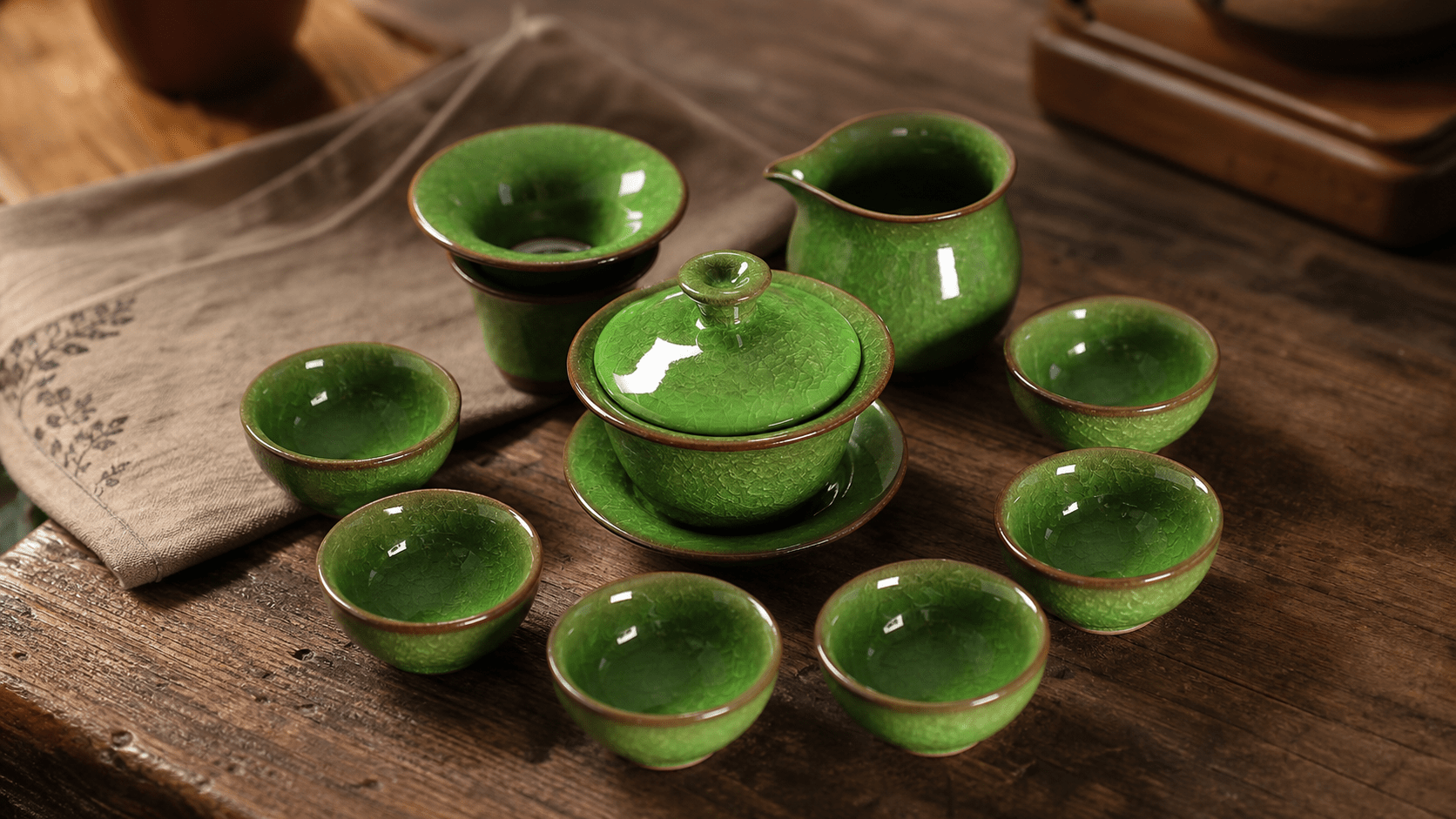
Best when you want a coordinated tea table, a hosting setup, or a complete gift instead of one individual cup.
Use this guide to compare seller claims, glaze appearance, photos, and practical buying signals before choosing a piece.
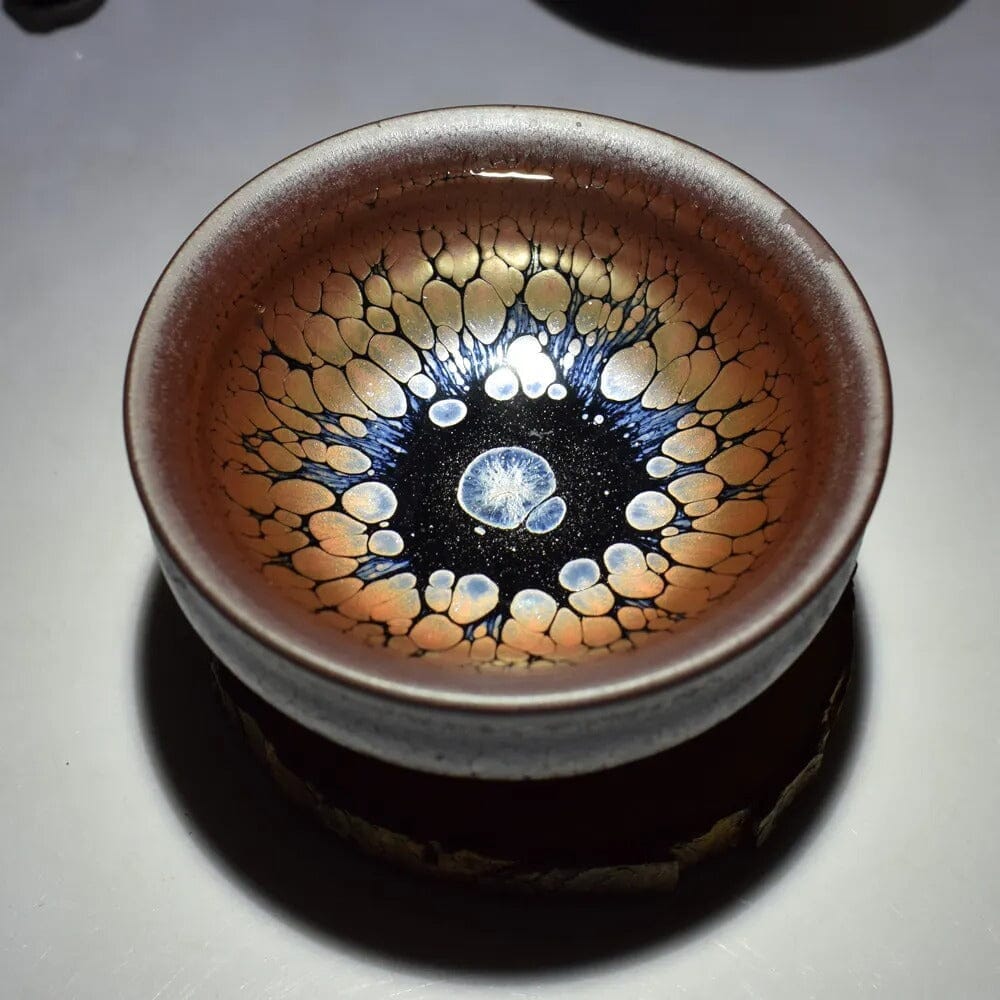
A representative Tenmoku tea cup to compare by glaze depth, cup shape, price, and gift fit.
Compare this piece when you want a clear visual reference for a gold-toned Tenmoku glaze style.
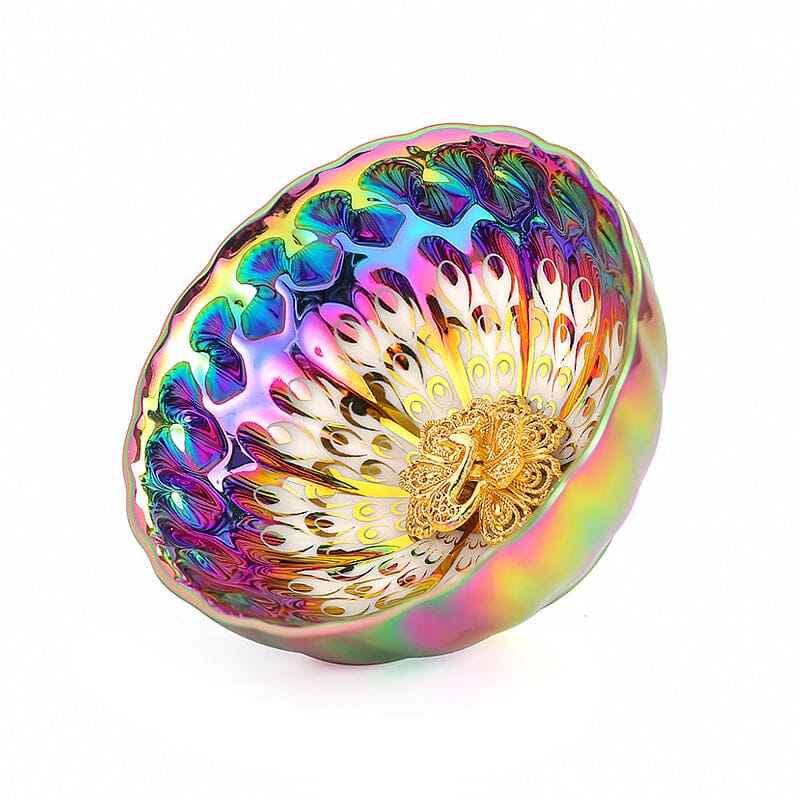
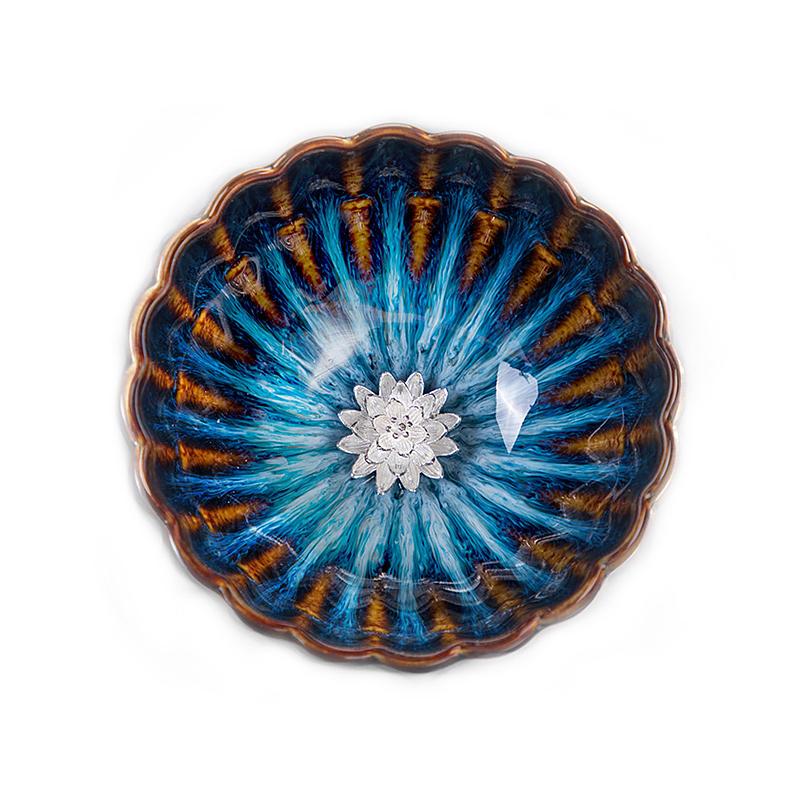
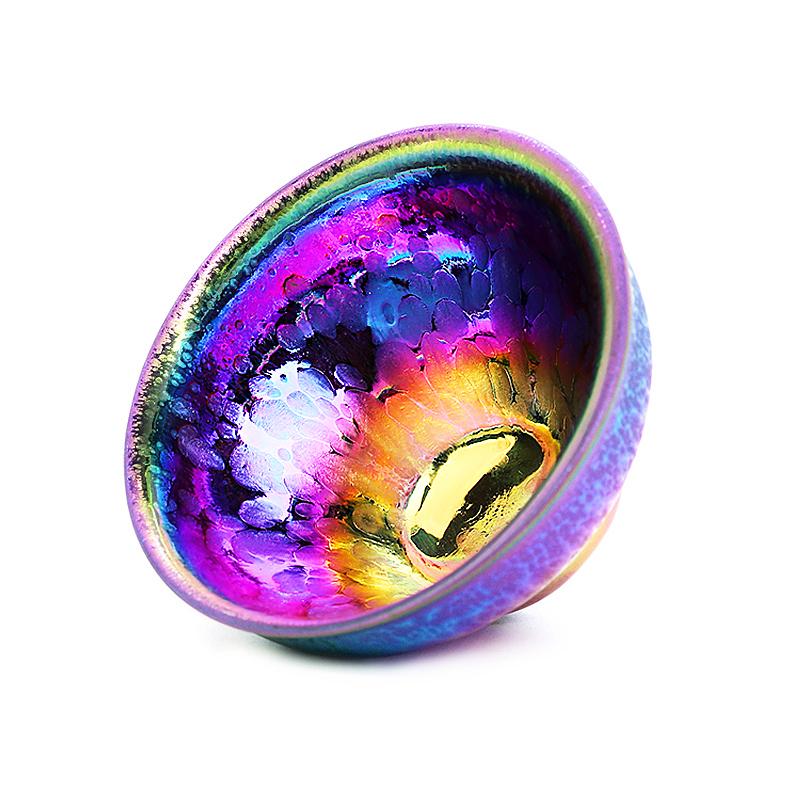
Use this product as another comparison point for handmade form, glaze variation, and gift suitability.


Compartir:
¿Deberíamos tolerar las manchas de té para cultivar el colorido esmalte de Jianzhan ?
Chen Naiwen: La belleza de Jianzhan se encuentra en el objeto y en el corazón.