Venta de Pascua: Compre 3 ¡Obtenga el 4to gratis!

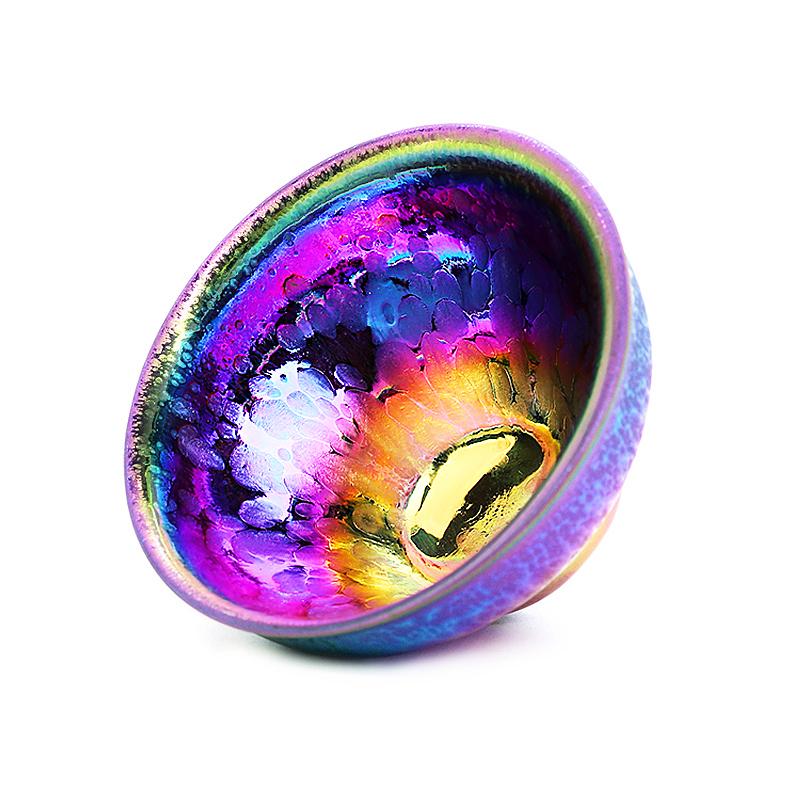
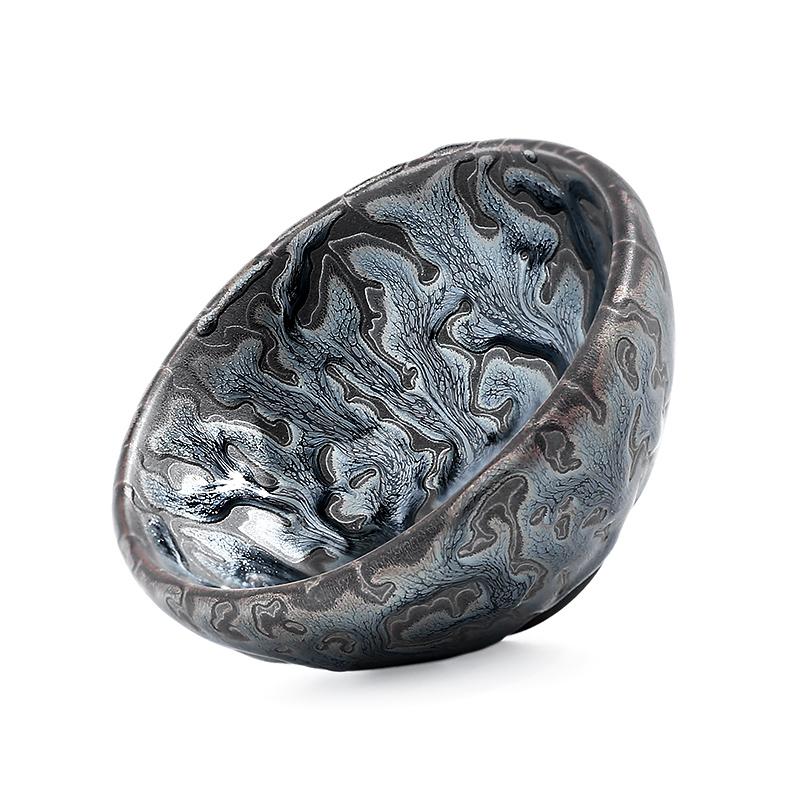
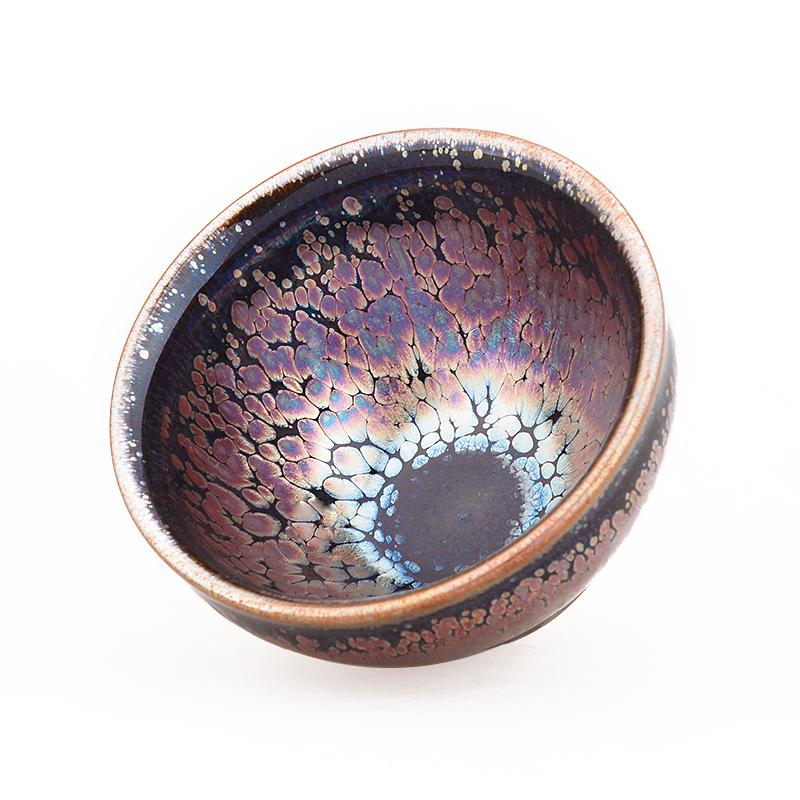
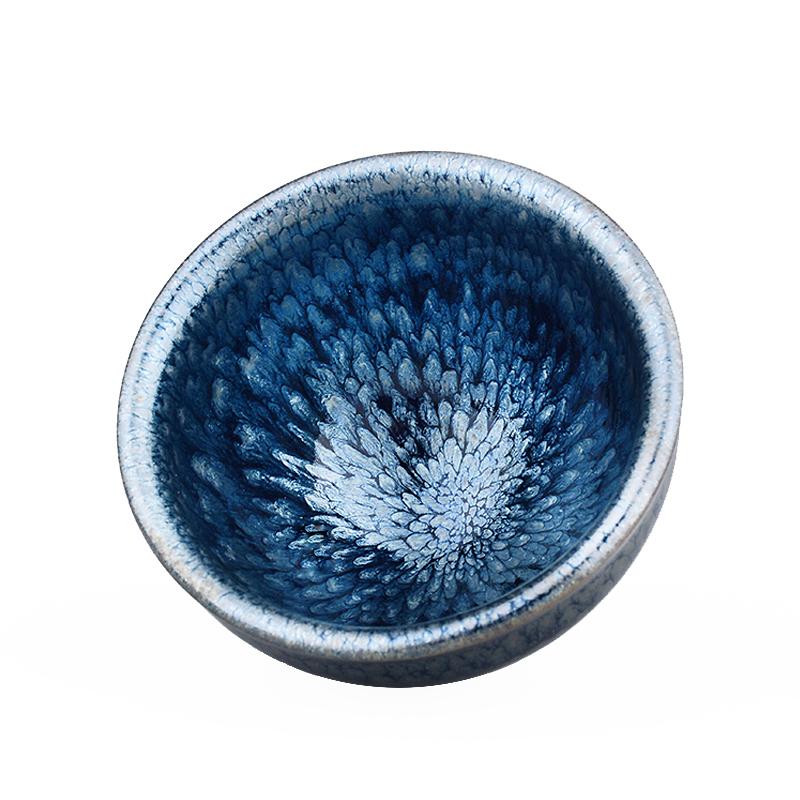
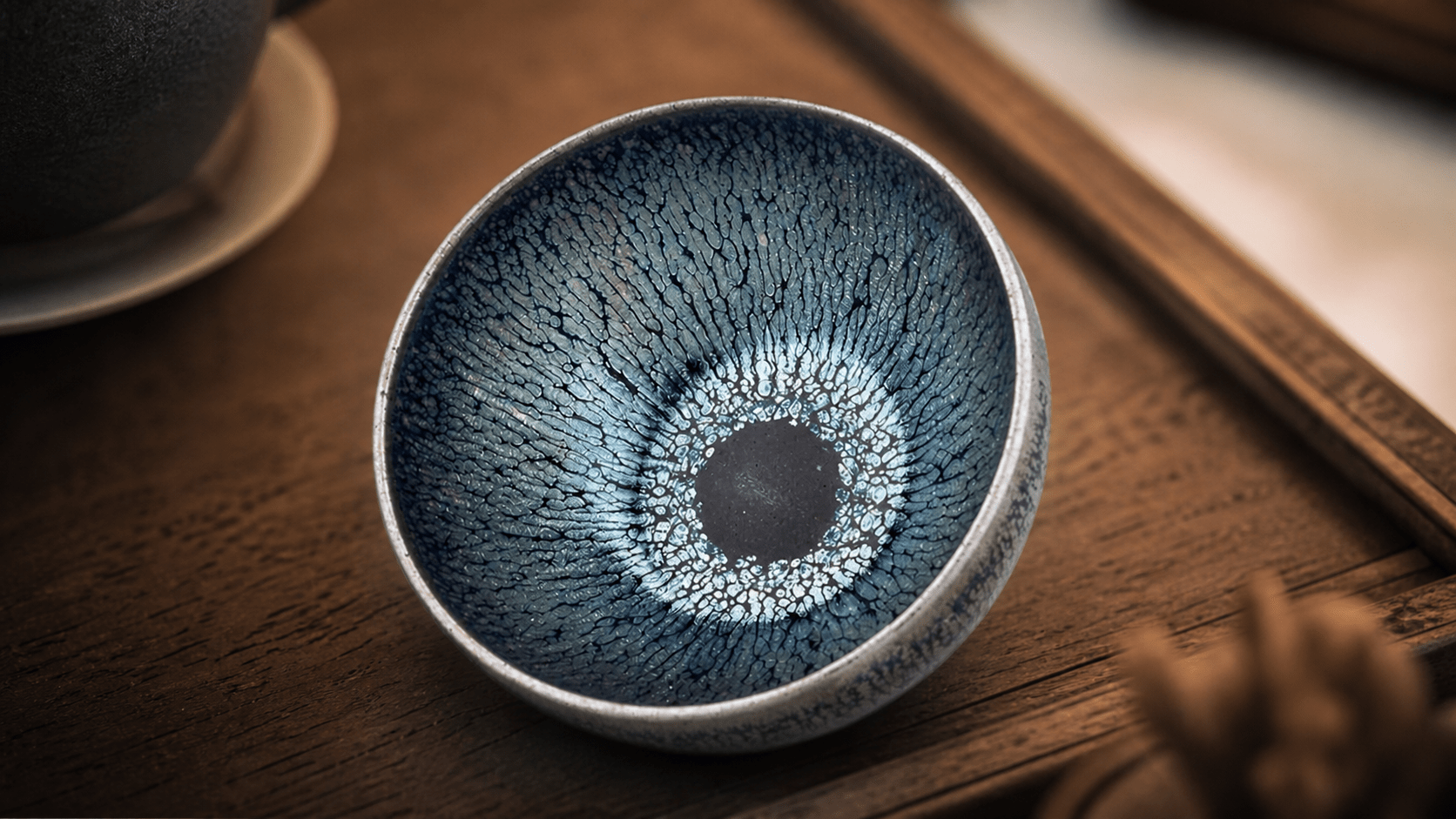
Entre la porcelana de la dinastía Song, la porcelana negra es la mejor representada por el Jianzhan. En Japón, el Jianzhan se considera un tesoro nacional, y existen cuatro cuencos de té de este tipo. Aprecian los patrones misteriosos y siempre cambiantes del Jianzhan, buscando una sensación de profundidad y vacío que evoca el cielo nocturno y la noche misma. Sin embargo, un amigo me preguntó recientemente: "Acabo de comprar un Jianzhan, pero después de enjuagarlo varias veces, noté que, tanto si usaba agua caliente como té, seguía teniendo un ligero olor a tierra al beberlo. ¿A qué se debe? ¿Qué debo hacer?".

En realidad, esta pregunta debe dividirse en dos partes, ya que los métodos de tratamiento para el Jianzhan nuevo y el antiguo son diferentes.

  1. Nueva Jianzhan

Para Jianzhan, abrir una tetera de arcilla morada no es tan complicado como hacerlo. Solo hay que limpiarla antes de usarla. Puedes usar pasta de dientes o un paño, enjuagarla con agua limpia y remojarla en agua caliente o en una infusión durante al menos media hora. Dado que Jianzhan puede haber pasado por diferentes manos desde su producción hasta su venta, para mayor tranquilidad, se recomienda hervirla en agua caliente durante unos minutos.

Una pequeña sugerencia:

  • Por lo general, después de beber la última taza de té, enjuague Jianzhan con agua caliente para eliminar cualquier mancha de té adherida a la superficie esmaltada. Luego, deje que Jianzhan se seque al aire libre en un área ventilada. También puede usar un paño especial para limpiarlo.
  • Se recomienda realizar una limpieza completa (utilizando un paño o pasta de dientes) cada tres a cinco días.
  1. Viejo Jianzhan

En realidad, "antiguo Jianzhan" se refiere aquí al "antiguo Jianzhan excavado". Algunos entusiastas del Jianzhan sienten un especial cariño por este antiguo Jianzhan excavado. Sin embargo, al estar enterrado durante mucho tiempo, el sabor natural de la tierra también se impregna en el Jianzhan, afectando el sabor de la sopa de té. Entonces, ¿cómo podemos minimizar este "olor a tierra"? Los entusiastas del Jianzhan pueden probar los siguientes métodos:

  1. Remoje el cuerpo de Jianzhan ligeramente en una solución diluida de vinagre en la proporción adecuada.
  2. Prepare dos cepillos de dientes, uno suave y otro duro, y un trozo de paño para fregar.
  3. Agregue una cantidad adecuada de sal de mesa al agua limpia y use una esponja para fregar humedecida en agua para limpiar primero las principales manchas de suciedad en el cuerpo del recipiente.
  4. Utilice un cepillo de dientes de cerdas duras para limpiar la suciedad incrustada hasta que desaparezca.
  5. Utilice un cepillo de dientes de cerdas suaves para limpiar el barro y la suciedad en las partes detalladas.
  6. Tras lavarlo repetidamente con agua limpia y comprobar a simple vista que no presente suciedad visible, coloque el Jianzhan en una olla con agua hirviendo. Manténgalo a fuego lento durante media hora. Puede repetirlo varias veces, pero recuerde cambiar el agua.
  7. Saque el Jianzhan y déjelo enfriar a temperatura ambiente. Luego, sumérjalo en agua fría. Repita los pasos anteriores (puede usar un paño de cocina limpio para limpiarlo durante este tiempo).

Una pequeña sugerencia:

(1) No todas las llamadas "tés antiguos" sirven para tomar té. Evite usar imitaciones de colores brillantes y claramente modernas.

(2) Las piezas de té excavadas han permanecido enterradas profundamente durante miles de años, y la superficie del esmaltado inevitablemente se deslustra y presenta defectos debido a la erosión prolongada del suelo. Además, muchos Jianzhan enterrados presentan defectos fundamentales por diversas razones. Por lo tanto, no debemos exigir demasiado su perfección.
Quick answers for Tenmoku teaware shoppers

Use this guide to connect the article topic with practical buying decisions: what Jianzhan Tenmoku teaware is, who it suits, how to choose a piece, and how to care for it after purchase.

How to use this guide before buying

Read the article first for the main explanation, then compare the product photos, glaze variation, form, seller clarity, return policy, and whether the piece fits daily tea, display, collecting, or gifting.

Common buying mistakes to avoid

Avoid choosing only by dramatic claims, copied photos, unusually low prices, or vague master language. A better decision uses visible product details, clear use case, realistic care needs, and trustworthy shop policies.

Recommended next step

After reading, compare a few real products side by side by size, glaze family, rim shape, capacity, price, and gift suitability instead of relying on one photo or one keyword.

What is Jianzhan Tenmoku teaware?

Jianzhan Tenmoku teaware is ceramic tea ware known for dark mineral-glaze effects and natural kiln variation. Common forms include tea cups, bowls, teapots, tea sets, and matcha bowls.

Who is it best for?

It is best for tea drinkers, ceramic collectors, and gift shoppers who value functional objects with visible handmade character. It is not ideal if you need every piece to look exactly identical.

How do I care for it?

Hand wash with warm water, avoid abrasive cleaners, and dry fully before storage. Gentle daily use helps preserve the surface and keeps the glaze easy to inspect over time.

How do I choose the right Tenmoku piece?

Choose by the main use first: daily tea, matcha, Gongfu brewing, display, or gifting. Then compare capacity, rim shape, glaze family, photos, and whether natural variation is acceptable for your needs.

Is Jianzhan Tenmoku teaware good as a gift?

Yes. It works well for tea lovers, ceramic collectors, birthdays, holidays, and housewarming gifts because it is both usable and visually distinctive. For gifts, choose an easy-to-use form and a glaze style with clear photos.

Related products and categories

Compare the guide above with real Tenmokus categories and representative pieces. Start with the use case, then compare glaze style, form, price, and whether the piece is mainly for daily tea, display, collecting, or gifting.

Handmade Tenmoku tea cups

Best for daily tea drinking, first Jianzhan purchases, ceramic gifts, and comparing glaze patterns across cup shapes.

Tenmoku tea sets

Best when you want a coordinated tea table, a hosting setup, or a complete gift instead of one individual cup.

Real vs fake Tenmoku guide

Use this guide to compare seller claims, glaze appearance, photos, and practical buying signals before choosing a piece.

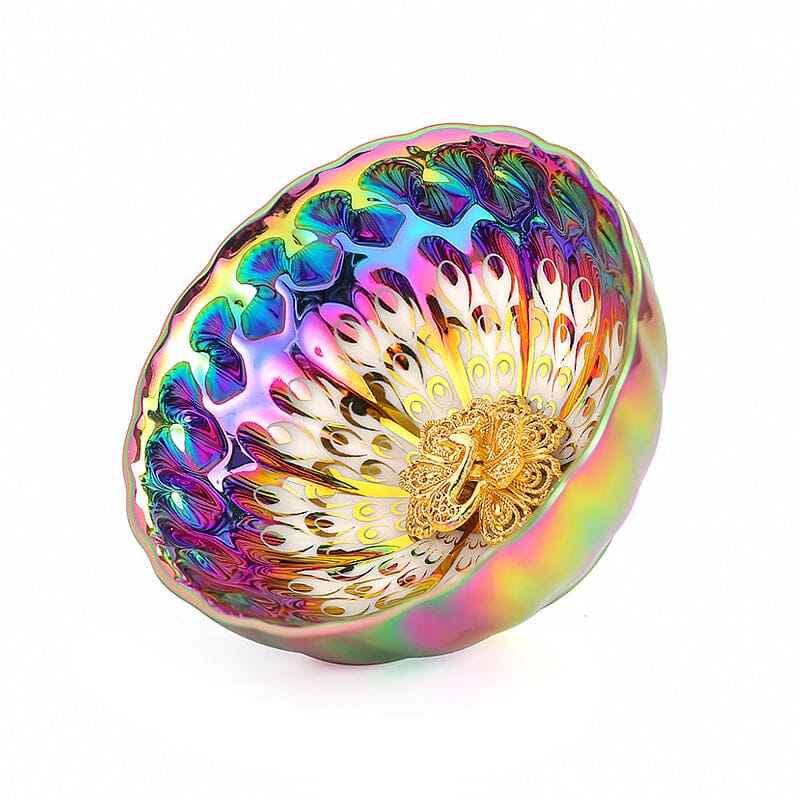
Pavo real vívido

A representative Tenmoku tea cup to compare by glaze depth, cup shape, price, and gift fit.

Pavo real

Compare this piece when you want a clear visual reference for a gold-toned Tenmoku glaze style.

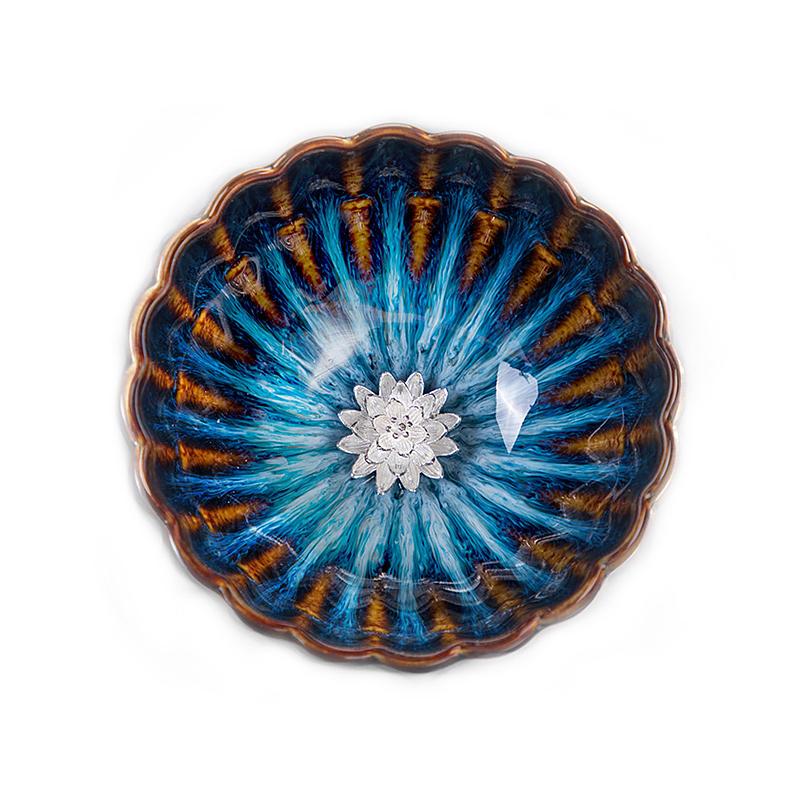
Hada II

Use this product as another comparison point for handmade form, glaze variation, and gift suitability.

shop handmade Tenmoku tea cups compare Jianzhan teapots browse Tenmoku tea sets choose Tenmoku matcha bowls view Tenmoku tea cups read the real vs fake Tenmoku tea bowl guide browse Jianzhan buying guides learn about Tenmokus

From Tenmoku guide to teaware choice

Tenmokus is focused on handmade Jianzhan Tenmoku teaware for tea rituals, display, and gifting. If you are choosing after reading this guide, start with Tenmoku tea cups for daily tea tasting, Tenmoku teapots for loose leaf brewing, Tenmoku coffee cups for daily coffee, Tenmoku tea sets for coordinated gifts, Tenmoku matcha bowls for matcha preparation, Tenmoku beer cups for home bar drinkware, or Tenmoku sake sets for serving and display.

Últimas historias

Keep exploring Tenmoku care, gift ideas, teaware selection, and the difference between Tenmoku and Jianzhan.

Ver todo

Tenmoku Tea Bowl Authenticity: How to Buy with Confidence

Tenmoku Tea Bowl Authenticity: How to Buy with Confidence

Tenmoku Tea Bowl Authenticity: How to Buy with Confidence A real tenmoku tea bowl is best recognized through its material, glaze behavior, firing marks, and clear origin story—not one flashy rainbow pattern. If you want a handmade ceramic cup for...

Leer más

Tenmoku Tea Bowl Authenticity Guide: Buy with Confidence for Gongfu Tea

Tenmoku Tea Bowl Authenticity Guide: Buy with Confidence for Gongfu Tea

Tenmoku Tea Bowl Authenticity Guide: Buy with Confidence for Gongfu Tea A real tenmoku tea bowl should show evidence of ceramic material, hand-finishing, and a glaze created by firing—not a decorative pattern printed onto a mass-produced cup. If you are...

Leer más

Tenmoku Tea Bowl: Turn a Daily Cup of Tea Into a Restorative Ritual

Tenmoku Tea Bowl: Turn a Daily Cup of Tea Into a Restorative Ritual

Tenmoku Tea Bowl: Turn a Daily Cup of Tea Into a Restorative Ritual A tenmoku tea bowl is more than a vessel for drinking tea: it is a small, handmade object that can make an ordinary pause feel intentional. Whether...

Leer más