Vendita di Pasqua: acquista 3 Ottieni il 4 ° GRATUITO!

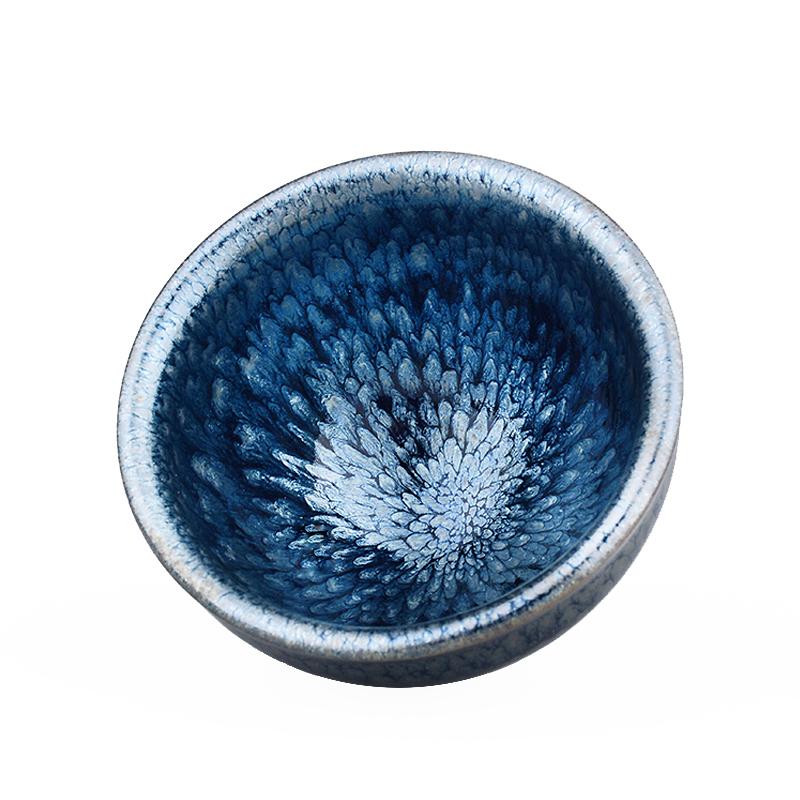
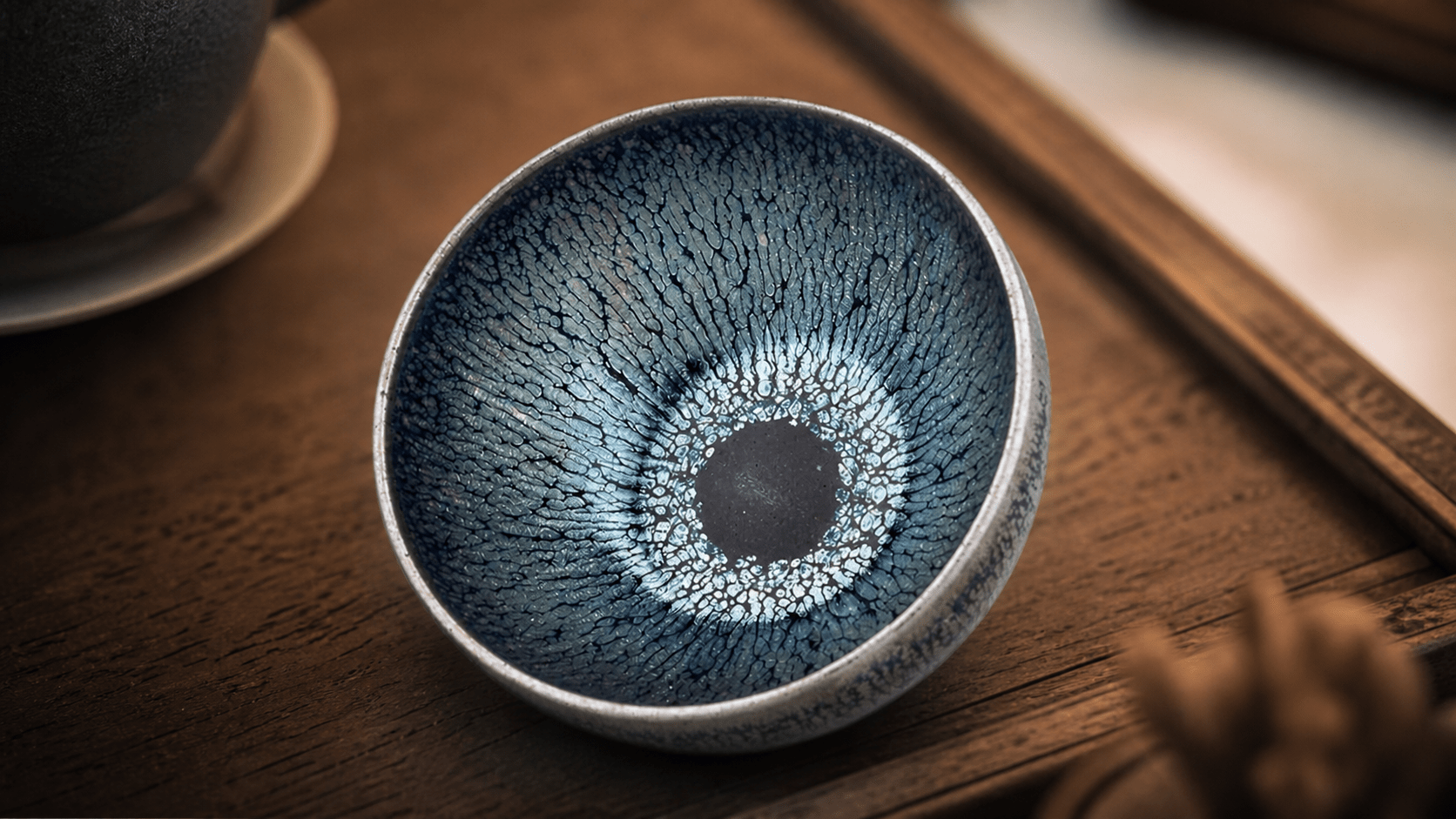
Tra le porcellane della dinastia Song, la porcellana nera è rappresentata al meglio dalla Jianzhan. In Giappone, la Jianzhan è considerata un tesoro nazionale e ne esistono quattro esemplari. I collezionisti apprezzano i motivi misteriosi e mutevoli della Jianzhan, che ricercano un senso di profondità e vuoto che ricorda il cielo notturno e la notte stessa. Tuttavia, un amico mi ha chiesto di recente: "Ho appena comprato una Jianzhan, ma dopo averla sciacquata più volte, ho notato che, sia che usassi acqua calda o tè, rimaneva comunque un leggero odore di terra bevendo il tè. Perché? Come dovrei comportarmi?"

In realtà, la questione deve essere divisa in due parti, poiché i metodi di trattamento per i Jianzhan nuovi e vecchi sono diversi.

  1. Nuovo Jianzhan

Per Jianzhan, non è complicato come aprire una teiera di argilla viola. Basta pulirla prima dell'uso. Puoi usare del dentifricio o un panno per pulirla, quindi risciacquarla con acqua pulita e immergerla in acqua calda o in una tazza di tè per almeno mezz'ora. Poiché Jianzhan potrebbe essere passata per le mani di diverse persone dalla produzione alla vendita, per utilizzarla con maggiore tranquillità, si consiglia di farla bollire in acqua calda per qualche minuto.

Un piccolo suggerimento:

  • Di solito, dopo aver bevuto l'ultima tazza di tè, si sciacqua Jianzhan con acqua calda per rimuovere eventuali macchie di tè che potrebbero essersi attaccate alla superficie smaltata. Quindi, si lascia asciugare Jianzhan all'aria aperta in un luogo ventilato. È anche possibile utilizzare un panno da tè apposito per pulirlo.
  • Si consiglia di effettuare una pulizia completa (utilizzando un panno o un dentifricio) ogni tre o cinque giorni.
  1. Vecchio Jianzhan

In realtà, "vecchio Jianzhan" qui si riferisce al "vecchio Jianzhan scavato". Alcuni appassionati di Jianzhan sono particolarmente affezionati al vecchio Jianzhan scavato. Tuttavia, il vecchio Jianzhan scavato è rimasto sepolto nel terreno per molto tempo e il sapore naturale del terreno si trasmette anche al Jianzhan, influenzando il sapore della zuppa di tè. Come possiamo quindi ridurre al minimo questo "odore di terra"? I seguenti metodi possono essere provati dagli amanti del Jianzhan:

  1. Immergere leggermente il corpo di Jianzhan in una soluzione diluita di aceto nella giusta proporzione.
  2. Preparate due spazzolini da denti, uno morbido e uno duro, e un panno abrasivo.
  3. Aggiungere una quantità adeguata di sale da cucina all'acqua pulita e utilizzare una spugnetta abrasiva imbevuta d'acqua per pulire prima le macchie di sporco principali sul corpo della ciotola.
  4. Utilizzare uno spazzolino da denti a setole dure per pulire lo sporco ostinato fino a farlo scomparire.
  5. Utilizzare uno spazzolino da denti a setole morbide per pulire il fango e lo sporco dalle parti dettagliate.
  6. Dopo aver lavato ripetutamente con acqua pulita e aver osservato a occhio nudo che non ci sia sporco evidente, immergete lo Jianzhan in una pentola di acqua bollente. Lasciatelo sobbollire a fuoco lento per mezz'ora. Questa operazione può essere ripetuta più volte, ma ricordatevi di cambiare l'acqua.
  7. Togliete lo Jianzhan e lasciatelo raffreddare a temperatura ambiente, quindi immergetelo in acqua fredda. Ripetete i passaggi precedenti (potete usare un canovaccio pulito per asciugare lo Jianzhan durante questo periodo).

Un piccolo suggerimento:

(1) Non tutti i cosiddetti "vecchi servizi da tè" possono essere utilizzati per bere il tè. Cercate di non usare quelle imitazioni dai colori vivaci e palesemente moderne di "vecchi servizi da tè" per bere il tè.

(2) Le stoviglie da tè scavate sono state sepolte in profondità nel terreno per migliaia di anni e la superficie smaltata è inevitabilmente macchiata e imperfetta a causa dell'erosione prolungata del terreno. Inoltre, molti Jianzhan sepolti nel terreno sono sostanzialmente difettosi per vari motivi. Pertanto, non dovremmo essere troppo esigenti riguardo alla loro perfezione.
Quick answers for Tenmoku teaware shoppers

Use this guide to connect the article topic with practical buying decisions: what Jianzhan Tenmoku teaware is, who it suits, how to choose a piece, and how to care for it after purchase.

How to use this guide before buying

Read the article first for the main explanation, then compare the product photos, glaze variation, form, seller clarity, return policy, and whether the piece fits daily tea, display, collecting, or gifting.

Common buying mistakes to avoid

Avoid choosing only by dramatic claims, copied photos, unusually low prices, or vague master language. A better decision uses visible product details, clear use case, realistic care needs, and trustworthy shop policies.

Recommended next step

After reading, compare a few real products side by side by size, glaze family, rim shape, capacity, price, and gift suitability instead of relying on one photo or one keyword.

What is Jianzhan Tenmoku teaware?

Jianzhan Tenmoku teaware is ceramic tea ware known for dark mineral-glaze effects and natural kiln variation. Common forms include tea cups, bowls, teapots, tea sets, and matcha bowls.

Who is it best for?

It is best for tea drinkers, ceramic collectors, and gift shoppers who value functional objects with visible handmade character. It is not ideal if you need every piece to look exactly identical.

How do I care for it?

Hand wash with warm water, avoid abrasive cleaners, and dry fully before storage. Gentle daily use helps preserve the surface and keeps the glaze easy to inspect over time.

How do I choose the right Tenmoku piece?

Choose by the main use first: daily tea, matcha, Gongfu brewing, display, or gifting. Then compare capacity, rim shape, glaze family, photos, and whether natural variation is acceptable for your needs.

Is Jianzhan Tenmoku teaware good as a gift?

Yes. It works well for tea lovers, ceramic collectors, birthdays, holidays, and housewarming gifts because it is both usable and visually distinctive. For gifts, choose an easy-to-use form and a glaze style with clear photos.

Related products and categories

Compare the guide above with real Tenmokus categories and representative pieces. Start with the use case, then compare glaze style, form, price, and whether the piece is mainly for daily tea, display, collecting, or gifting.

Handmade Tenmoku tea cups

Best for daily tea drinking, first Jianzhan purchases, ceramic gifts, and comparing glaze patterns across cup shapes.

Tenmoku tea sets

Best when you want a coordinated tea table, a hosting setup, or a complete gift instead of one individual cup.

Real vs fake Tenmoku guide

Use this guide to compare seller claims, glaze appearance, photos, and practical buying signals before choosing a piece.

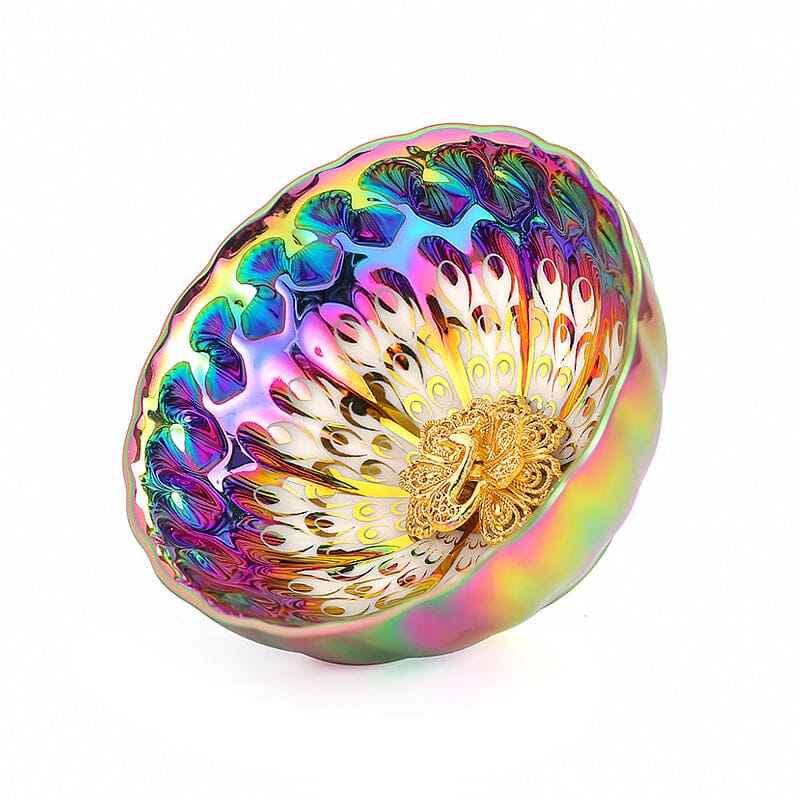
Pavone vivido

A representative Tenmoku tea cup to compare by glaze depth, cup shape, price, and gift fit.

Pavone d'oro

Compare this piece when you want a clear visual reference for a gold-toned Tenmoku glaze style.

Fata II

Use this product as another comparison point for handmade form, glaze variation, and gift suitability.

shop handmade Tenmoku tea cups compare Jianzhan teapots browse Tenmoku tea sets choose Tenmoku matcha bowls view Tenmoku tea cups read the real vs fake Tenmoku tea bowl guide browse Jianzhan buying guides learn about Tenmokus

From Tenmoku guide to teaware choice

Tenmokus is focused on handmade Jianzhan Tenmoku teaware for tea rituals, display, and gifting. If you are choosing after reading this guide, start with Tenmoku tea cups for daily tea tasting, Tenmoku teapots for loose leaf brewing, Tenmoku tea sets for coordinated gifts, or Tenmoku matcha bowls for matcha preparation.

Ultime storie

Keep exploring Tenmoku care, gift ideas, teaware selection, and the difference between Tenmoku and Jianzhan.

Visualizza tutto

How to Spot a Real Handmade Tenmoku Tea Bowl: An Expert’s Authenticity Guide for Tea Lovers

How to Spot a Real Handmade Tenmoku Tea Bowl: An Expert’s Authenticity Guide for Tea Lovers

If you’ve ever held a real tenmoku tea bowl in your hands during a gongfu tea session, you know there’s nothing quite like it—the way the iron-rich glaze catches the light, the warmth it holds, the silent story of a...

Per saperne di più

Jian Zhan vs Japanese Tenmoku Tea Bowl: Which Offers the Best Value for Gongfu Tea?

Jian Zhan vs Japanese Tenmoku Tea Bowl: Which Offers the Best Value for Gongfu Tea?

Jian Zhan vs Japanese Tenmoku Tea Bowl: Which Offers the Best Value for Gongfu Tea? If you’re diving into gongfu tea ceremony and seeking the perfect tenmoku tea bowl, you’ve likely encountered two alluring paths: the ancient Chinese Jian Zhan...

Per saperne di più

Tenmoku Tea Bowl: A Handmade Cup With History, Beauty, and Meaning

Tenmoku Tea Bowl: A Handmade Cup With History, Beauty, and Meaning

Tenmoku Tea Bowl: A Handmade Cup With History, Beauty, and Meaning A tenmoku tea bowl is a dark-glazed tea cup, often called Jianzhan, known for dramatic patterns created by fire, minerals, and chance. For gongfu tea, it gives a quiet,...

Per saperne di più