

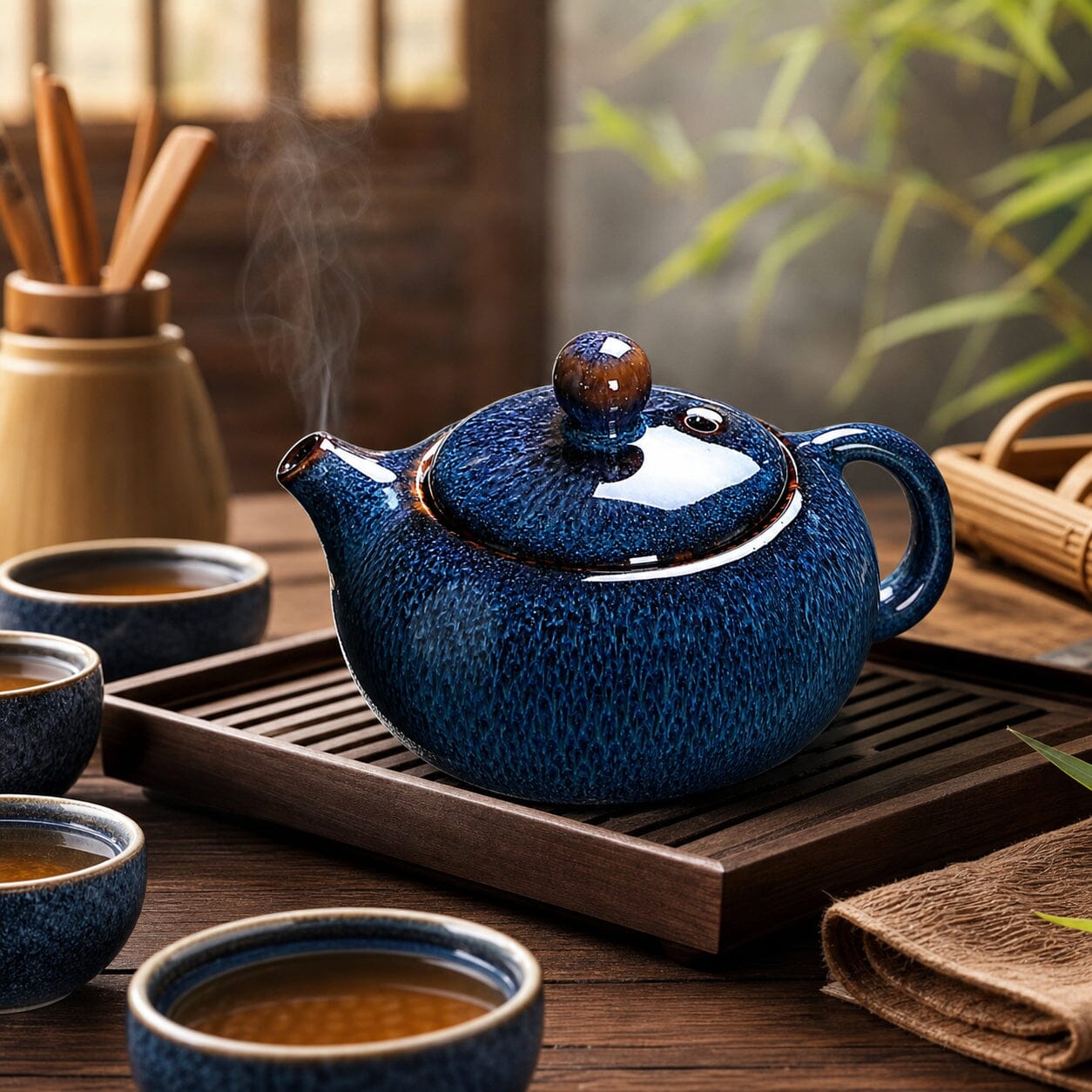


Handmade Tenmoku Tea Bowl vs Mass-Produced: What's Right for Your Gongfu Tea?
If you’ve ever shopped for a tenmoku tea bowl, you know the prices range from $20 to over $1,000. I’m Tenmokus Editorial Team, and after years of collecting and using these black-glazed cups in my gongfu tea sessions, I can tell you the difference comes down to one thing: handmade authenticity versus factory replication. The oil spot patterns that shimmer like a galaxy aren’t just decoration—they’re the result of a risky kiln change process that makes each genuine jian zhan one-of-a-kind. In this guide, I’ll break down exactly what you get at every price point and help you decide which type of tenmoku tea bowl deserves a spot on your tea tray.
Key Takeaways
- Handmade tenmoku tea bowls (especially authentic jian zhan) offer unique kiln change effects and a true tea ceremony experience.
- Mass-produced versions mimic the look but lack the soul, depth, and tea-temperature-retaining properties of handmade pieces.
- Understanding why tenmoku is expensive helps you spot best value jian zhan without overpaying.
- Japanese Tenmoku bowls are a distinct variant worth considering, but they differ significantly from Chinese Jianzhan.
What Is a Tenmoku Tea Bowl? A Quick History
Before comparing, let’s get the terms straight. The name tenmoku (or tianmu) originated from Mount Tianmu in China, where Japanese monks first encountered these dark-glazed bowls during the Song Dynasty. They brought them back to Japan, where they became treasures of the tea ceremony. Today, “tenmoku” often refers to the style of black-glazed pottery with iron-rich glazes, while jian zhan specifically means bowls made in the Jian kilns of Fujian, China, using the original Song Dynasty techniques.
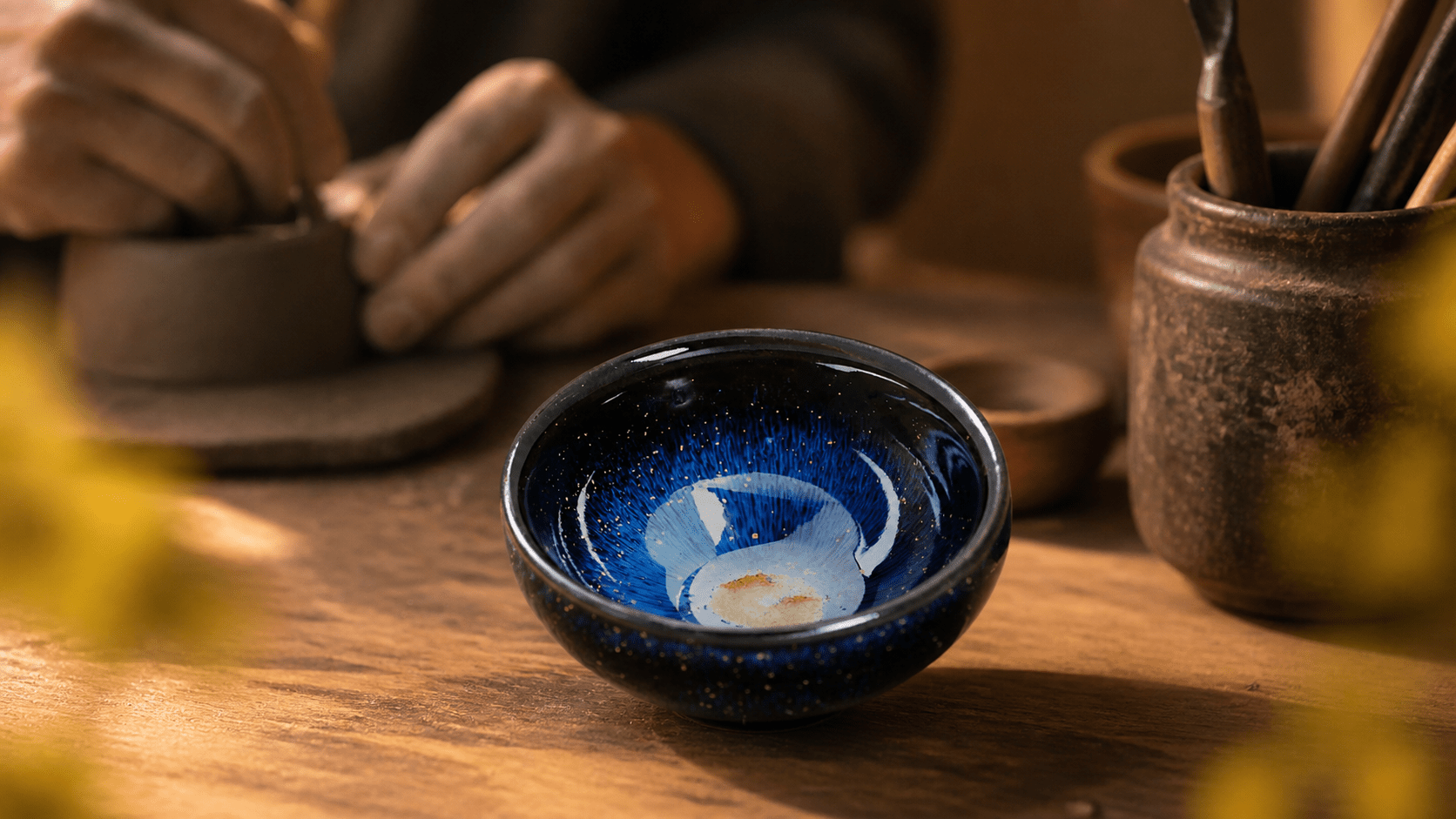
For a tea lover, the material is only half the story. A true handmade tenmoku tea cup isn’t just fired—it’s transformed in the kiln’s extreme heat. Iron oxides in the tenmoku glaze bloom into patterns like hare's fur or oil spot, each one a frozen moment of kiln change (yaobian). No two are exactly alike. This is the heart of why collecting these pieces is so addictive.
Why Is Tenmoku So Expensive? The Hidden Cost of Kiln Change
The main reason why tenmoku is expensive goes beyond the artist’s time. In a single firing, a potter might load 100 handmade jian zhan tea cups into the kiln. Because of the volatile nature of the kiln change, only 10–20% come out with a flawless, vibrant glaze. The rest are either dull, cracked, or completely deformed—destined for the discard pile. That loss is baked into the tenmoku tea bowl price of every perfect piece.
Handmade ceramics in this category also use genuine local iron-rich clay and a proprietary glaze mix, often based on ancient formulas. A master potter must control the kiln’s atmosphere (reduction vs. oxidation) and temperature curves precisely, knowledge passed down through generations. In contrast, a factory-made “tenmoku-style” bowl uses standard stoneware, a spray-on metallic glaze, and an electric kiln that never deviates from a programmed cycle. You get zero risk—and zero kiln change character.
Jianzhan Cost: Handmade vs. Factory-Made Comparison
To help you see the full picture, here’s a direct comparison of what influences jian zhan cost and overall value:
| Feature | Handmade Jianzhan (Authentic) | Mass-Produced Tenmoku-Style |
|---|---|---|
| Clay Body | Iron-rich local clay from Fujian; dark, porous body | White or buff industrial stoneware |
| Glaze Technique | Hand-dipped natural ash and iron glaze; unique kiln change patterns | Sprayed or painted chemical glaze; identical on every piece |
| Firing | Wood-fired or reduction gas kiln; 1300°C+; high loss rate | Electric kiln; stable, no loss |
| Uniqueness | Every piece one-of-a-kind; oil spot and hare’s fur natural variations | Perfectly uniform; can look plastic-like |
| Tea Experience | Softens water texture; retains heat longer; patina develops over time | Minimal effect on tea; purely decorative |
| Typical Price | $80 – $500+ for modern artisan; $1,000+ for masterworks | $15 – $50 |
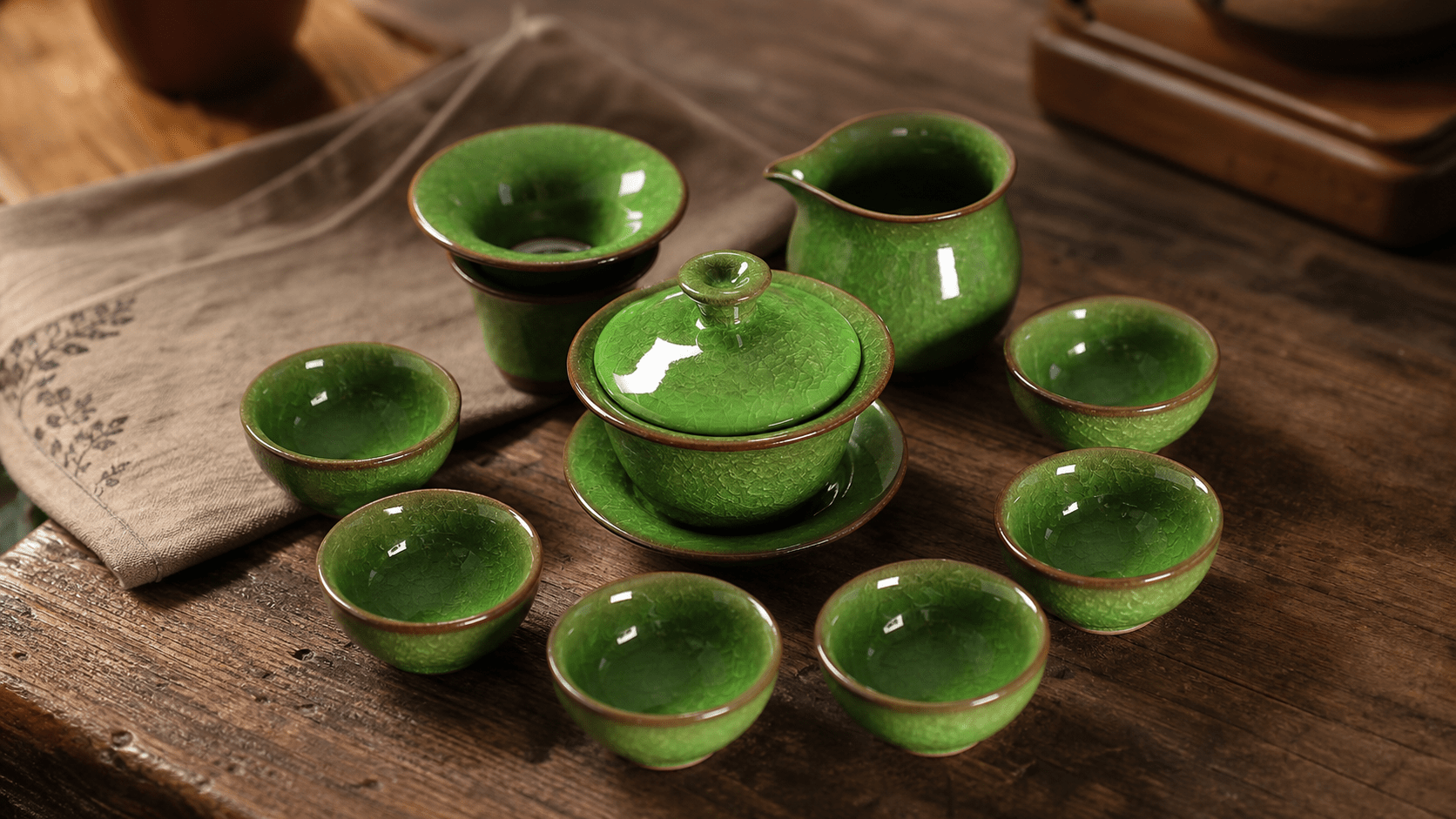
When you see a tenmoku tea bowl for sale at $29.99 with identical “oil spots” in the product photos, you’re looking at a decal or a stencil. That’s not the hobby I want to bring to my tea ceremony.
Best Value Jianzhan: What to Look for Under $100
I often get asked, “Aiden, what’s the best value jian zhan I can actually afford?” Here’s my honest breakdown. If your budget is under $100, avoid “museum quality” promises and focus on pieces from emerging artists who are still mastering kiln control. At this tier, you’re looking for:
- A clearly visible, natural hare's fur or oil spot glaze—no airbrushing.
- Minor imperfections that prove it’s handmade ceramic: slight unevenness in rim, tiny pinholes, or a pooling glaze drop.
- A certificate or artist name, even if not a national master.
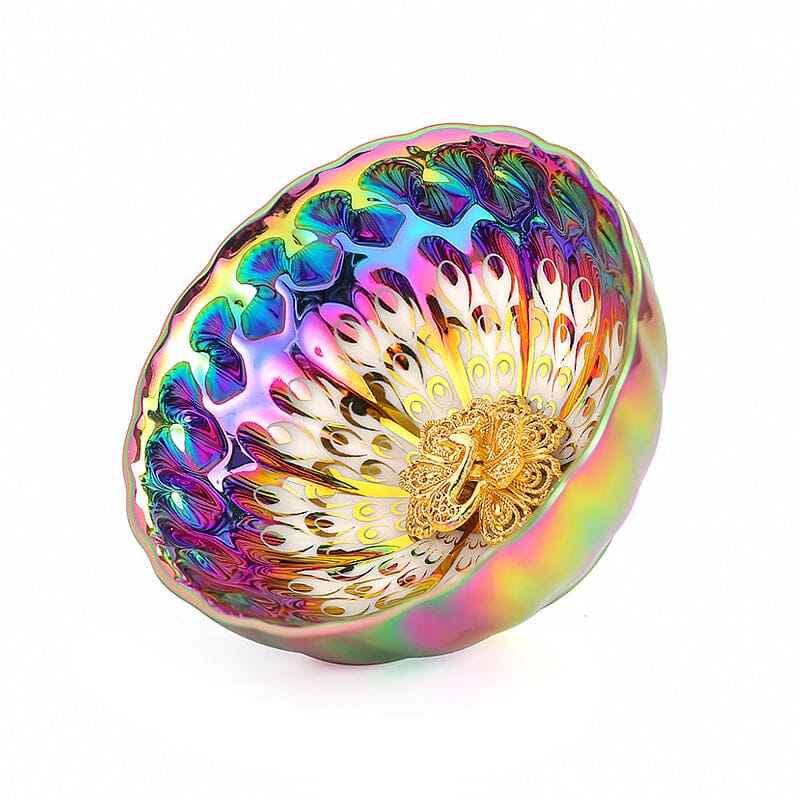
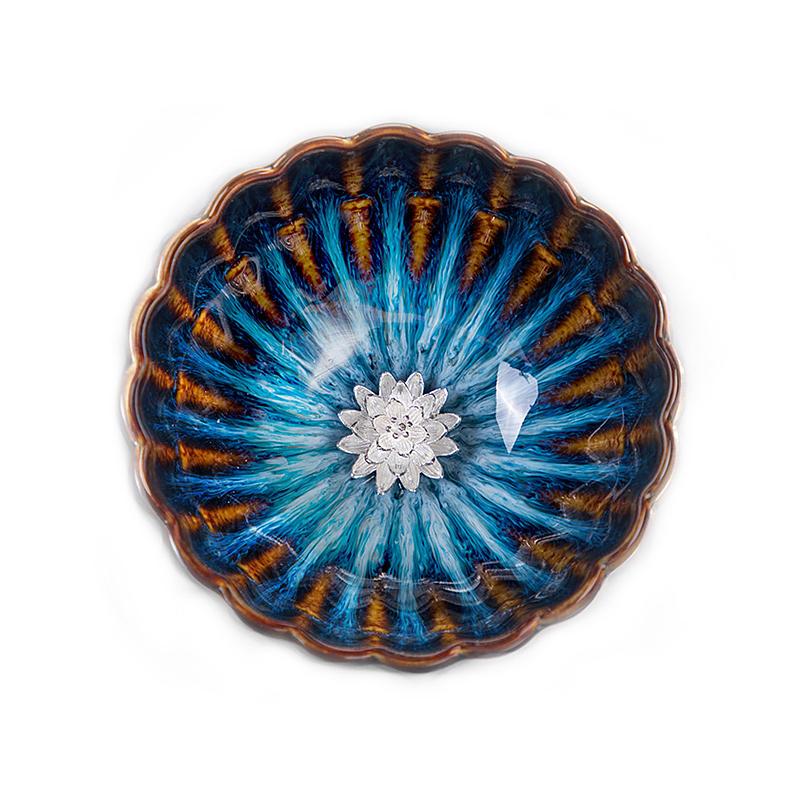
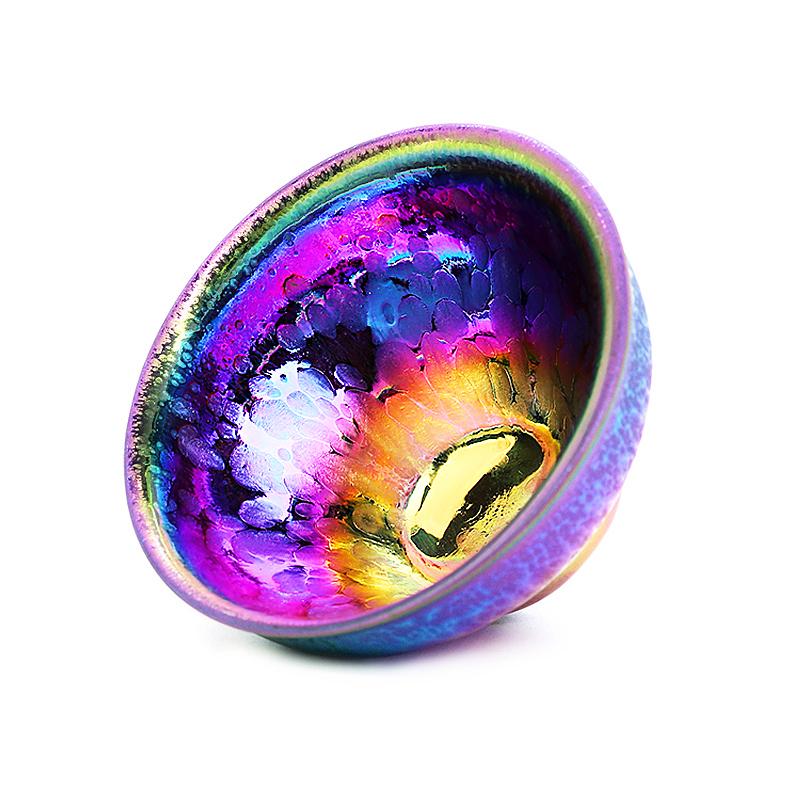
One smart move is to watch for sales at studios specializing in handmade tenmoku tea cups where the artist fires smaller batches. You can often find a genuine kiln-transformed bowl in the $70–$90 range that completely eclipses a $20 factory cup. Check out our Discover our collection of oil spot tenmoku cups to see actual examples of this entry-level artisan tier.
Oil Spot vs. Hare’s Fur: Which Glaze Is for You?
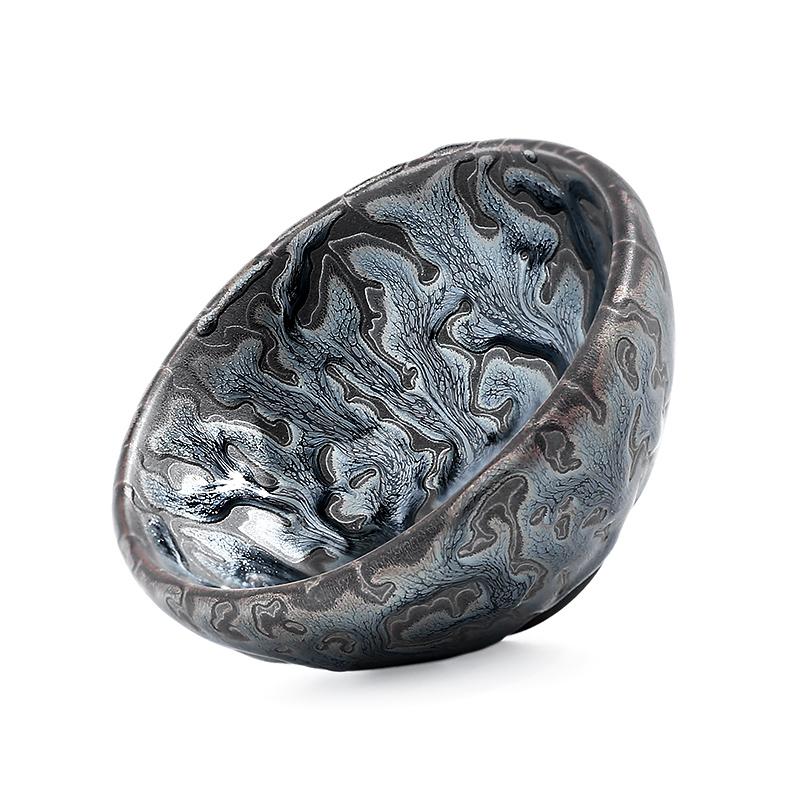
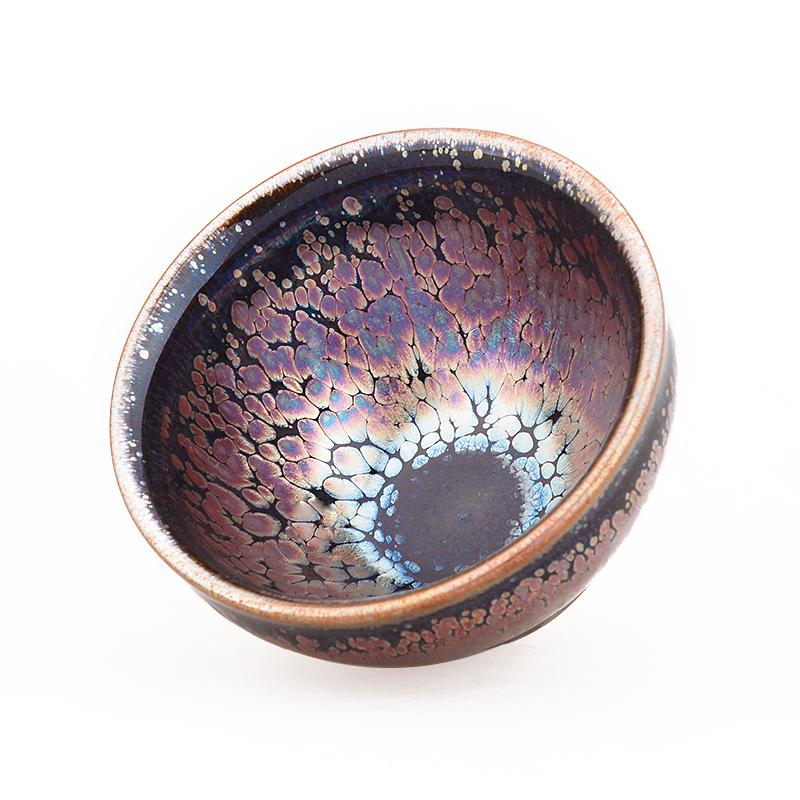
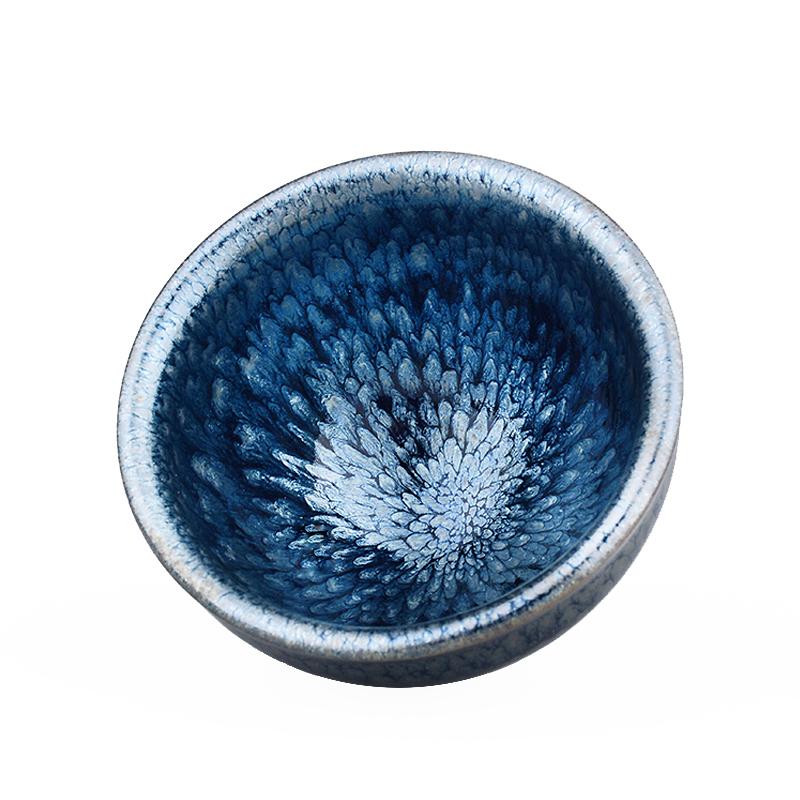
Most buyers first fall for the dramatic oil spot effect: tiny silver crystals that look like droplets of oil floating on a dark lake. They’re mesmerizing and photograph beautifully. Hare’s fur (haemak) is subtler—fine, streaked lines running vertically down the bowl, resembling fur. Both are products of tenmoku glaze chemistry and kiln cooling cycles.
From a tea-drinking perspective, I find hare’s fur bowls often have a softer, more rounded lip and slightly better heat retention. Oil spot bowls, especially those with raised “dots,” can feel more textured on the mouth. Neither is better—it’s like choosing between red and white wine glasses. If you want a statement piece, go oil spot. If you want a quiet, meditative vessel for daily gongfu tea, hare’s fur might be your soul bowl. And if you’re unsure? Get one of each—you can shop authentic Tenmoku tea bowls to compare them side by side.
Are Japanese Tenmoku Bowls the Same as Jianzhan?
This is a great question. In Japan, the term tenmoku is broadly used for conical black-glazed bowls, many of which were produced locally after the 12th century. Japanese potters like those in Seto and Mino created their own versions, often with a more uniform, orderly aesthetic. While beautiful, they typically lack the dramatic random kiln change effects of wild Chinese jian zhan. The Japanese approach emphasizes controlled perfection, whereas Chinese Jianzhan celebrates the accidental miracle.
If you’re collecting for the thrill of the kiln change and the deep connection to Song Dynasty tea ceremony, I’d steer you toward a Chinese handmade jian zhan. If you favor understated elegance and Japanese tea ceremony (matcha) tools, a Japanese tenmoku bowl can be lovely. Just know you’re buying into a different tradition, and the why tenmoku is expensive answer shifts from low-yield kiln magic to artistic reputation and historical lineage.
Who Should Buy a Handmade Tenmoku Tea Cup?
I recommend a genuine handmade tenmoku tea cup to anyone who:
- Drinks oolong, pu-erh, or black tea gongfu style and wants the bowl to improve the water’s mouthfeel.
- Values the daily ritual of seeing a unique piece of art in their hands.
- Wants a gift for tea lovers that feels deeply personal and collectible.
- Is ready to start a small collection that appreciates over time.
On the flip side, if you just need a beater bowl for travel or are buying in bulk for a tea house, a factory-made alternative might serve functionally. But once you’ve used a real jian zhan with a live glaze, the machine-made knockoffs feel a little soul-less.
Frequently Asked Questions
What is the difference between a tenmoku tea bowl and a jian zhan?
Tenmoku is a Japanese term broadly used for black-glazed bowls; jian zhan specifically refers to bowls from China’s Jian kilns with dramatic kiln change effects.
Why are handmade tenmoku tea bowls so expensive?
Low success rate of kiln change firing (often 10-20% yield), artisan skill, and genuine iron-rich clays push costs high. A unique masterpiece can’t be mass-produced.
What is the best value jian zhan for beginners?
Start with a $70–$90 handmade hare’s fur bowl from an up-and-coming artist. It offers real kiln transformation at an accessible entry point.
Can I use a tenmoku tea bowl for everyday tea drinking?
Yes, daily use is encouraged! It builds patina and improves tea experience. Just avoid soap and dishwashers.
Are Japanese tenmoku bowls as good as Chinese jian zhan?
They’re different traditions. Japanese tenmoku leans controlled elegance, Chinese jian zhan celebrates wild kiln change. Choose based on your tea ceremony style.
Making Your Choice Count
The gap between a handmade tenmoku tea cup and a mass-produced copy is as wide as the gap between a vinyl record and an MP3 file. One gives you texture, warmth, and a feeling that something alive unfolded in your hands. The other is convenient—and nothing more.
When you’re ready to own a piece that reflects the true spirit of Song Dynasty glaze, I invite you to explore our curated selection. Whether you’re hunting for a vibrant oil spot or a subtle hare's fur, each bowl I stock has passed my own assessment for authenticity and tea-drinking performance. Take your gongfu tea ritual to a deeper level—start with one real bowl and see where the journey leads.
Explore Our Collection
Ready to experience the world of tenmoku tea bowl? Browse our curated collection:
Disclaimer: This article is for informational purposes. Products and pricing subject to change.


Deel:
The Lost Art of Tenmoku: A Story of Fire, Clay, and Discovery
Tenmoku Tea Bowl Value Guide: Why It Costs More and How to Buy Wisely