



Tenmoku Tea Bowl: The Handmade Story Behind a More Meaningful Tea Ritual
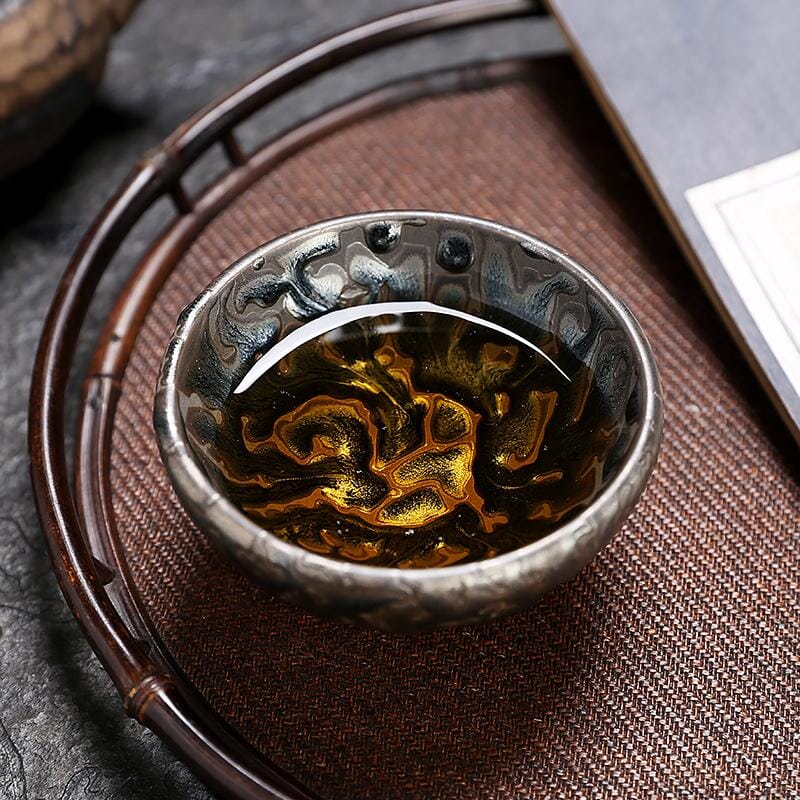
A tenmoku tea bowl is a handmade, dark-glazed tea vessel rooted in the Jian kilns of Fujian, China. Its appeal is simple: each jianzhan bowl carries visible evidence of fire, minerals, and the maker's decisions, making a gongfu tea session feel less like a routine and more like a small daily ritual.
For curious beginners and serious tea lovers alike, this Jianzhan Tenmoku ceramic tea cup is not just a beautiful object. It is a practical way to slow down, notice the color of the tea, and connect a modern table to a long ceramic tradition shaped during the Song dynasty.
What Are the Key Takeaways for a Tenmoku Tea Bowl Buyer?
- A tenmoku tea bowl is associated with Jian ware, often called jianzhan, a black-glazed ceramic tradition from Jianyang in Fujian.
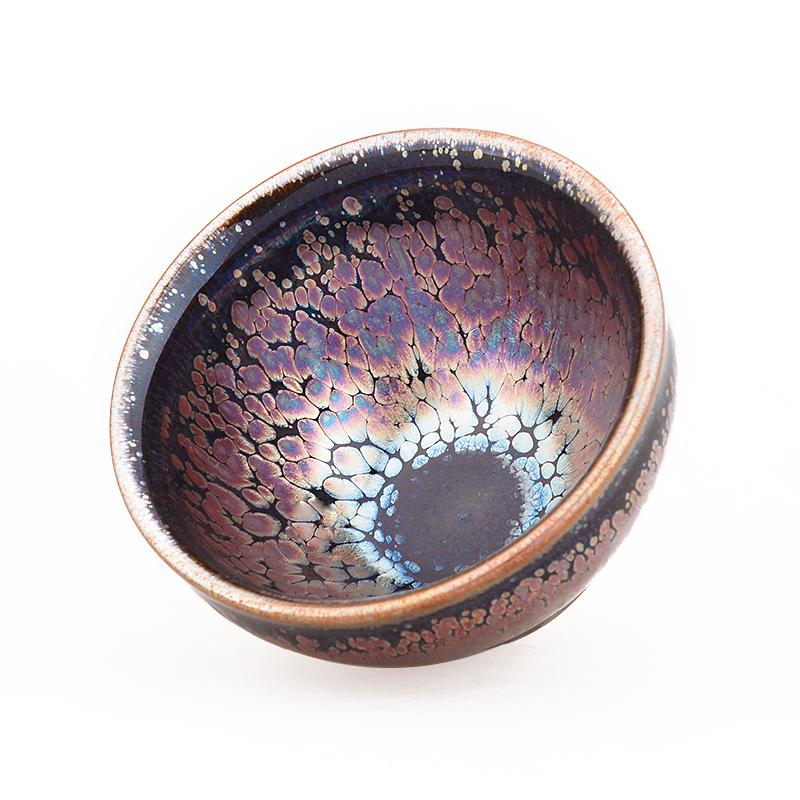
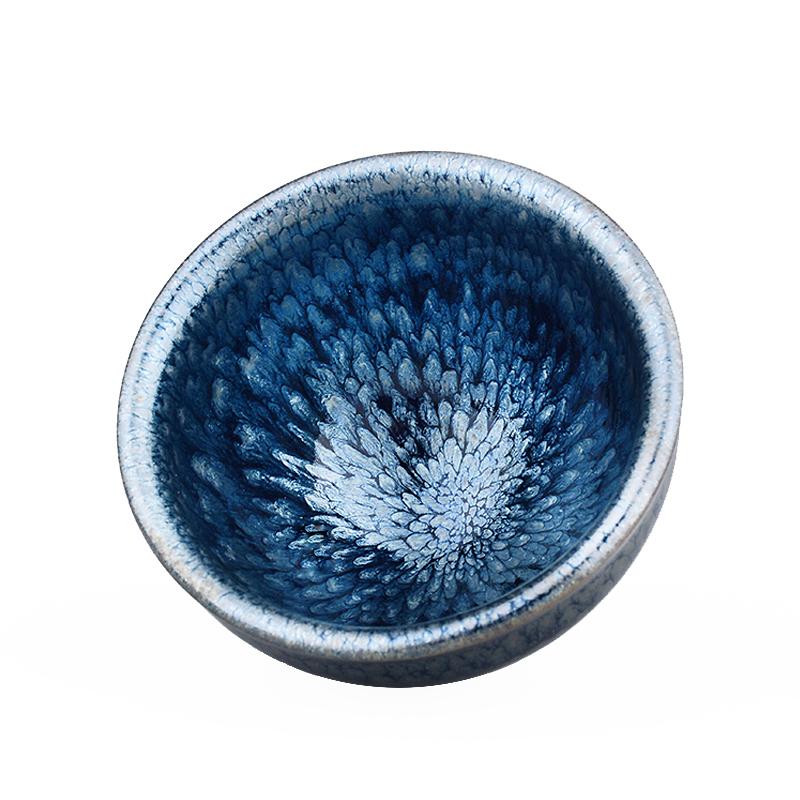
- Its signature surfaces, including hare's fur-like streaks, are created through glaze chemistry and high-temperature firing rather than printed decoration.
- Song dynasty tea culture helped make these bowls important because dark glaze gave whisked tea a striking visual contrast.
- Modern pieces vary widely in origin, materials, firing methods, and level of handwork, so a product description should explain what you are actually buying.
- For gongfu tea or as a gift for tea lovers, choose a bowl that feels balanced in the hand and comes with clear, specific craft information.
How Has the Fujian Tea Bowl Tradition Shaped the Tenmoku Tea Bowl?
The fujian tea bowl tradition begins in southeastern China, in and around Jianyang. This was a region with access to suitable clay, wood-fired kilns, and iron-rich glaze materials that could produce deep, dark surfaces with unexpected movement.
Jian ware was made for use, but its beauty came from the firing process. A maker could prepare clay and glaze with discipline, yet the kiln still had the final word. Heat, atmosphere, placement, and cooling all affected the finished surface.
That is why a handmade tenmoku tea cup feels different from factory-made drinkware. Think of it like a sourdough loaf versus a uniform supermarket loaf: both may serve the same purpose, but one preserves the visible character of process. Small variations in glaze flow, rim color, and pattern are part of the object's identity.
Historically, these bowls are often known as jianzhan in China. In the United States, shoppers may see the terms Jianzhan, Jianzhan, Jian ware, and Tenmoku used together. They overlap, but they should not erase important differences in origin, period, and contemporary making practices.
How Did Song Dynasty Tea Culture Make Dark Tea Bowls Important?
Song dynasty tea culture placed special attention on whisked powdered tea. Tea gatherings could involve comparing foam, color, texture, and preparation skill. Against a pale tea surface, a dark bowl created a clear visual contrast, much like serving a bright dish on a dark plate.
This is one reason black-glazed Jian bowls became admired. Their dark interiors could make the light foam of whisked tea easier to see, while their surfaces offered their own quiet visual drama before the tea was even prepared.
It helps to separate history from modern marketing. A contemporary tenmoku tea bowl may be inspired by Song dynasty forms and glaze traditions, but it is not automatically an antique or a museum-period object. Its value can lie in thoughtful contemporary craftsmanship rather than a claim to historical age.
The phrase Song Dynasty glaze is useful when it describes a visual or technical lineage, not when it is used as a shortcut for authenticity. A trustworthy seller should explain whether a bowl is an original antique, a modern Jianyang-made piece, a Japanese interpretation, or a modern dark-glazed bowl influenced by the tradition.
What Does a Tenmoku Artisan Actually Do Before a Bowl Reaches Your Table?
A tenmoku artisan begins with choices that are easy to overlook once a bowl is finished. Clay must be selected and prepared. The form must be thrown or shaped so that it sits steadily, feels comfortable at the rim, and can handle the stresses of drying and firing.
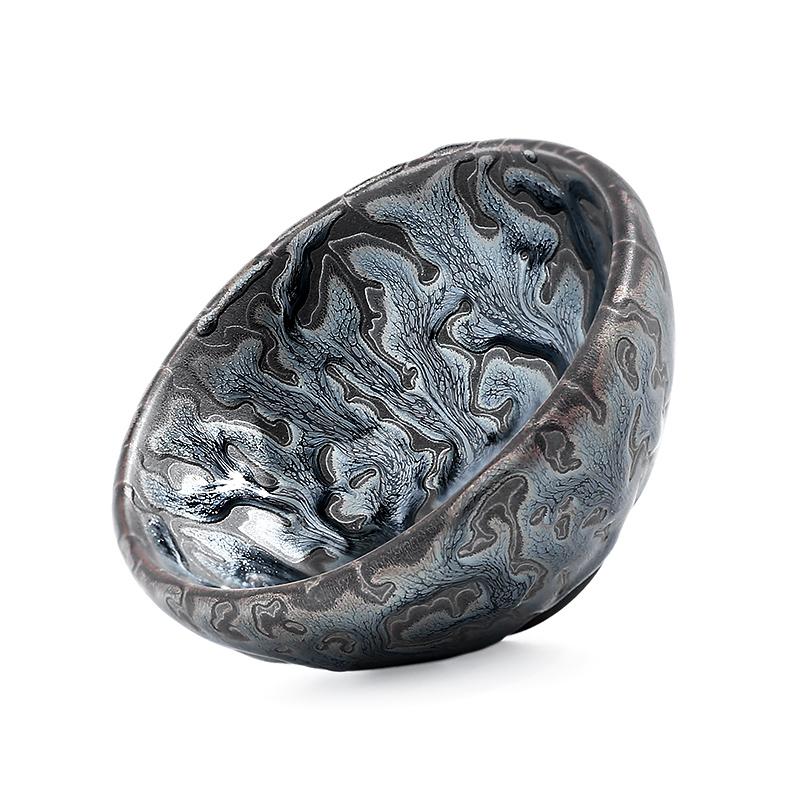
Then comes the glaze. In a traditional-looking jianzhan, iron-rich glaze plays a central role in creating the dark field and the fine streaking often compared with hare's fur. The comparison is visual, not literal: the pattern can resemble the thin, soft lines of animal fur spreading across the surface.
Firing turns preparation into risk. The kiln atmosphere may encourage crystals, streaks, metallic-looking areas, or a smoother black field. A slight change in temperature or placement can change the result. That uncertainty is why no responsible maker should promise that every handmade bowl will be identical.
After firing, the maker evaluates the piece for stability, glaze condition, comfort, and visual balance. Not every fired bowl becomes a finished product. A well-made bowl should sit flat, have a smooth enough drinking rim, and be described honestly if it has intentional variations or visible firing marks.
| Type of bowl | What it usually describes | What a buyer should ask |
|---|---|---|
| Handmade jianzhan | A bowl connected to the Jian ware tradition, often made in or inspired by Jianyang, Fujian. | Where was it made, how was it formed, and what firing method was used? |
| Japanese Tenmoku style | A Japanese ceramic context shaped in part by Chinese Tenmoku influences. | Is it a Japanese-made bowl, a Japanese-inspired form, or a broader glaze style? |
| Modern dark-glazed bowl | A contemporary tea bowl with a dark glaze that may not claim Jian ware lineage. | What materials, maker, and process support its price and story? |
These categories are not a quality ranking. They simply help you buy with clearer expectations and avoid treating every dark bowl as the same object.
Why Does Jianzhan History Reach From Fujian to Japan and Japanese Tea Culture?
Jian zhan history did not stay within Fujian. Through trade and cultural exchange, Jian ware bowls became known and valued in Japan, where the term Tenmoku became associated with this family of dark-glazed tea bowls. The name is linked to Tianmu, a mountain area connected with the movement of tea culture and Buddhist practice between China and Japan.
Japanese tea culture later developed its own rich ceramic vocabulary and preferences. A Japanese Tenmoku bowl can have a distinct context, maker, and form, even when it shares visual roots with Chinese Jian ware. Respecting both traditions means avoiding the shortcut of calling every black bowl either Chinese or Japanese without evidence.
This cross-cultural journey is part of the bowl's appeal. It shows how an everyday vessel can travel across languages and centuries while remaining useful. On a modern American tea table, that story makes the bowl feel like a bridge rather than a costume piece.
A tenmoku tea bowl can also be used for matcha, but it is not automatically the same thing as a matcha bowl. Matcha bowl is a broad functional term for a bowl used to whisk and drink matcha. Tenmoku identifies a more specific historical and visual lineage.
How Does a Handmade Tenmoku Tea Cup Work for Gongfu Tea?
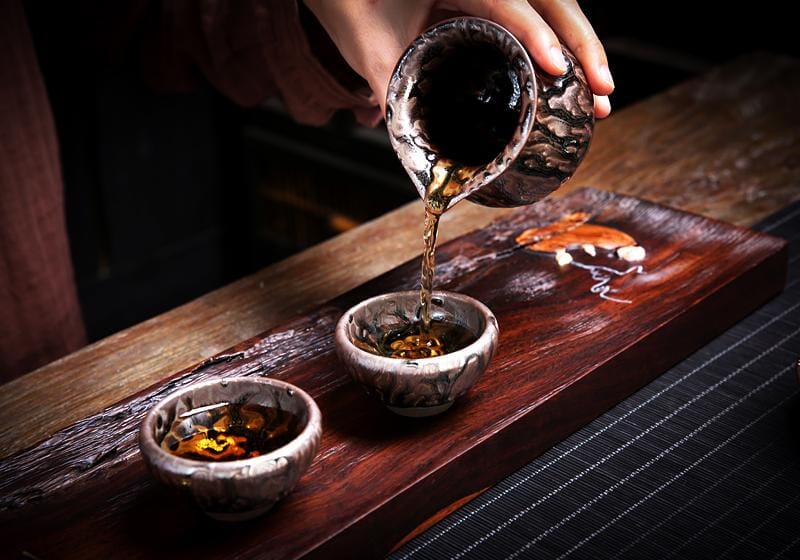
For gongfu tea, a handmade tenmoku tea cup works best when it supports repeated, small pours. The dark interior can make amber oolong, pale white tea, or deep red black tea visually distinct, while the rounded form encourages you to hold the cup with both attention and care.
Start by choosing size over spectacle. A smaller bowl is often easier to use in a short gongfu session because it lets you taste tea while it is warm. A wider bowl can showcase aroma and color, but it may be less practical if you prefer quick, frequent pours.
- Warm the bowl with hot water before brewing.
- Pour a small serving rather than filling it to the rim.
- Notice the tea color against the glaze before taking a sip.
- Hold the bowl by its cooler lower section if the tea is hot.
- Rinse promptly after use and dry it fully before storing.
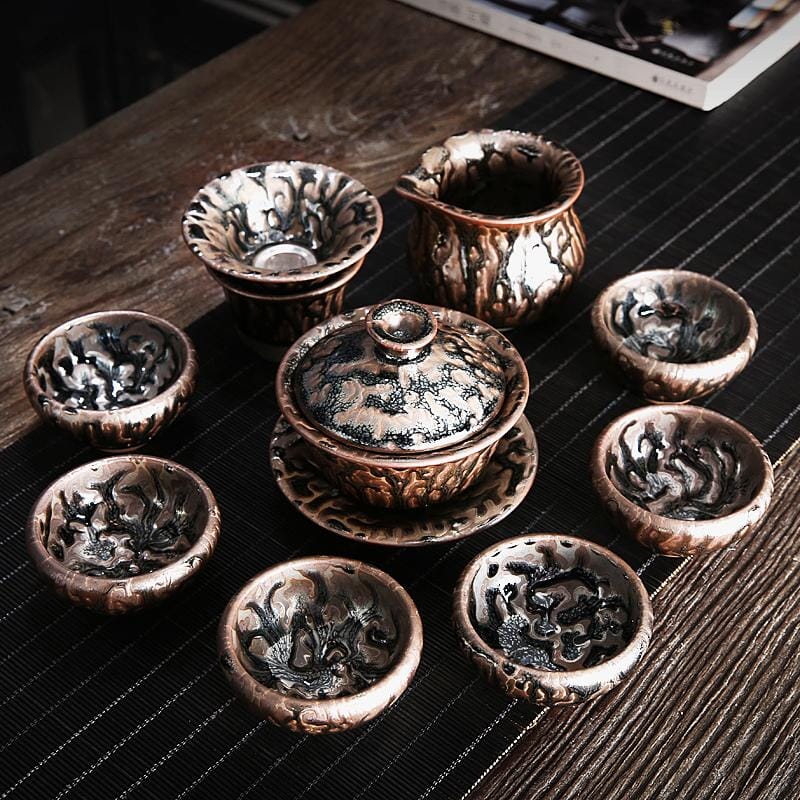
Use should be simple, not ceremonial pressure. You do not need to master a formal tea practice to enjoy a tenmoku tea bowl. It can make a weekday cup of tea feel intentional, whether you brew loose-leaf tea in a gaiwan, use a small teapot, or prepare matcha on a quiet morning.
Explore our handmade Jianzhan tea cups if you are building a small tea set around the way you actually drink tea, rather than around a display-only idea of tea culture.
What Should You Look for in a Tenmoku Tea Bowl for Sale?
When evaluating a tenmoku tea bowl for sale, begin with clarity instead of dramatic claims. Look for information about the maker or workshop, place of production, materials when available, firing approach, approximate dimensions, and care guidance.
Then consider the bowl in use. Does the rim look comfortable? Is the foot stable? Does the size fit your preferred tea style? A bowl that is visually impressive but awkward to hold may spend more time on a shelf than in your daily ritual.
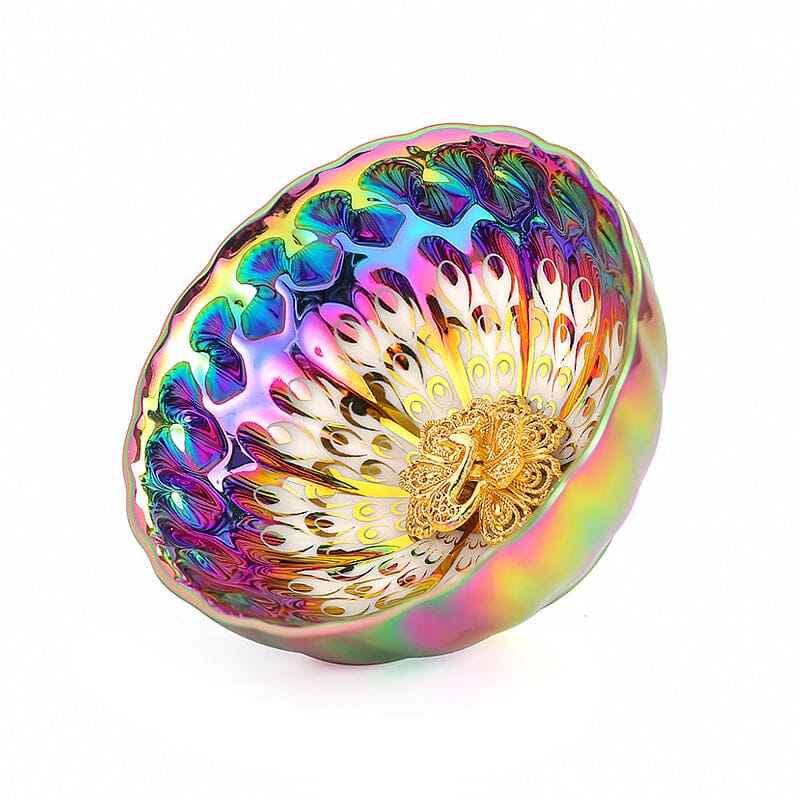
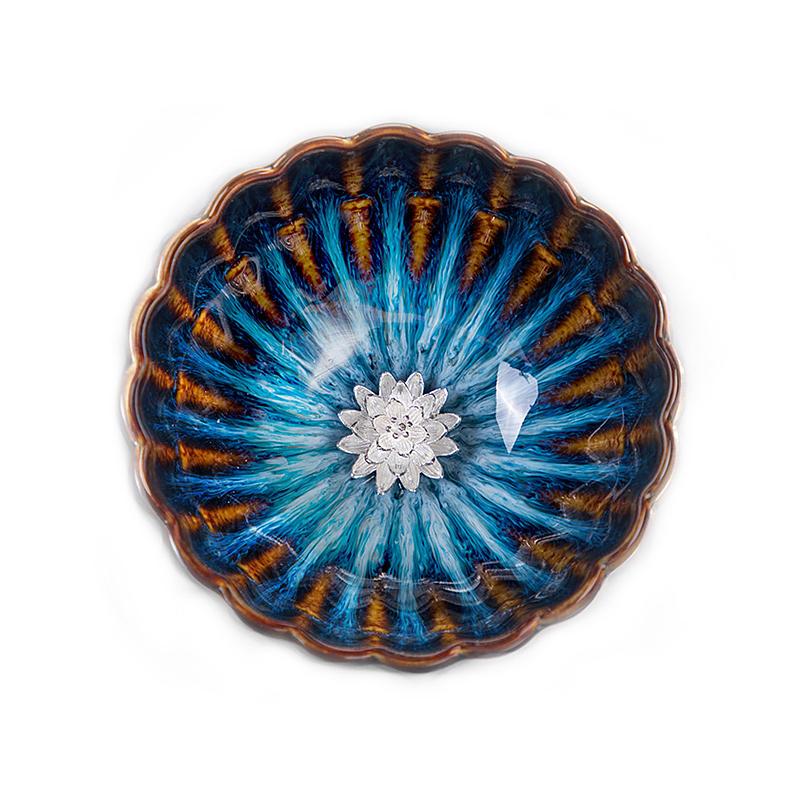
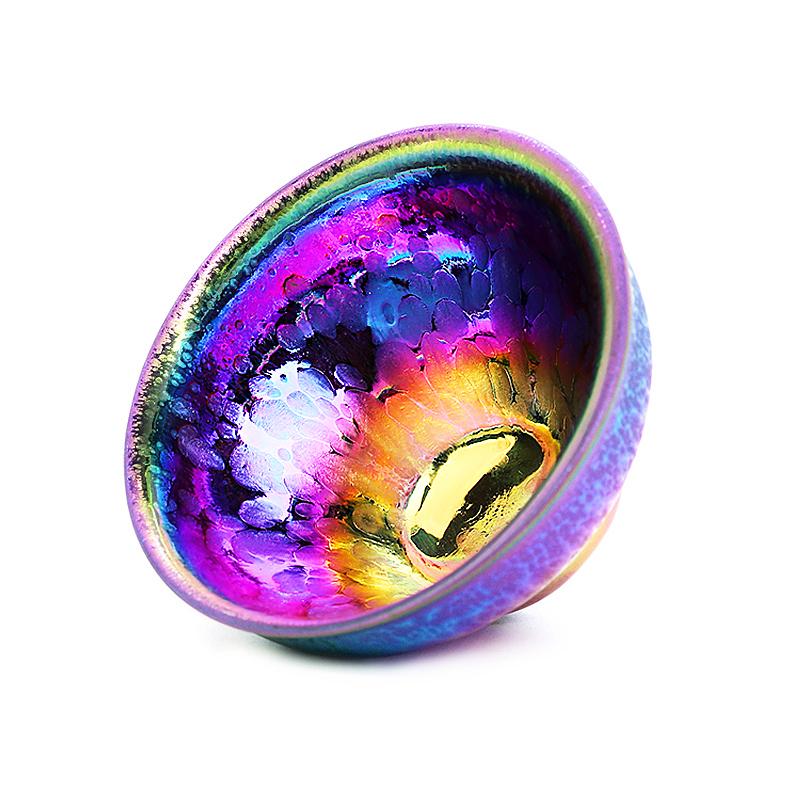
Glaze variation is normal in handmade ceramics, but it should be shown clearly in product photography. Ask for views of the interior, exterior, rim, base, and any distinctive marks. If the surface has a hare's fur pattern, look for natural movement rather than a perfectly repeated graphic effect.
Price should reflect disclosed work, not mystery. Handmade work can require more labor, more kiln risk, and more individual inspection than mass-produced ceramics. Still, higher price alone does not prove origin or quality. Specific information is more useful than vague phrases such as premium, rare, or ancient-inspired.
Shop authentic Tenmoku tea bowls when you want to compare forms and glaze character with a practical question in mind: which piece will you want to reach for during your next tea session?
Why Is a Jianzhan Tea Cup Gift a Strong Choice for Tea Lovers?
A jianzhan tea cup gift works because it offers both usefulness and discovery. The recipient can enjoy it immediately, yet the bowl also invites questions about Fujian, kiln firing, the Song dynasty, and the journey of tea culture to Japan.
For a first-time buyer, choose a versatile form with a stable base and a glaze that photographs clearly. For an experienced tea drinker, focus on the maker's story, the bowl's hand feel, and the details that make it different from pieces they may already own.
The best gift for tea lovers is not necessarily the most ornate bowl. It is the one that fits their tea habits and gives them a reason to pause, brew something good, and use it often.
Which Tenmoku Tea Bowl Questions Do Buyers Ask Most Often?
Is a tenmoku tea bowl the same as a matcha bowl?
Not exactly. A matcha bowl describes a bowl used for preparing or drinking matcha, while Tenmoku refers to a particular historical and visual ceramic tradition. A tenmoku tea bowl may be used for matcha, but many matcha bowls are made in other styles.
How does song dynasty tea culture relate to a tenmoku tea bowl?
Song dynasty tea culture valued whisked tea and visual appreciation of the bowl. Dark Jian ware created contrast for pale tea foam, which helped make black-glazed bowls especially admired in that setting.
What does jian zhan history tell us about modern bowls?
Jian zhan history explains the bowl's roots in Jianyang, Fujian, and its later influence in Japan. It does not mean every modern bowl is antique or made by the same historical methods, so shoppers should look for accurate product details.
How do I choose a handmade tenmoku tea cup for gongfu tea?
Choose a size that suits small pours, a stable foot, a comfortable rim, and a form you can hold confidently. Product details and clear photos matter more than a flashy glaze name.
What should I verify before buying a tenmoku tea bowl for sale?
Verify the maker or workshop when disclosed, place of production, dimensions, care instructions, condition, and photographs of the actual piece. If a seller makes historical or material claims, ask how those claims are supported.
Why does a jianzhan tea cup gift feel personal?
Each handmade bowl can show small differences in glaze and form, so the gift feels selected rather than generic. It also gives the recipient a functional object with a cultural story to explore over time.
Why Bring a Tenmoku Tea Bowl Into Your Daily Tea Ritual?
A tenmoku tea bowl brings craft into an ordinary moment without asking you to become an expert. Its story begins with Fujian clay, kiln heat, and Song dynasty tea culture, then continues every time someone uses it with attention.
Choose a bowl for its honest making, useful form, and the feeling it creates at your table. Whether you are starting a gongfu tea practice or selecting a meaningful gift, a handmade piece can turn a simple pour into a ritual worth repeating.
Explore Our Collection
Ready to experience the world of tenmoku tea bowl? Browse our curated collection:
Disclaimer: This article is for informational purposes. Products and pricing subject to change.


Share:
Tenmoku Tea Bowl: Spot the Real One Before You Buy
Tenmoku Cup Photography: Five-View Record