

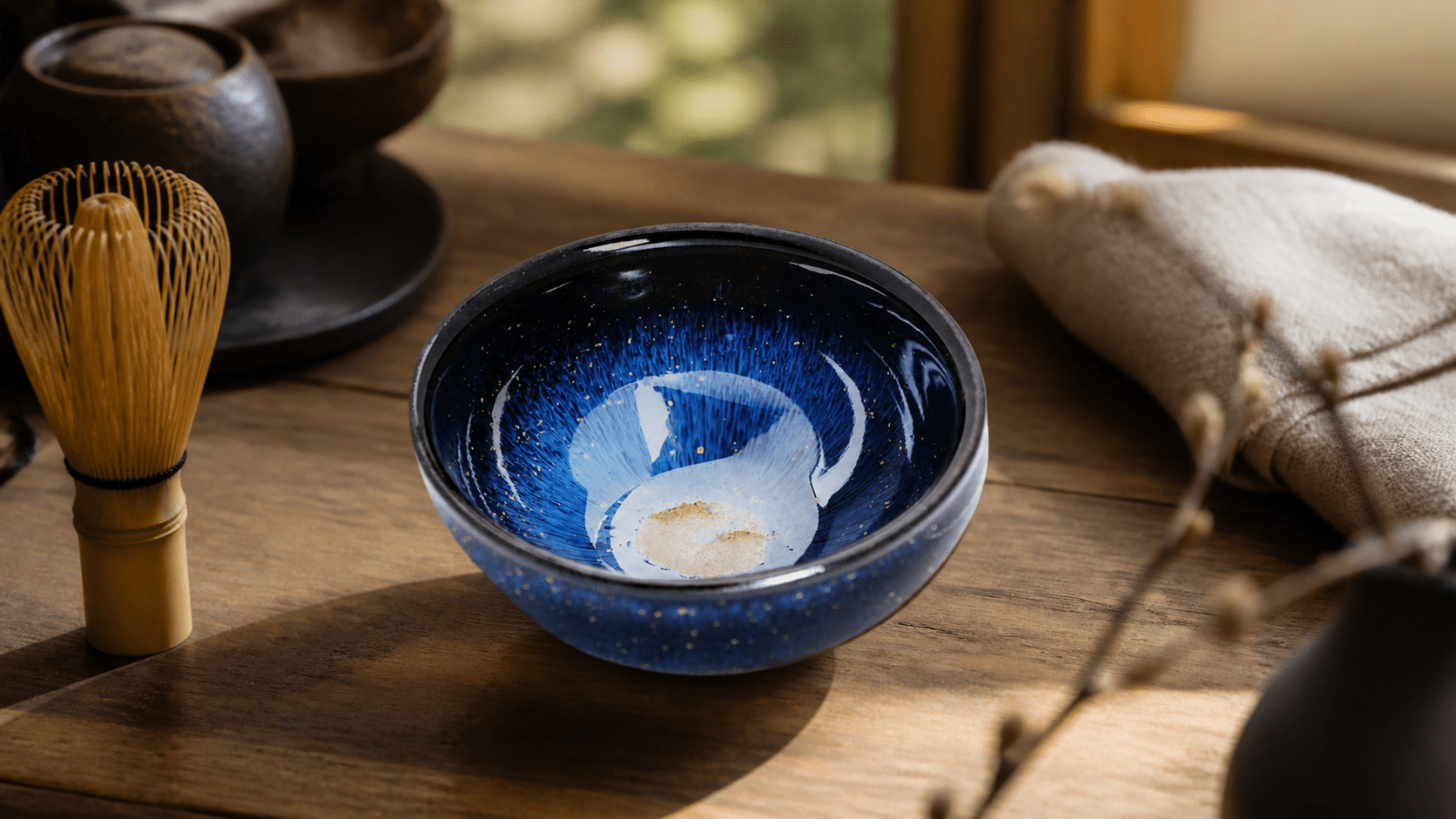

Tenmoku Tea Bowl: Bring a More Meaningful Tea Ritual Home
A tenmoku tea bowl turns an ordinary cup of tea into a small daily reset. Whether you are brewing gongfu tea after work or setting out a thoughtful tray for friends, this dark-glazed bowl—often compared with a Japanese tea bowl—adds texture, warmth, and a sense of intention without making tea feel formal or intimidating.
For U.S. buyers who appreciate premium candles, handmade glassware, or a beautifully weighted coffee mug, tenmoku offers a similar kind of luxury: not flashy, but deeply felt through everyday use. Its beauty comes from the conversation between clay, fire, glaze, and the person holding it.
Key Takeaways
- A tenmoku tea bowl is a dark-glazed bowl associated with historic Chinese Jianzhan Tenmoku ceramic and later Japanese tea culture.
- It is especially enjoyable for gongfu tea because its shape invites slow, focused sipping and close attention to color and aroma.
- Each handmade example can show different glaze movement, making it a practical object with collector appeal.
- It can be a memorable unique tea cup gift for people who value rituals, craft, and thoughtful home objects.
- Choose based on comfort in the hand, bowl size, glaze character, and the recipient's actual tea habits—not just surface pattern.
Why does a tenmoku tea bowl feel like luxury at home?
Luxury at home does not have to mean reserving something for a holiday. It can mean choosing objects that make a familiar moment feel more present. A tenmoku tea bowl does this in the same way a well-made chef's knife changes weekday cooking or a soft linen robe changes a quiet Sunday morning.
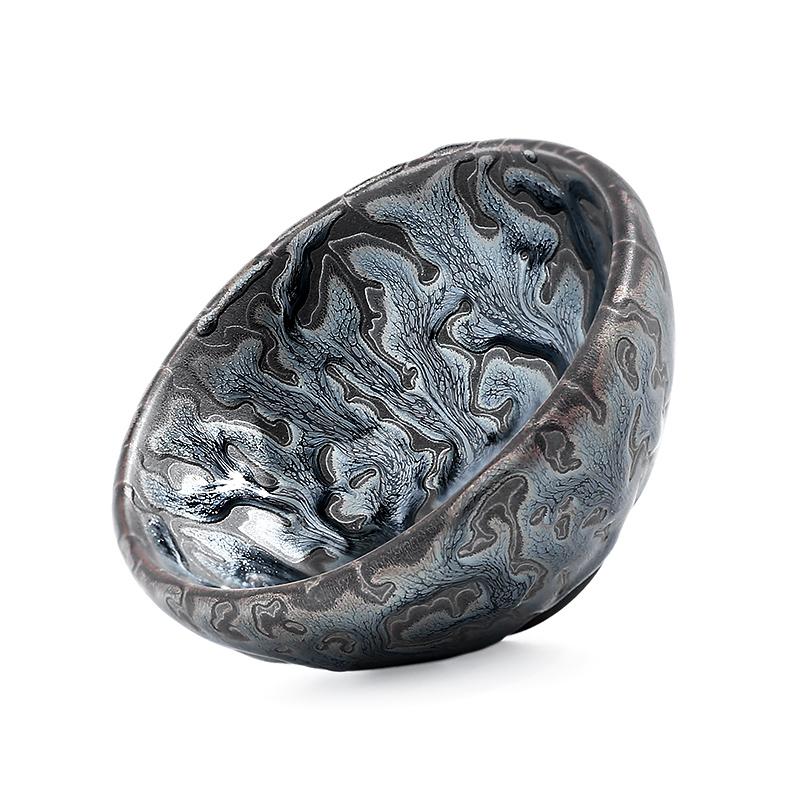
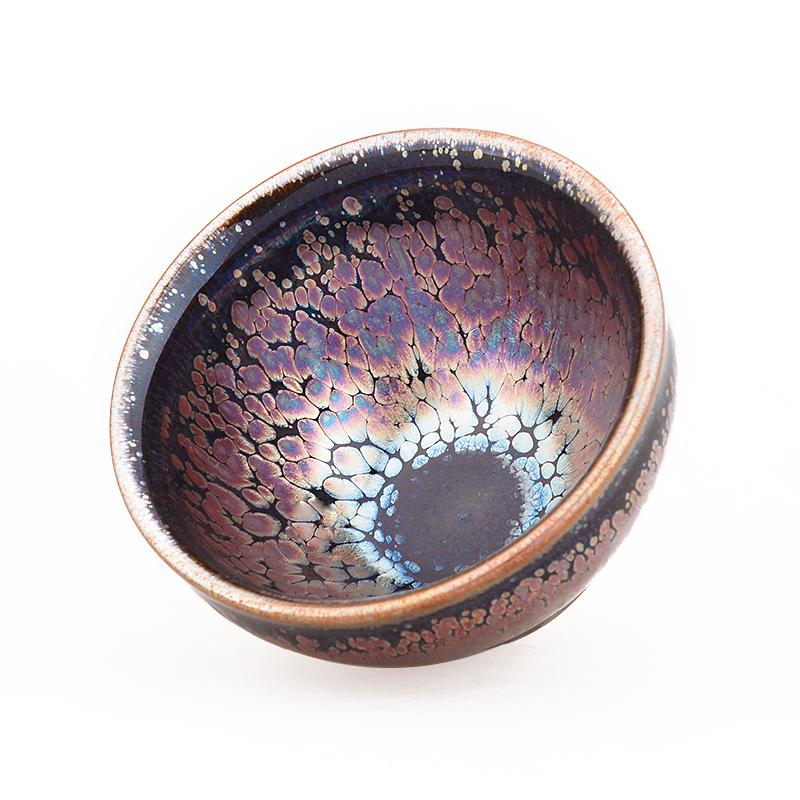
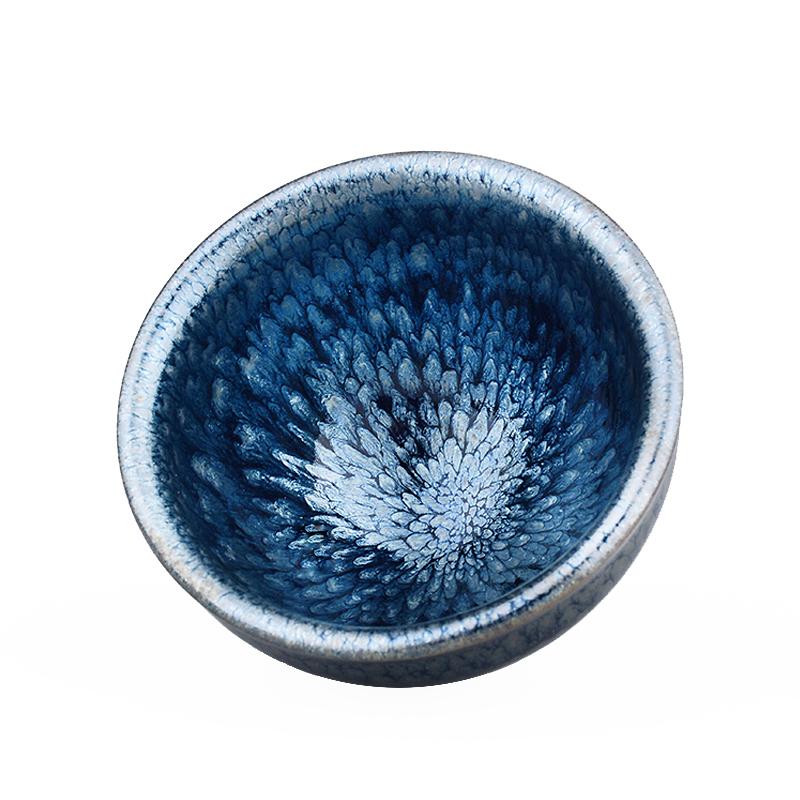
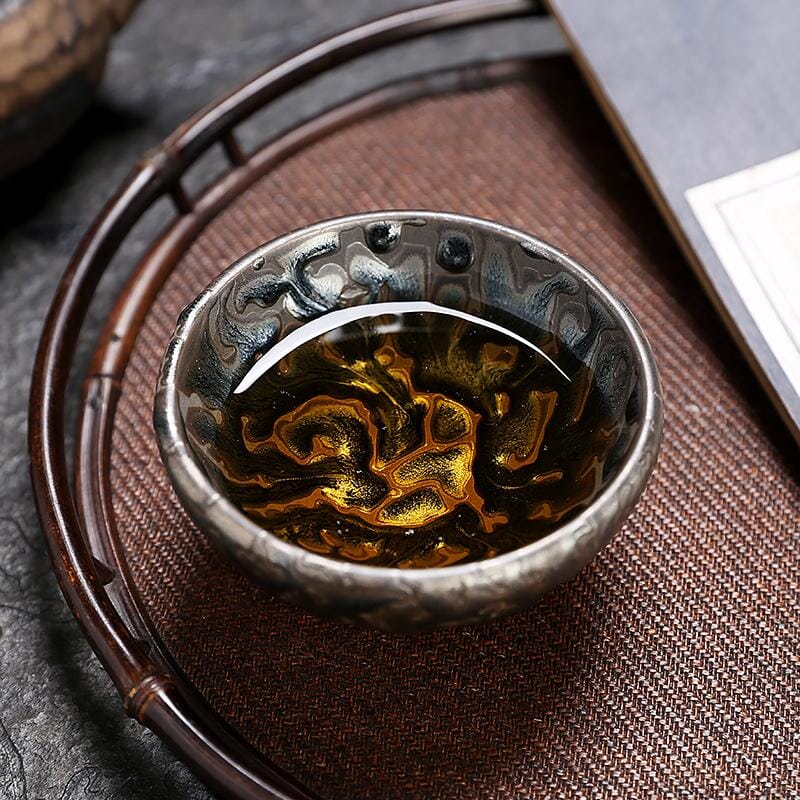
Its surface is usually dark, often with subtle streaks, speckles, or luminous patterns that become more visible as you rotate the bowl near a window. Rather than demanding attention from across the room, it rewards a closer look. That makes it well suited to a tea ritual: you pause, warm the bowl, pour tea, and notice what is in front of you.
Historically, the term tenmoku is connected to tea bowls that traveled from China to Japan. The story begins with Jianzhan Tenmoku ceramic made around the Jian kilns in Fujian, China, especially during the song dynasty. Japanese monks encountered prized bowls through tea culture and brought the appreciation for these dark glazes back to Japan, where they became influential in Japanese pottery and tea aesthetics.
That history is worth knowing, but you do not need a degree in ceramics to enjoy one. Think of it like using a cast-iron skillet: knowing its tradition is interesting, while the real value comes from how naturally it fits into your life.

How can a tenmoku tea bowl improve a gongfu tea ritual?
Gongfu tea is a Chinese style of brewing that uses more leaves, smaller vessels, and several short infusions. It is less about being complicated and more about paying attention: how the aroma changes, how the tea develops, and how a few minutes of brewing can create a clear break in the day.
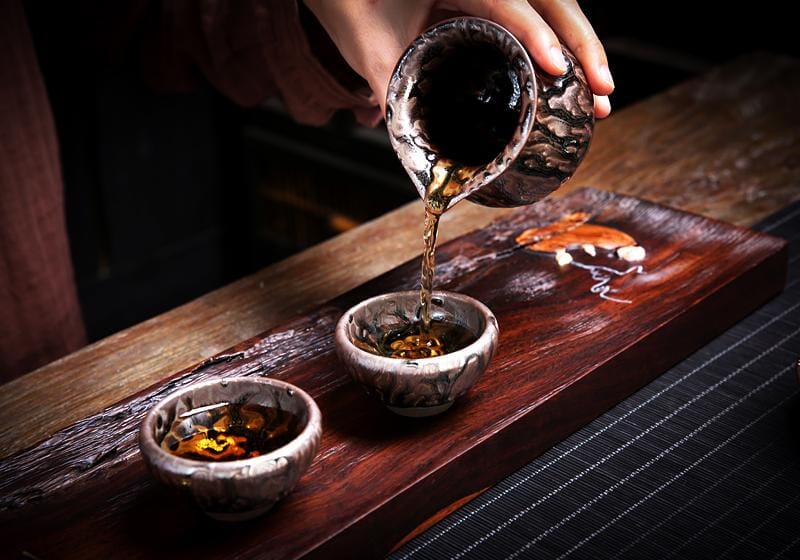
A tenmoku tea bowl works beautifully in this setting because it encourages a slower pace. Its open shape lets you take in the aroma before you sip. Its rounded form often rests comfortably in both hands, which naturally slows down the act of drinking. For people accustomed to a travel mug and a packed schedule, that difference can feel surprisingly restorative.
Dark glaze also creates an appealing visual contrast with pale or amber teas. A silver needle white tea, honey-colored oolong, or bright green tea can look striking against Jianzhan Tenmoku ceramic. This is not a performance requirement—good tea does not need special props—but it is part of the sensory pleasure.
Try a simple at-home ritual:
- Choose one tea and clear a small area of the counter or table.
- Warm the tenmoku tea bowl with hot water, then pour the water away.
- Brew a small infusion in your preferred teapot or gaiwan.
- Pour, wait for the tea to cool slightly, and take one sip before reaching for your phone.
- Notice one thing: aroma, color, warmth, texture, or the changing glaze in the light.
This takes only a few minutes. The point is not perfection; it is creating a repeatable transition between “busy” and “off duty.”
What makes a unique tea cup gift more personal than standard drinkware?
A useful gift is good. A useful gift that becomes part of someone’s routine is better. A unique tea cup gift can feel personal because it says, “I noticed what helps you slow down.” That is a different message from giving a generic kitchen item, even when both are practical.
For a host, a tea drinker, a design-minded coworker, or someone building a calmer home routine, a handmade bowl has built-in meaning. It is functional enough to use regularly and distinct enough to remember who gave it. Because handmade work varies, it can also feel chosen rather than picked off a shelf at the last minute.
A tenmoku tea bowl is especially fitting for these occasions:
- Housewarming: a refined addition to a new kitchen, reading corner, or home bar cart.
- Birthday: a gift for someone who enjoys coffee, tea, ceramics, cooking, or Japanese-inspired interiors.
- Wedding or anniversary: a pair of bowls can create a simple shared ritual.
- Holiday gifting: a tea cup gift for tea lovers who have outgrown novelty mugs.
- Thank-you gifting: a thoughtful tea ceremony gift for a host, mentor, or client when appropriate.
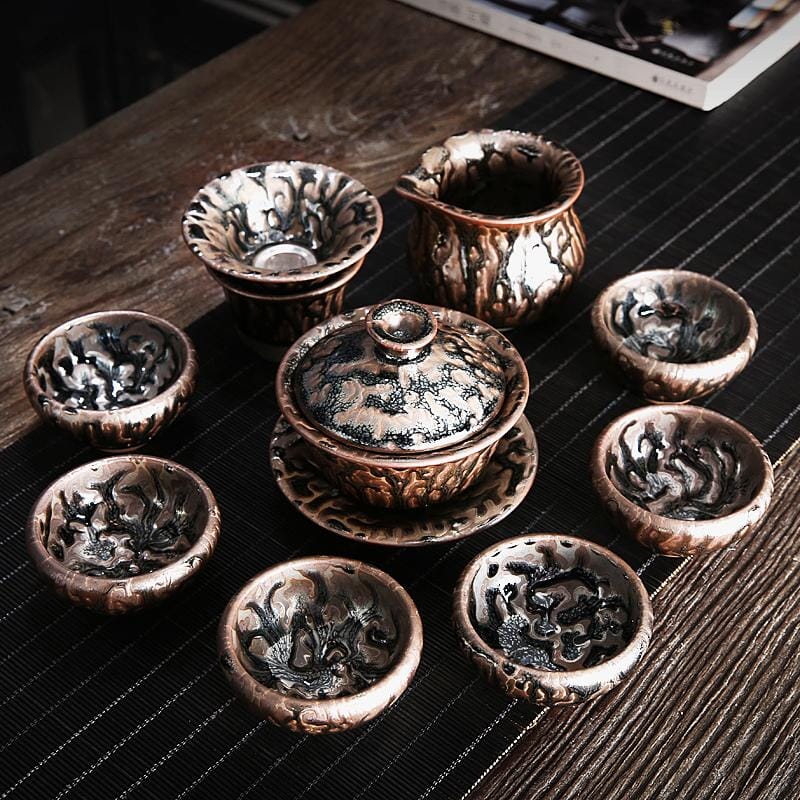
If you are assembling a handmade tea cup gift set, pair the bowl with tea that matches the recipient’s taste. Fragrant oolong, roasted tea, or a floral white tea can make the first use feel easy. Avoid assuming the recipient needs a full formal tea setup; one beautiful bowl and a small note explaining how to enjoy it are often enough.
Is a handmade tea cup gift set better than a matching factory-made set?
Neither option is automatically better. The right choice depends on how the recipient lives. A matching factory-made set can be ideal for larger gatherings, dishwasher-friendly convenience, or a clean, uniform table setting. Handmade jian zhan tea cups are a stronger fit when the point is individual character and a more tactile tea experience.
| Consideration | Handmade Tenmoku or Jianzhan | Factory-Made Matching Set |
|---|---|---|
| Visual character | Glaze variation and individual personality | Consistent color and shape |
| Best for | Personal rituals, gifting, small tea sessions | Entertaining larger groups and everyday uniformity |
| Buying mindset | Choose the specific bowl you connect with | Choose a coordinated look and quantity |
| Gift feeling | Personal, crafted, and distinctive | Practical, polished, and easy to share |
| What to check | Comfort, finish, size, care guidance | Material, durability, replacement availability |
Handmade does not mean flawless in the mass-produced sense. Small variations in glaze, tone, or contour are part of the process. They should look intentional and should not interfere with safe, comfortable use. If you are buying a tea cup gift for tea lovers, selecting a bowl with a shape and pattern that matches their personality is usually more meaningful than chasing a perfectly identical pair.
What is the difference between Jianzhan, Japanese pottery, and a Japanese tea bowl?
These terms overlap in conversation, but they are not interchangeable. Jianzhan generally refers to tea bowls connected to the historic Jian kiln tradition in Fujian, China. They are known for dark glazes and kiln-created effects that may resemble oil spots, hare’s fur, or subtle metallic movement.
Tenmoku is commonly used in English to describe the broader family of dark-glazed tea bowls and glazes associated with this history, including forms appreciated in Japan. A Japanese tea bowl, often called a chawan, is a broader category: it can be made in many styles, colors, and regions of Japan. Japanese pottery includes an even wider world of vessels and traditions.
For a shopper, the practical takeaway is simple: look at the maker’s description, the material information, the bowl’s form, and what you personally enjoy using. Do not buy a label alone. If a listing says japanese tenmoku for sale, check whether it describes a Japanese-made bowl, a Japanese-inspired style, or a bowl using a tenmoku-type glaze. Clear terminology is a sign of a more transparent shopping experience.
The same applies when you see tenmoku tea bowl for sale or handmade jian zhan tea cups online. Ask straightforward questions: Is it handmade? What is the stated origin? What care is recommended? Are the photos of the actual piece or a representative example? The goal is not to become overly cautious; it is to buy with enough context to enjoy the object for years.
How do you choose a tenmoku tea bowl as a tea ceremony gift?
Start with the recipient’s real routine. A bowl that feels wonderful in the hand is more valuable than one that only looks impressive in a product photo. For beginners, moderate size and a comfortably rounded rim are usually welcoming. Very large bowls can be dramatic but may not suit everyday gongfu tea.
Use this short buying checklist:
- Size: For small tea sessions, choose a bowl that holds a modest pour without feeling oversized.
- Weight: It should feel substantial but not tiring to hold when warm.
- Rim comfort: A smooth, pleasant drinking edge matters more than a dramatic silhouette.
- Glaze: Choose a surface that appeals to the recipient: quiet and dark, streaked, or more visually active.
- Care: Follow the seller’s guidance rather than assuming every handmade bowl is dishwasher or microwave safe.
- Context: Add a small bag of tea or a handwritten brewing suggestion to make the gift immediately usable.
For someone who enjoys a calm, considered home, a tea ceremony gift is not about recreating a museum ritual. It is about giving permission to make a normal Tuesday evening feel more deliberate.

Where can you find a tenmoku tea bowl that suits daily use?
Start with collections that explain the piece rather than relying only on dramatic product photography. Look for clear material descriptions, care guidance, multiple angles, and language that distinguishes historical inspiration from verified origin or maker details.
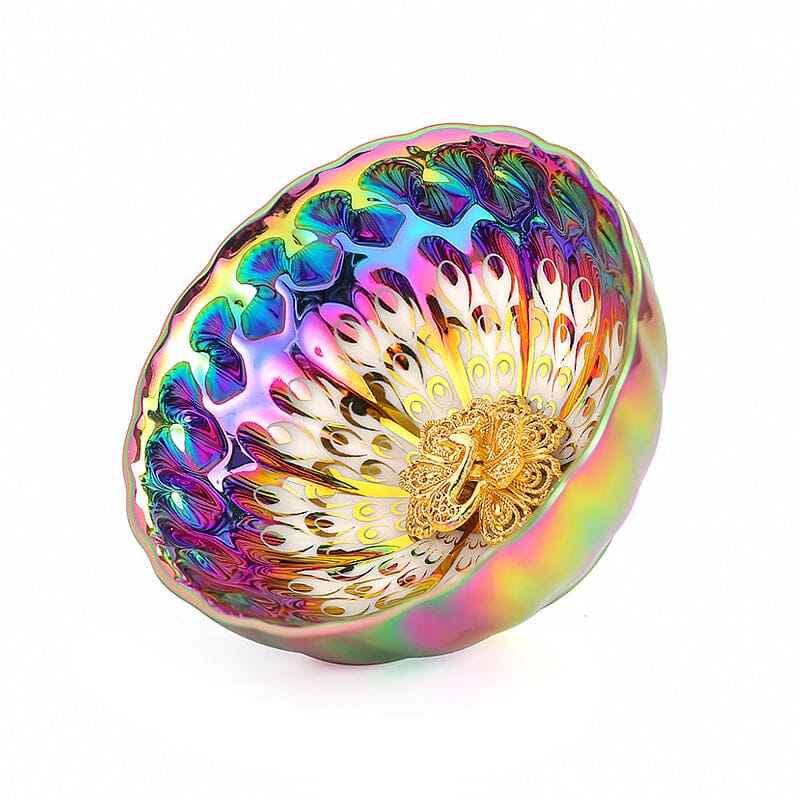
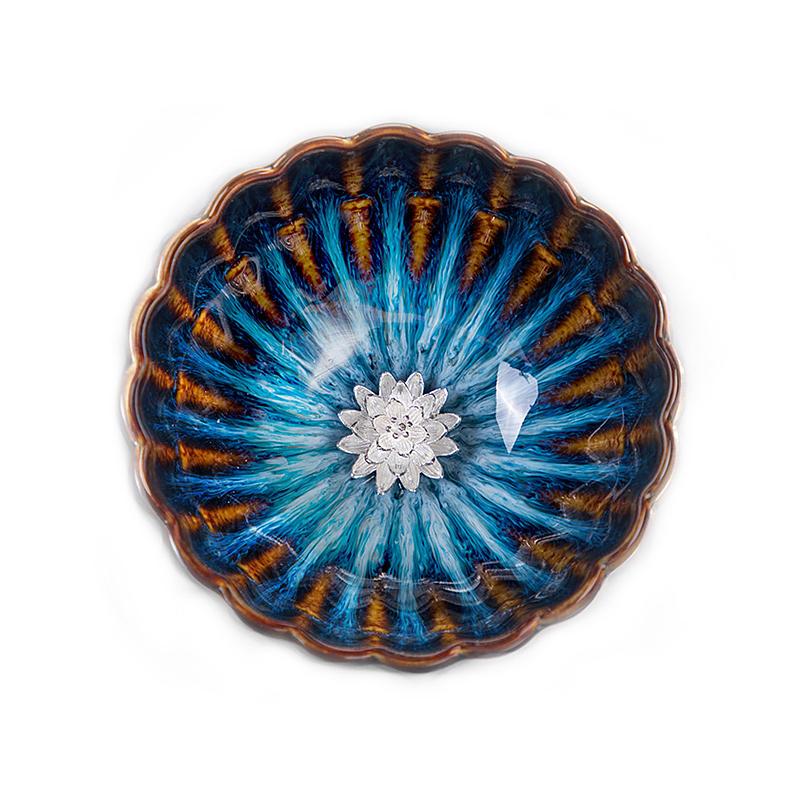
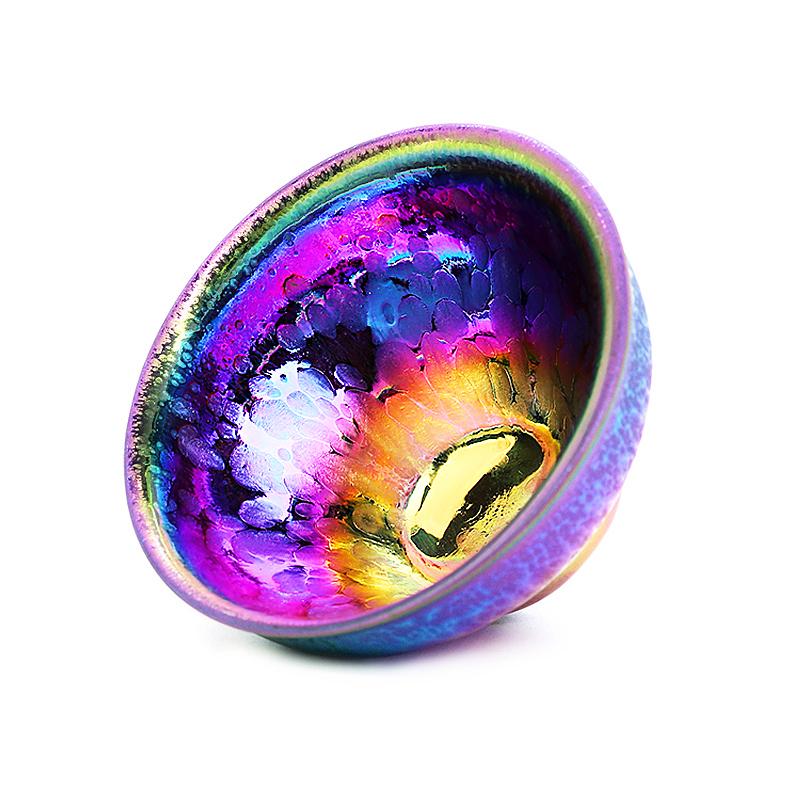
Explore our handmade Jianzhan tea cups if you want to compare individual glaze expression and shapes designed for everyday tea moments. If you are drawn to more luminous, speckled surfaces, Discover our collection of oil spot tenmoku cups to see how a darker bowl can catch light in a home setting.
A premium object earns its place through use. Choose one you will reach for on a quiet morning, after dinner, or when sharing tea with someone you care about. That is when a tenmoku tea bowl stops being décor and becomes part of your home’s rhythm.
Frequently Asked Questions
Is a tenmoku tea bowl a good unique tea cup gift?
Yes, especially for someone who enjoys tea, handmade objects, cooking, coffee culture, or intentional home rituals. Choose a comfortable size and include a small tea pairing if you want the gift to feel immediately approachable.
What makes a tenmoku tea bowl a meaningful tea ceremony gift?
It supports a slower, more attentive way of drinking tea without requiring formal training. Its dark glaze, handmade character, and connection to tea history make it feel considered while remaining useful every day.
Should I buy a handmade tea cup gift set or one individual bowl?
Choose a set for couples, hosts, or shared tea rituals. Choose one exceptional bowl for a recipient who values personal objects and may enjoy selecting it as their own daily cup.
Is a tea cup gift for tea lovers suitable for beginners?
Absolutely. A beginner does not need advanced knowledge to enjoy a well-made bowl. Add a simple note suggesting a favorite tea and encourage them to use it casually, not only for special occasions.
Are handmade Jianzhan tea cups the same as every Japanese tea bowl?
No. Jianzhan is linked to a Chinese Jianzhan Tenmoku ceramic tradition from Fujian, while Japanese tea bowls belong to a broad range of Japanese ceramic traditions. Tenmoku is often used for the historical and stylistic connection between them, but the terms should not be treated as identical.
Can I use a tenmoku tea bowl for coffee or other drinks?
Yes, if the maker’s care and food-use guidance supports it. Many people enjoy one for coffee, matcha, herbal tea, or a small dessert. Still, tea is often the best starting point because it lets you notice the bowl’s warmth, shape, and glaze in a simple way.
Make room for one small ritual
A tenmoku tea bowl is not a shortcut to a perfect life, and it does not need to be treated like a precious object that never leaves the cabinet. Its appeal is more grounded: it gives a familiar drink a little more presence.
Choose a bowl that feels right in your hands, brew a tea you genuinely enjoy, and let the ritual stay simple. For yourself or as a tea cup gift for tea lovers, that combination of craft and everyday usefulness is what makes it worth bringing home.
Explore Our Collection
Ready to experience the world of tenmoku tea bowl? Browse our curated collection:
Disclaimer: This article is for informational purposes. Products and pricing subject to change.


Share:
Why a Tenmoku Tea Bowl Can Be Worth the Price for Gongfu Tea Lovers
Tenmoku Tea Bowl Authenticity Guide: Buy With Confidence