

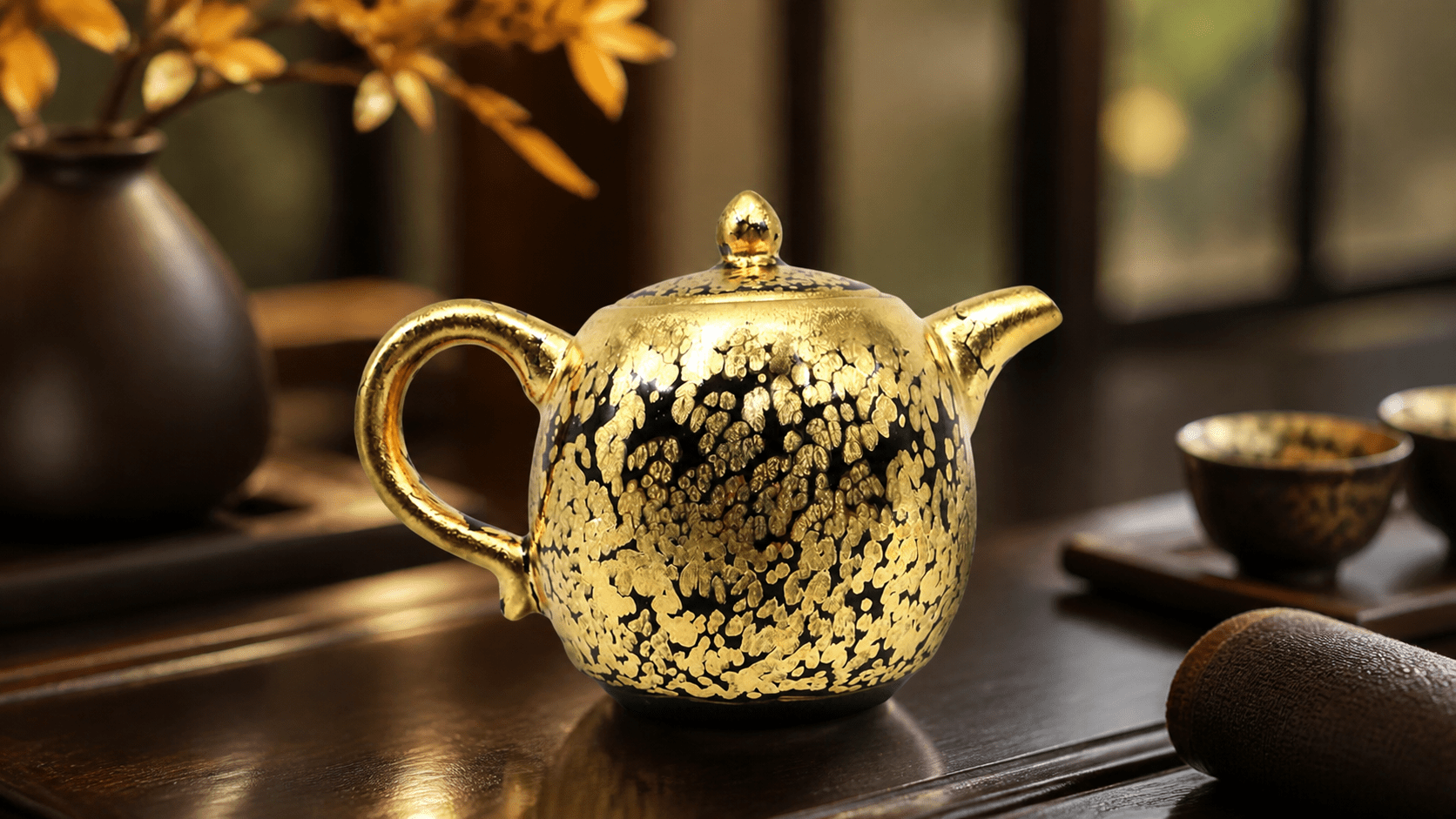

Tenmoku Tea Bowl Value: What You’re Really Paying For
A tenmoku tea bowl costs more than an ordinary cup because its finish is created through demanding handwork and a kiln process that cannot be fully controlled or repeated. If you enjoy brewing oolong tea gongfu style or want a meaningful gift for tea lovers, a handmade Jianzhan can offer a daily-use object with the presence of small-scale ceramic art.
Think of it less like buying identical wine glasses and more like choosing a hand-finished watch strap, a chef-made tasting menu, or a limited-run photograph: the value is in the maker’s judgment, the materials, and the result that survived the process.
Key Takeaways
- A tenmoku tea bowl is priced for skilled labor, firing risk, glaze development, and individual character—not just clay.
- Patterns such as hare’s fur and oil spot are kiln outcomes; a maker can guide them but cannot duplicate them on command.
- The best value Jianzhan is not automatically the cheapest or the most visually dramatic. It should feel balanced, be well finished, and fit how you actually drink tea.
- For gifts, provenance, clear product details, safe packing, and a shape the recipient will use often matter as much as a striking glaze.
Why Is Tenmoku Expensive Compared With an Everyday Tea Cup?
The short answer is labor plus uncertainty. A mass-produced cup is designed to make thousands of matching pieces with predictable results. A handmade tenmoku tea bowl is shaped, glazed, loaded, fired, cooled, inspected, and often rejected one at a time or in small batches.
Jianzhan refers to dark-glazed tea bowls associated with Jian ware from China. The word tenmoku is widely used in English-language tea culture, especially when discussing bowls connected with Japan and Japanese tea ceremony traditions. In US shopping terms, you may see the same broad family described as a Jianzhan, a tenmoku glaze bowl, or a Japanese tea bowl-inspired piece. The labels can overlap, but they do not automatically mean every item has the same origin, method, or quality.
Several costs are built into a serious handmade bowl:
- Clay preparation: The body must be workable for forming and sturdy enough for high firing.
- Hand forming and trimming: A comfortable rim, stable foot, and balanced weight require touch and correction, not just a mold.
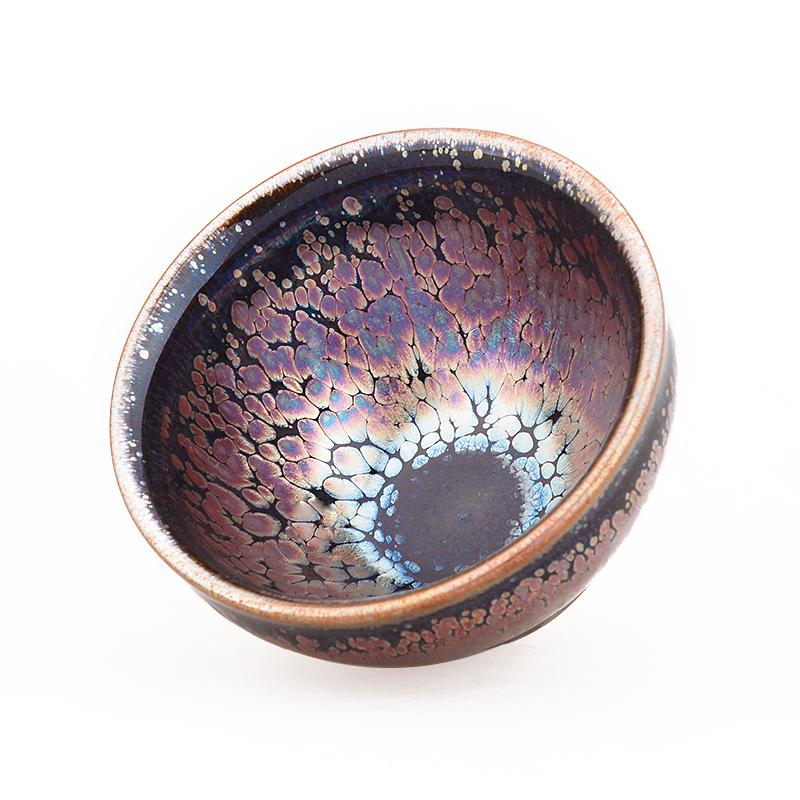
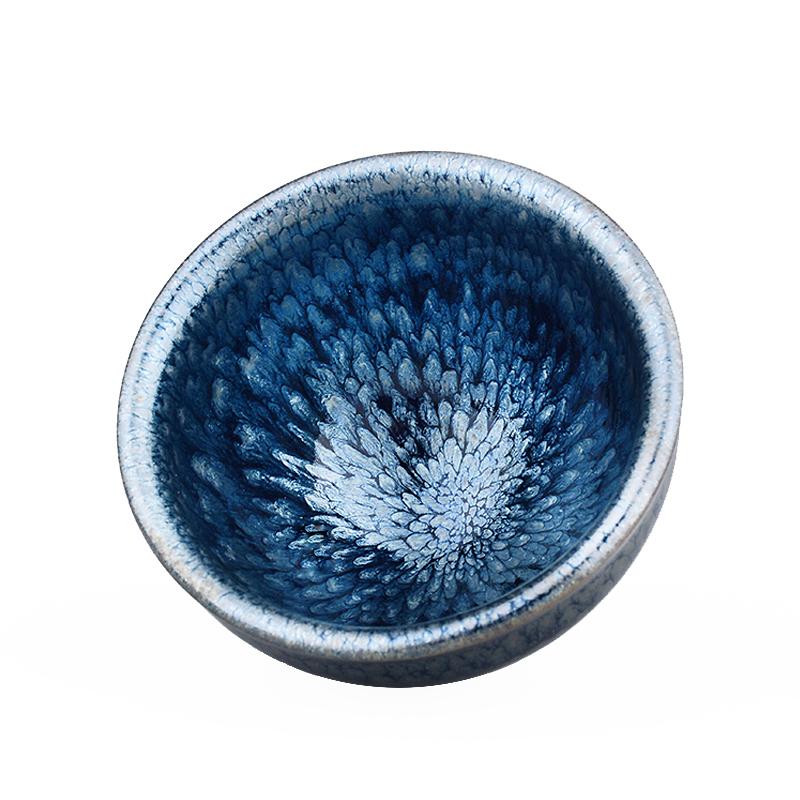
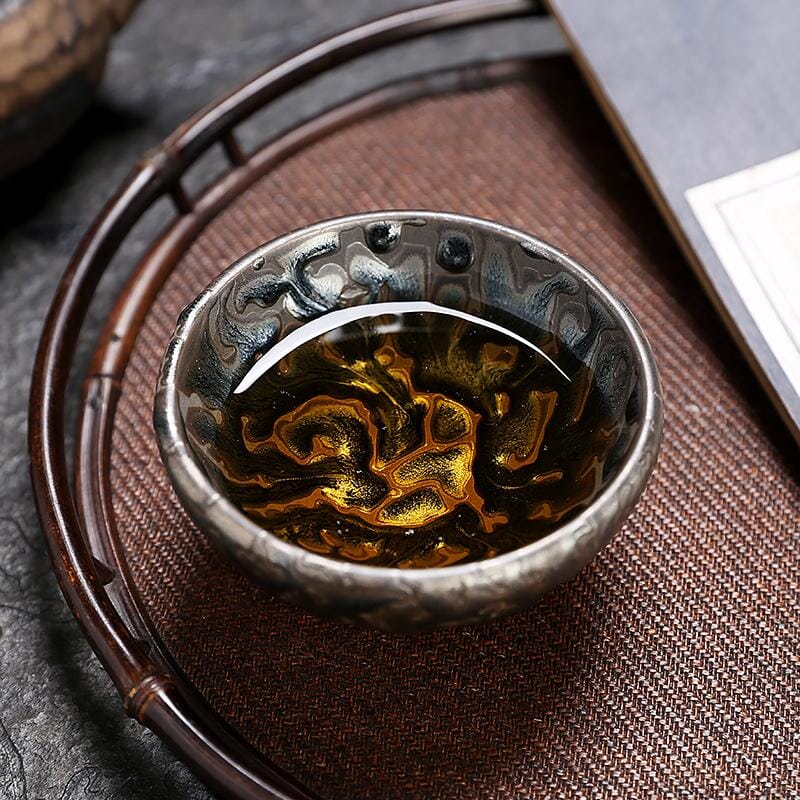
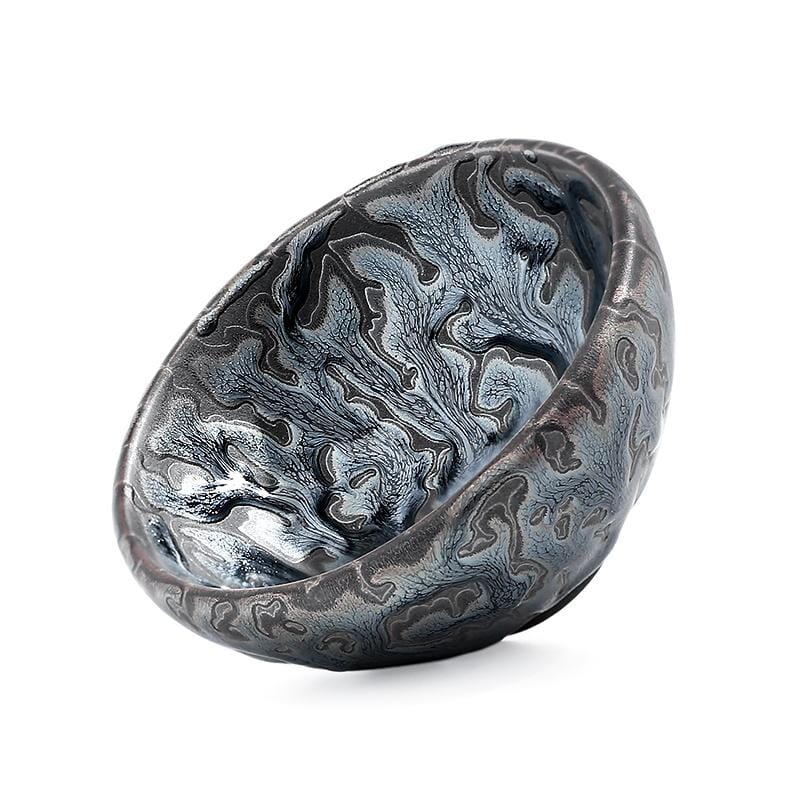
- Glaze testing: Dark glazes can reveal depth, metallic-looking spots, or fine streaks only when the material and firing work together.
- Kiln space and fuel: A firing consumes time, energy, and limited kiln capacity whether every bowl succeeds or not.
- Losses and sorting: Cracks, warping, glaze defects, and weak color development may make pieces unsuitable for sale.
That final point is easy to underestimate. With luxury leather, a small flaw may be trimmed away. With a fired ceramic bowl, the object is already finished; the maker cannot simply redo one imperfect section. The jian zhan cost therefore reflects both the pieces you can buy and the work behind pieces that never pass inspection.
What Determines a Tenmoku Tea Bowl Price?
A tenmoku tea bowl price should be understood as a range of value signals, not a single universal number. Two bowls can look similar in a product photo yet differ in weight, glaze depth, firing quality, finish, source transparency, and the amount of hands-on work involved.
| Value factor | What to look for | Why it affects price |
|---|---|---|
| Maker involvement | Clear description of hand forming, trimming, glazing, and firing | More skilled hands-on work usually means more time per bowl. |
| Glaze result | Depth, even development, and patterns that remain interesting in natural light | Strong hare’s fur or oil spot effects are difficult to achieve consistently. |
| Shape and finish | Comfortable lip, stable foot, smooth touch points, and visual balance | These details affect daily use and show careful finishing. |
| Firing method | Specific, plain-language information rather than vague luxury claims | Higher-risk or longer firing processes can increase labor and loss. |
| Seller transparency | Accurate photos, dimensions, care guidance, and return policies | Better information helps you judge the purchase with less guesswork. |
Do not treat a flashy surface as the only measure of quality. A glaze can look dramatic under studio lights but feel ordinary at the tea table. Ask whether the bowl has visual depth in normal indoor light, whether its rim is comfortable, and whether the foot sits securely. Those qualities matter when you are pouring and sipping several small rounds of gongfu tea.
Also avoid assuming that “rare” means “better.” A rare-looking glaze can be appealing, but rarity claims need support. A trustworthy seller explains what you are purchasing without turning every variation into a museum-grade promise.
What Is the Best Value Jianzhan for a First-Time Buyer?
The best value Jianzhan is the bowl you will reach for repeatedly, not the one with the most extravagant description. For curious beginners, prioritize fit, finish, and honest product information before chasing a specific visual effect.
Use this practical buying checklist:
- Choose a usable size. For gongfu tea, many people prefer a smaller bowl that lets tea cool slightly and highlights aroma. If you drink casually at a desk, a larger cup may be more useful.
- Check the rim. The lip should look and feel smooth. A bowl can be visually bold without being pleasant to drink from.
- Look at the foot ring. A stable base protects the table and helps the bowl feel deliberate rather than rough.
- Read the dimensions. Photos can make bowls appear larger or smaller than they are. Diameter and capacity are more useful than impressions alone.
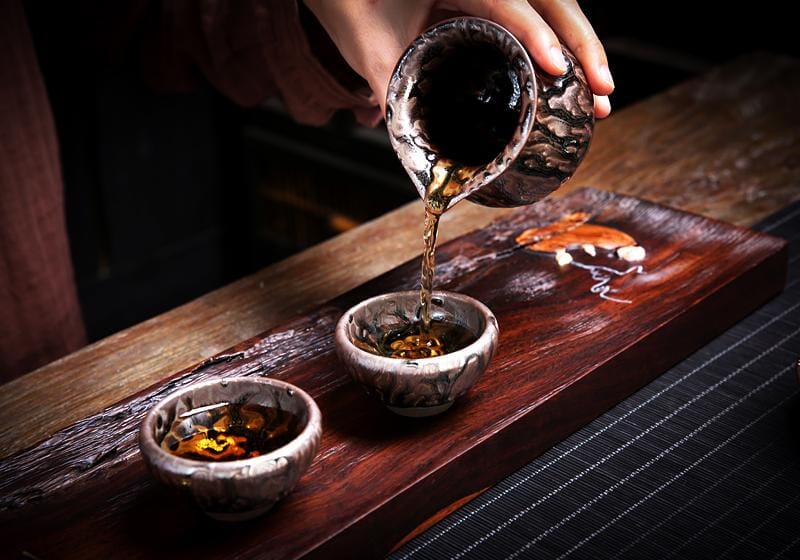
- Buy for your tea habit. A dark tenmoku glaze can create a beautiful contrast with amber oolong tea, roasted tea, and pale foamy tea. Choose a glaze you enjoy seeing during your own ritual.
- Verify what is stated. “Handmade,” “Jianzhan,” and “Japanese-inspired” describe different things. Look for clear wording about the actual product.
A well-made mid-range bowl with a restrained, thoughtful glaze can be a smarter first purchase than a highly priced collector-oriented piece. It gives you the sensory experience—weight, warmth, contrast, and ritual—without asking you to buy solely on scarcity.
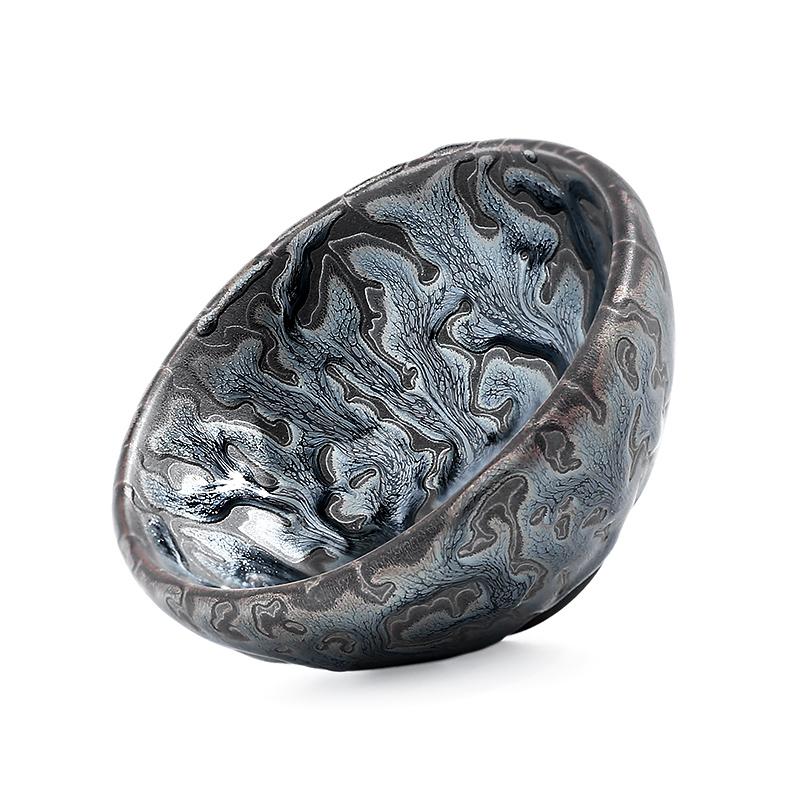
For a focused starting point, Browse our hare’s fur Jianzhan series. Hare’s fur describes fine streak-like glaze effects that can feel subtle from a distance and rewarding up close, much like the grain in walnut wood or the texture of a tailored wool fabric.
Are Handmade Jianzhan Tea Cups Worth It as a Gift for Tea Lovers?
Yes—when the bowl matches the recipient’s habits and the gift is presented honestly. Handmade Jianzhan tea cups work especially well for people who enjoy slow mornings, loose-leaf tea, home bartending-style rituals, design objects, or learning about tea culture.
The gift value is not that the recipient must become an expert in Chinese or Japanese tea ceremony. It is that a good bowl creates a small pause in an ordinary day. Pouring tea into a bowl with a deep tenmoku glaze can make a five-minute break feel intentional.
For a premium gift, select based on the recipient:
- For the curious beginner: choose an approachable shape, clear care instructions, and a versatile glaze.
- For the gongfu tea drinker: choose a smaller, easy-to-hold bowl that complements repeated infusions.
- For the design-focused recipient: choose a distinct surface, but make sure it is shown accurately in multiple lighting conditions.
- For the tea ceremony enthusiast: avoid assuming one bowl suits every practice. A Japanese tea bowl may be chosen differently from a compact gongfu tasting cup.
If you are comparing japanese tenmoku for sale listings with handmade jian zhan tea cups, focus on the listing’s actual claims rather than the romance of the wording. “Japanese” may describe style, market category, or a product made in Japan; it should not be treated as proof of origin unless the seller states that clearly.
How Can You Tell Whether a Tenmoku Tea Bowl for Sale Is Fairly Priced?
A fair listing makes it easy to understand what you are buying. It does not need to make grand claims. It should give you enough information to compare one tenmoku tea bowl for sale with another on real criteria.
Before purchasing, check for:
- Multiple product photos, including the interior, rim, foot, and scale in hand or beside a familiar object.
- Dimensions, approximate capacity, and whether the item is a one-of-one or a representative photo.
- A description that distinguishes observable features from cultural stories or unverified claims.
- Care guidance, shipping protection, and a clear policy for damage in transit.
- Details about whether the bowl is handmade, how it is finished, and any visible natural variation.
A useful comparison question is not simply, “Why tenmoku is expensive?” Ask, “What part of this price comes from workmanship I can see and use?” A refined rim, stable stance, considered proportion, and nuanced glaze are more meaningful than a long list of vague adjectives.
Explore our handmade Jianzhan tea cups if you want to compare shapes and glaze expressions with everyday tea use in mind.
FAQ: Tenmoku Tea Bowl Cost and Value
Why is tenmoku expensive?
Tenmoku is often expensive because handwork, high-temperature firing, glaze experimentation, kiln fuel, and rejected pieces are built into the final price. The visual pattern is not simply printed on; it develops during firing.
What is a reasonable tenmoku tea bowl price?
A reasonable tenmoku tea bowl price depends on size, maker involvement, glaze quality, finish, seller transparency, and origin claims. Compare product details and craftsmanship instead of relying on one price point alone.
What affects Jianzhan cost the most?
Jianzhan cost is strongly affected by skilled labor, firing risk, glaze development, kiln time, and how selectively finished bowls are sorted. Distinctive surfaces can take more trial and loss to achieve.
What is the best value Jianzhan for daily gongfu tea?
The best value Jianzhan for daily gongfu tea is one that fits comfortably in your hand, has a smooth rim and stable foot, and is sized for the amount you drink. A practical bowl you use often delivers more value than a dramatic piece kept in a cabinet.
Are handmade Jianzhan tea cups better than factory-made cups?
They are not automatically better for every buyer, but handmade bowls can offer individual glaze variation, tactile character, and closer attention to form. Factory-made cups may be the better choice if matching sets and lower cost are your priorities.
Is a Japanese tea bowl the same as a tenmoku tea bowl?
Not always. A Japanese tea bowl is a broad category, while tenmoku generally refers to a dark-glaze tradition or aesthetic. Read each listing carefully for the specific material, place of production, and intended use.
Choose Value You Can Feel at the Tea Table
A tenmoku tea bowl earns its premium when the price reflects visible care, honest information, and an object you want to use. The most satisfying purchase is rarely the one with the loudest rarity claim; it is the bowl that makes your tea feel more deliberate every time you lift it.
Whether you are choosing your first jianzhan, comparing a tenmoku tea bowl price for a gift, or building a more considered tea ritual, start with craftsmanship, comfort, and clarity. Those are the details that remain valuable long after the unboxing.
Explore Our Collection
Ready to experience the world of tenmoku tea bowl? Browse our curated collection:
Disclaimer: This article is for informational purposes. Products and pricing subject to change.


Share:
The Tenmoku Tea Bowl: A Journey Through Fire, Clay, and Timeless Tea Ritual
Tenmoku Tea Bowl: Bring Everyday Luxury to Your Tea Ritual