

The tenmoku tea bowl is more than a piece of handmade ceramic; it's a living link to Song Dynasty tea culture. I'm Dr. Elena Chen, and I've spent over two decades studying jian zhan history and collecting tenmoku artisan pieces. Whether you're savoring matcha in a traditional Japanese tea room or brewing gongfu tea in your Austin kitchen, this bowl transforms the ritual into something profound.
What Exactly Is a Tenmoku Tea Bowl, and Why Does It Matter?
The tenmoku tea bowl (also called Jianzhan or Jian Yao) originated in the Jian Kilns of Fujian, China, during the Song Dynasty. The name “tenmoku” comes from the Chinese Tianmu Mountain, where Japanese monks first encountered these dark, glazed bowls during their Buddhist studies and carried them back to Japan. In Japan, these bowls were treasured in tea ceremonies and later became known as matcha bowl favorites.
- Iron-rich glaze – The signature black-brown glaze is packed with iron, which crystallizes during firing into spectacular patterns.
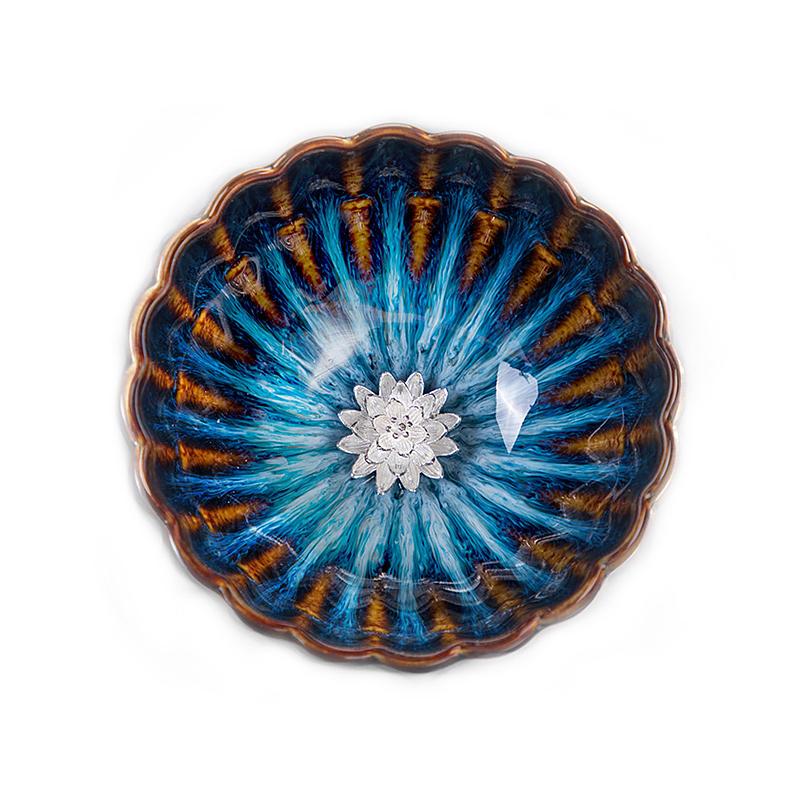
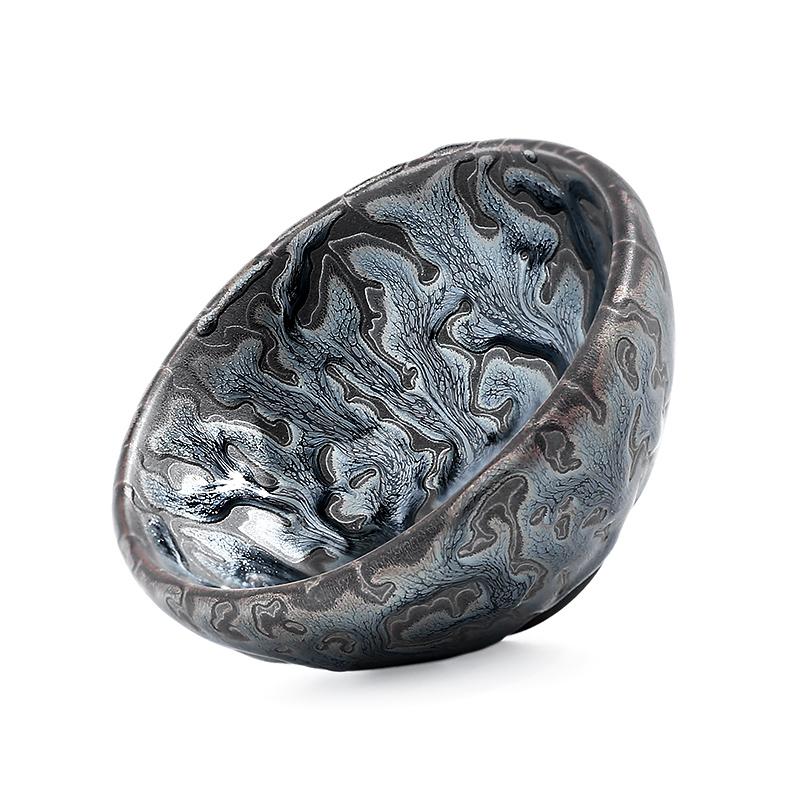
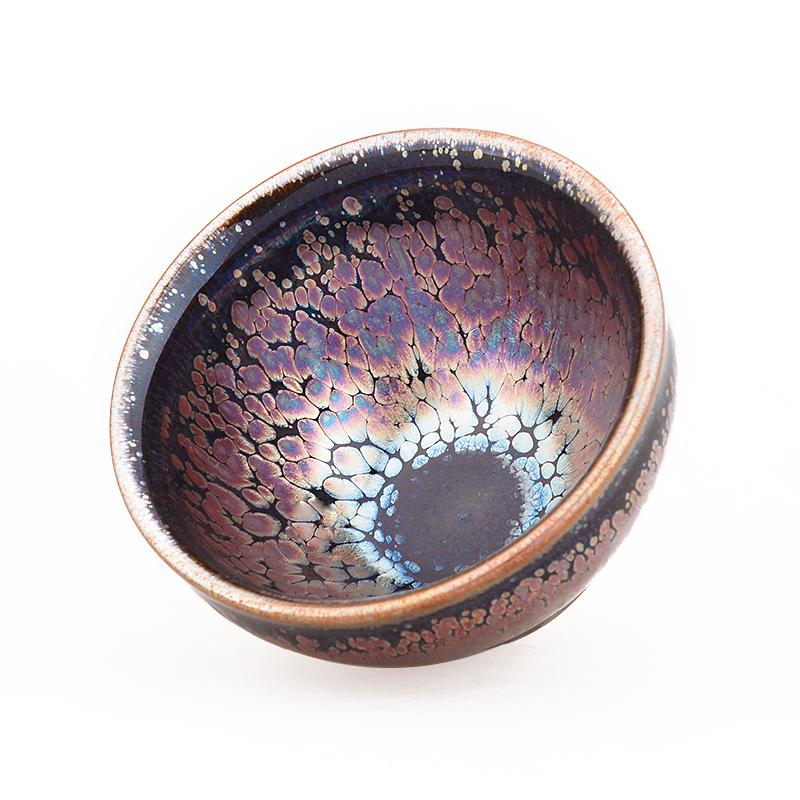
- Hare's fur – The most famous glaze effect, looking like fine silver-brown streaks running down the bowl.
- Perfect for tea – The thick walls retain heat, enhancing the flavor and aroma of your tea.
This bowl isn't just a vessel; it's a storyteller. Every crackle, streak, and speck is a record of fire and clay dancing together.
How Did the Song Dynasty Tea Culture Shape the Tenmoku Legacy?
To understand the tenmoku bowl, we have to step into the song dynasty tea culture. During the Song period, tea was prepared by whipping powdered tea into a frothy foam using a bamboo whisk. The height of artistry wasn't just in the tea itself—it was in the contrast between the froth and the bowl.
The dark, iron-rich glaze of the Jianzhou black bowls provided the perfect dramatic backdrop for the pale green foam. This isn't just a historical footnote; it's the very reason the fujian tea bowl tradition became the gold standard for tea connoisseurs. The bowls were so highly regarded that they were collected by emperors and monks alike. The jian zhan history is deeply intertwined with the rise of the tea ceremony itself.
When Japanese monks returned to their homeland, they brought these bowls with them, and the tenmoku—meaning “from Tianmu Mountain”—became a cultural treasure in Japan. This cross-cultural journey gave us the name we still use today.
Who Are the Tenmoku Artisans Keeping the Craft Alive?
One of my most memorable journeys was visiting a master tenmoku artisan in the hills of Fujian. I watched as she mixed her glaze, a secret recipe passed down through four generations, then carefully dipped each bowl by hand. She told me that firing a kiln is like raising a child: you provide the conditions, but you never control the outcome.
“Each bowl is a silent poem written by fire and air. My job is simply to listen.”
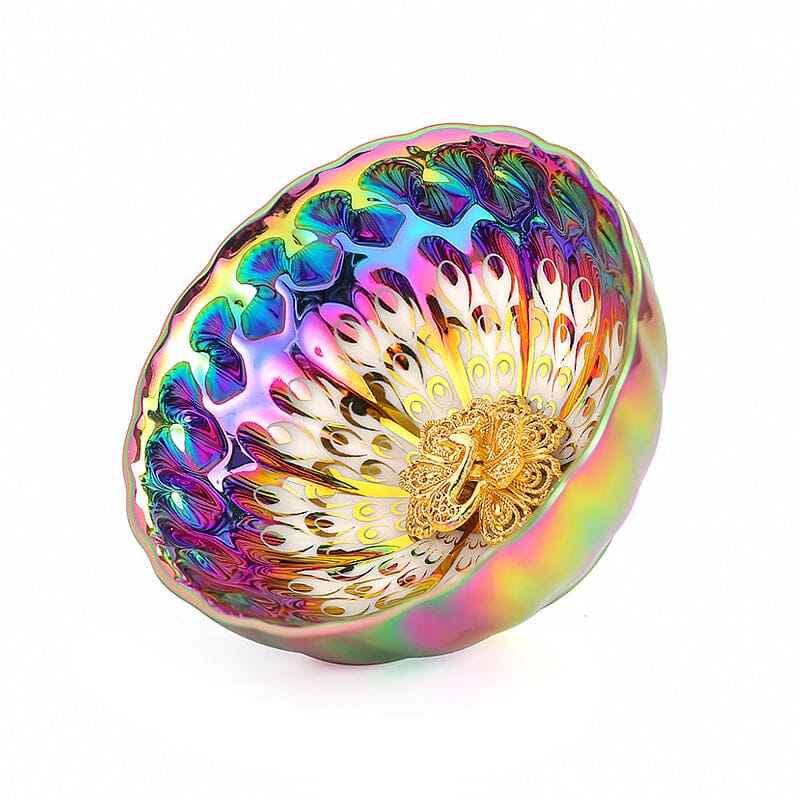
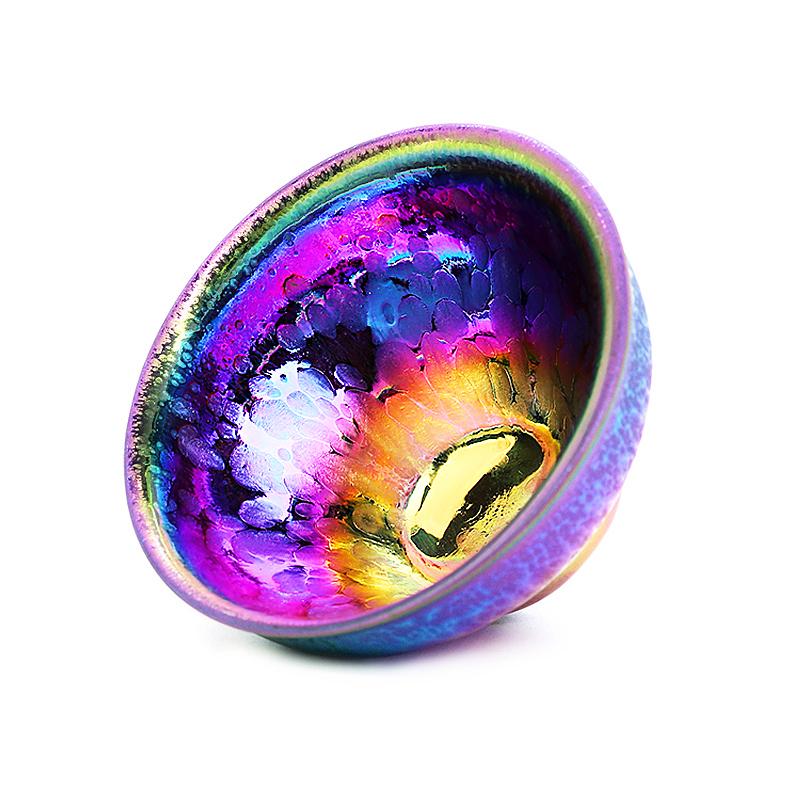
Modern tenmoku artisans still use wood-firing and reduction atmospheres to coax out the hare's fur, oil spots, or rainbow crystals that make each piece unique. This is the beauty of handmade ceramic: no two bowls are identical. When you hold an authentic jian zhan tea cup, you're holding a singular piece of art.
I've seen young potters in Oregon and Kyoto take up this ancient tradition, learning to balance chemistry and intuition. The tenmoku glaze is notoriously finicky—too much oxygen and the pattern fades; too little, and it turns dull. That's what makes the craft so mesmerizing.
Why Is a Handmade Tenmoku Ideal for Gongfu Tea and Matcha?
Today, tenmoku bowls are loved not just for their history but for their performance. In gongfu tea—the traditional Chinese method of brewing in small, concentrated infusions—a tenmoku bowl offers excellent heat retention, which helps unlock complex flavors from oolong, pu-erh, or black teas.
For matcha lovers, the wide opening of a tenmoku bowl (often called a matcha bowl when it's large enough) allows the whisk to move freely and creates that beautiful, frothy finish. The dark interior makes the bright green of matcha pop, just as it did for Song dynasty monks.
If you're ready to bring one home, Explore our handmade Jianzhan tea cups to see the range of styles we've curated from artisan workshops.
Which Tenmoku Glaze Speaks to You?
Here's a simple comparison table of the most celebrated glaze patterns—and what they say about your tea personality.
| Glaze Pattern | Appearance | Best For | Rarity |
|---|---|---|---|
| Hare's Fur | Fine silver-brown vertical streaks | Classicists, gongfu purists | Common |
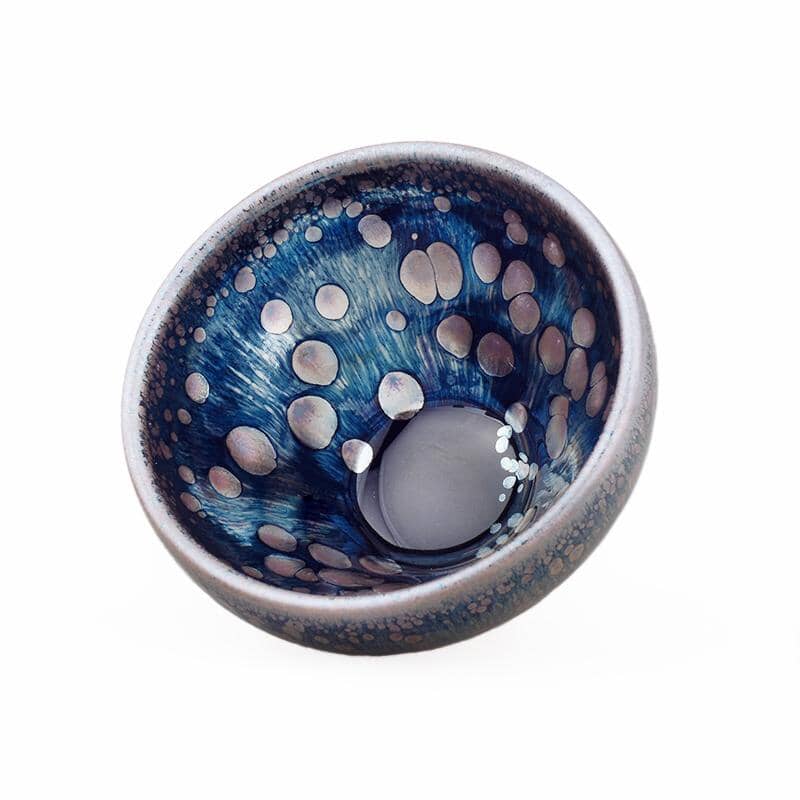
| Oil Spot | Shimmering bronze/silver spots | Collectors who love geometric patterns | Rare |
| Partridge Feather | Tyrian purple base with brush-like lines | Romantic minimalists | Very rare |
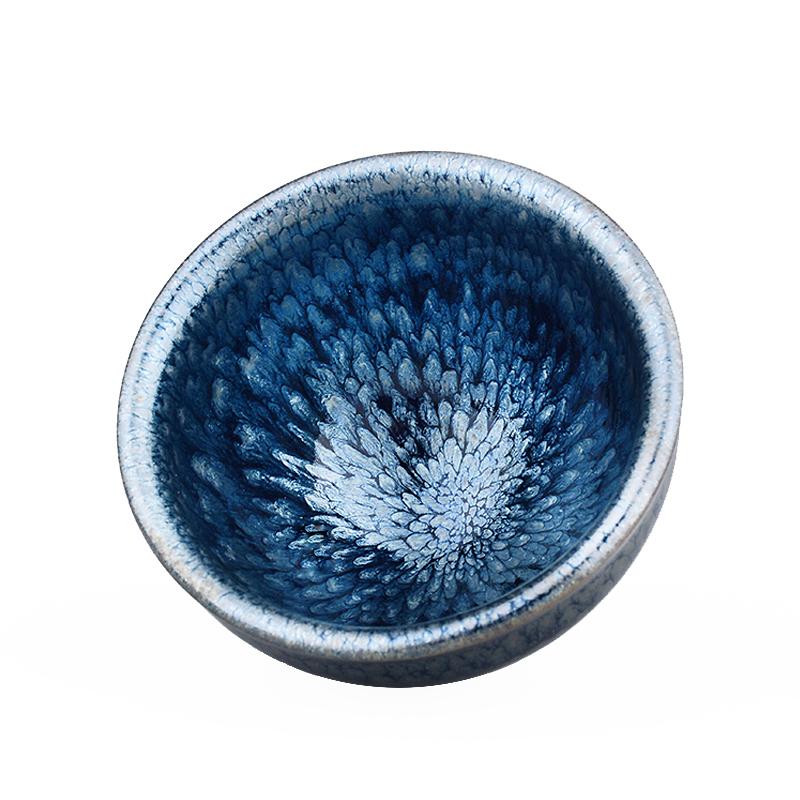
| Yohen (Kiln Change) | Blue/purple rainbow halo | Bold risk-takers | Extremely rare |
If the classic movement of the hare's fur pattern resonates with you, you'll love our curated selection. Browse our hare's fur Jianzhan series—each one unique and hand-selected.
How Do You Choose, Use, and Care for Your Authentic Jianzhan Tea Cup?
Ready to own a piece of history? Here's my personal advice from years of collecting and using these vessels.
Choosing
- Look for authenticity – Ask if the cup is an authentic jian zhan tea cup from a known artisan. Avoid machine-made imposters that use decal glazes.
- Feel the weight – Real tenmoku bowls are heavy and thick-walled, not flimsy.
- Check the foot – A handmade piece will have slight irregularities in the clay and bare spots at the foot, where it was held during glazing.
Using
Before your first gongfu tea session, gently simmer the bowl in plain water for about 15 minutes to cleanse it. Then, enjoy—no soap ever. The patina that builds over time is part of the story.
Caring
Hand wash with warm water, dry, and store without stacking heavy bowls on top. Your tenmoku will develop a subtle “rainbow” sheen with use—a phenomenon many collectors chase.
And if you're looking for the perfect present, a jianzhan tea cup gift is a meaningful choice for any tea lover. It's not just a cup; it's a practice, a history, a moment of mindfulness.
Frequently Asked Questions
What makes a tenmoku tea bowl different from a regular ceramic teacup?
A tenmoku tea bowl uses an iron-rich glaze that crystallizes into distinct patterns like hare's fur or oil spots. Because it's fired at high temperatures with careful kiln reduction, it has a unique texture and depth that mass-produced cups lack.
Can I use a tenmoku tea bowl for both matcha and gongfu tea?
Absolutely. A larger tenmoku bowl works beautifully as a matcha bowl for whisking, while a smaller one is perfect for gongfu tea sessions. The thick walls keep tea hot and enhance the mouthfeel.
How can I tell if my tenmoku tea bowl is truly handmade?
Look for slight variations in the glaze, a raw unglazed foot with rough texture, and subtle fingerprints inside. Ask the seller about the tenmoku artisan who made it. Truly handmade Jianzhan pieces aren't perfectly uniform—they're uniquely alive.
What is the significance of hare's fur in jian zhan history?
Because of the high iron content in the glaze, hare's fur streaks appear when iron crystals form and flow during firing. It became the most prized and representative pattern of jian zhan history, respected by emperors and tea masters alike.
Is a tenmoku tea bowl a good gift for someone new to tea?
Yes! It's an accessible way to begin a deeper tea practice. A jianzhan tea cup gift shows you care about their ritual, and the handcrafted beauty makes it a conversation starter. Plus, it works with any tea style—from gongfu to matcha to simple loose leaf.
These bowls have traveled from Song dynasty monasteries to modern tea tables, carrying stories in their shimmering surfaces. As you hold your first tenmoku tea bowl, I hope you feel that ancient warmth—the fire of the kili, the hands of the artisan, and the quiet joy of a perfect cup.
My advice? Choose the one that makes you slow down and listen to your breath. That's the one that will become part of your story.
Explore Our Collection
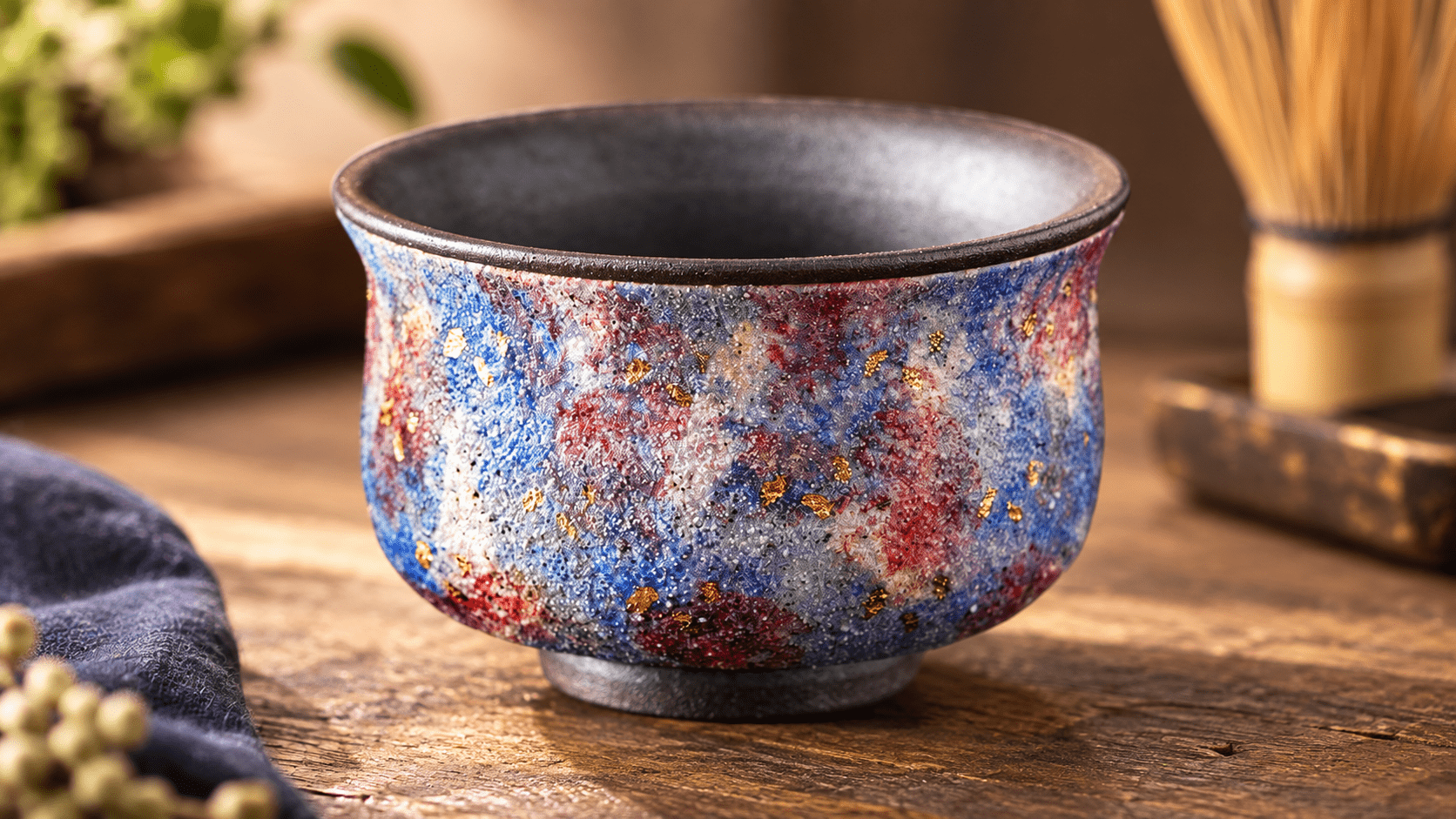
Ready to experience the world of tenmoku tea bowl? Browse our curated collection:
Disclaimer: This article is for informational purposes. Products and pricing subject to change.



Share:
Tenmoku Tea Bowl Authenticity Guide: Buy With Confidence
Tenmoku Tea Bowl Value: What You’re Really Paying For