

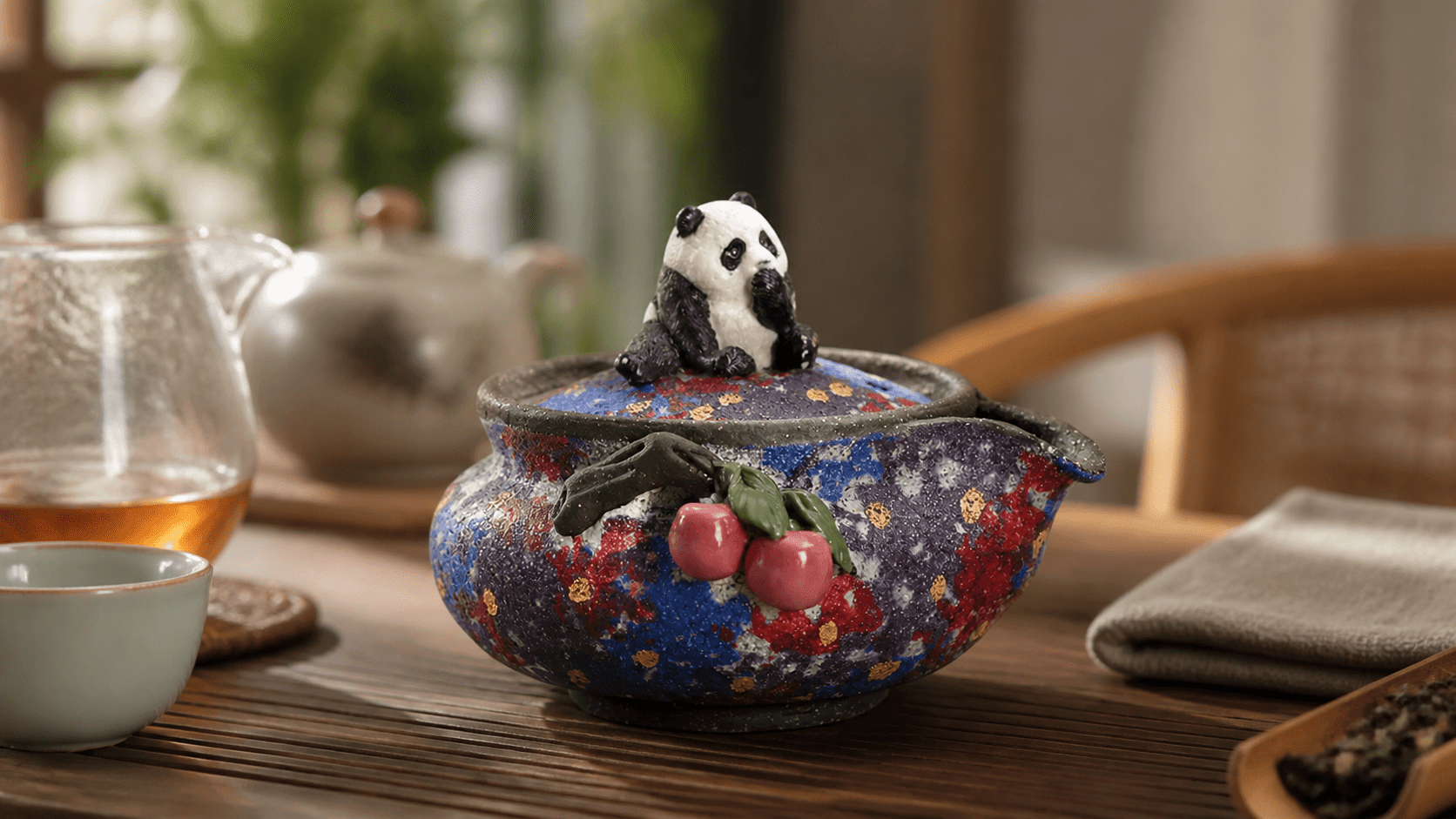

Tenmoku Tea Bowl: Bring Everyday Luxury to Your Tea Ritual
A tenmoku tea bowl is a small way to make an ordinary tea break feel intentional. Whether you are steeping pu-erh tea after work, sharing gongfu tea with a friend, or slowing down on a quiet Sunday morning, this dark-glazed tea bowl brings warmth, texture, and visual depth to the moment.
Think of it like choosing a favorite hand-thrown mug over a disposable cup: the drink may be familiar, but the experience changes. A Tenmoku bowl is not just tableware. It is a tactile invitation to pause, notice the aroma, and enjoy a daily ritual with more care.
Key Takeaways
- A tenmoku tea bowl adds a sense of ritual and visual contrast to everyday tea drinking.
- Its dark glaze can make the color of tea easier to appreciate, especially lighter oolongs and pale tea foam.
- “Tenmoku” connects Song Dynasty Chinese black-glazed wares with the Japanese tea culture that later admired and adopted them.
- For buyers, shape, comfort in the hand, glaze character, and seller transparency matter more than chasing a perfectly identical pattern.
- A thoughtfully selected bowl can become a meaningful tea ceremony gift or a unique tea cup gift for someone who values daily rituals.
What makes a tenmoku tea bowl feel luxurious at home?
Luxury at home does not have to mean adding more things. Often, it means selecting a few objects that improve an activity you already do. A Tenmoku tea bowl does this for tea in the same way a linen napkin, a well-made chef’s knife, or a favorite vinyl record changes a familiar routine.
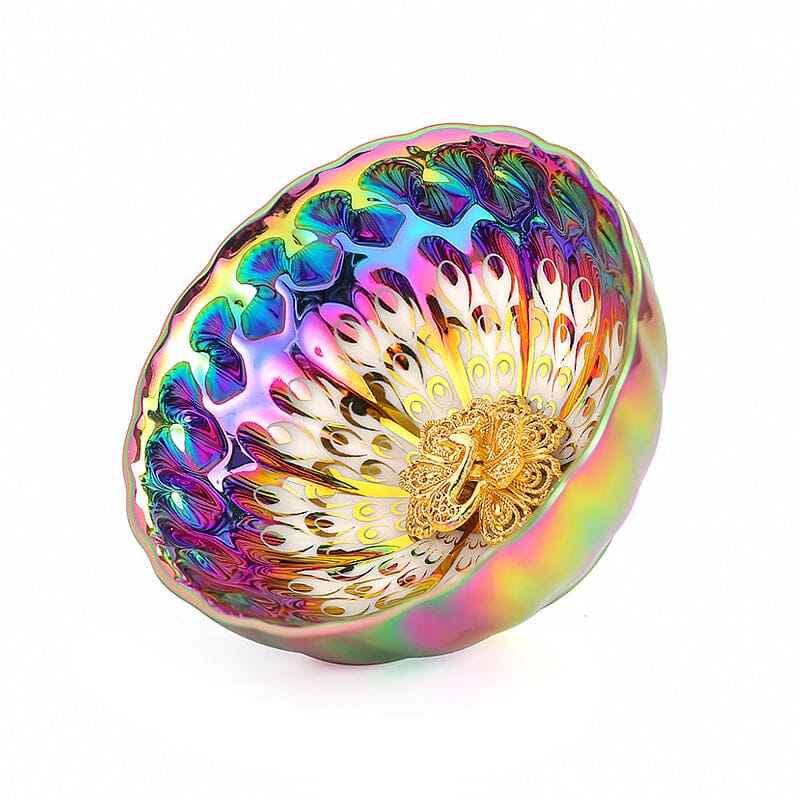
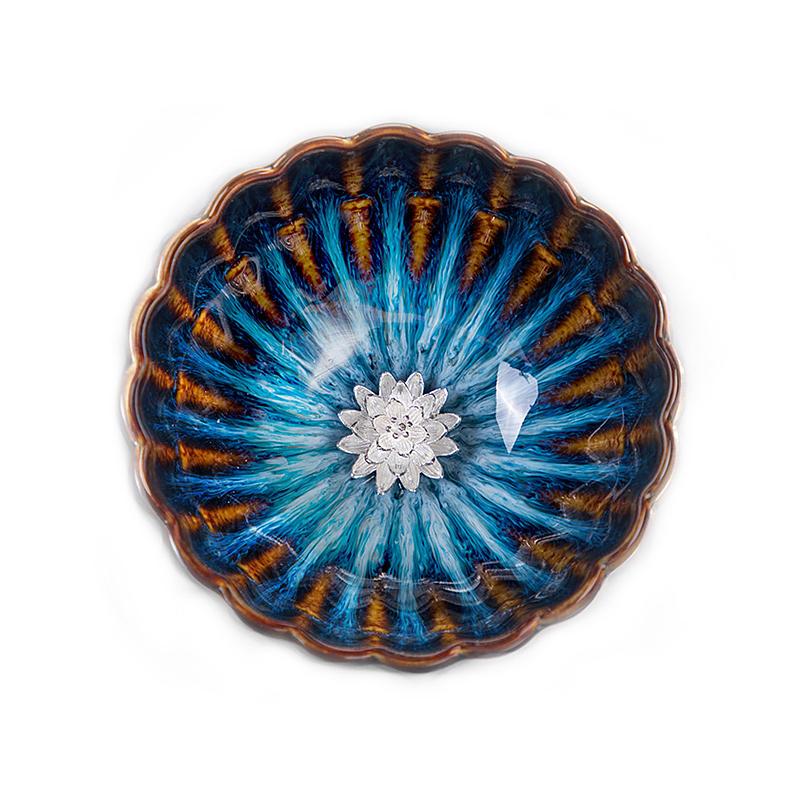
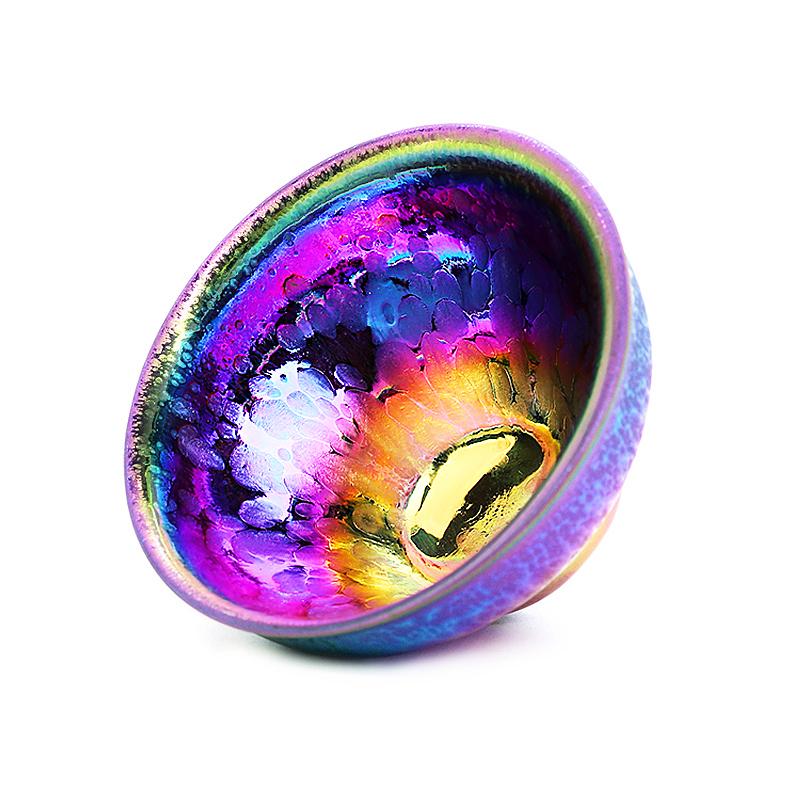
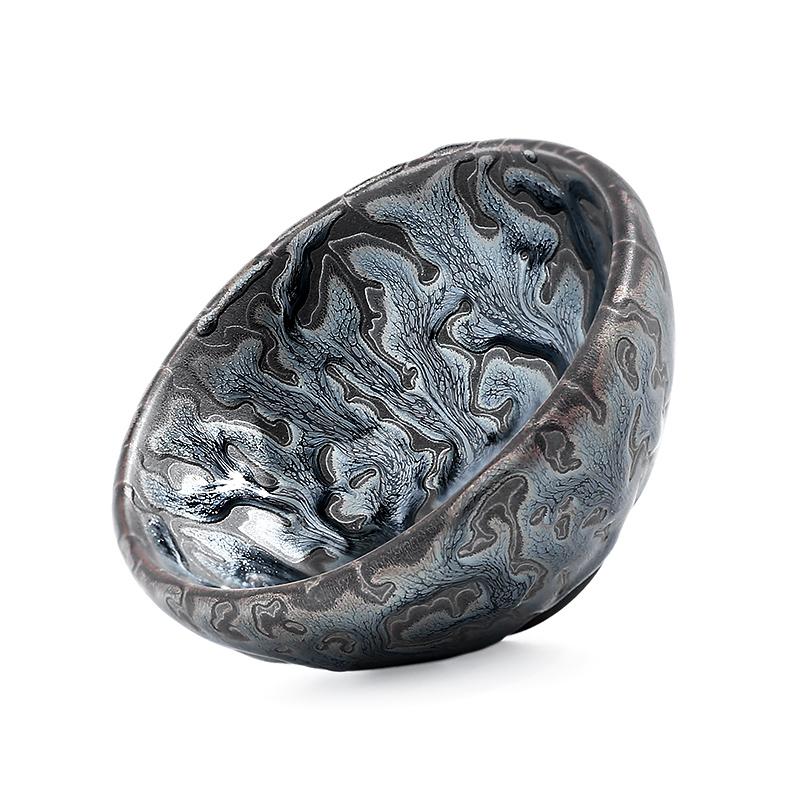
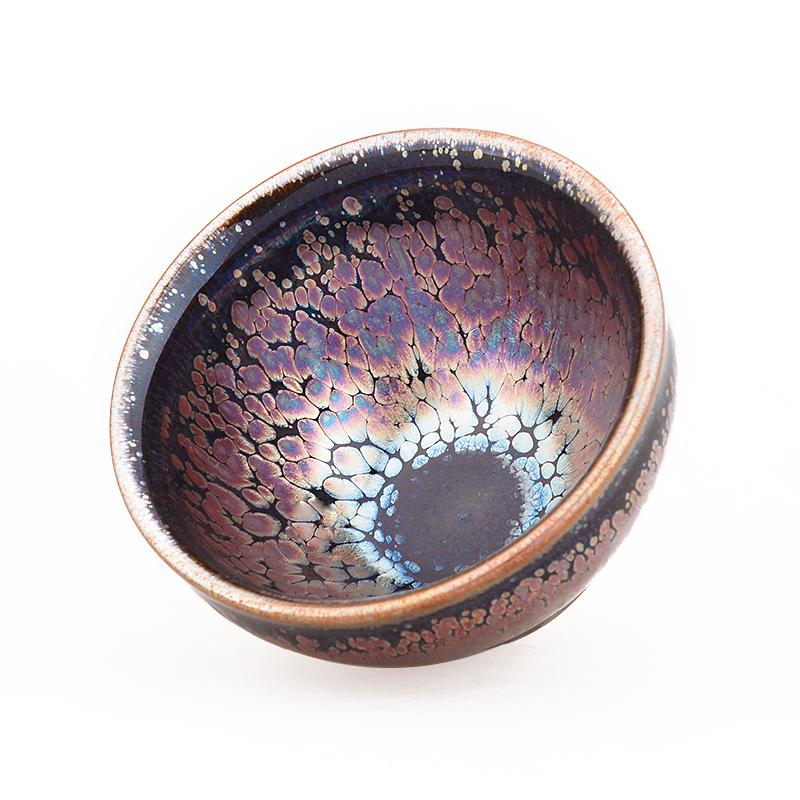
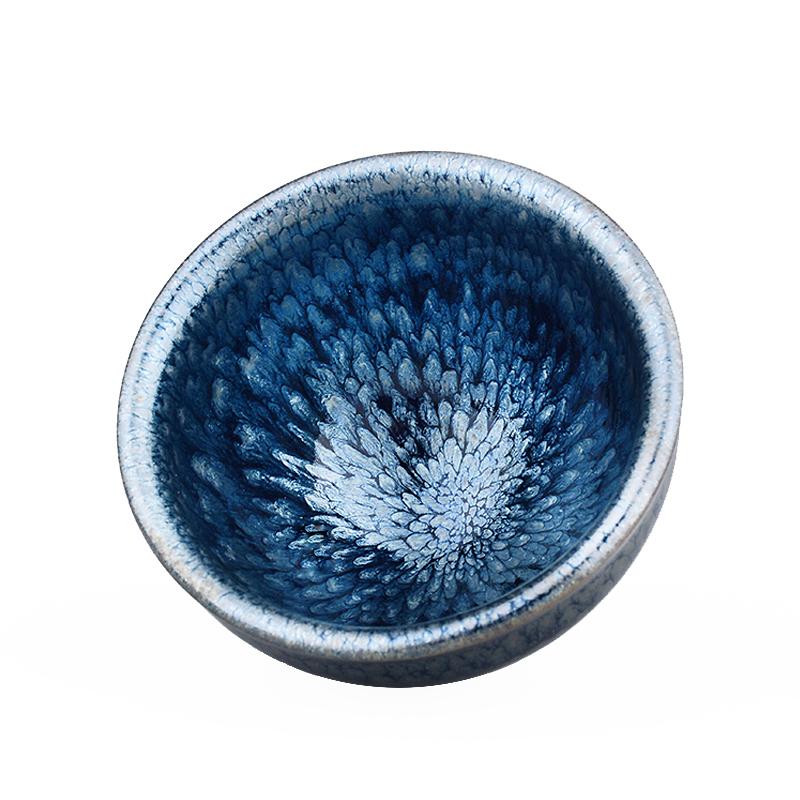
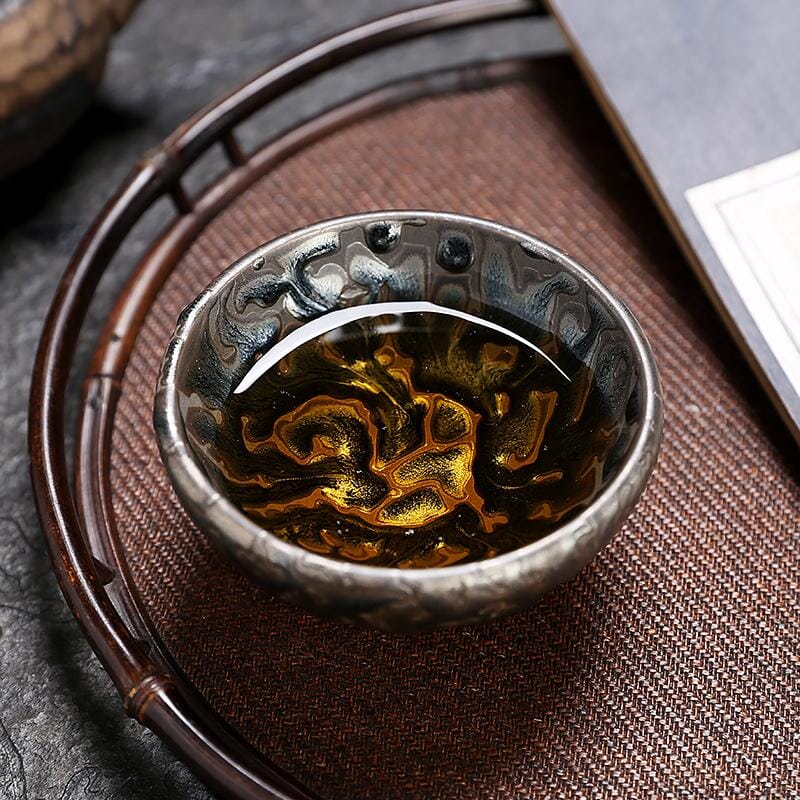
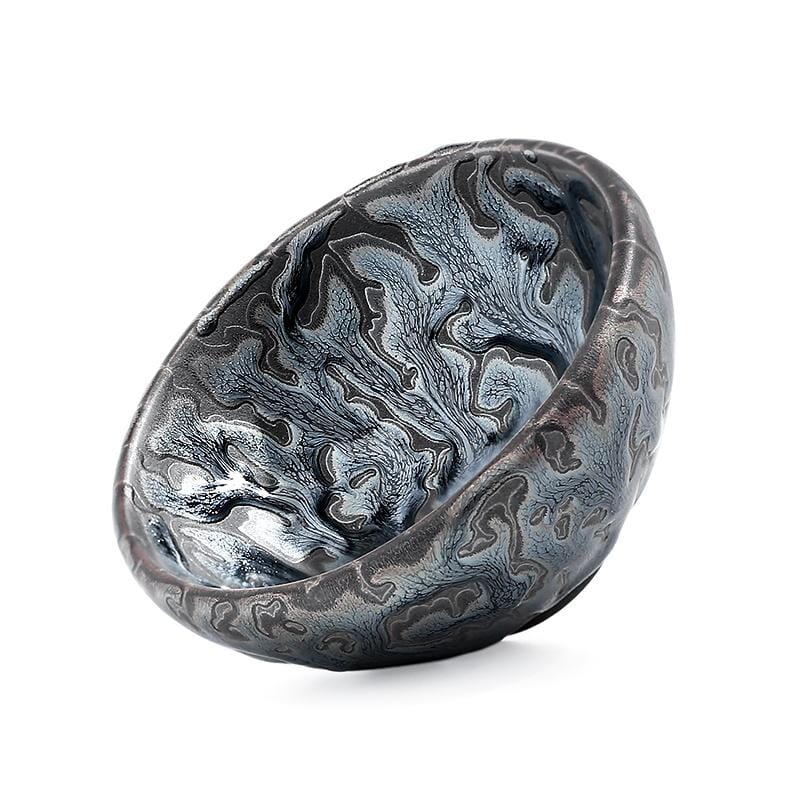
Traditional Tenmoku-style wares are known for deep Jianzhan Tenmoku ceramic-like glazes and patterns that develop during high-temperature firing. The surface may appear nearly black at first glance, then reveal streaks, speckles, or fine radiating lines when it catches the light. This firing-driven variation is often described as kiln change: the glaze’s appearance shifts according to heat, atmosphere, minerals, placement, and timing inside the kiln.
That variation matters because it gives the bowl a sense of presence. Rather than looking mass-produced, a handmade bowl invites a second look. Morning light may emphasize a bronze edge; evening light may make the same bowl feel inky and quiet.
The term “Tenmoku” has a useful cross-cultural story for beginners. It is associated with black-glazed tea wares from China, including Jian ware made during the Song Dynasty. Japanese monks and tea practitioners later encountered and valued these wares, and the Japanese term became widely used in English-language tea and pottery discussions. Today, “Tenmoku” may describe a glaze tradition, a visual style, or a tea bowl category. Product origin and maker should always be confirmed from the seller rather than assumed from the name alone.
For a U.S. home, the appeal is refreshingly practical: one bowl can make a countertop tea station, reading chair, or dinner-party tea course feel more personal without turning your home into a themed display.
Why is a tenmoku tea bowl a unique tea cup gift?
A good gift should be easy to use, memorable to look at, and personal without requiring the recipient to change their lifestyle. That is why a tenmoku tea bowl can work so well as a unique tea cup gift. It supports an existing habit rather than creating homework.
For someone who drinks tea casually, it can become their designated evening cup. For a more involved tea drinker, it can be part of a gongfu tea session, where small infusions are poured and tasted slowly. For a design-minded friend, it is a functional object with the visual interest of handmade ceramic art.
A tea ceremony gift is especially strong when it acknowledges the recipient’s taste. Instead of choosing a generic “tea lover” item, choose a bowl based on how they live:
- The calm minimalist: Choose a dark, understated Jianzhan Tenmoku ceramic look with a comfortable, balanced profile.
- The host: Pair two complementary bowls with a loose-leaf tea for a small shared ritual.
- The coffee-to-tea convert: Choose a bowl with enough capacity for a relaxed single serving and an approachable shape.
- The collector: Look for transparent maker information, firing details, and photographs of the exact piece.
- The Japan-minded design lover: Explain the connection between Chinese tea ware and Japanese tea culture without presenting every dark bowl as Japanese pottery.
The best gifting detail is a brief note. You might write: “For the five quiet minutes you deserve at the end of the day.” It makes the gift feel connected to a real life moment, not merely a holiday purchase.
How can a tea cup gift for tea lovers fit different tea rituals?
There is no single correct way to use a Tenmoku bowl. The right choice depends on tea, serving style, and the feeling you want to create. A smaller bowl often suits concentrated tasting; a wider bowl can feel more spacious and reflective.
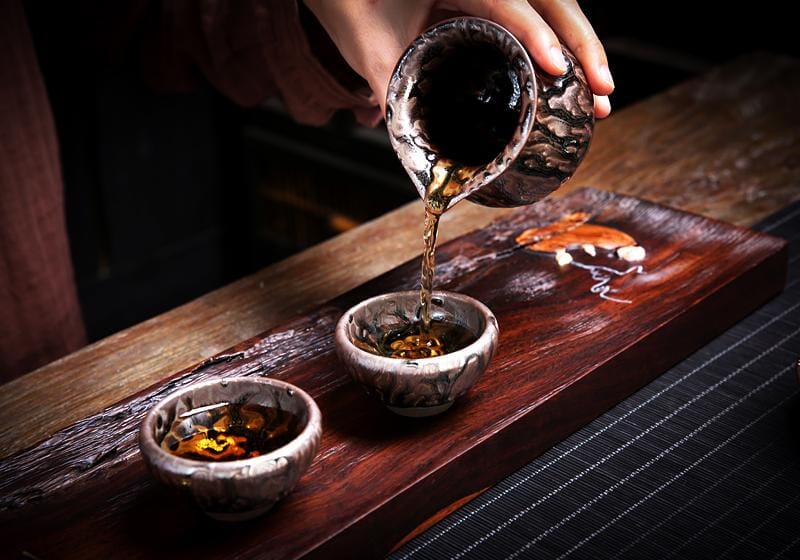
For gongfu tea, a small-to-medium bowl is useful because it keeps the serving intimate. Gongfu brewing means making several short infusions from a relatively high leaf-to-water ratio. You do not need special expertise to enjoy it: brew a little tea, pour a little tea, and pay attention as the flavor changes from one round to the next.
For aged or fermented teas such as pu-erh tea, the dark glaze can create a handsome contrast with amber and reddish liquor. The bowl will not transform the tea’s chemistry, but its shape, warmth, and visual frame can change how deliberately you taste it.
A Tenmoku bowl can also be used in a matcha-inspired moment, although a purpose-made matcha bowl is often wider to accommodate whisking. If you plan to whisk matcha regularly, prioritize a broad interior and enough room to move a bamboo whisk. If you plan to sip tea rather than prepare it in the bowl, prioritize a rim that feels comfortable against your lips.
| Tea moment | What to look for | Why it works |
|---|---|---|
| Weeknight wind-down | Comfortable rim, moderate size, stable base | Easy to reach for every day |
| Gongfu tea tasting | Smaller bowl, balanced weight, easy grip | Supports repeated small pours |
| Pu-erh tea session | Dark glaze with visible depth | Creates contrast with warm tea tones |
| Matcha preparation | Wide opening and smooth interior | Leaves room for whisking |
| Tea with guests | Two or more coordinated but non-identical bowls | Feels considered without feeling formal |
In other words, do not buy solely for a dramatic glaze photo. Buy for the tea moment you want to repeat.
What should you look for in a handmade tea cup gift set?
A handmade tea cup gift set does not need every piece to match exactly. In fact, subtle differences can be part of the pleasure. The goal is visual harmony, comfortable use, and honest product information.
Start with the practical details. Check the approximate capacity, diameter, height, care instructions, and whether the listing photographs the exact bowls you will receive. If you are buying for someone else, a pair of bowls with a small tray or tea canister can be more useful than a large set with pieces they may never use.
Then look at craftsmanship through a buyer’s lens. Handmade pottery may show variation in glaze, foot ring, or surface texture. Variation is not automatically a flaw. What matters is that the piece sits securely, the rim is smooth enough for comfortable drinking, and any intentional irregularity is clearly presented.
If you are comparing handmade Jianzhan tea cups, avoid treating all dark glazes as interchangeable. Jianzhan refers specifically to tea ware associated with Jian kilns and related traditions in China. A responsible seller should describe the piece accurately, identify what is known about its origin or maker, and avoid using historic labels as decoration when those claims cannot be supported.
Likewise, an authentic Jianzhan tea cup should be evaluated through transparent sourcing and product documentation, not just a dramatic “hare’s fur” pattern in a listing image. Ask what the seller can verify: where it was made, whether it is handmade, how the glaze is described, and what care is recommended. If the answers are vague, treat it as a style purchase rather than a documented collectible.
Where can you find a tenmoku tea bowl for sale with confidence?
When looking for a tenmoku tea bowl for sale, begin with clarity rather than urgency. A lower price does not automatically mean poor quality, and a high price does not automatically prove rarity. What you are buying may be a handmade functional bowl, a studio pottery piece, a historically informed Jianzhan work, or a Tenmoku-inspired contemporary design. Each can be worthwhile when described honestly.
Use this short checklist before ordering:
- Read the material and origin description carefully.
- Confirm whether photos show the exact bowl or a representative example.
- Check dimensions and capacity against how you actually drink tea.
- Review care guidance, especially for dishwasher and microwave use.
- Look for clear return, shipping, and breakage policies.
- Choose a seller that distinguishes verifiable facts from aesthetic language.
If you are ready to compare pieces designed for everyday tea moments, Explore our handmade Jianzhan tea cups. For a focused collection of dark-glazed tea ware, Shop authentic Tenmoku tea bowls.
A beautiful bowl should earn its place through use. Put it where you will see it, keep a tea you enjoy nearby, and let it become part of a repeatable pause between the demands of the day.
How do Tenmoku bowls compare with Japanese pottery and everyday mugs?
It is helpful to think of these categories as overlapping rather than competing. Japanese pottery includes many regional traditions, clay bodies, firing approaches, and tea forms. Tenmoku has strong connections to Japanese tea history, but not every Japanese dark-glazed cup is a Tenmoku bowl, and not every Tenmoku-style bowl is Japanese.
Compared with a typical ceramic mug, a tea bowl is usually more open and held with both hands. That changes the experience: you feel the warmth through your palms, notice the aroma sooner, and tend to sip more slowly. It is closer to holding a small bowl of soup than gripping a travel tumbler.
Compared with a standard white porcelain teacup, Jianzhan Tenmoku ceramic-style glazing offers a different visual stage. White porcelain highlights the tea color directly; a dark Tenmoku surface emphasizes light, reflection, and the outline of the liquid. Neither is superior. They encourage different kinds of attention.
For a premium lifestyle buyer, that is the point. A Tenmoku bowl is not a promise of wellness or a shortcut to expertise. It is a well-chosen object that can make a simple, caffeine-free or caffeinated pause feel more grounded.
Frequently Asked Questions
Is a tenmoku tea bowl a good tea ceremony gift for beginners?
Yes. Choose a bowl with a comfortable rim, stable base, and a size that works for everyday sipping. Include a simple loose-leaf tea and a note explaining that no formal ceremony is required; the ritual can be as simple as taking ten quiet minutes to make tea.
What makes a tea cup gift for tea lovers feel more personal?
Match the bowl to the recipient’s routine. A small bowl suits gongfu tea fans, a wider bowl can suit matcha drinkers, and a pair works well for someone who enjoys hosting. A short handwritten note and a tea they already enjoy add more meaning than extra packaging.
Should a handmade tea cup gift set have identical glaze patterns?
No. Handmade sets often have related colors or forms with individual glaze variation. Coordinated variation can make a set feel more special, as long as the size, quality, and intended use are consistent.
Can I use a tenmoku tea bowl for pu-erh tea?
Yes. A Tenmoku bowl can be used for pu-erh tea, especially during small-pour gongfu sessions. Choose a size that fits your serving style and follow the seller’s care guidance.
Is every dark bowl an authentic Jianzhan tea cup?
No. Dark glaze alone does not establish origin, maker, or authenticity. Look for accurate descriptions, transparent sourcing, and clear distinctions between Jianzhan, Tenmoku-inspired pottery, and other black-glazed ceramics.
Can a Tenmoku bowl replace a matcha bowl?
It can be used for sipping matcha, but regular whisking is easiest in a bowl with a broad opening and smooth interior. If matcha preparation is your main use, select a bowl designed with whisking space in mind.
Make the daily cup matter
A tenmoku tea bowl is a modest luxury: useful, tactile, and quietly expressive. It can turn a rushed cup of tea into a personal reset, give a shared tea moment more character, or become the kind of tea cup gift for tea lovers that gets used long after the occasion has passed.
Choose the piece that fits your hands, your tea, and your routine. The most satisfying bowl is rarely the one that looks best only on a shelf; it is the one that makes you want to pause and brew another cup.
Explore Our Collection
Ready to experience the world of tenmoku tea bowl? Browse our curated collection:
Disclaimer: This article is for informational purposes. Products and pricing subject to change.


Share:
Tenmoku Tea Bowl Value: What You’re Really Paying For
Tenmoku Tea Bowl Authenticity Guide: Buy With Confidence