

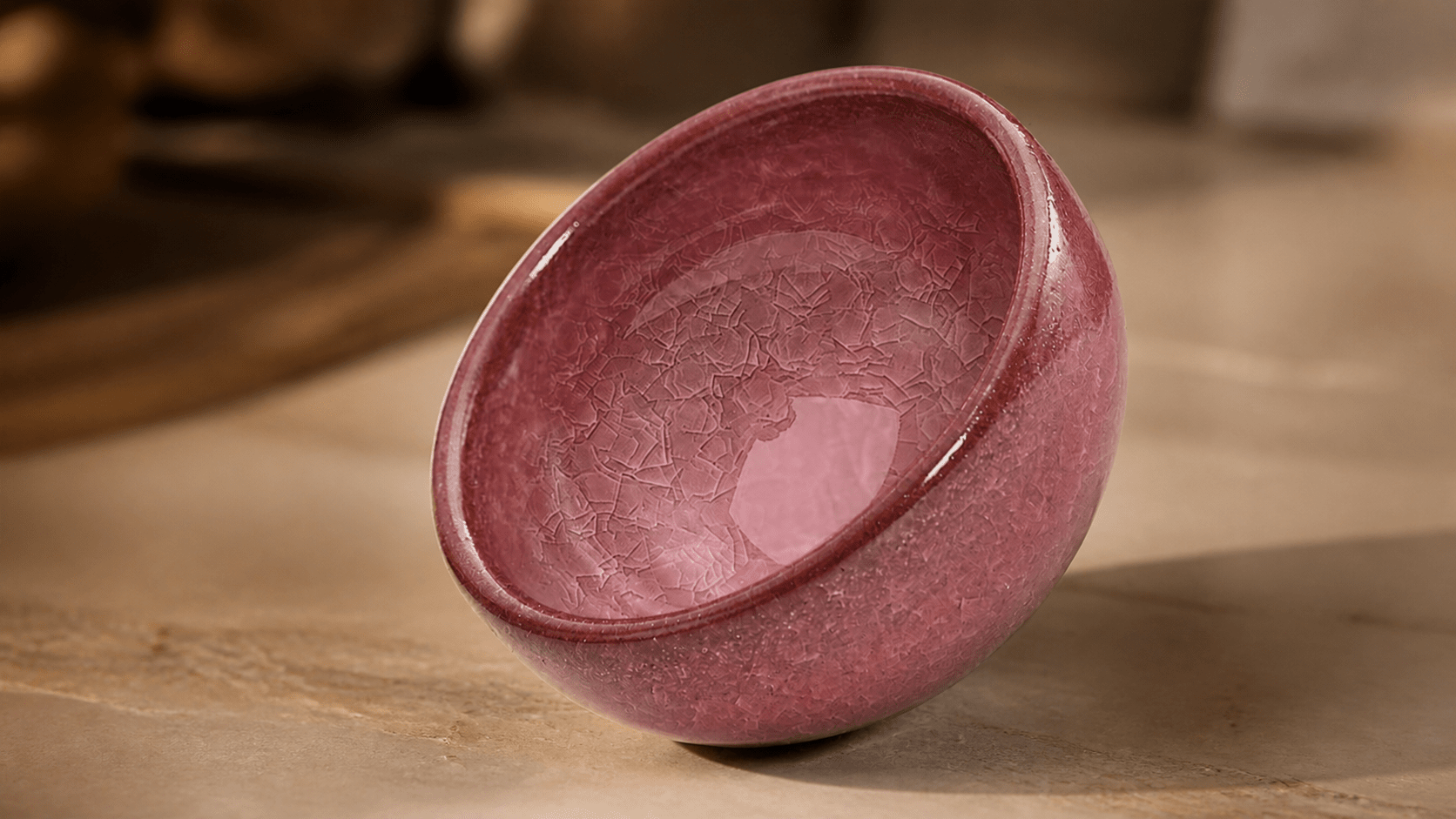

Tenmoku Tea Bowl Authenticity Guide: How to Buy With Confidence
A real tenmoku tea bowl is usually identified by its clay, glaze behavior, firing evidence, and transparent maker information—not by a shiny pattern alone. Whether you are preparing oolong tea in a gongfu tea session or choosing a meaningful gift, learning to recognize a genuine Jian zhan-style bowl helps you buy beauty with context instead of paying for a convincing imitation.
Tenmoku is a broad name with Chinese and Japanese connections, so authenticity starts with asking a more precise question: what exactly is the seller claiming? A handmade tenmoku tea cup for gongfu tea may be a contemporary Jian ware-inspired bowl, a Japanese tea bowl, or a collectible antique. Those are different categories, and they should not be marketed as if they were the same thing.
Key Takeaways
- Authenticity is a combination of material, firing, craftsmanship, provenance, and honest labeling.
- An oil spot pattern alone does not prove that a bowl is an authentic Jian zhan.
- Natural kiln change is irregular, but irregularity by itself is not proof of quality or age.
- Ask for clear photos of the foot, interior, rim, and glaze close-ups before buying.
- A trustworthy seller explains what the bowl is, where it was made, and whether it is handmade, studio-made, or decorative.
What does real vs fake tenmoku actually mean?
The phrase real vs fake tenmoku can be misleading because “tenmoku” is not one single legal product category. The word is associated with dark-glazed tea ware and, in Japan, with tea bowls influenced by Chinese black-glazed ceramics. In the United States, it is often used for everything from handmade Chinese-inspired bowls to mass-produced ceramic cups with metallic-looking finishes.
A product becomes problematic when its description makes a claim the object cannot support. For example, a modern factory-made cup may still be pleasant to use, but it should not be presented as a Song Dynasty original, a handmade Jian zhan, or a rare kiln-fired collectible without evidence.
Think of it like coffee: a ceramic mug, a specialty-roasted single-origin coffee, and a vintage espresso machine can all be enjoyable, but they are not interchangeable products. The same logic applies to tenmoku tea ware.
| Category | What it may be | What to expect | What to question |
|---|---|---|---|
| Contemporary handmade Jian zhan | Handmade Jianzhan Tenmoku ceramic-style tea bowl from a ceramic artist or workshop | Variation in glaze, clay, foot, and size | Maker details, firing process, origin, food-safe use guidance |
| Japanese tenmoku tea bowl | Japanese tea ware using a tenmoku-style glaze tradition | Different forms, glazes, and tea ceremony context | Whether “Japanese” refers to origin, style, or inspiration |
| Mass-produced tenmoku-style cup | Factory-made cup with a dark or patterned glaze | Consistent dimensions and repeated decoration | Claims of handmaking, rarity, or historical age |
| Antique Jian ware | Historic ceramic from the Jian kiln tradition | Documented provenance and specialist evaluation | Any casual antique claim without records or expert support |
How can you identify real Jian zhan before you buy?
If you are researching how to identify real Jian zhan, start with the complete object rather than the most photogenic glaze angle. A good seller should make it easy to inspect the bowl from several views and answer basic questions without vague language.
1. Look at the clay body and unglazed foot
Many Jian zhan bowls use an iron-rich clay body that can appear dark brown, reddish brown, or charcoal-toned where it is unglazed. The foot is useful because it reveals construction and finishing choices. You may see trimming marks, subtle texture, or signs of hand-finishing.
There is no universal foot shape that proves authenticity. Still, a foot completely hidden by opaque coating, heavily painted to imitate age, or shown in no photos at all deserves follow-up questions.
2. Study the glaze as a fired surface, not a printed picture
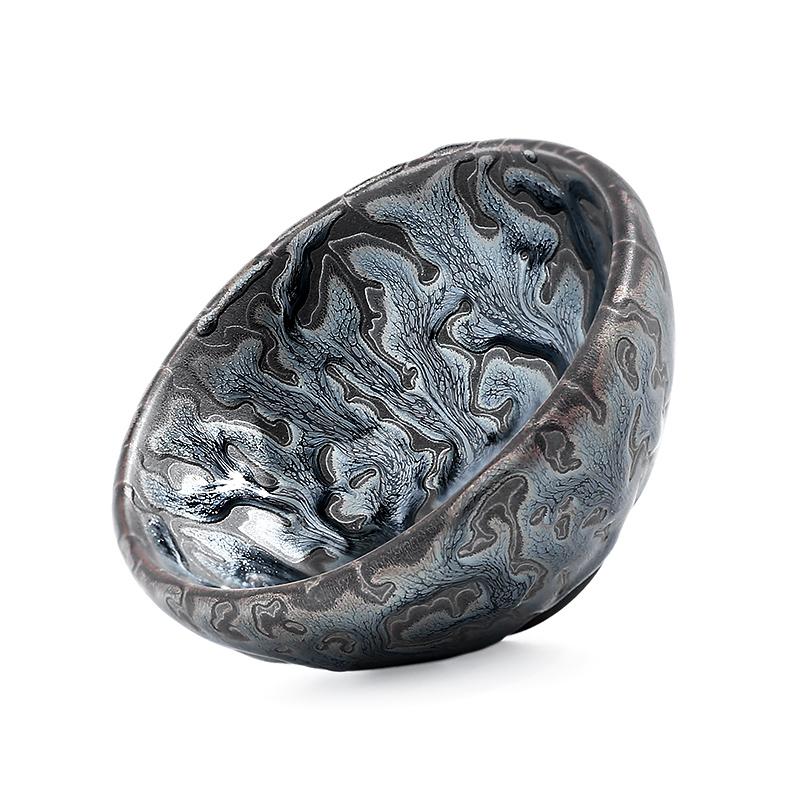
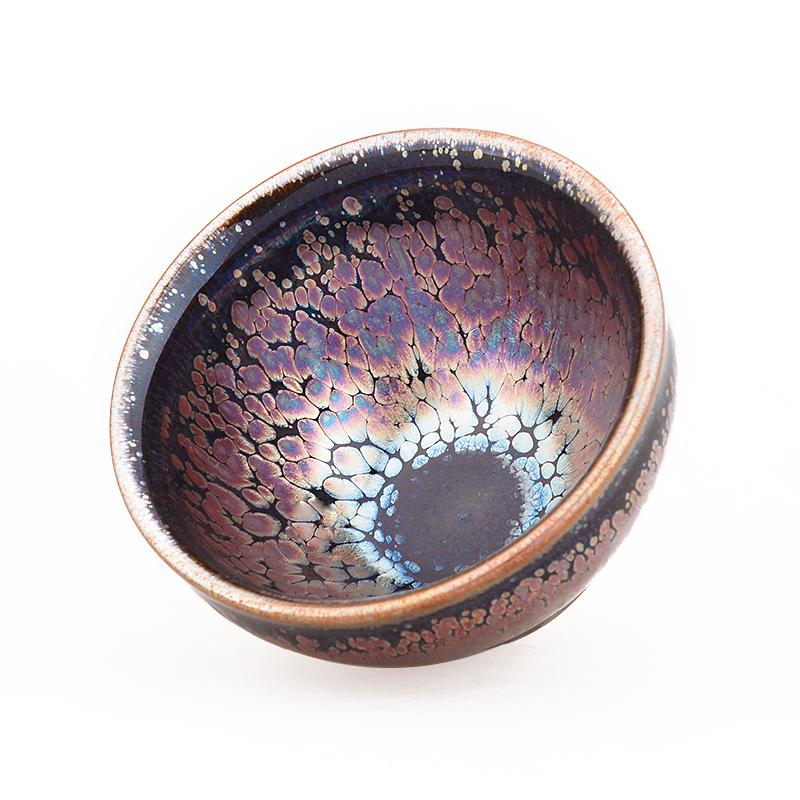
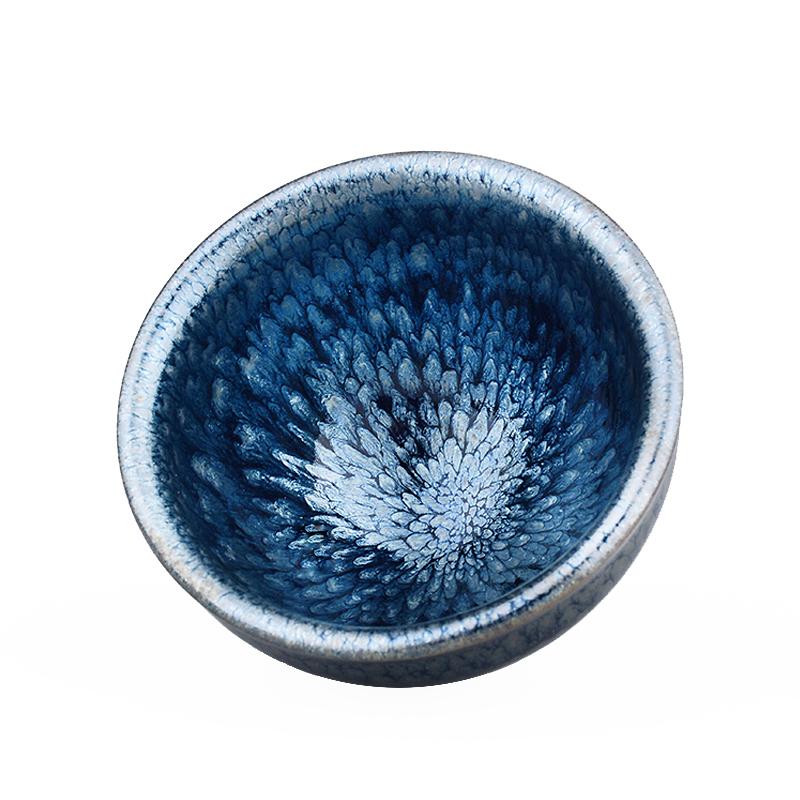
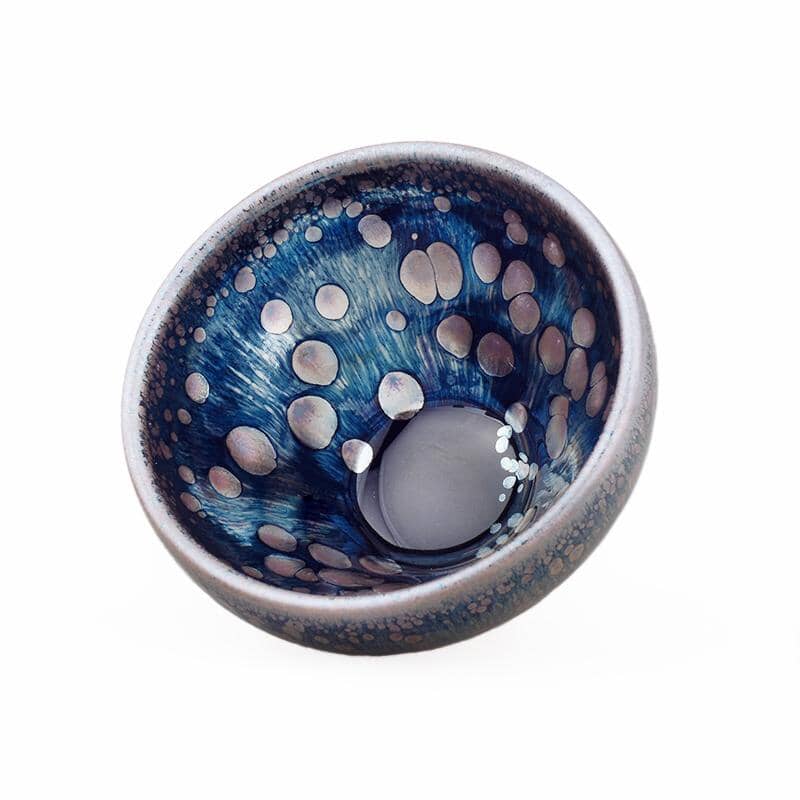
Traditional-looking Jianzhan Tenmoku ceramic glazes can develop oil spot, hare’s fur, or other crystalline effects during firing. These marks often have depth: their appearance shifts under light, blends into surrounding glaze, and follows the curvature of the bowl.
Be cautious when a pattern looks flat, identical across every listing, sharply printed, or isolated on top of the glaze like a decal. That does not automatically make the bowl unsafe or unusable, but it may mean the decorative effect is manufactured rather than kiln-developed.
3. Check proportions and practical finish
A handmade bowl can have small differences in rim thickness, roundness, and weight. Those variations should still feel intentional. A good tea bowl sits steadily, has a comfortable rim, and is glazed and finished in a way that suits hot tea.
For gongfu tea, many buyers prefer a smaller bowl that lets them notice aroma and temperature. A bowl does not need to be antique or expensive to be a satisfying daily vessel for oolong tea.
4. Read the product description for specific facts
Look for concrete information: handmade or factory-made, approximate capacity, country or region of production, maker or workshop, firing method if known, and care guidance. “Ancient technique” or “imperial quality” without details is marketing language, not evidence.
5. Ask for documentation appropriate to the claim
For a contemporary bowl, documentation may be as simple as maker attribution, process notes, and clear product photography. For an expensive antique, the standard is much higher: provenance, condition reports, and independent specialist input matter. A certificate supplied only by the seller is not the same as independent authentication.
What is the difference between an authentic Jian zhan and a tenmoku-style imitation?
An authentic Jian zhan is best understood through honest origin and process. It may be a contemporary handmade bowl connected to the Jian ware tradition, but the seller should identify it as contemporary unless there is strong evidence otherwise. A tenmoku-style imitation may borrow the visual language—dark glaze, gold-colored spots, streaks, or a wide tea-bowl shape—without sharing the same materials or firing process.
The difference is not a judgment that one object has value and the other does not. A well-made modern cup can be beautiful and practical. The issue is whether the price and description match what you are actually receiving.
Use this buyer checklist before purchasing a tenmoku tea bowl for sale:
- Does the listing say who made it or where it was made?
- Are there photos of the base, rim, interior, and side profile?
- Does the seller distinguish a contemporary work from an antique?
- Are glaze variations described as natural firing results without exaggerated guarantees?
- Is the return policy clear if the bowl differs materially from the listing?
- For functional tea ware, does the seller provide reasonable use and care information?
A seller does not need to reveal every studio detail to be credible. But a buyer should not have to guess whether “handmade” means hand-thrown, hand-glazed, partially hand-finished, or simply designed to look handmade.
Jian zhan oil spot vs fake: what should you look for?
When comparing jian zhan oil spot vs fake, avoid the temptation to use one visual shortcut. Genuine-looking oil spot effects can be subtle, dramatic, dense, sparse, bronze, silver-toned, or rainbow-shifting depending on glaze chemistry, firing conditions, lighting, and the angle of the bowl.
In a kiln, tiny crystalline formations can emerge as the glaze cools. This kiln change is closer to the unpredictable surface of a natural mineral than to a repeated wallpaper pattern. That is why two handmade bowls from the same workshop can look related but not identical.
Common warning signs include glitter-like particles that sit visibly on top of the surface, perfect repeated spots copied from bowl to bowl, a metallic coating that appears detached from the glaze, or exaggerated photos edited to create a stronger rainbow effect. Ask for daylight photos and a short video rotating the bowl if the listing is expensive.
At the same time, do not assume every uneven spot is proof of rarity. Pinholes, crawling glaze, rough edges, and unstable finishes can be ordinary flaws. A responsible seller distinguishes intentional visual variation from defects that affect function or durability.
Why are Song Dynasty glaze claims especially important to verify?
Song Dynasty black-glazed Jian ware is historically significant, and its influence reached Japan, where Chinese tea bowls were highly valued in tea culture. That history is one reason the words “Song Dynasty glaze” and “Japanese” can make a listing feel more prestigious.
But historical inspiration is not historical origin. A contemporary maker may use a glaze inspired by Song Dynasty aesthetics, and that can be a thoughtful, truthful description. Claiming a modern bowl is from the Song Dynasty, or implying it is an excavated antique without serious evidence, is an entirely different claim.
Be especially careful with listings that use antique-looking dirt, artificial chips, vague museum references, or phrases such as “one-of-a-kind imperial relic” while offering no provenance. True antique assessment is specialized work. For a valuable purchase, consult a qualified Asian ceramics expert or established auction-house specialist before relying on a seller’s story.
Which tenmoku tea bowl makes a good gift for tea lovers?
A thoughtful jianzhan tea cup gift does not have to be an antique to feel special. For most tea lovers, the best choice is a clearly described, functional, handmade bowl with a glaze pattern they enjoy and a size that fits their tea routine.
For a friend who drinks oolong tea or practices gongfu tea, choose a bowl that is comfortable to hold and not so large that tea cools before it can be enjoyed. For someone who collects Japanese tea bowl forms, look for a piece whose origin and style are described accurately rather than treating every dark bowl as Japanese.
The best jian zhan tea cup is not necessarily the most reflective one. It is the bowl whose craftsmanship, information, and use case align with the buyer’s expectations. A transparent story makes a gift more meaningful because the recipient can appreciate both the object and the person who chose it.
Discover our collection of oil spot tenmoku cups to compare contemporary handmade styles, or Shop authentic Tenmoku tea bowls when you are ready to choose a gift with clear product details.


FAQ: Real vs Fake Tenmoku Tea Bowls
Is every Jianzhan Tenmoku ceramic cup an authentic Jian zhan?
No. Black porcelain describes a broad visual and material category. An authentic Jian zhan should be represented accurately with clear information about its maker, origin, and process; a dark glaze alone is not proof.
How do I identify real Jian zhan from online photos?
Review photos of the interior, exterior, rim, and unglazed foot. Then read the product details and ask for additional images or a video if needed. Look for transparent contemporary-maker information rather than relying only on a dramatic oil spot photo.
Is a jian zhan oil spot vs fake comparison enough to confirm authenticity?
No. Oil spot is one clue, not a final verdict. Clay body, glaze depth, finishing, maker attribution, firing details, and the accuracy of the seller’s claims all matter.
Are Japanese tenmoku tea bowls the same as Jian zhan?
Not exactly. Japanese tenmoku tea bowls are part of a related tea-ceramic tradition influenced by Chinese black-glazed ware. They may differ in origin, form, glaze, and cultural context, so sellers should describe them precisely.
Can I use a handmade tenmoku tea bowl for oolong tea every day?
Usually, a functional tea bowl made and sold for beverage use can suit daily tea drinking, but follow the maker’s care guidance. Avoid assuming an antique, heavily cracked, or purely decorative bowl is safe for regular use.
What should I ask before buying a tenmoku tea bowl for sale?
Ask whether it is handmade, where it was made, who made it if available, its capacity, its care instructions, and whether the photos show the exact bowl you will receive. For high-value antique claims, ask about provenance and independent evaluation.
Conclusion: Buy the Story You Can Verify
The most reliable way to choose a tenmoku tea bowl is to value clear information as much as visual impact. A deep black glaze, oil spot pattern, or Song Dynasty-inspired look can be captivating, but authenticity comes from honest materials, credible process details, and claims that match the object.
Choose a bowl that invites you to slow down over tea, whether it becomes your favorite gongfu companion or a memorable gift for tea lovers. When the craftsmanship and story are both clear, the purchase feels better long after the first pour.
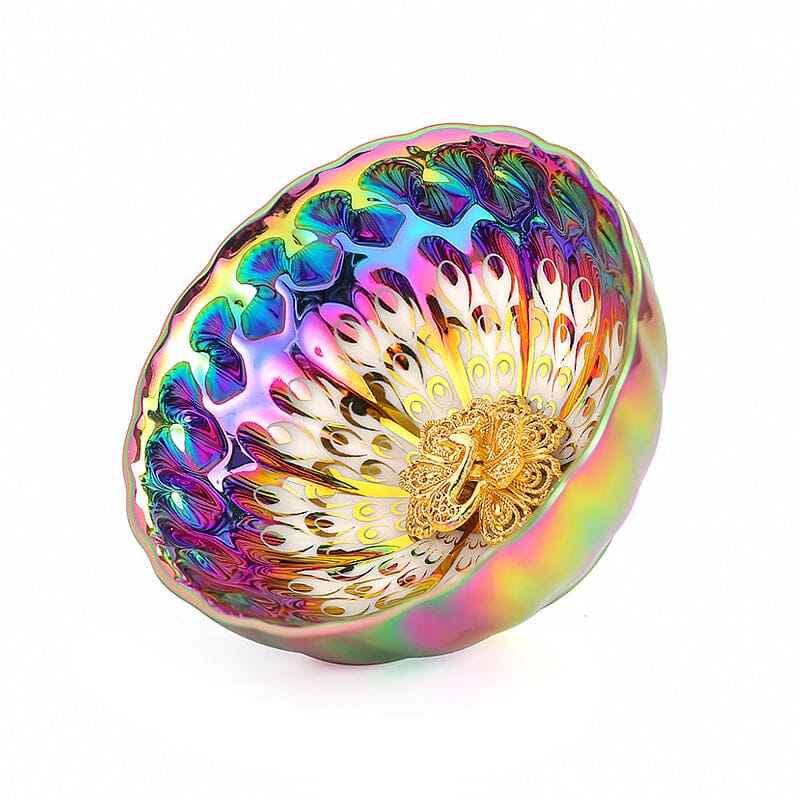
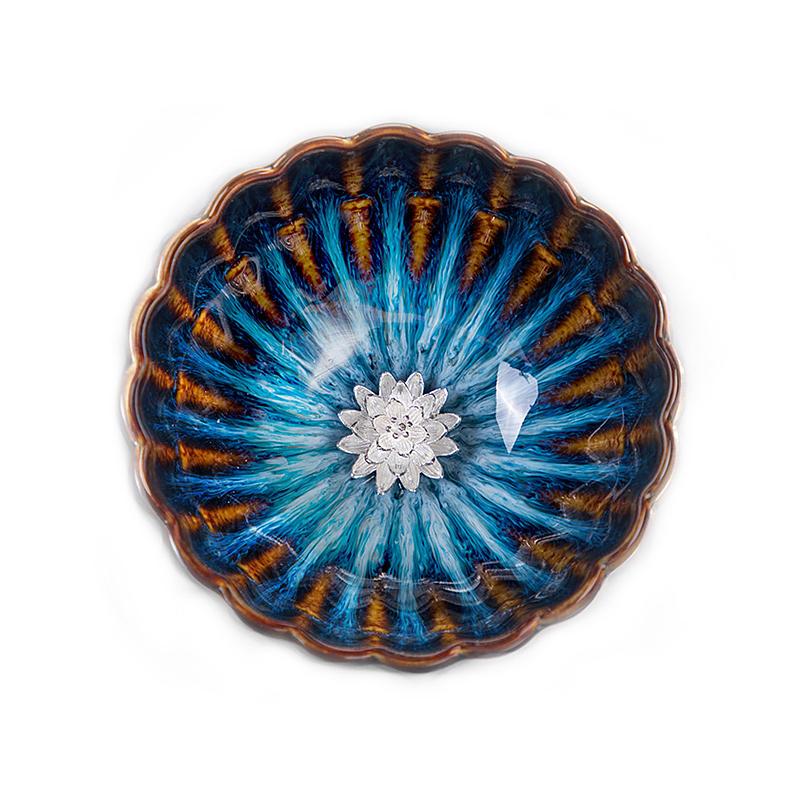
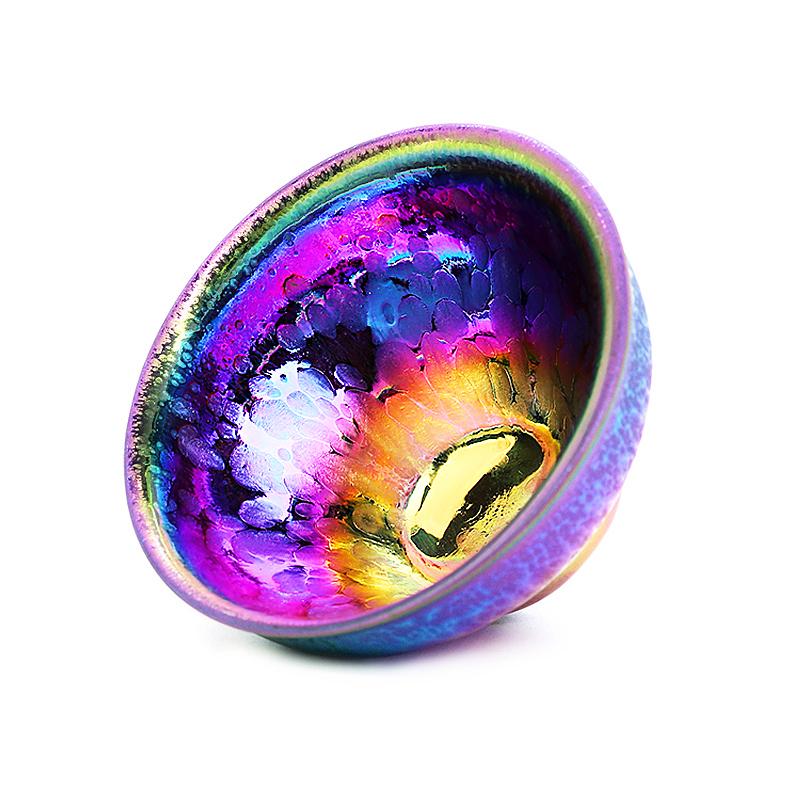
Explore Our Collection
Ready to experience the world of tenmoku tea bowl? Browse our curated collection:
Disclaimer: This article is for informational purposes. Products and pricing subject to change.



Share:
Tenmoku Tea Bowl: Bring Everyday Luxury to Your Tea Ritual
Tenmoku Tea Bowl: A Handmade Story for Better Tea Rituals