

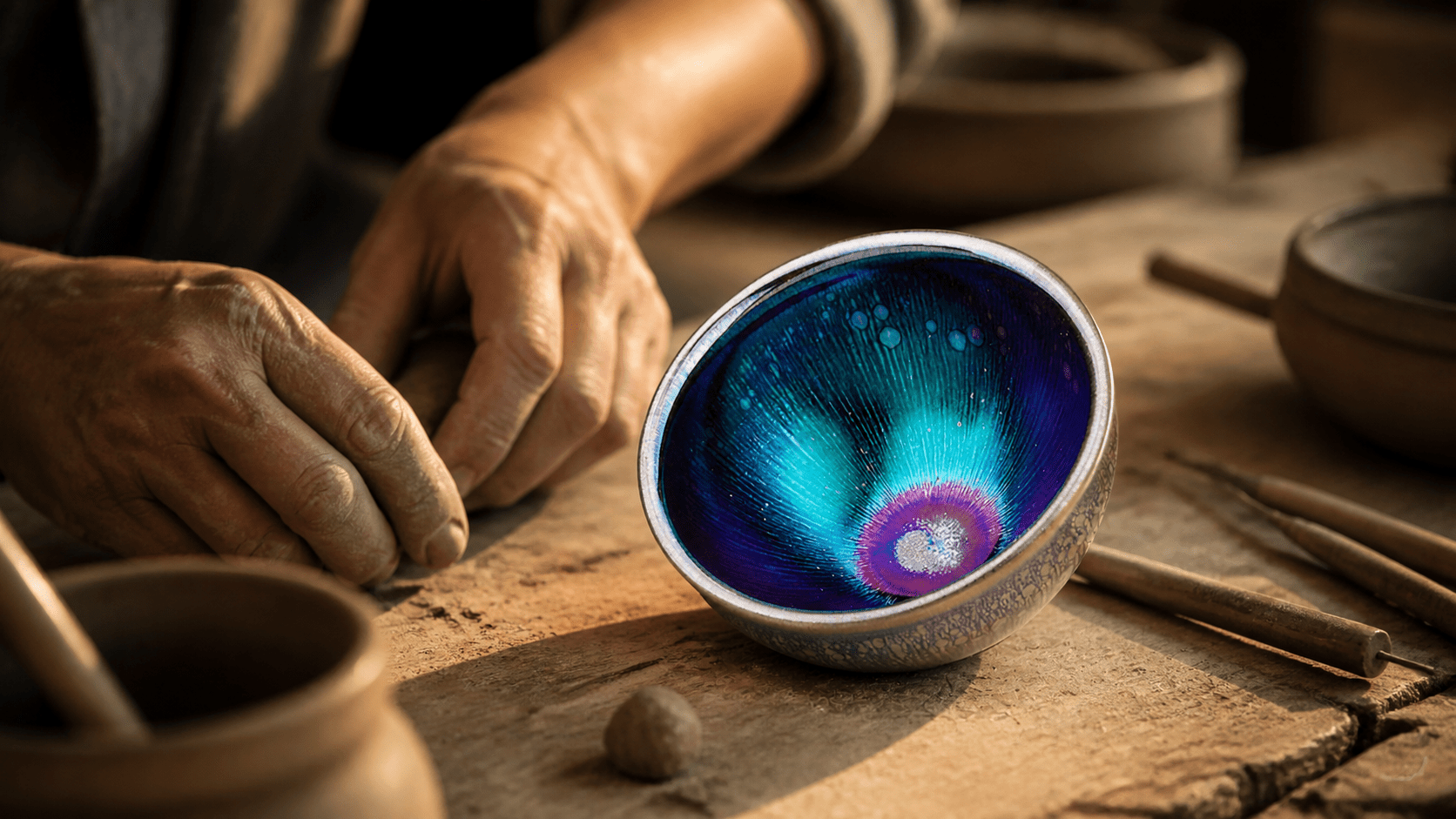

Tenmoku Tea Bowl: A Handmade Story for Better Tea Rituals
A tenmoku tea bowl is more than a dark-glazed vessel: it is a handmade object shaped by heat, minerals, and a long tea tradition. Whether you are preparing gongfu tea at home, whisking matcha on a quiet morning, or choosing a meaningful gift for tea lovers, a Jianzhan-style bowl makes the ritual feel more deliberate.
The appeal is easy to understand even for a beginner. Like a cast-iron skillet or a hand-cut crystal glass, each piece carries visible evidence of how it was made. No two fired surfaces respond in exactly the same way, which makes every bowl a small record of clay, glaze, flame, and time.
Key Takeaways
- A tenmoku tea bowl is a dark-glazed tea vessel associated with historic Jian ware from Fujian, China.
- Its expressive surface is created through firing conditions, mineral-rich glaze, and natural variation often called kiln change.
- The Japanese term “tenmoku” reflects the bowl’s important influence on tea culture in Japan and Japanese pottery traditions.
- A handmade tenmoku tea cup is best chosen for its comfortable shape, glaze character, craftsmanship, and fit with your tea ritual—not just for a dramatic photo.
- For gifting, these bowls offer both daily usefulness and a tangible connection to craft heritage.
What Does Jianzhan History Tell Us About the Tenmoku Tea Bowl?
To understand a tenmoku tea bowl, start with jian zhan history. Jian ware, commonly called Jianzhan today, was produced around Jianyang in Fujian during the Song dynasty. The region became known for dark-glazed bowls that suited the tea fashions of the period, especially whipped tea prepared from powdered leaves.
Song dynasty tea culture placed real attention on the bowl itself. Tea was not only consumed; it was evaluated through color, foam, contrast, and presentation. A dark interior could create a striking backdrop for pale tea foam, much as a dark frame can make a painting’s lighter details more visible.
That visual relationship explains why these bowls gained attention beyond their place of origin. Tea practitioners and collectors in Japan encountered Jian ware through historic exchange, and the Japanese reading “tenmoku” became widely used for this family of dark-glazed tea bowls. Today, “tenmoku” can refer broadly to a glaze style or visual tradition, while Jianzhan refers more specifically to ware connected to Jian kiln traditions in Fujian.
This distinction matters when shopping. Not every black or brown bowl is an antique Jian piece, and not every modern bowl described as tenmoku comes from the same material, place, or firing practice. A thoughtful seller should describe what the item actually is: a contemporary handmade bowl, a Jian-inspired glaze, or a piece made within the Fujian tea bowl tradition.
For today’s tea drinker, the history is not a reason to treat the bowl as untouchable. It is an invitation to use it with care. The best heritage objects are often the ones that continue to make ordinary moments feel considered.
How Does a Tenmoku Artisan Turn Clay Into a Living Surface?
The work of a tenmoku artisan begins long before a finished bowl catches the light. It starts with decisions that are practical and artistic at once: clay selection, bowl thickness, foot shape, glaze application, drying time, kiln loading, firing temperature, atmosphere, and cooling.
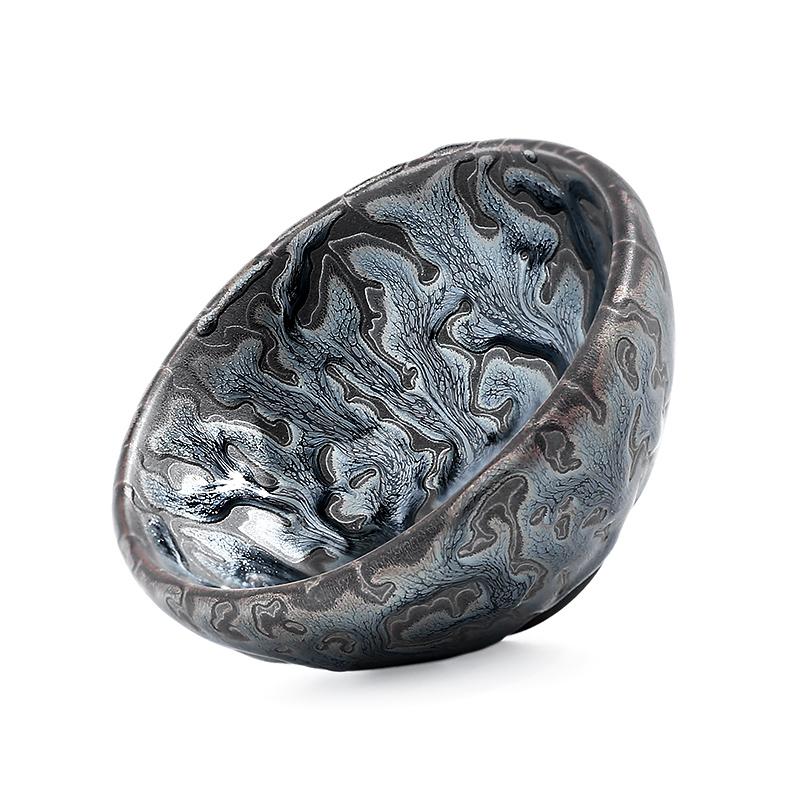
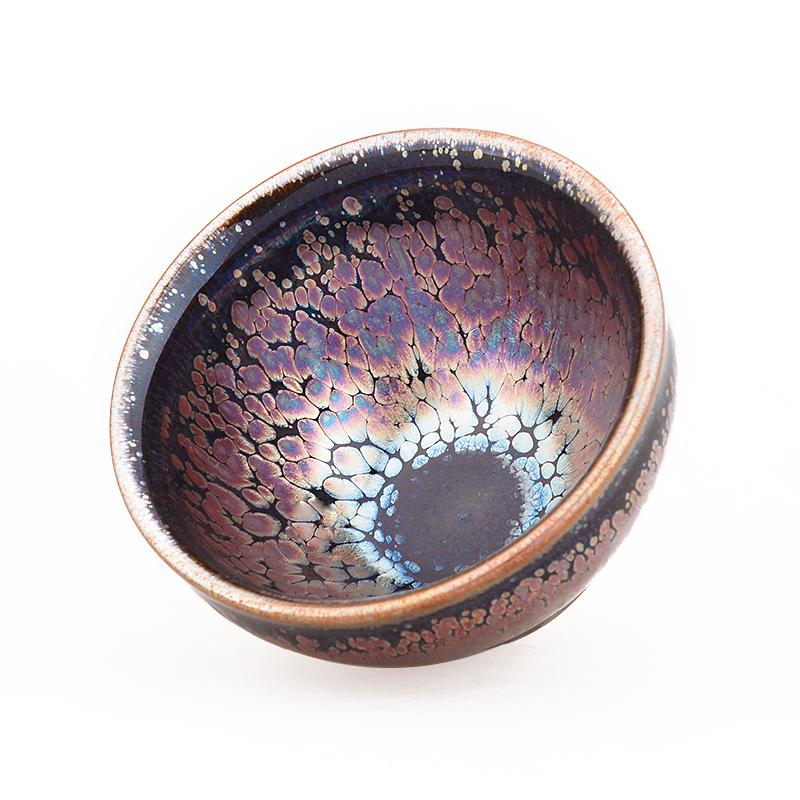
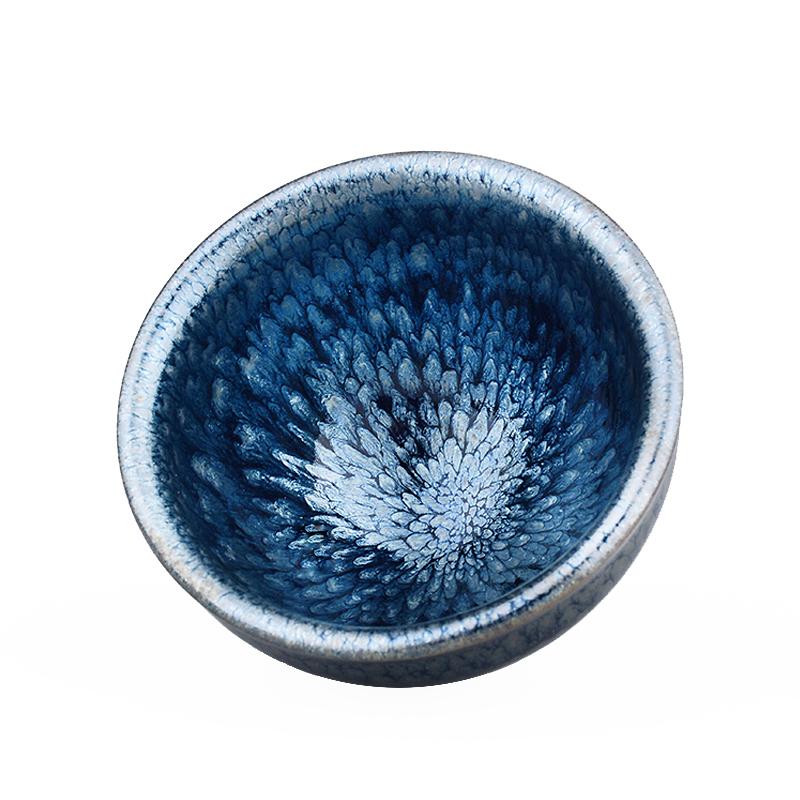
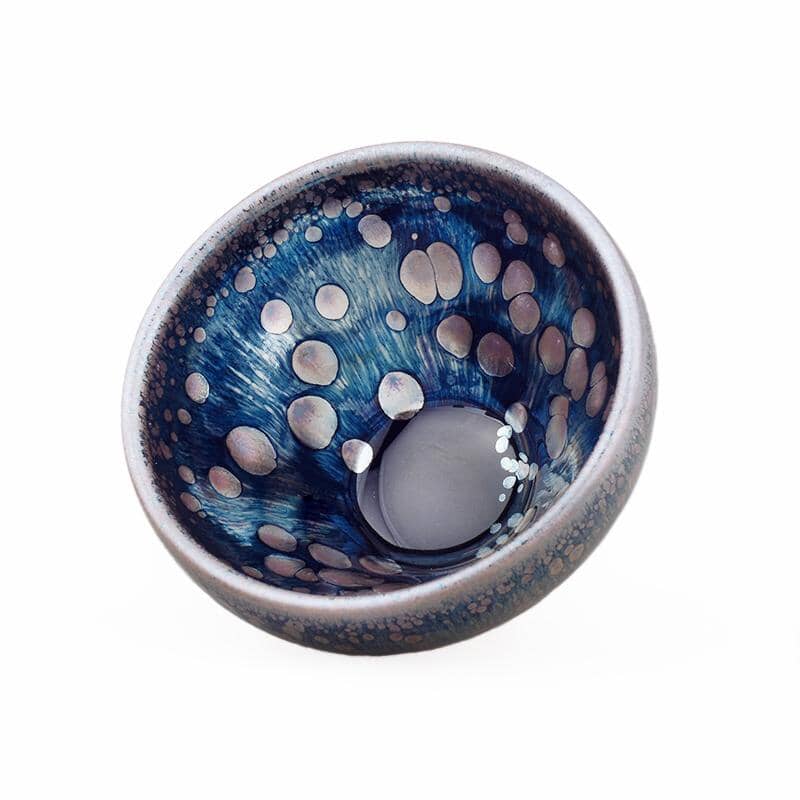
On a finished tenmoku tea bowl, the glaze may resemble falling fur, scattered oil droplets, a night sky, or a subtle metallic bloom. These effects are not simply painted on the surface. They emerge from the interaction of glaze ingredients and the firing process. The term kiln change is useful here: it describes the transformations that happen in the kiln, where temperature, oxygen, minerals, and timing can alter the final surface.
Think of it like baking sourdough. A baker can control the recipe, shaping, and oven, but the finished crust still reflects variables such as fermentation, moisture, and heat. In the same way, an artisan can guide a tenmoku glaze but cannot command every detail of its final expression. That controlled uncertainty is part of the craft’s value.
This is also why handmade does not mean flawless in the factory sense. Small variations in rim line, glaze flow, color distribution, or foot finish may be normal signs of handmaking and firing. They should not compromise safe, comfortable use, but they are part of the visual language of a handmade object.
An oil spot tenmoku cup, for example, is valued for the way spot-like crystalline effects appear across a darker field. A hare’s fur-style surface tends to show fine, directional streaks flowing from rim toward foot. Both can be visually compelling, but neither is automatically “better.” The right choice is the one you want to hold and return to.
Browse our hare's fur Jianzhan series if you are drawn to linear glaze movement and a more directional, energetic surface.
Why Did Song Dynasty Tea Culture Travel So Naturally to Japan?
The connection between song dynasty tea culture and Japan is a story of exchange, adaptation, and changing rituals. Tea objects moved across regions alongside ideas about preparation, hospitality, collecting, and aesthetics. Japanese tea culture developed its own distinct practices, yet historic Chinese tea bowls remained deeply admired.
The word “tenmoku” itself is tied to this cultural movement. In Japan, tea bowls associated with Chinese Jian ware became valued reference objects. Over time, Japanese pottery makers also developed their own responses to dark glazes, bowl forms, and tea aesthetics. That is why conversations about tenmoku often include Japan, Japanese tea ceremony, and Japanese pottery.
Still, the relationship should not blur origins. A Jianzhan bowl from the Fujian tradition and a Japanese matcha bowl can share visual or ritual connections while remaining different objects with different histories. One may be designed for gongfu tea, another for whisking matcha, and both may serve beautifully in a personal tea practice.
For a US buyer, this is good news rather than a terminology problem. You do not need to master every historical category before enjoying the bowl. Start with a simple question: what tea moment do you want to create? A smaller handmade tenmoku tea cup can be excellent for concentrated gongfu tea sessions. A larger, open form may be more suitable as a matcha bowl or for slow evening tea.
What Makes the Fujian Tea Bowl Tradition Feel Relevant at a Modern Tea Table?
The fujian tea bowl tradition feels current because it puts attention back on the physical experience of drinking. In a world of quick coffee runs and disposable cups, a handmade tea bowl offers a different rhythm. You notice the warmth at the rim, the weight in your palm, the changing reflection of the glaze, and the aroma rising from the tea.
That does not require a formal tea room or a museum-level collection. A tenmoku tea bowl works just as well on a kitchen counter, beside a favorite book, or as part of a weekend tea ritual with friends. Its value is not only in history; it is in repeated use.
For gongfu tea, many people enjoy using a smaller bowl as a personal cup because it encourages slow, attentive sipping. For loose-leaf black tea, oolong, roasted tea, or even a simple herbal blend, the dark glaze can make the color of the tea feel more dramatic. The bowl does not improve tea by magic, but it can improve the experience by giving the moment more focus.
That is a meaningful difference when you buy a gift for tea lovers. A tea bag can be enjoyed once. A thoughtful bowl can become part of someone’s daily routine, then collect memories around birthdays, quiet mornings, and shared conversations.
How Do You Choose the Best Jianzhan Tea Cup for Your Ritual?
The phrase best jian zhan tea cup does not have one universal answer. The best bowl is the one that fits your hands, tea habits, expectations, and budget. A dramatic glaze can draw you in, but comfort and honest craftsmanship determine whether the piece stays in use.
| What to Consider | Why It Matters | Good Question to Ask |
|---|---|---|
| Shape and size | Changes how the bowl feels and how quickly tea cools. | Is this primarily for gongfu tea, matcha, or casual sipping? |
| Rim comfort | A smooth, comfortable rim makes daily use more enjoyable. | Does the rim look even and pleasant to drink from? |
| Glaze character | Glaze is the visual center of a tenmoku bowl. | Do I prefer oil spot, hare’s fur, or a quieter surface? |
| Handmade variation | Variation distinguishes a handmade piece from a uniform factory product. | Are the variations described clearly and honestly? |
| Maker and origin details | Clear information supports a more informed purchase. | What does the seller confirm about the bowl’s making and materials? |
| Intended use | Different forms suit different tea rituals. | Will I use it often enough to justify the piece I choose? |
Look closely at product photography, but do not expect a handmade bowl to look identical from every angle or under every light. Tenmoku surfaces are responsive: direct sunlight, a warm dining room lamp, and a cloudy window can reveal different colors and textures.
If you are purchasing a handmade tenmoku tea cup as a gift, prioritize a versatile shape and a glaze that feels personal without being overly specific. Hare’s fur patterns, understated dark glazes, and balanced forms are often approachable choices for both new and experienced tea drinkers.
Explore our handmade Jianzhan tea cups to compare forms and find a bowl that suits your own ritual or a thoughtful gifting occasion.
Why Is a Handmade Tenmoku Tea Cup a Thoughtful Gift for Tea Lovers?
Premium gifts work best when they combine beauty with a clear place in everyday life. A handmade tenmoku tea cup does both. It can sit on a shelf as a small work of ceramic art, but its real strength appears when someone reaches for it again and again.
For a beginner, it offers a welcoming entry into tea culture without demanding expertise. For an experienced drinker, it offers another surface, form, and story to bring into an established practice. For a design-minded recipient, it brings natural variation that mass-produced homeware cannot easily replicate.
The emotional value is also practical. A gift with a story gives the recipient something to share: this bowl was shaped by hand; this glaze changed in the kiln; this style connects to Song dynasty tea traditions and later Japanese appreciation for tea bowls. That story adds dimension without turning the gift into a lecture.
When gifting, include a short note that explains the bowl’s intended use and encourages the recipient to make it their own. The most memorable tea objects are not preserved behind glass. They are woven into the life of the person who receives them.
Frequently Asked Questions
What is the Jianzhan history behind a tenmoku tea bowl?
Jianzhan refers to dark-glazed tea bowls associated with historic kilns in Fujian, China, especially during the Song dynasty. The word tenmoku is the Japanese term commonly associated with these admired Chinese tea bowl traditions and related dark-glaze styles.
What does a tenmoku artisan do differently from a factory producer?
A tenmoku artisan shapes, glazes, fires, and evaluates each bowl as an individual piece. Factory production may offer greater uniformity, while handmade work often shows intentional variation created by the maker’s process and kiln conditions.
How did Song dynasty tea culture influence Japanese pottery?
Song-era Chinese tea bowls were admired in Japan through historic cultural exchange. Japanese tea culture developed its own practices, while Japanese pottery makers and tea practitioners continued to value dark-glazed bowl forms and the visual qualities associated with tenmoku.
What is the Fujian tea bowl tradition?
The Fujian tea bowl tradition refers to the historic ceramic culture around Jian ware, including dark-glazed bowls connected with Jianyang and the broader Fujian region. Contemporary makers may draw on that heritage in different ways, so product descriptions should be read carefully.
Is an oil spot tenmoku cup suitable for gongfu tea?
Yes, if the cup’s size and shape fit your preferred gongfu tea serving style. A smaller bowl can work well for concentrated pours, while the oil spot glaze adds visual interest as you sip. Let tea cool briefly if the bowl retains more heat than you expect.
Can a tenmoku tea bowl be used as a matcha bowl?
Some larger, open tenmoku bowls can be used for matcha, but not every tenmoku tea cup is sized for whisking. Check the bowl’s diameter, depth, and intended use before buying it specifically as a matcha bowl.
Bring the Story Back to Your Tea Table
A tenmoku tea bowl is a meeting point between material and ritual. It carries echoes of Fujian, the Song dynasty, and Japan’s long appreciation for tea objects, while remaining useful in a modern American home.
Choose a bowl for the way it feels in your hands, the kind of tea you want to drink, and the story you want your daily ritual to tell. A handmade piece does not need to be reserved for special occasions; it can make an ordinary cup of tea feel like one.
Explore Our Collection
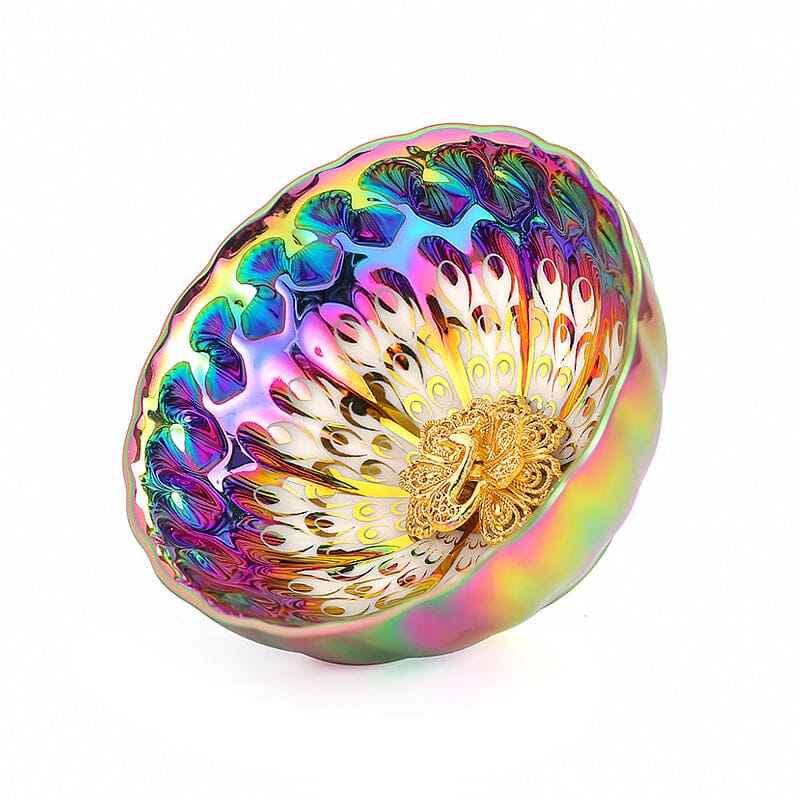
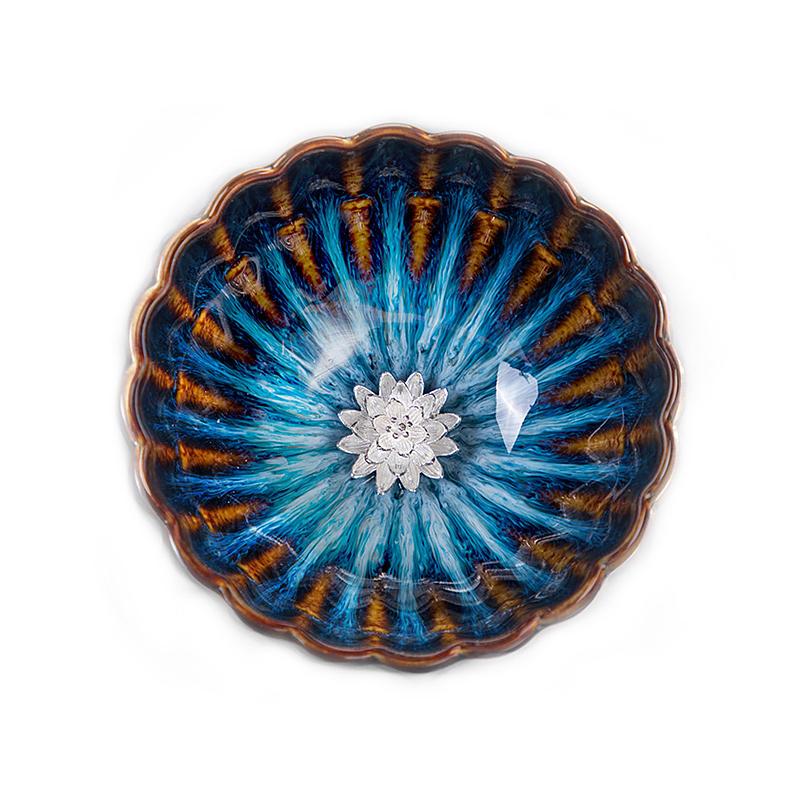
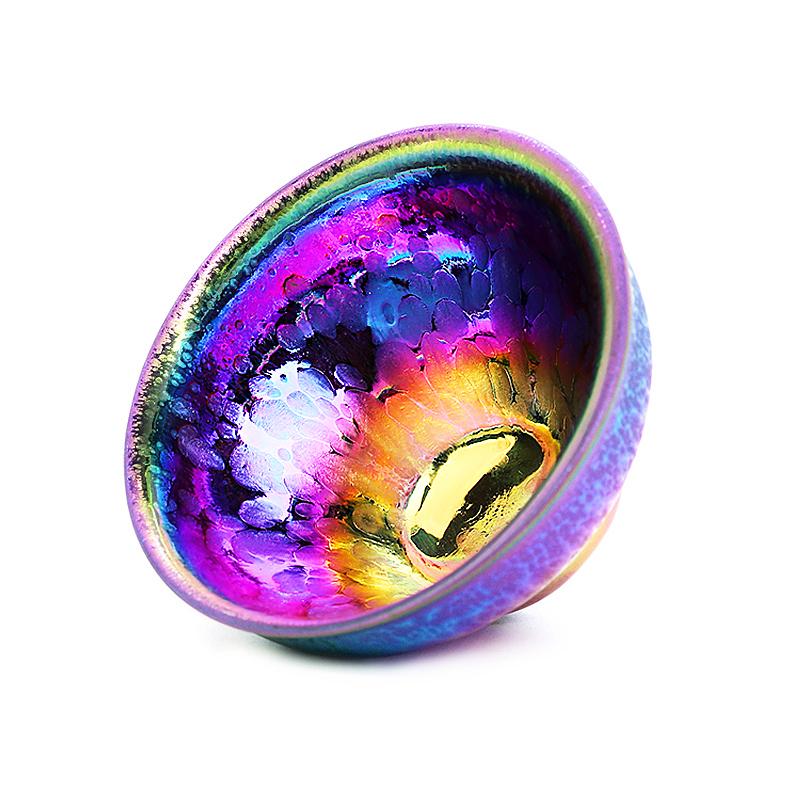
Ready to experience the world of tenmoku tea bowl? Browse our curated collection:
Disclaimer: This article is for informational purposes. Products and pricing subject to change.



Share:
Tenmoku Tea Bowl Authenticity Guide: Buy With Confidence
Tenmoku Tea Bowl Value: Why It Costs More and What You Receive