

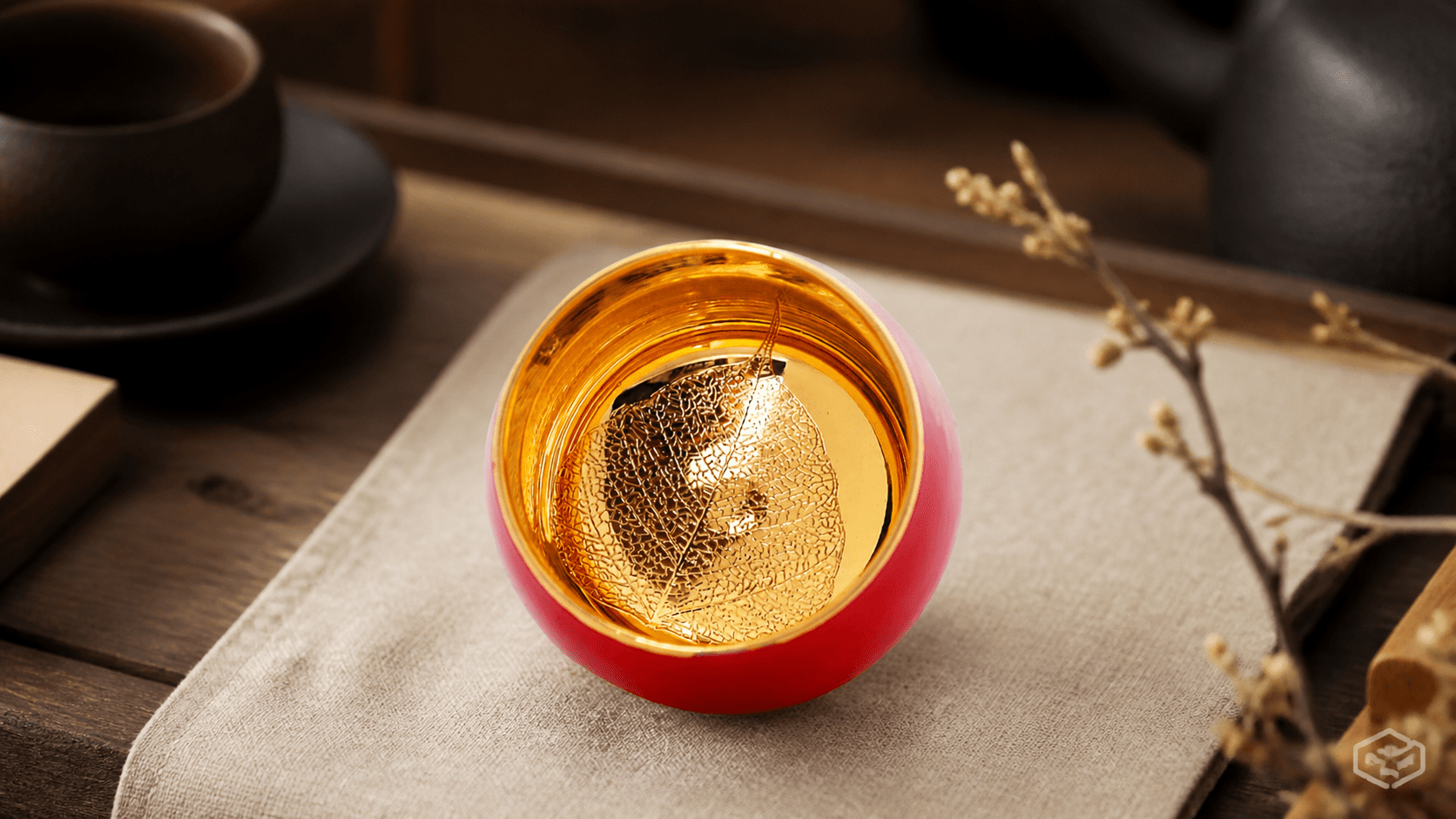

Tenmoku Tea Bowl Value: Why It Costs More and What You Receive
A tenmoku tea bowl costs more than an ordinary cup because it is a handmade ceramic object shaped by skilled labor, mineral-rich clay, a difficult iron-rich glaze, and a high-risk firing process. For someone preparing gongfu tea or choosing a meaningful gift for tea lovers, a good Tenmoku bowl is closer to a small-batch fountain pen, hand-stitched leather accessory, or studio-made glass than a mass-produced mug.
Also called Jianzhan or a Tenmoku tea cup, it is designed to make a daily tea moment feel more intentional. The price is not only about appearance; it reflects how much craft, uncertainty, and individual character are built into each finished piece.


Key Takeaways
- A Tenmoku bowl is expensive because the material, glaze chemistry, firing, finishing, and loss rate all require skilled work.
- Natural variation is part of the value: no two handmade ceramic bowls develop exactly the same glaze movement.
- The best value Jianzhan is not necessarily the cheapest or flashiest; it should have sound construction, a comfortable rim, balanced form, and a glaze you genuinely want to use.
- For beginners, a well-made contemporary bowl is usually a smarter first purchase than chasing a rare collectible or an unverified antique claim.
- An authentic Jianzhan tea cup should be sold with clear, specific information about its origin, maker or workshop when available, materials, and care.
Why Tenmoku Is Expensive Compared With an Everyday Tea Cup?
The simplest answer to why Tenmoku is expensive is that every bowl carries costs that factory-made drinkware avoids. A machine-made cup can be standardized, rapidly repeated, and inspected before it reaches a shelf. A handmade Tenmoku tea bowl must survive many more variables: hand-forming, drying, trimming, glazing, kiln loading, firing, cooling, sorting, and finishing.
Think of the difference between a department-store wine glass and a hand-blown glass made in a small studio. Both can hold a drink. But the studio piece reflects more labor, a smaller production run, and more outcomes that cannot be fully controlled in advance. Tenmoku works the same way.
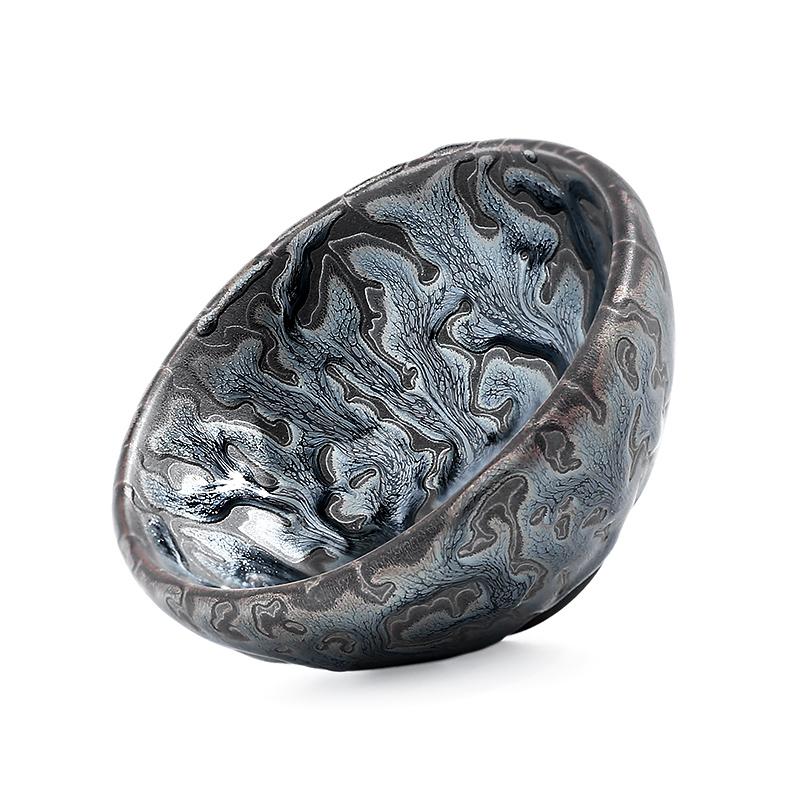
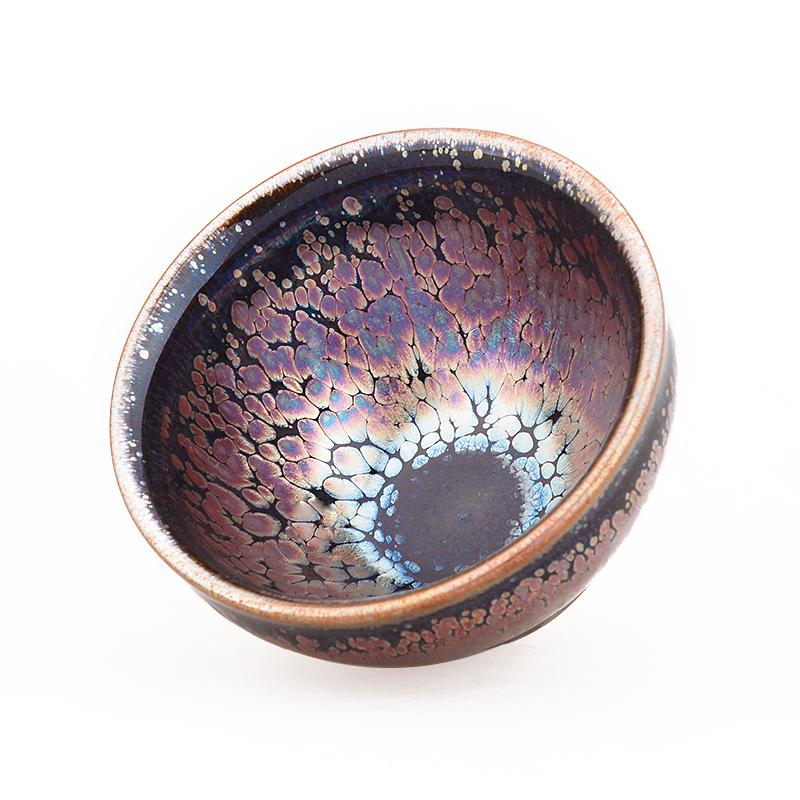
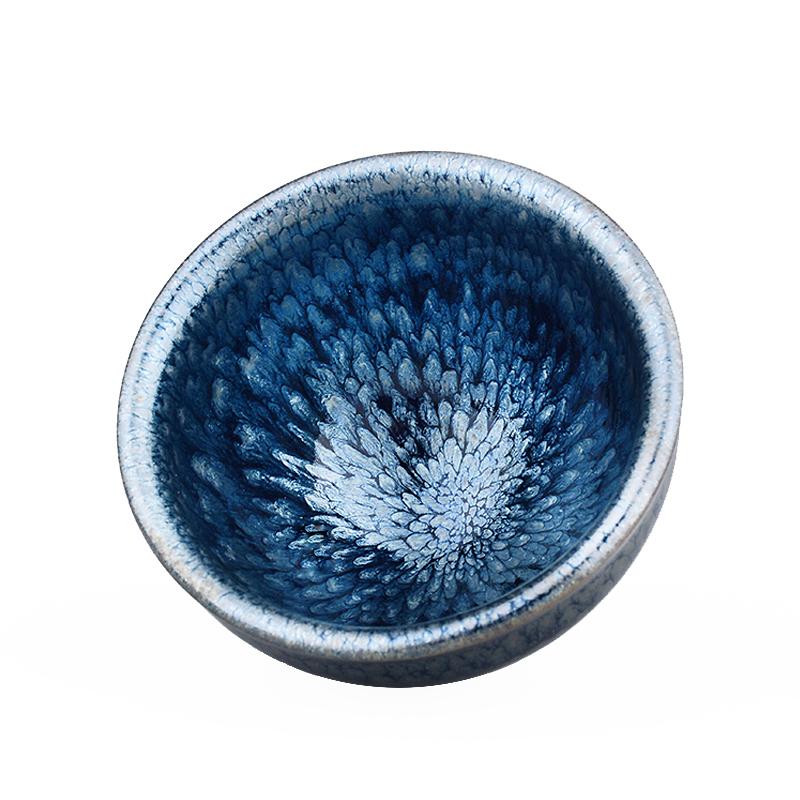
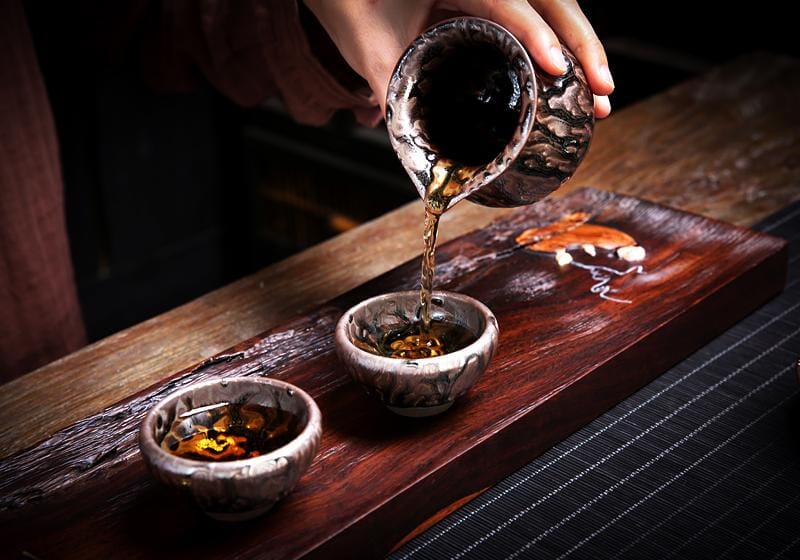
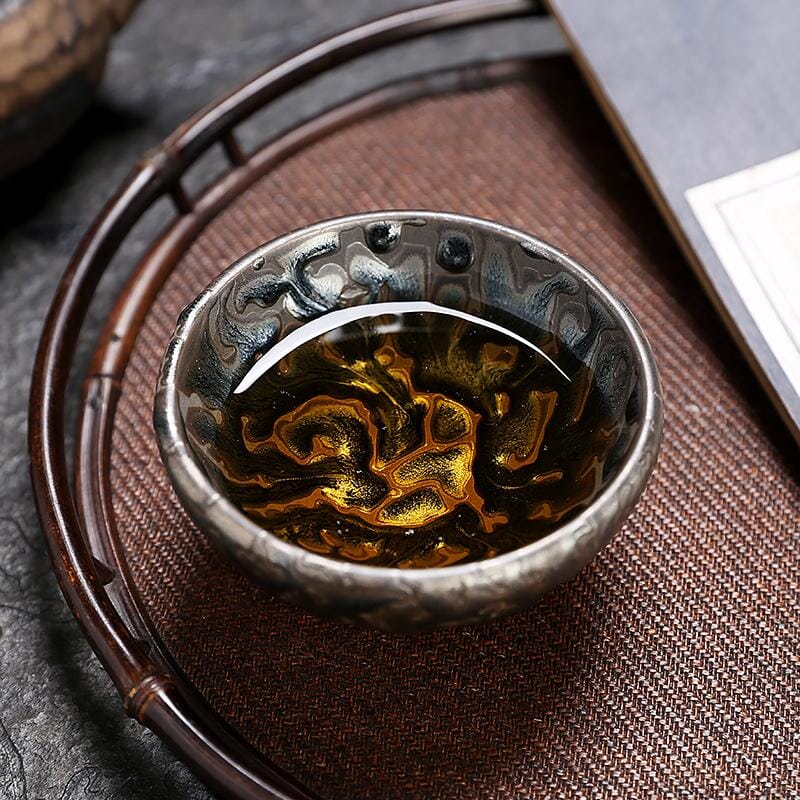
The clay body and iron-rich glaze must work together under intense heat. During firing, iron minerals may create dark black, brown, silver, blue, or streaked visual effects. Hare's fur-style lines, oil-spot-like speckles, and subtle luster are not printed on after firing. They emerge from the kiln environment, glaze thickness, placement, temperature curve, and cooling conditions.
That uncertainty creates a meaningful loss rate. Some bowls may crack, warp, develop unwanted glaze defects, or simply fail to achieve the intended visual balance. The bowls that make it through are priced in part to support the work and materials behind the ones that did not.
This does not mean every expensive bowl is automatically better. Price should be supported by workmanship and transparent product information, not vague luxury language. But when you are looking at a carefully made bowl, the higher cost often reflects a real production difference.
What Determines a Tenmoku Tea Bowl Price?
A tenmoku tea bowl price can range widely. Entry-level handmade pieces may be accessible for a first-time buyer, while artist-made, wood-fired, rare-glaze, or historically significant works can cost substantially more. The useful question is not “What is the normal price?” but “What is included at this price point?”
| Value factor | What to look for | Why it affects price |
|---|---|---|
| Handwork | Clearly hand-thrown or hand-finished form, thoughtful foot ring, even rim | More skilled time and a smaller production scale |
| Glaze result | Depth, movement, balance, and a finish that suits the form | Strong glaze outcomes are difficult to repeat consistently |
| Firing method | Controlled kiln work, wood firing, or other specialized processes when documented | Longer firing cycles, fuel, monitoring, and greater risk |
| Maker context | Named artist, documented workshop, or clear product provenance | Experience, reputation, and accountability can add value |
| Function | Comfortable weight, stable base, smooth drinking edge, practical size | A bowl should perform well, not merely photograph well |
| Rarity claims | Specific evidence rather than dramatic labels | Verified rarity may matter; unsupported claims should not command a premium |
In the United States, shipping, import handling, retailer photography, customer support, packaging, and returns also contribute to retail pricing. A premium tea bowl is not priced only at the kiln door.
It helps to separate three categories. First, there are decorative black-glazed cups inspired by Tenmoku. Second, there are contemporary handmade Jianzhan-style bowls made for daily tea. Third, there are artist works and collectible pieces with stronger provenance or exceptional firing outcomes. All can be enjoyable, but they should not be compared as if they offer the same thing.
Is the Jianzhan Cost About History, Craft, or Rarity?
The Jianzhan cost is usually a mix of all three, although craft is the most immediate factor in a modern bowl. Jian ware is associated with the Song Dynasty, when dark tea bowls from the Jian kilns became admired for tea preparation and their dramatic surface effects. Their visual language later influenced tea culture in Japan, where the word “Tenmoku” became associated with this family of dark-glazed bowls.
For a US buyer, it may be easiest to think of the relationship as similar to a musical style traveling across cultures. The original tradition remains important, while Japanese pottery developed its own tea aesthetics and vocabulary around related forms. Japan and Japanese tea culture helped keep appreciation for Tenmoku-style bowls visible, but a modern product should not be presented as an antique Song Dynasty object unless it has credible documentation.
History gives the bowl cultural context; it does not automatically prove present-day quality. A contemporary handmade ceramic bowl can be an excellent choice if it is honestly described and well made. Conversely, an item labeled “ancient,” “museum grade,” or “rare Song Dynasty” without verifiable provenance deserves caution.
Rarity also needs perspective. A one-of-one glaze pattern is normal for handmade work. That does not automatically make it a collectible investment. Its personal value may be much more important: perhaps the bowl makes your morning oolong tea feel calmer, becomes part of a weekend tea ritual, or marks a gift-worthy milestone.
How Can You Find the Best Value Jianzhan for Gongfu Tea?
The best value Jianzhan is the one that combines honest craftsmanship with a price you can enjoy using. If you are new to gongfu tea, do not start by treating every bowl as a museum object. Start with function, fit, and a glaze that makes you want to sit down and brew tea.
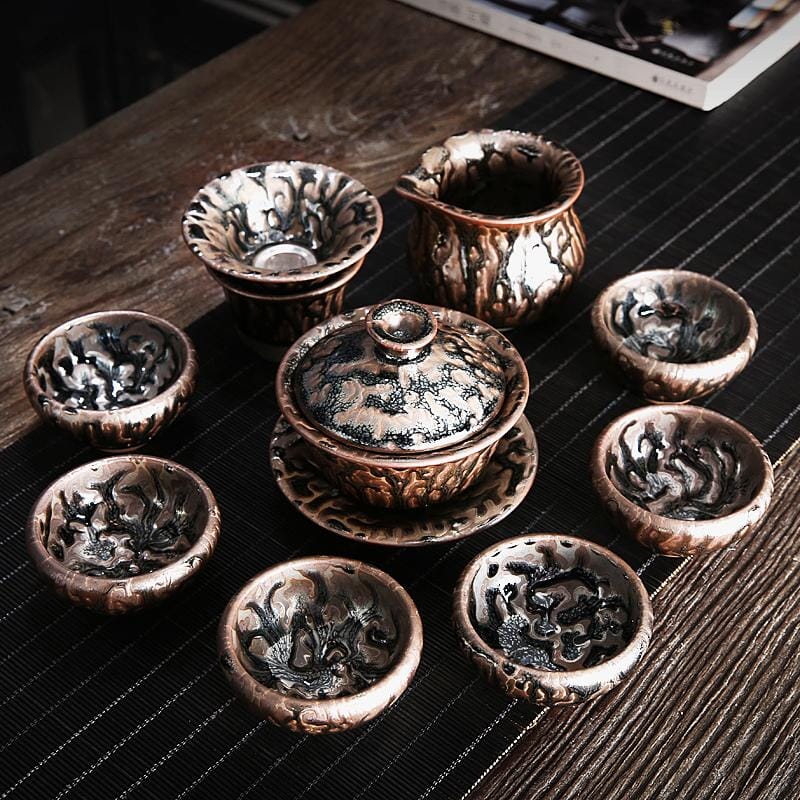
- Choose the right size. For gongfu tea, a smaller bowl or cup often works well because tea is brewed and enjoyed in short pours. Make sure the capacity suits your usual brewing style.
- Check the rim and weight. A comfortable rim matters more than many beginners expect. The bowl should feel steady but not heavy or awkward in your hand.
- Look at the foot ring. The base should sit flat and feel finished. Small handmade variations are normal, but a bowl should not wobble.
- Study the glaze in normal light. A striking product photo is not enough. Look for photos showing the inside, outside, rim, base, and glaze under natural or neutral light.
- Ask for specific details. A trustworthy seller can explain whether the item is handmade, where it was made, approximate dimensions, capacity, and care guidance.
- Buy for use first. If you love oolong tea, choose a bowl that fits your tea table and your hand. Daily use is often the best test of value.
A darker interior can create a beautiful contrast with pale tea liquor, while a lustrous glaze may change subtly as you move the bowl under light. These qualities add atmosphere, but they should not distract from basic functionality.
To compare styles and sizes, Explore our handmade Jianzhan tea cups. If you are especially drawn to fine linear glaze movement, Browse our hare's fur Jianzhan series.
What Makes an Authentic Jianzhan Tea Cup a Better Gift for Tea Lovers?
An authentic Jianzhan tea cup can make a memorable gift because it balances usefulness with story. Unlike a generic gift, it becomes part of a repeatable ritual: heating water, brewing leaves, pouring a small serving, and taking a quiet pause. That is especially appealing for a tea drinker who already has favorite loose-leaf teas but wants a more personal vessel.
A good Jianzhan tea cup gift does not need to make exaggerated promises. It should arrive with clear dimensions, care information, and enough context for the recipient to understand what they are holding. Explain that the visual variation comes from a high-fired iron-rich glaze and that individual differences are expected in handmade work.
For a premium lifestyle buyer, the appeal is similar to choosing a handmade serving board, a small-batch fragrance, or a hand-finished notebook. The object has a job to do, yet it makes an ordinary habit feel considered. That is where a well-chosen Tenmoku bowl earns its place.
If you are gifting to a beginner, avoid choosing solely by the most dramatic image. Prioritize a versatile shape, approachable size, stable base, and a seller with accurate product descriptions. The best Jianzhan tea cup for a gift is one the recipient will feel comfortable using, not one they are afraid to touch.
When Is a Higher Tenmoku Tea Bowl Price Worth Paying?
Paying more can be worthwhile when the difference is visible, functional, and documented. A higher-priced bowl may offer a more refined form, a more successful firing outcome, a named maker, better finishing, stronger customer support, or a glaze effect that genuinely speaks to you.
It is less worthwhile when the price depends mainly on unclear superlatives. Be careful with claims such as “healing minerals,” “guaranteed investment,” “imperial quality,” or unverified antique status. A tea bowl can be beautiful and meaningful without becoming a source of health claims or financial speculation.
A practical buying rule is to set a budget that lets you use the bowl freely. If a piece feels too precious to bring to your tea table, it may not be the right first purchase. A well-made contemporary bowl that you use three times a week can deliver more lasting value than a more expensive piece kept in a box.
Frequently Asked Questions
Why is Tenmoku expensive?
Tenmoku is expensive because handmade production requires skilled labor, specialized clay and glaze work, high-temperature firing, and acceptance of kiln losses. The distinctive surface is created during firing rather than applied as a printed decoration.
What is a reasonable Tenmoku tea bowl price for a beginner?
A reasonable beginner price depends on the maker, size, firing method, seller support, and country of purchase. Focus on transparent product details, sound construction, and a glaze you enjoy instead of trying to identify one universal “correct” price.
How do I identify the best value Jianzhan?
Look for an honestly described handmade bowl with a smooth rim, stable base, useful capacity, clear photos, and specific origin or workshop information. The best value Jianzhan is functional and well finished at a price that fits your budget.
Does Jianzhan cost more because it comes from the Song Dynasty?
Modern Jianzhan does not cost more simply because of the Song Dynasty connection. The historical tradition adds context, while current pricing is mainly determined by craftsmanship, firing complexity, glaze result, maker reputation, and documentation.
Is a Japanese Tenmoku bowl the same as a Jianzhan tea cup?
They are related but not always identical labels. Jianzhan refers to the Chinese tradition associated with Jian ware, while Tenmoku is a term widely used in Japan and internationally for related dark-glazed tea bowls. Always read the product description for its specific origin and making process.
Is an authentic Jianzhan tea cup safe for gongfu tea and oolong tea?
A food-safe tea cup from a reputable seller should be intended for beverage use, but product-specific care and safety information matters. Follow the seller's instructions, especially if the bowl has special finishes, metallic-looking effects, or recommended washing limits.
Conclusion: Buy the Bowl You Will Actually Reach For
A Tenmoku tea bowl is expensive when it represents real handmade skill, material knowledge, and successful kiln work—not merely a dramatic product label. Its strongest value is often practical and personal: a distinctive vessel that makes gongfu tea, oolong tea, or a quiet evening cup feel more deliberate.
Choose a bowl with clear provenance, comfortable function, and a glaze you want to see every day. When those details come together, a handmade Tenmoku becomes more than a cup; it becomes a useful part of your tea ritual and a thoughtful gift for tea lovers.
Explore Our Collection
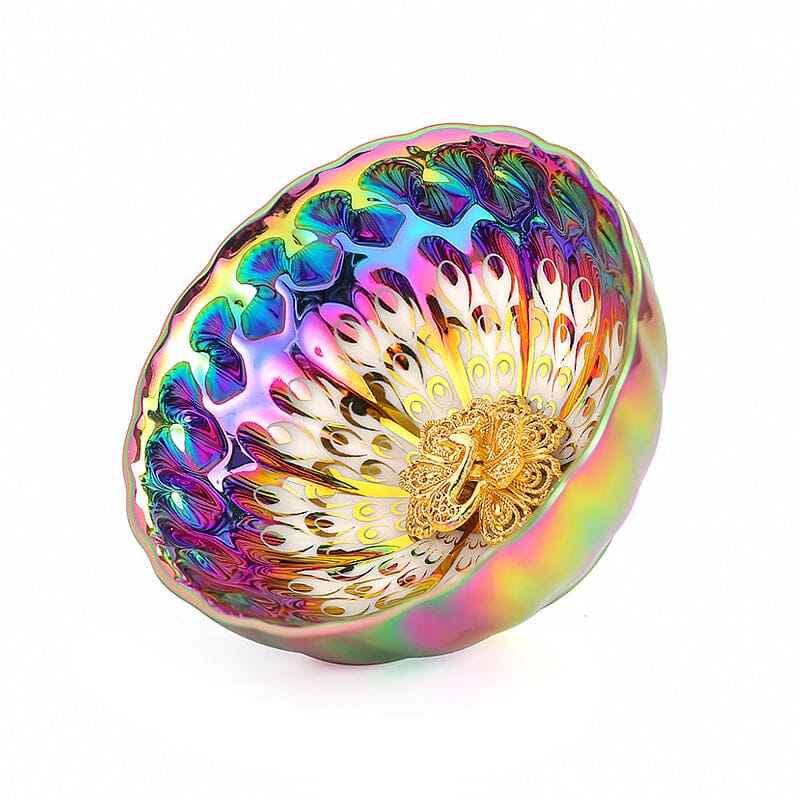
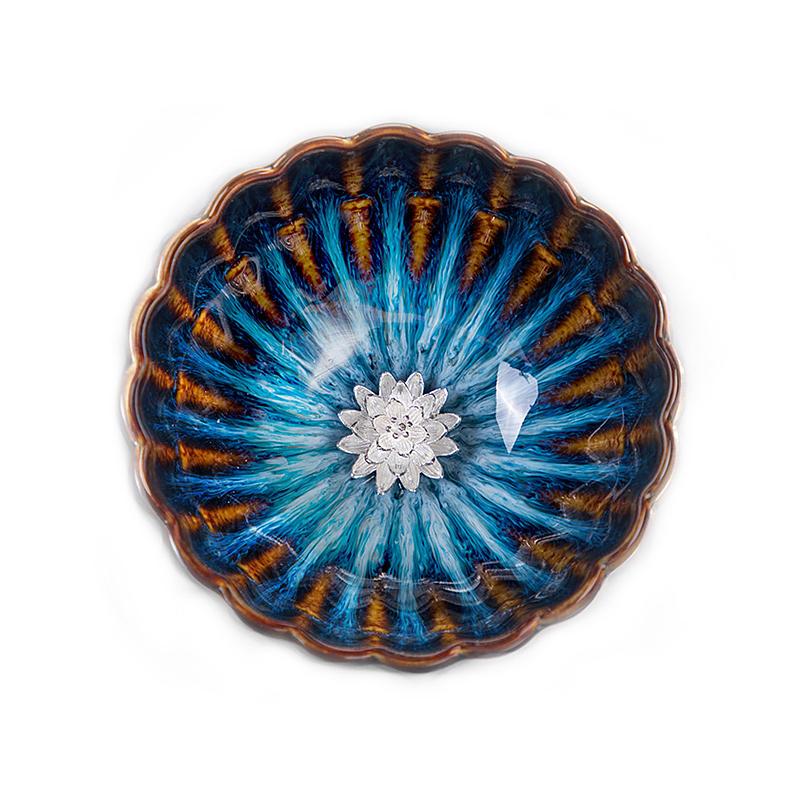
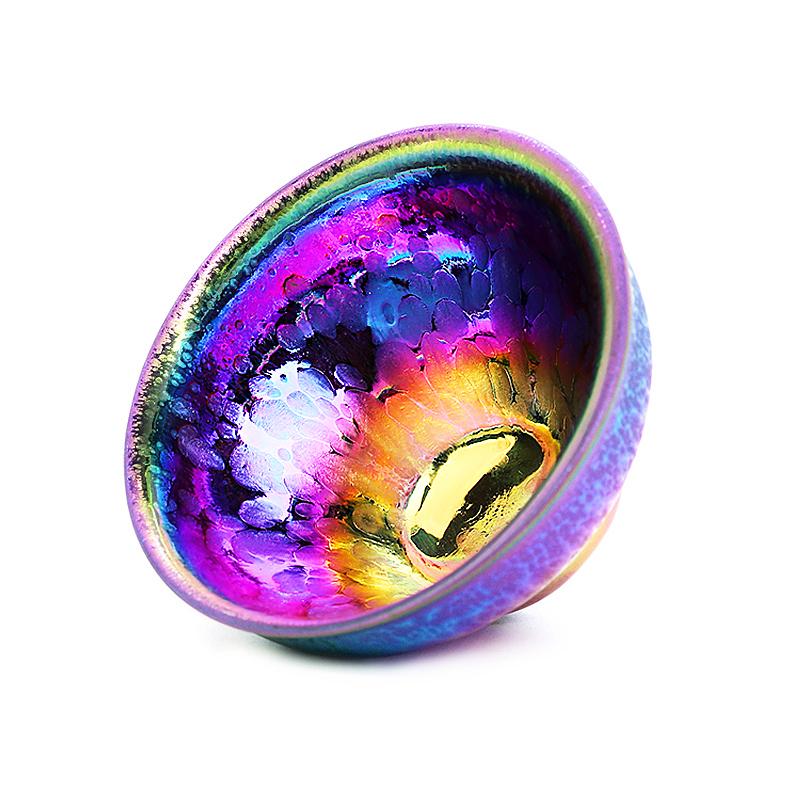
Ready to experience the world of tenmoku tea bowl? Browse our curated collection:
Disclaimer: This article is for informational purposes. Products and pricing subject to change.


Share:
Tenmoku Tea Bowl: A Handmade Story for Better Tea Rituals
Tenmoku Tea Bowl: A Calmer, More Luxurious Daily Tea Ritual