

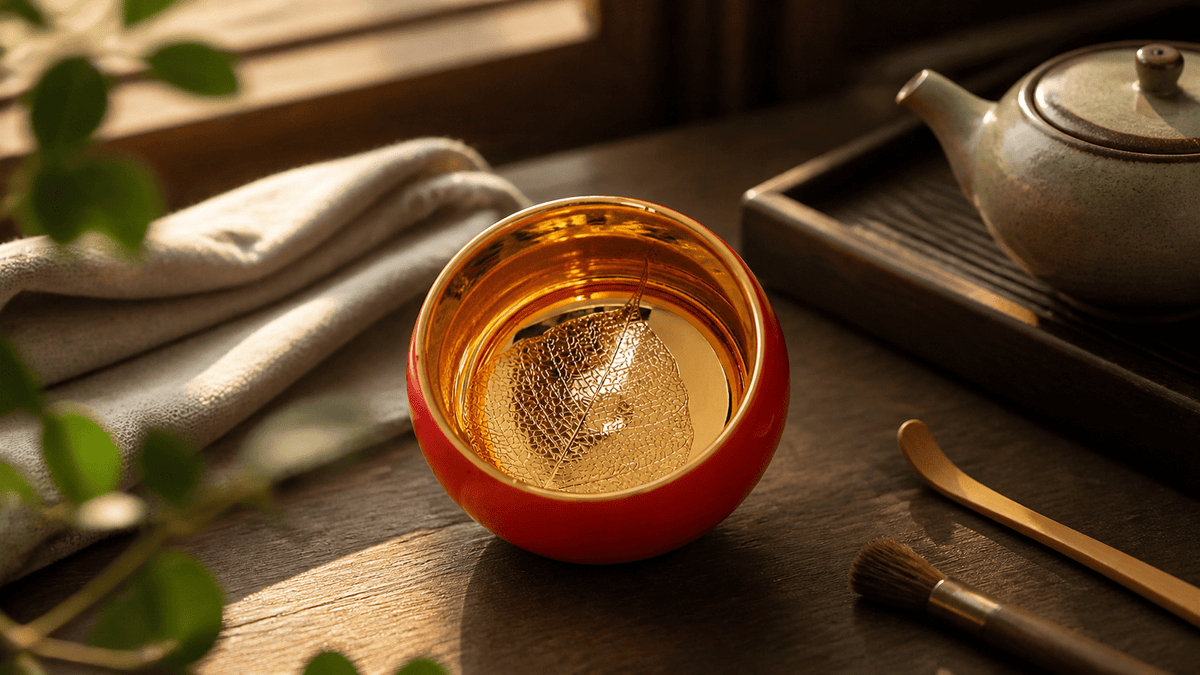

Tenmoku Tea Bowl: A Calmer, More Luxurious Daily Tea Ritual
A tenmoku tea bowl is a practical way to make ordinary tea feel more intentional: its dark, light-catching surface turns a few quiet minutes into a visual ritual. For a beginner making gongfu tea after work, this black-glazed tea cup—often called a Jianzhan cup—can make slowing down feel as tangible as lighting a favorite candle or pouring a good bottle of whiskey into the right glass.
It is not about making tea complicated. It is about choosing one well-made object that gives a familiar habit more attention, texture, and pleasure.

What Are the Key Takeaways Before Choosing a Tenmoku Tea Bowl?
- Tenmoku tea bowls are tactile daily-use pieces: they suit slow morning tea, a post-work reset, and focused gongfu tea sessions.
- Jianzhan is a specific tradition: it refers to black-glazed bowls historically associated with Jianyang, China, while Japanese Tenmoku describes related tea ware and cultural appreciation in Japan.
- Every surface is individual: firing can create hare's fur streaks, silvery oil spots, or other kiln change effects that cannot be copied exactly by machine.
- Size and feel matter more than ornament: a bowl should sit comfortably in your hand and fit the way you actually drink tea.
- A good gift needs context: pair the bowl with a simple explanation of its glaze, intended use, and care rather than treating it as a mysterious collectible.
Why Is a Tenmoku Tea Bowl a Unique Tea Cup Gift for a Modern Home?
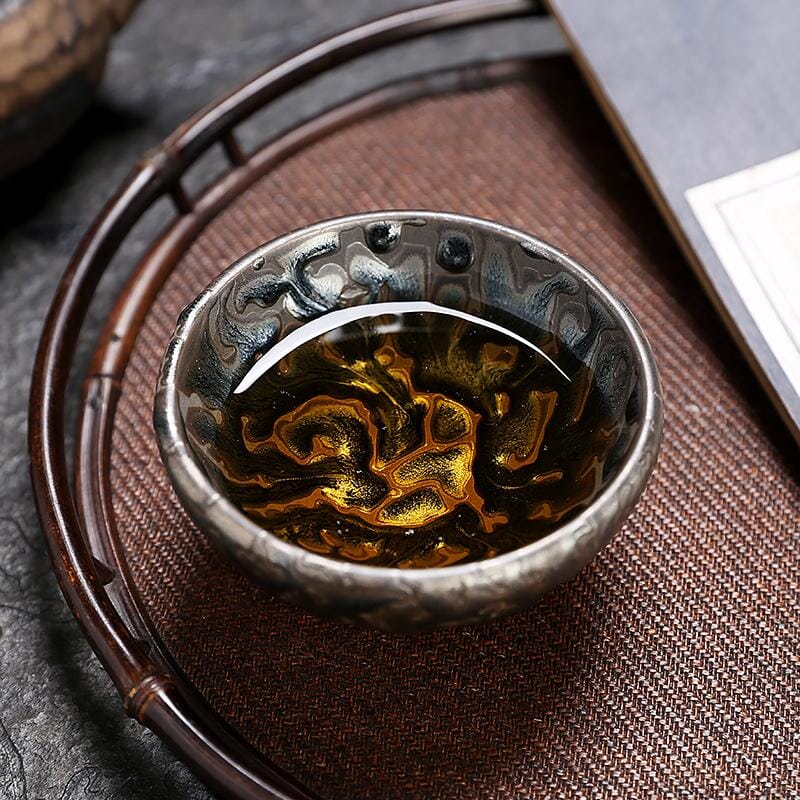
Luxury at home does not have to mean buying more things. Often, it means choosing fewer objects that improve a repeated moment. A tenmoku tea bowl does this particularly well because it is both functional and visually alive. In bright light, the glaze may look nearly black; under a warm lamp, fine lines or spots can emerge across the surface.
That changing appearance makes the bowl feel less like a standard kitchen mug and more like a small piece of usable art. Think of it as the tea equivalent of a hand-thrown wine glass, a leather-bound notebook, or a chef’s knife that makes you want to cook. The object does not replace the ritual; it gives the ritual a clearer frame.
The name Tenmoku is connected to tea culture shared across East Asia. Japanese tea culture helped make dark-glazed bowls widely admired, especially for the way pale tea foam and lighter teas contrast against a deep surface. Jianzhan, sometimes written as Jianzhan, refers more specifically to bowls made in the Jianyang area of Fujian, China, where black-glazed ware became renowned during the Song Dynasty.
For US buyers, the useful distinction is simple: a bowl can be inspired by Japanese tea aesthetics while an authentic jian zhan tea cup has a specific connection to the Jianyang ceramic tradition. Sellers should describe that connection clearly instead of using the names as interchangeable marketing labels.
As a unique tea cup gift, a Tenmoku bowl works because it offers more than decoration. It gives the recipient a prompt to make time for themselves. That can be meaningful for a housewarming, birthday, promotion, Father’s Day, holiday gathering, or a friend building a more thoughtful home routine.
How Does a Handmade Tea Cup Gift Set Make Gongfu Tea Feel More Restorative?
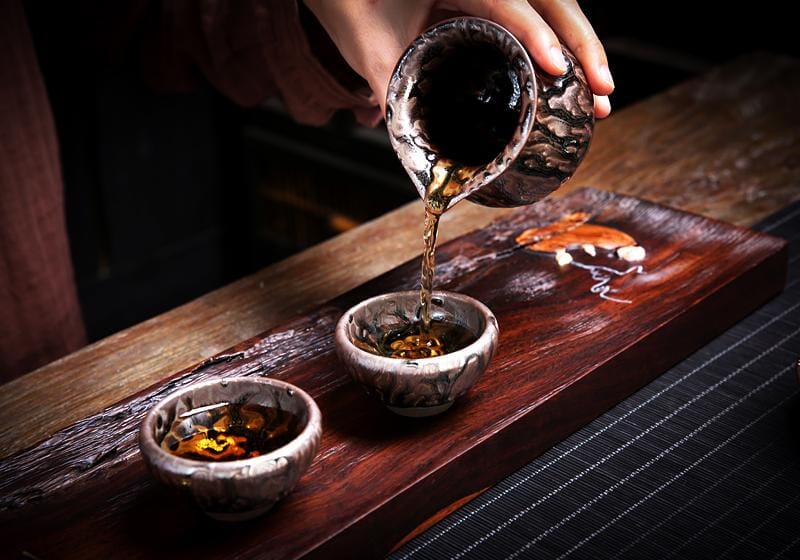
Gongfu tea is a Chinese style of brewing tea in small volumes with a higher leaf-to-water ratio and several short infusions. Despite the name, it does not require expert-level skill. At home, it can be as simple as using a small pot or gaiwan, brewing a good oolong or pu-erh, and tasting how each steep changes.
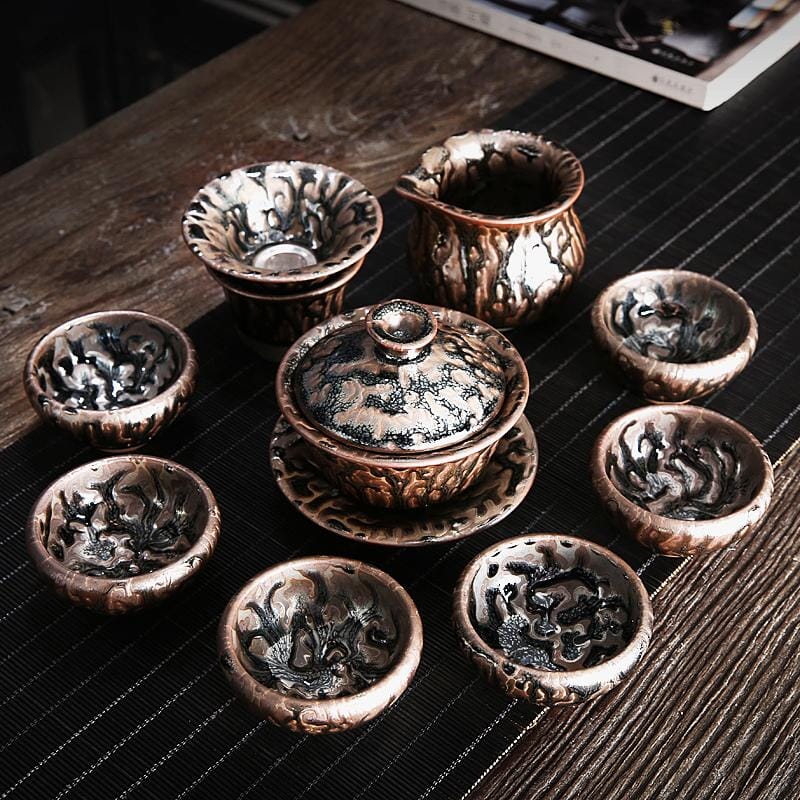
A handmade tea cup gift set can make that routine easier to share. Two matching-in-spirit bowls, a small tea tray, and a loose-leaf tea create an experience rather than just a boxed present. The pieces do not need to be identical. In fact, slight differences often make a handmade set more personal.
| Daily ritual item | What it adds at home | Tenmoku tea bowl equivalent |
|---|---|---|
| Specialty coffee mug | A familiar cue to begin the day | A bowl that makes a morning tea pause feel deliberate |
| Whiskey tumbler | Weight, reflection, and a slower evening pour | A dark glaze that visually deepens an evening tea session |
| Scented candle | A signal to transition out of work mode | A repeated tea ritual that asks you to sit down and notice |
| Handmade serving bowl | Texture and individuality at the table | A hand-finished cup with an individual glaze pattern |
The wellness value here is not medical and should not be overstated. A tea bowl will not solve stress. What it can do is support a low-tech habit that creates a boundary between tasks: boil water, prepare leaves, pour, taste, pause. That sequence can be especially welcome in homes where screens and notifications make every room feel like an office.
For gongfu tea, a smaller bowl is generally more useful than a large Western mug. It lets you taste several infusions without cooling tea too quickly or committing to one oversized serving. A rounded rim and a balanced foot ring also make the cup more pleasant to lift and hold.
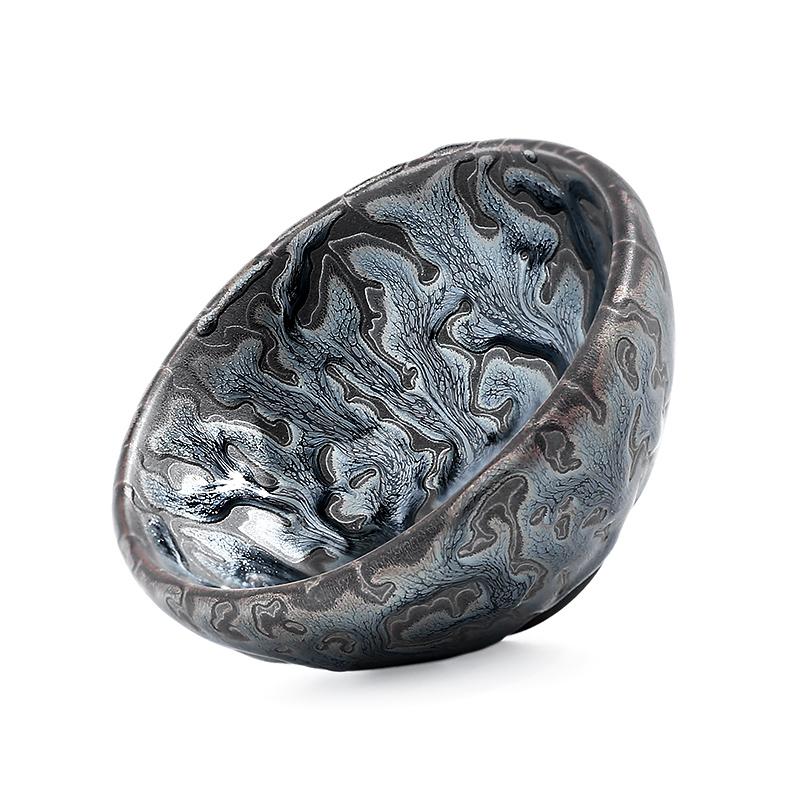
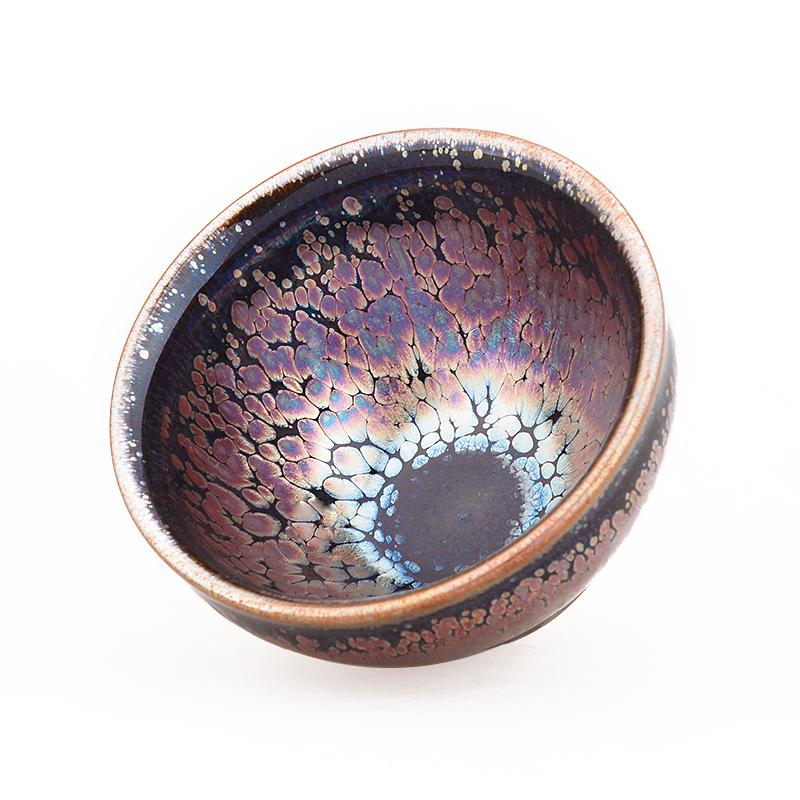
If you prefer a visual effect with clear contrast, an oil spot tenmoku cup can be compelling. Its speckled pattern may resemble a night sky or the sheen on a dark mineral. If you prefer finer movement, hare's fur patterns create narrow, flowing lines that reward close looking. Browse our hare's fur Jianzhan series to compare this effect across different forms.

What Makes an Authentic Jianzhan Tea Cup Different From Japanese Tenmoku?
The terms overlap, but they are not identical. “Tenmoku” is commonly used in English for dark-glazed tea bowls associated with East Asian tea history, including forms cherished in Japan. “Jianzhan” identifies a historically specific black-glazed bowl tradition from the Jianyang kilns in China.
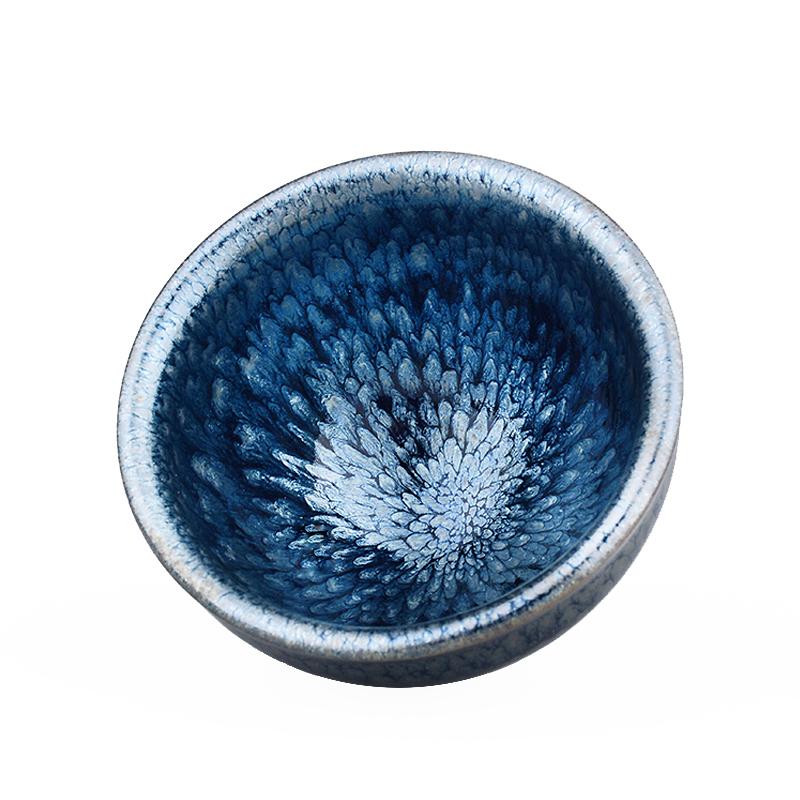
The Song Dynasty glaze tradition is especially admired because its visual effects come from firing, mineral composition, and cooling rather than from painted designs. An iron-rich glaze can develop patterns as minerals move and crystallize in the kiln. A successful kiln change may produce lines, spots, subtle halos, or color shifts that vary from bowl to bowl.
That does not mean every dark cup with a streaked finish is historic Jian ware, nor does it mean Japanese Tenmoku is somehow less meaningful. They belong to connected but distinct stories. A responsible product description should identify where a piece was made, whether it is handmade, what glaze effect it has, and whether claims of origin are documented.
For buyers, look past dramatic phrases such as “rare,” “museum quality,” or “ancient formula” unless the seller offers evidence. More useful questions are: Who made it? Where was it fired? Is the pattern from glaze and firing rather than a printed finish? Is it intended for food and beverage use? What is its size? How should it be cleaned?
A handmade bowl can still be a worthwhile purchase without being an antique, a numbered collectible, or a famous master’s work. Its value can be immediate: the way it feels in the hand, the way it frames the tea’s color, and the way it encourages use rather than display-only ownership.
How Do You Choose a Tea Cup Gift for Tea Lovers Without Guesswork?
The best tea cup gift for tea lovers fits the recipient’s habits, not just your idea of what looks impressive. Start with how they drink tea. Someone who enjoys Taiwanese oolong, Chinese black tea, or pu-erh may appreciate a small bowl for gongfu tea. Someone who drinks large mugs of herbal tea may prefer a larger form or may enjoy the bowl as a special weekend piece.
- Choose a comfortable size. Small cups are ideal for tasting and multiple infusions; medium bowls feel more versatile for relaxed sipping.
- Choose a glaze personality. Hare's fur feels linear and elegant. Oil spot feels bolder and more cosmic. A quieter black surface may suit a minimalist home.
- Check practical details. Ask about capacity, dimensions, care guidance, and whether the surface has a comfortable lip and foot ring.
- Match the recipient’s setting. A moody home bar, walnut desk, modern kitchen, or calm tea corner can guide your color and form choice.
- Add a useful companion. Loose-leaf tea, a tea scoop, or a short note on brewing makes a jianzhan tea cup gift easier to enjoy immediately.
For a first-time recipient, avoid making the gift feel intimidating. Include a simple card: “Use this bowl for small pours of tea. Rinse with warm water, dry it after use, and enjoy how the glaze looks different in changing light.” That invitation is more helpful than a dense history lesson.
Price should reflect workmanship, material, firing, finish, and verified provenance—not only dramatic appearance. Handmade ceramics involve variation. Tiny differences in shape, glaze movement, or color are normal and are often part of the appeal. But chips, sharp edges, unstable foot rings, or vague origin claims are not traits to romanticize.
When Does a Tea Ceremony Gift Belong in a US Lifestyle Routine?
A tea ceremony gift does not require a formal ceremony room or strict protocol. In a US home, it can support a personal routine: five minutes before a busy day, a screen-free break at lunch, or a shared pot of tea after dinner. The point is not to perform another culture. It is to approach tea with attention and respect.
Keep the ritual approachable. Use water suited to the tea, brew a small amount, taste before adding distractions, and let the bowl be part of the experience. If you want to learn more, start with the tea itself rather than rushing to buy every accessory.
For hosts, two or four coordinated bowls can also be a gracious way to welcome guests. Unlike a fragile decorative object kept in a cabinet, a tenmoku tea bowl earns its place by being used. Shop authentic Tenmoku tea bowls when you are ready to choose a piece for daily use or a considered gift.
FAQ: What Should First-Time Tenmoku Tea Bowl Buyers Know?
Is a tenmoku tea bowl a good tea cup gift for tea lovers who are beginners?
Yes, if the recipient enjoys loose-leaf tea or wants a quieter daily ritual. Choose a comfortable, food-safe bowl with clear care instructions, and pair it with an approachable tea such as oolong or black tea. A smaller bowl is especially useful for learning gongfu tea.
What should a handmade tea cup gift set include?
A simple set can include two handmade cups, loose-leaf tea, and a short brewing note. If you add more, choose useful pieces such as a tea scoop or small tray. Avoid adding accessories that make the recipient feel they need special training before using the cups.
Is an authentic jian zhan tea cup the same as a Japanese Tenmoku bowl?
Not exactly. Jianzhan refers to a black-glazed bowl tradition associated with Jianyang, China. Japanese Tenmoku refers to related tea ware and a major Japanese appreciation tradition. Product listings should state origin and making method clearly rather than treating both names as identical.
Why does an oil spot tenmoku cup look different in different light?
Oil-spot effects can reflect light differently depending on the bowl’s angle and the room’s lighting. This is part of the appeal of a kiln-fired glaze. It should not be mistaken for a guarantee that every bowl will show the same color or pattern in every setting.
Is a unique tea cup gift practical enough for everyday use?
It can be, provided the maker or seller confirms it is intended for beverage use and gives sensible care guidance. Many people reserve a handmade bowl for tea time rather than daily dishwasher use, which can make it both practical and special.
What makes a jianzhan tea cup gift meaningful for a housewarming?
It recognizes that a home is built from repeatable moments, not just furniture. A bowl for tea gives the recipient a small way to settle into a new space, host a friend, or establish a calming evening routine.
Explore Our Collection
Ready to experience the world of tenmoku tea bowl? Browse our curated collection:
Disclaimer: This article is for informational purposes. Products and pricing subject to change.


Share:
Tenmoku Tea Bowl Value: Why It Costs More and What You Receive
Real vs Fake Tenmoku Tea Bowl: Buy With Confidence