

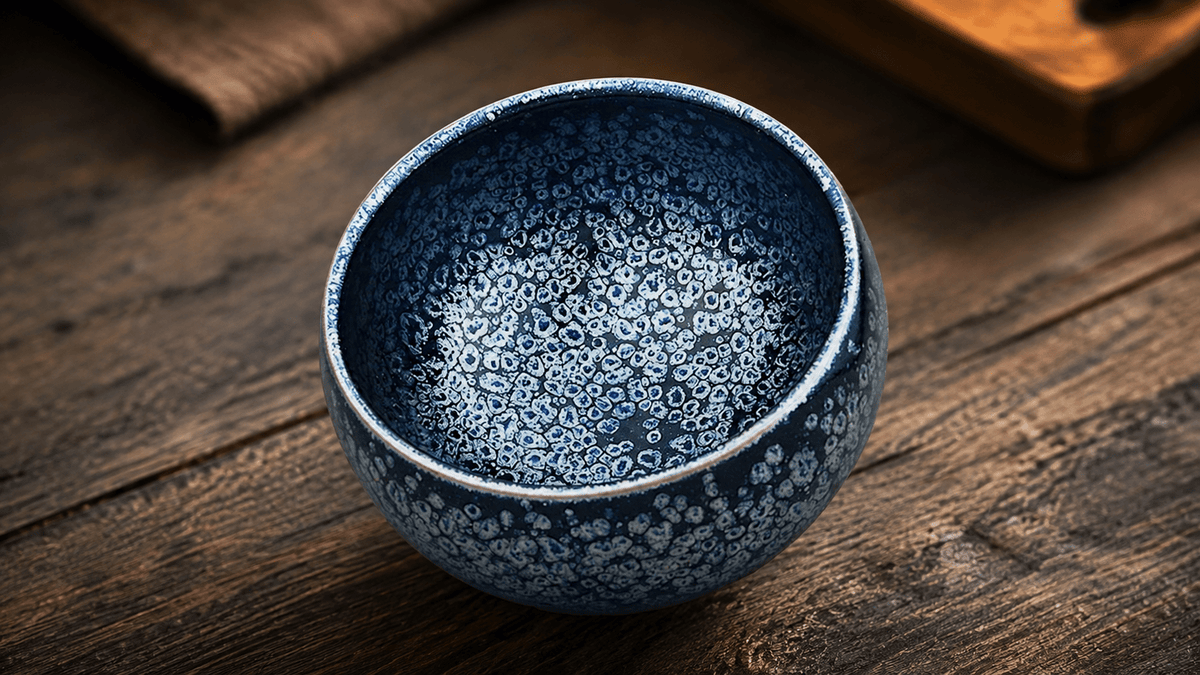

Tenmoku Tea Bowl: How to Spot a Real One and Buy With Confidence
Direct answer: A real tenmoku tea bowl is identified less by a dramatic rainbow surface than by honest labeling, an iron-rich glaze, and credible evidence of how it was made. For a gongfu tea session, a handmade Jianzhan cup should feel like functional Jianzhan Tenmoku ceramic first and a decorative object second.
That distinction matters because Tenmoku can describe several related black-glazed traditions, while Jianzhan refers more specifically to ware connected to the historic kiln tradition around Jianyang, China. A beautiful bowl can still be enjoyable if it is modern or mass-produced; the problem begins when a seller presents it as something it is not.
Key Takeaways
- Do not judge a tenmoku tea bowl by color alone; inspect the clay, foot, glaze, construction, and listing details together.
- An oil spot pattern should look like a fired glaze reaction, not a printed, painted, or raised decorative layer.
- “Song Dynasty glaze” is usually a stylistic or historical reference, not proof that a bowl is antique.
- Modern Japanese Tenmoku can be authentic Japanese work without being Jianzhan.
- The safest purchase comes from clear maker information, original photos, a view of the unglazed foot, and a reasonable return policy.
What does “Tenmoku” mean, and why does the name cause confusion?
Think of Tenmoku as a family name and Jianzhan as one important branch of that family. The word Tenmoku is associated with the Japanese pronunciation of Tianmu, and Japanese tea culture helped make black-glazed bowls widely recognized outside China. In the United States, however, “Tenmoku” is often used broadly for dark, glossy tea bowls with streaked, spotted, or metallic-looking glazes.
Jianzhan is traditionally associated with Jianyang in Fujian, China, and is known for dark bodies and high-iron glazes that can develop oil spot or hare’s fur effects in firing. This history does not mean every dark bowl is Jianzhan, nor does it make every Japanese Tenmoku less legitimate. It means the seller should describe the bowl accurately.
For a buyer, authenticity has two parts: whether the object was honestly represented, and whether its materials and process support the claim. A contemporary bowl inspired by Song Dynasty glaze traditions can be a worthwhile gift for tea lovers. It should simply not be sold as an antique or as authentic Jianzhan without evidence.
How to identify real Jianzhan: what should you inspect first?
Start with the bowl’s overall construction before chasing a dramatic surface. A real or honestly represented handmade bowl should show a coherent relationship between its clay body, glaze, shape, and firing marks.
- Look at the foot: The unglazed base often reveals the clay body and trimming. It may show hand-finishing, kiln-contact marks, or small variations, but none of these alone proves authenticity.
- Check the bowl’s balance: A tea bowl should sit steadily and feel intentional in the hand. Handmade does not mean poorly made; a warped rim, sharp foot, or unstable base is a quality concern, not a romantic imperfection.
- Study the glaze transition: On many high-fired bowls, glaze naturally thins, pools, or stops near the foot. A hard, plastic-looking border or a painted-on surface deserves closer scrutiny.
- Ask about the clay and firing: A seller claiming authentic Jianzhan should be able to explain the material, the maker or workshop, and the general firing method without relying only on vague phrases such as “rare energy” or “imperial quality.”
There is no single home test for how to identify real Jianzhan. A rough foot does not prove a bowl is handmade, and a smooth foot does not automatically make it fake. Treat each sign as one piece of a larger picture.
Jianzhan oil spot vs fake: what does a genuine glaze look like?
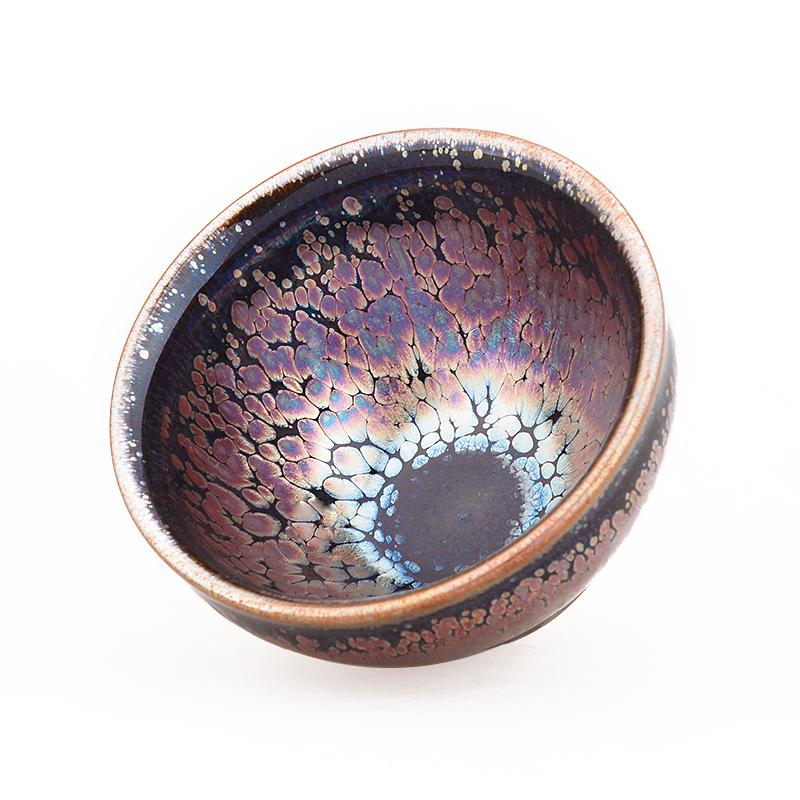
An oil spot is a visual effect created when minerals in a high-iron glaze react during firing. Under changing light, authentic-looking spots often have depth: their edges may soften into the surrounding black glaze, their density may vary, and their color can shift subtly as you move the bowl.
In a Jianzhan oil spot vs fake comparison, look for whether the pattern appears integrated into the glaze. Printed dots, transfer decals, metallic paint, and surface coatings can look impressive in a product photo, but they often appear overly uniform, sharply repeated, or visibly raised above the glaze.
Use angled daylight or a small flashlight. A fired oil spot should read as part of a glassy glaze layer rather than as a sticker sitting on top. Still, avoid turning one visual clue into a verdict. Modern kilns can produce controlled, even patterns, while handmade firing can also create quiet, less dramatic surfaces.
Be particularly cautious when every bowl in a listing has the same identical constellation of spots. Handmade work can have a recognizable style, but exact duplication is a reason to ask for individual photos or video of the specific bowl you will receive.
Real vs fake Tenmoku: which process markers matter most?
The most useful real vs fake Tenmoku question is not “Does it sparkle?” It is “Does the process described make sense for the object shown?” A convincing listing connects the finished bowl to a real maker, material, firing process, and location where relevant.
| What to examine | More credible signs | Reasons to pause |
|---|---|---|
| Product description | Specific maker or workshop, dimensions, material, and firing details | Only emotional claims, no source or specifications |
| Glaze | Depth, variation, and a natural relationship to the clay body | Printed repetition, paint-like shine, or a separate-looking coating |
| Foot and rim | Clear close-ups showing finishing and proportion | No base photo, cropped rims, or heavily filtered images |
| Historical claims | Careful language such as “inspired by” or “contemporary Jianzhan” | Unverifiable claims of Song Dynasty age or museum status |
| Seller support | Answers questions and offers a return path | Pressure tactics or refusal to show the exact item |
Wood firing can be meaningful, but it is not an automatic quality stamp. Likewise, a gas or electric kiln does not automatically disqualify a contemporary handmade piece. The key is whether the seller is truthful about the process.
Skip internet myths such as the magnet test or scratch test. They can damage the bowl and cannot reliably establish origin, maker, or authenticity. Laboratory analysis may reveal material characteristics, but even that does not independently prove a particular artist or historical claim.
How can you verify an authentic Jianzhan before buying online?
Online shopping removes the ability to hold the bowl, so replace intuition with a short evidence checklist. This is especially useful when comparing handmade Jianzhan tea cups at premium prices.
- Request photos or video of the exact bowl, including the rim, interior, side profile, and unglazed foot.
- Ask who made it, where it was made, and whether the Jianyang connection is a location claim, a style reference, or both.
- Confirm size, capacity, weight, and whether the bowl is comfortable for the kind of gongfu tea you drink.
- Read the return policy before purchase; authenticity claims should not make returns impossible.
- Compare several listings rather than treating a single “discount” as evidence of value.
A certificate can be useful when it identifies the maker, workshop, or edition, but paper alone is not physical proof. It should support transparent provenance, not replace it.
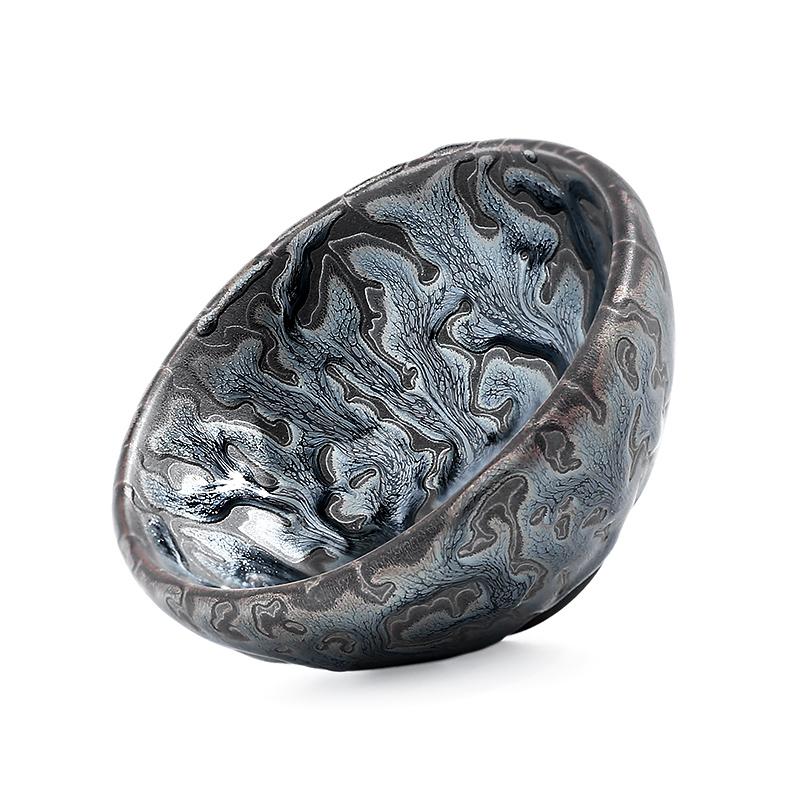
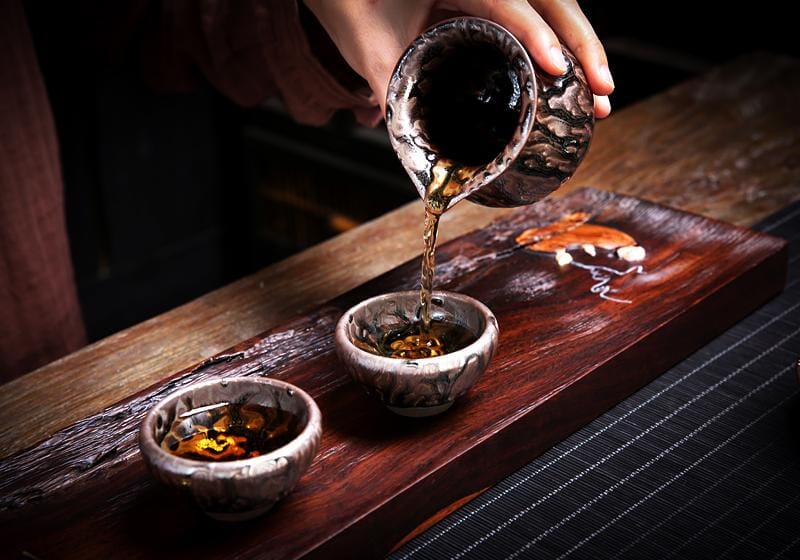
Featured image alt text: Jianzhan Tenmoku ceramic tenmoku bowl for tea ceremony
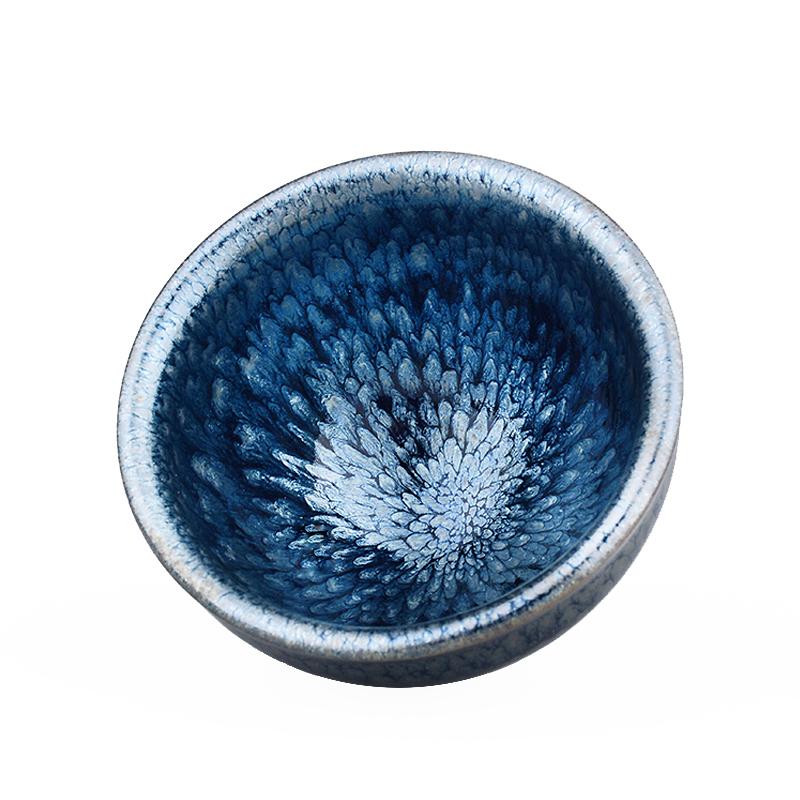
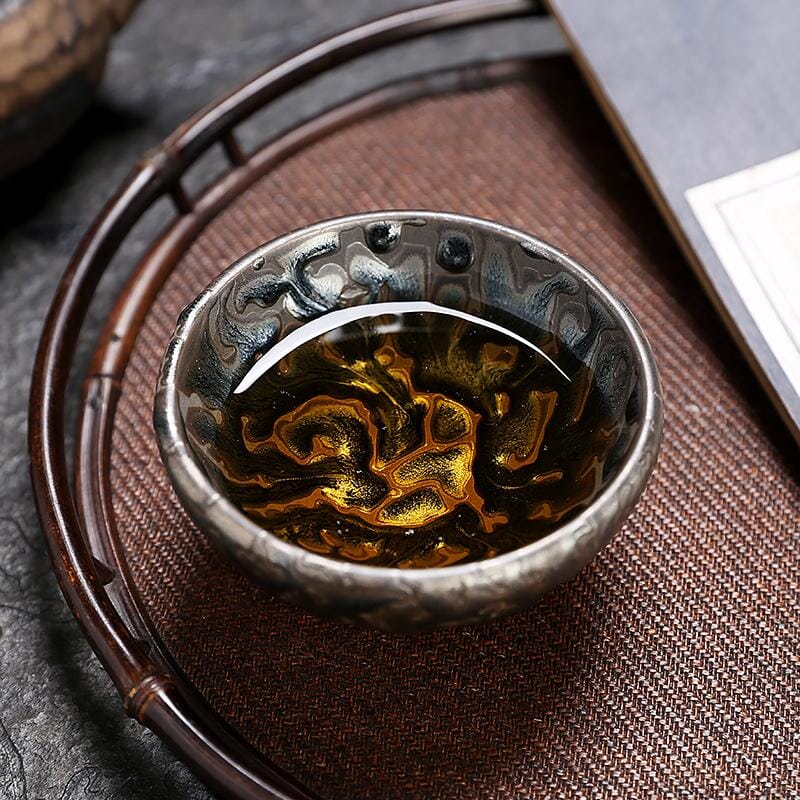
Secondary image alt text: japanese tenmoku cup with hare's fur pattern
What makes the best Jianzhan tea cup for a tea lover or gift?
The best Jianzhan tea cup is not necessarily the flashiest or most expensive one. For a beginner, choose a bowl with a comfortable rim, stable foot, realistic capacity, and clear disclosure about its materials and maker. For a gift for tea lovers, add a brief card explaining that glaze variation is part of the bowl’s character.
If you are searching for Japanese Tenmoku for sale, first determine whether the listing is offering Japanese-made Tenmoku, Chinese Jianzhan, or a contemporary bowl inspired by either tradition. Each can be worth owning when accurately described.
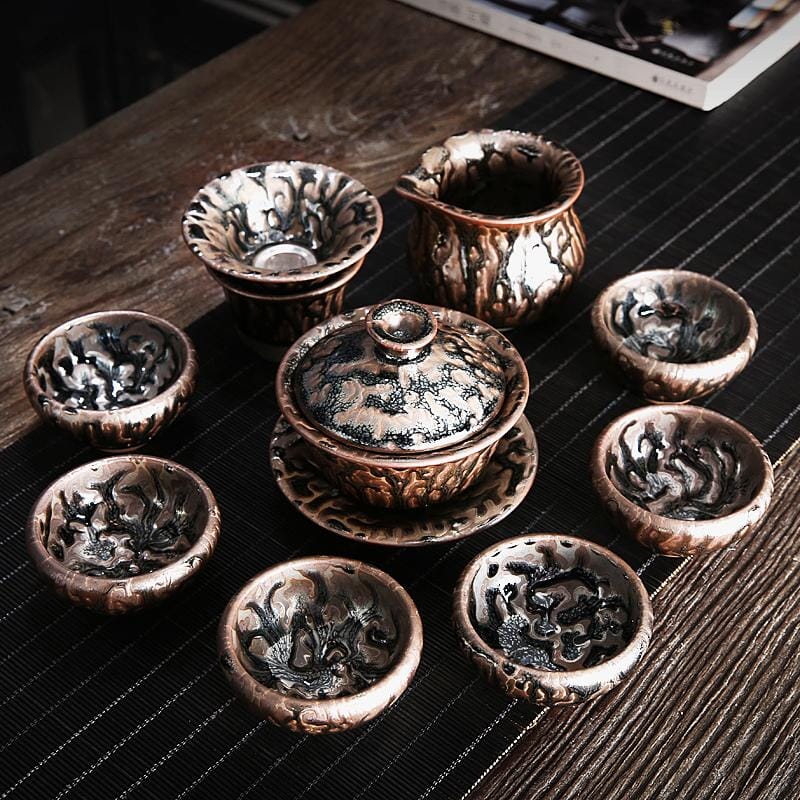
Explore our handmade Jianzhan tea cups to compare individual glaze variation and bowl profiles. If you prefer elongated streaks over circular spots, Browse our hare's fur Jianzhan series.
Frequently Asked Questions
How do I identify real Jianzhan at home?
Inspect the foot, glaze, construction, and seller information together. Look for an honestly described clay body and fired glaze, then request documentation or photos of the exact bowl. No single visual test can prove authenticity.
What should I look for in a Jianzhan oil spot vs fake comparison?
Look for depth and natural variation within the glaze. Be cautious of repeated printed patterns, paint-like metallic coatings, or designs that appear to sit above the surface rather than emerge from it.
Does authentic Jianzhan have to be made in Jianyang?
Claims should be precise. Jianyang is central to the historic Jian ware tradition, so a seller claiming regional origin should be able to support it. Contemporary bowls inspired by Jianzhan can still be enjoyable, but should not be presented as Jianyang-made without evidence.
Are real vs fake Tenmoku claims settled by a magnetic test?
No. A magnet cannot reliably establish a bowl’s age, maker, glaze process, or place of origin. Do not scratch or test a bowl in ways that could damage it.
Are handmade Jianzhan tea cups better for gongfu tea?
They can offer a more individual feel and visual character, but “better” depends on comfort, capacity, tea preference, and construction quality. A well-made bowl that feels balanced in your hand is more useful than a dramatic bowl you avoid using.
Can Japanese Tenmoku for sale be authentic if it is not Jianzhan?
Yes. Japanese Tenmoku is a legitimate ceramic tradition and should be evaluated according to its own maker, materials, and description. Authentic does not mean every related bowl must come from the same place or tradition.
Explore Our Collection
Ready to experience the world of tenmoku tea bowl? Browse our curated collection:
Disclaimer: This article is for informational purposes. Products and pricing subject to change.
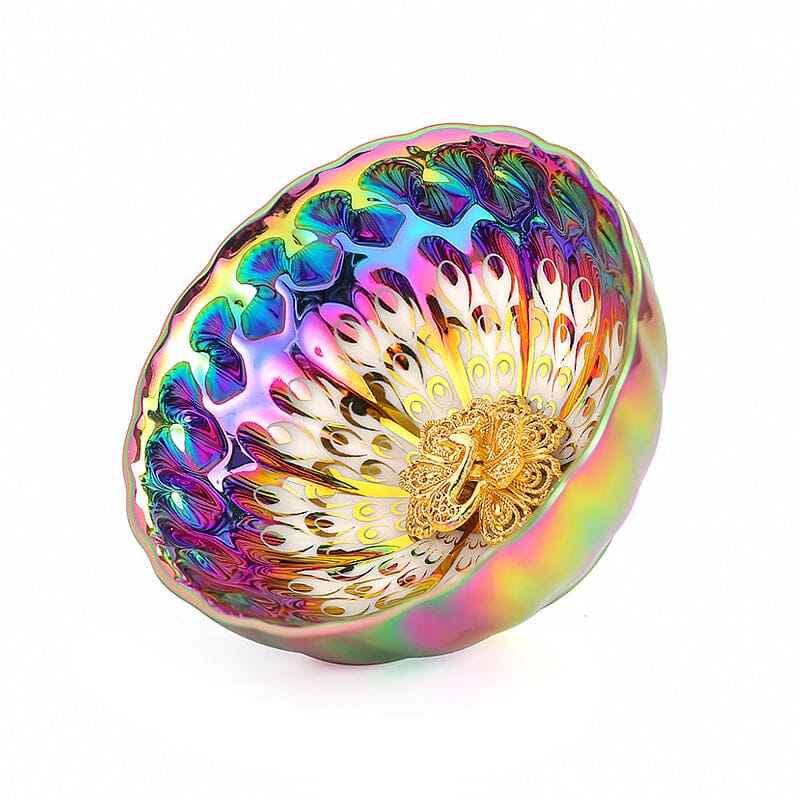


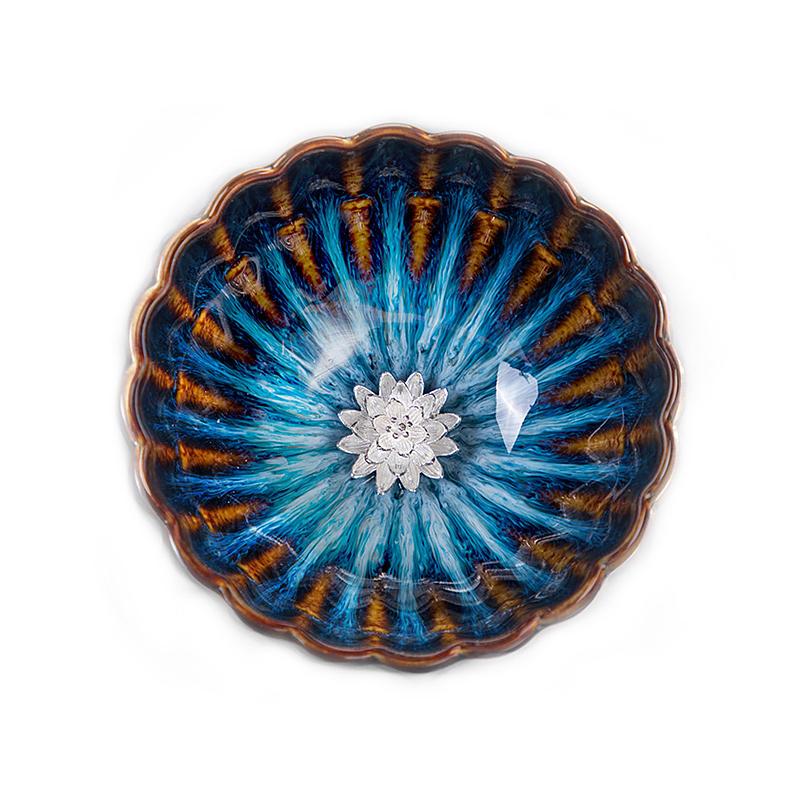
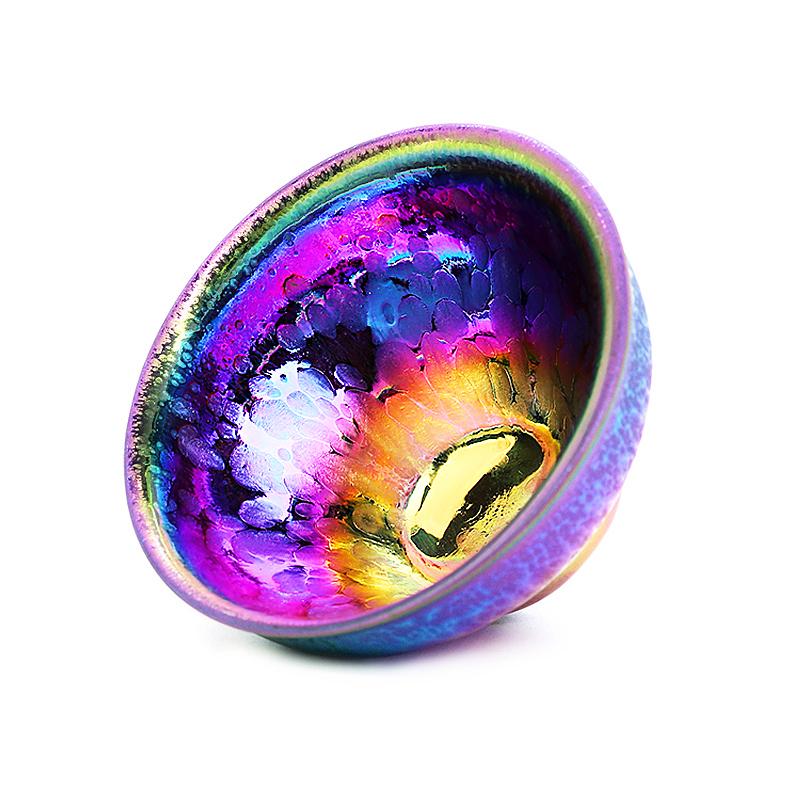
Share:
Tenmoku Tea Bowl: A Calmer, More Luxurious Daily Tea Ritual
Tenmoku Tea Bowl: A Handmade Story for Better Gongfu Tea and Meaningful Gifts