

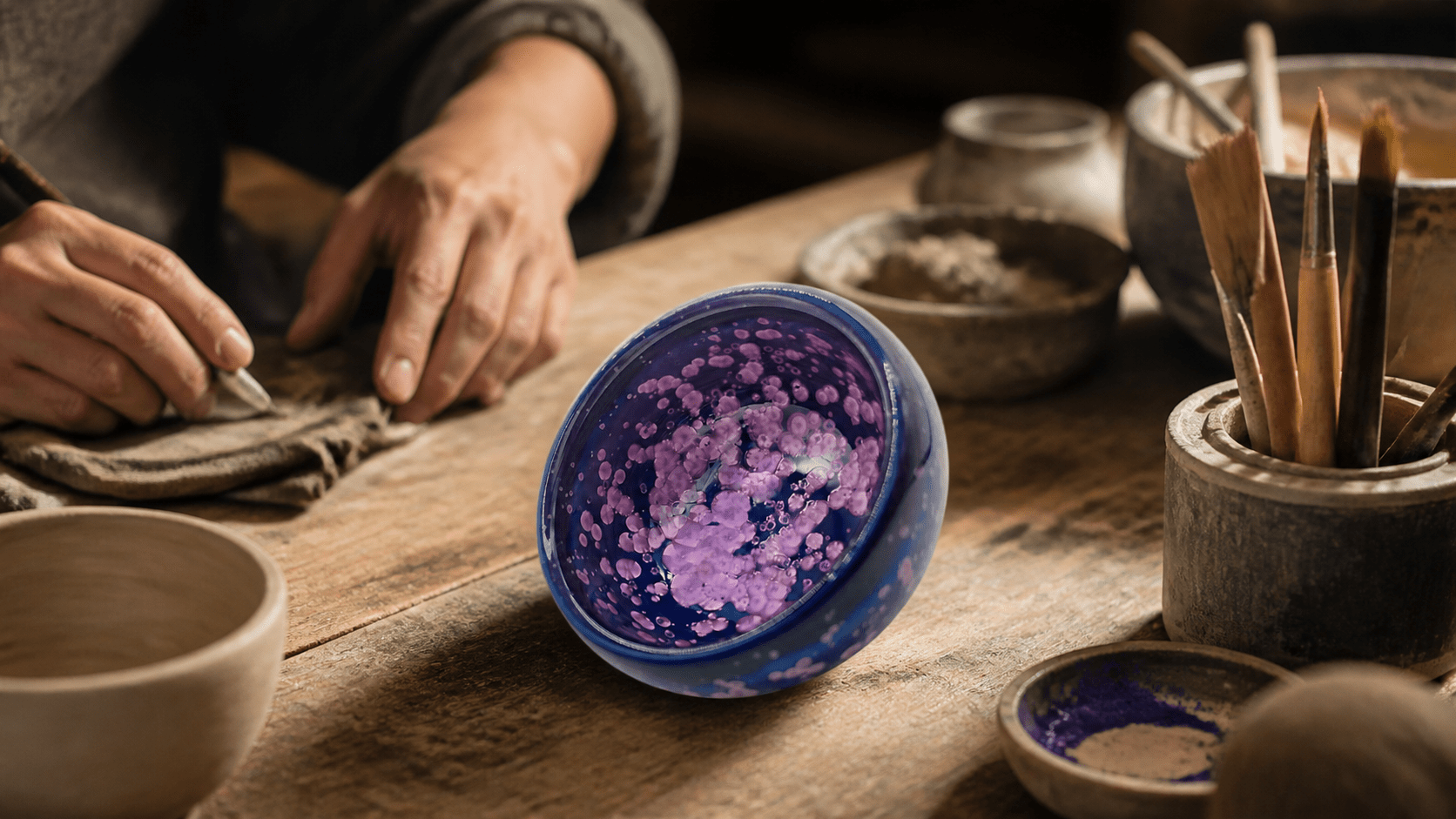

Tenmoku Tea Bowl: A Handmade Story for a More Meaningful Tea Ritual
A tenmoku tea bowl is more than a dark-glazed cup: it is a handmade vessel shaped by heat, minerals, and a long tradition of attentive tea drinking. Whether you are preparing gongfu tea on a quiet morning or choosing a thoughtful gift for tea lovers, a Jianzhan-style tea bowl brings visual depth and a sense of occasion to a simple pour.
Its Japanese name, tenmoku, points to the historical connection between Chinese tea bowls and Japanese tea culture. Its roots, however, lie in Fujian, China, where the Jian kilns became known for dramatic black glazes during the Song dynasty.
Key Takeaways
- A tenmoku tea bowl is a dark-glazed tea bowl historically associated with Jian ware from Fujian.
- Each handmade piece can look different because kiln atmosphere, minerals, and firing conditions affect the glaze.
- The bowl works beautifully for gongfu tea, oolong tea, pu-erh tea, and slower personal tea rituals.
- A meaningful purchase should focus on workmanship, transparent product information, comfort in the hand, and the piece's visual character.
- Tenmoku is a Japanese term connected to a Chinese ceramic tradition; appreciating both histories adds depth without confusing their origins.
What is the story behind a tenmoku tea bowl?
The story starts with a practical tea vessel and grows into a cross-cultural object of appreciation. In the Song dynasty, tea drinking was often social, ceremonial, and highly observant. Dark bowls offered a strong visual contrast for whisked tea, making pale foam easier to see. That visual function helped make black-glazed bowls especially valued within Song dynasty tea culture.
Among the best-known examples were bowls made near the historic Jian kilns in Fujian. Today, the term jianzhan is commonly used for Jian-style black-glazed tea bowls, while “tenmoku” is widely used in English and Japanese contexts. They overlap in everyday conversation, but the terms carry different historical paths.
Think of it like a regional wine name and the international name people use when discussing its style. The connection is real, but the origin still matters. A tea bowl may be described as tenmoku because of its visual family and cultural reception, while Jian ware points more directly to the Fujian ceramic lineage.
Japanese monks and tea practitioners encountered Chinese tea objects over centuries of exchange. In Japan, these bowls became associated with the name Tenmoku, linked to Tianmu Mountain and the transmission of tea practices. Japanese tea culture developed its own distinct aesthetics and rituals, yet the appreciation of dark, expressive bowls remained an important bridge between traditions.
For a modern tea drinker in the United States, that history does not require a formal ceremony. It offers a useful reminder: a tea cup can be functional, beautiful, and connected to a human chain of makers and drinkers at the same time.
How does a tenmoku artisan create a handmade tenmoku tea cup?
A tenmoku artisan works with variables that cannot be fully standardized. Clay body, glaze composition, application thickness, kiln placement, firing temperature, cooling rate, and atmosphere can all influence the final result. This is why a handmade tenmoku tea cup should not be judged by factory-perfect uniformity alone.
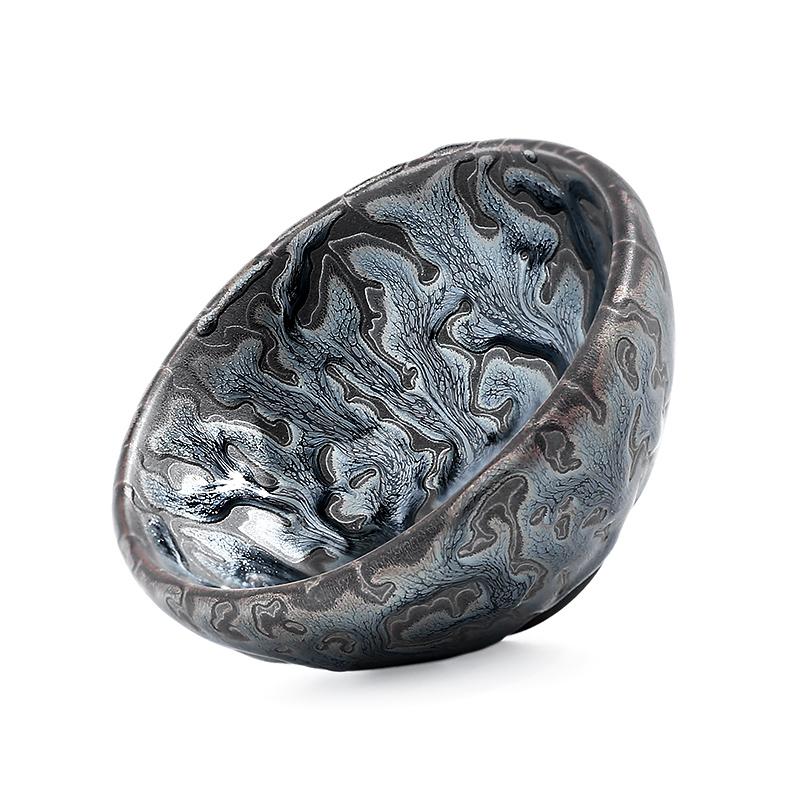
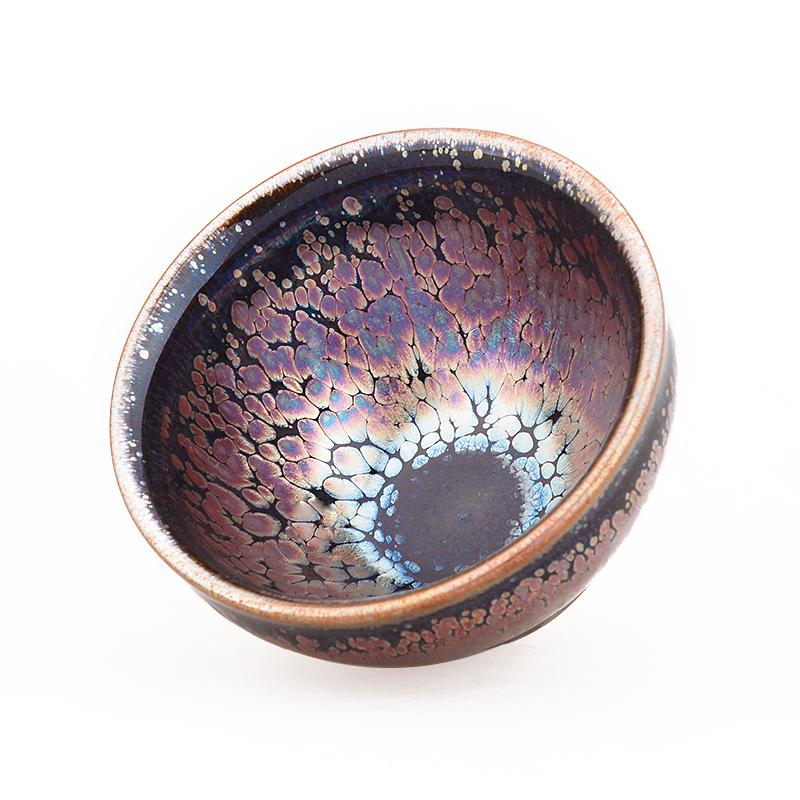
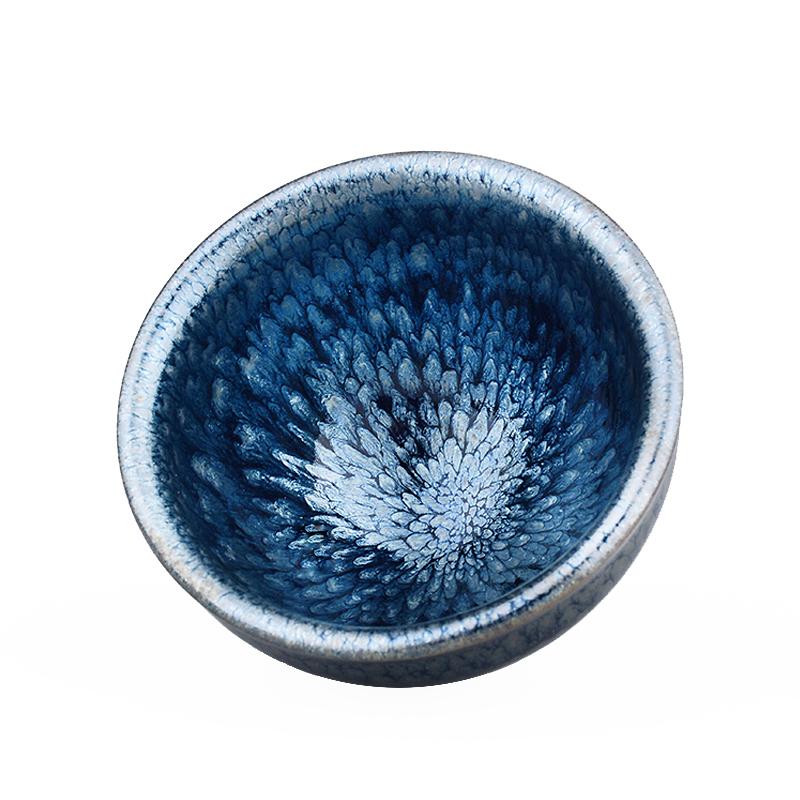
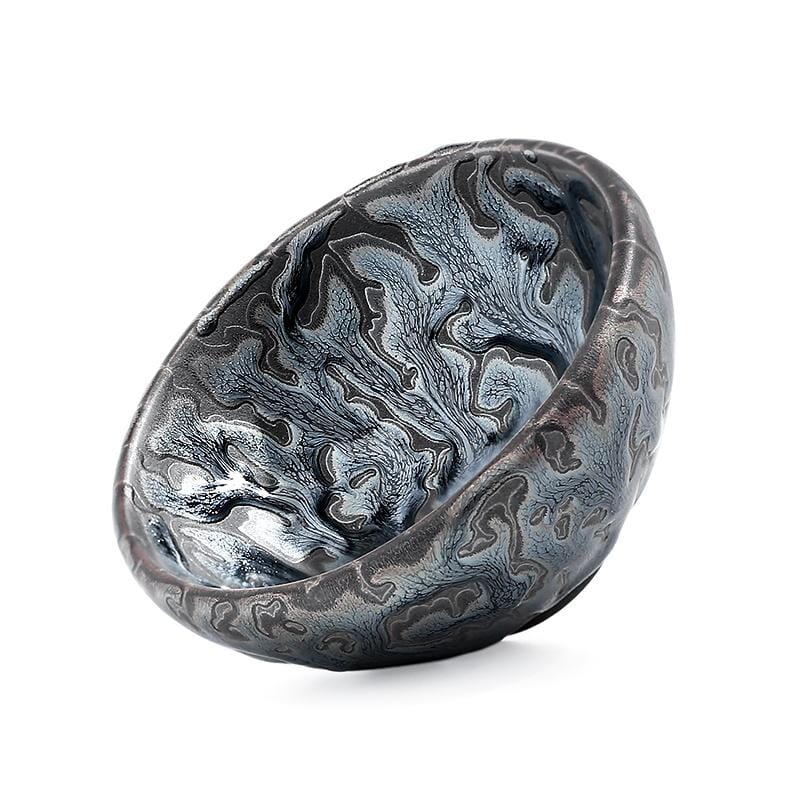
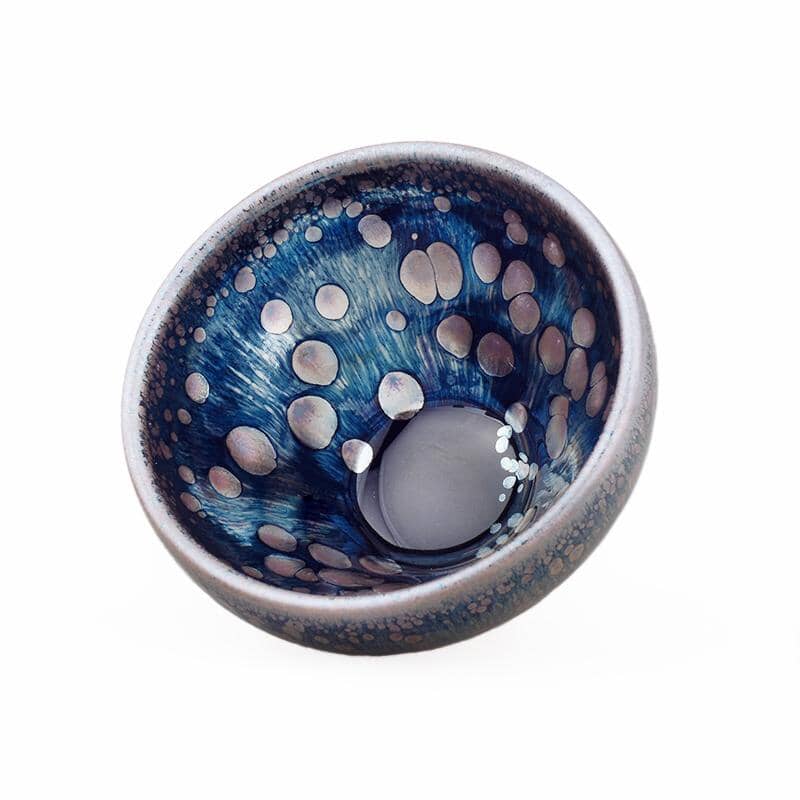
The dark surface often begins with an iron-rich glaze. Under the right firing conditions, iron can create patterns that appear to move across the bowl. Some surfaces suggest fine streaks, while others show speckling or star-like clusters. One familiar visual effect is oil spot, where metallic-looking spots emerge against a deep glaze.
These effects are not stickers or printed decorations. They are the visible outcome of glaze chemistry and kiln conditions. That is also why two bowls from the same general style can still feel like siblings rather than duplicates.
The maker’s work is not only about the glaze. A good tea bowl begins with proportion. The foot should sit steadily. The rim should feel comfortable against the lips. The curve should rest naturally in the hands. The bowl should have enough presence for a tea ritual without becoming awkward to use every day.
When evaluating a handmade tenmoku tea cup, look for evidence of intentional decisions rather than artificial perfection:
- Balance: Does the bowl sit securely and feel stable when filled?
- Rim comfort: Is the drinking edge smooth and pleasant?
- Glaze character: Does the surface have depth, variation, and a coherent visual flow?
- Form: Does the shape suit how you actually drink tea?
- Disclosure: Does the seller explain what is known about the piece instead of making vague claims?
Small variations in glaze, color, and hand-finished form are part of the appeal. They are also a reason to view product photos and descriptions carefully before buying.
Why does Jianzhan history matter to modern tea drinkers?
Jianzhan history matters because it changes how you see the object in your hand. Instead of treating the bowl as a decorative accessory, you can understand it as part of a ceramic tradition shaped by tea, trade, experimentation, and cultural exchange.
During the Song period, tea preparation often involved whisking powdered tea in bowls. The visual drama of a dark surface served that style of drinking well. Over time, the bowls also traveled beyond their place of origin and gained new meanings in Japan. That journey is part of why tenmoku remains recognizable to collectors, tea enthusiasts, and design-minded buyers today.
Modern tea habits are different. You may steep loose-leaf oolong tea in a gaiwan, brew pu-erh tea in a small pot, or simply enjoy a favorite tea after dinner. Yet the core pleasure remains familiar: slowing down enough to notice color, warmth, texture, aroma, and the changing look of a drink.
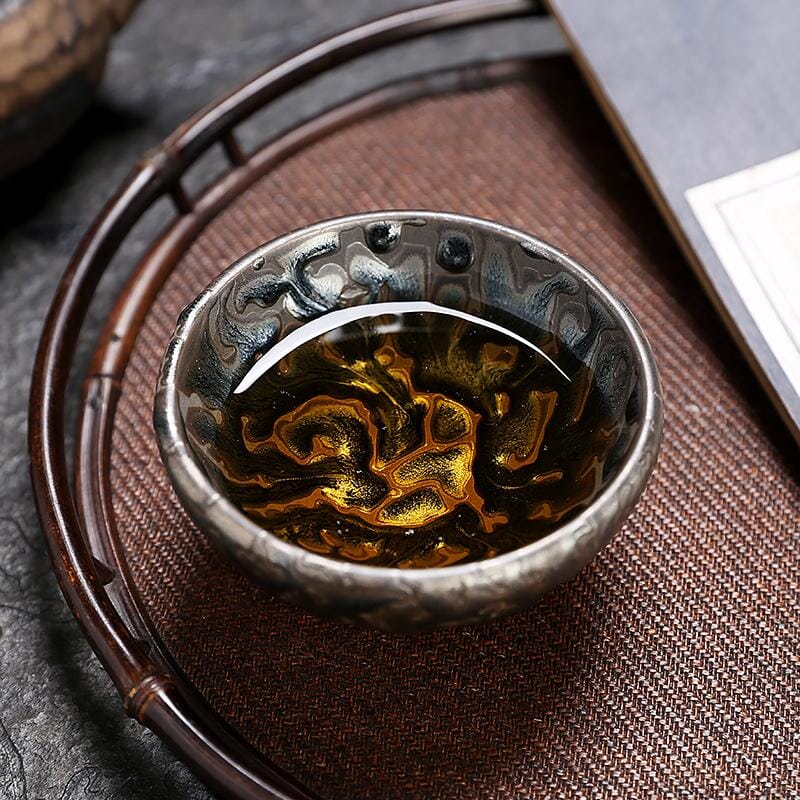
A tenmoku tea bowl supports that attention. Dark glaze can make amber oolong tea and reddish-brown pu-erh tea stand out in a different way than white porcelain. It does not make the tea objectively better, and it should not be marketed as a magical improvement. What it can do is make the experience more visually focused and tactile.
That distinction is important for premium buyers. The value is not a miracle claim. It is the combination of craft, material presence, and repeated use.
What does the Fujian tea bowl tradition teach us about choosing a bowl?
The Fujian tea bowl tradition teaches a useful buying principle: choose a bowl for its relationship to use, not only for its photograph. A dramatic glaze may catch your eye, but the best bowl for you should also fit your tea habits and your hands.
If you drink gongfu tea, a smaller bowl often works well because it lets you taste several short infusions while the tea is fresh. If you enjoy a slower, larger serving, you may prefer a roomier tea bowl. There is no single correct size; the right choice depends on the ritual you want to create.
| What to Consider | Why It Matters | Good Question to Ask |
|---|---|---|
| Capacity | It affects how the bowl fits gongfu tea or casual drinking. | Do I usually drink small shared pours or a fuller personal serving? |
| Shape | Wide bowls cool tea faster; deeper bowls can retain warmth longer. | Do I want to observe aroma and color, or hold warmth longer? |
| Glaze pattern | Oil spot, streaked, and dark-variegated surfaces each create a different mood. | Will I enjoy this surface repeatedly, not just in one photo? |
| Handmade variation | Individuality is normal in artisan-made ceramics. | Am I comfortable with subtle differences from the listing images? |
| Seller information | Clear descriptions support a more confident purchase. | What does the seller state about origin, craftsmanship, and care? |
This approach also helps you distinguish between a bowl that is simply dark-colored and one chosen for meaningful craftsmanship. “Authentic” should not be used as a shortcut for price or appearance. An authentic jian zhan tea cup should be represented honestly, with clear information rather than exaggerated heritage claims.
Is a tenmoku tea bowl a good gift for tea lovers?
Yes, a tenmoku tea bowl can be an excellent gift for tea lovers because it is useful, personal, and easy to return to. Unlike a decorative item that stays on a shelf, a well-chosen bowl can become part of someone’s morning tea, weekend gongfu tea session, or shared conversation after dinner.
It is especially suitable for someone who enjoys handmade objects but may be new to Chinese tea culture. The gift does not require the recipient to become an expert. It simply creates an invitation to slow down and notice a familiar ritual differently.
For gift giving, choose with the person’s real habits in mind:
- For a new tea drinker, select a versatile, comfortable size and explain the bowl in simple language.
- For an oolong tea enthusiast, choose a bowl whose interior makes golden liquor easy to see.
- For a pu-erh tea drinker, a darker, weightier form can feel especially grounded and warm.
- For a design lover, consider the glaze pattern and the story of kiln-fired variation.
- For a collector, prioritize clear provenance and detailed product information over generic prestige language.
A handmade piece is also a gentle antidote to disposable gifting. Its meaning grows through use. Every small variation becomes part of the object’s identity, and every tea session adds a new memory.
How can you find the best Jianzhan tea cup for your ritual?
The best jian zhan tea cup is not automatically the most expensive or the most visually dramatic. It is the one that combines honest representation, thoughtful form, and a glaze you want to live with. Start with the tea you drink, then narrow your choice by size, shape, and surface character.
For buyers seeking a handmade tenmoku tea cup, product transparency matters. Look for multiple product photos, dimensions, capacity, care guidance, and a description that does not promise unverified health effects or invented historical status. Handmade ceramics deserve specific information, not empty luxury language.
It also helps to decide whether you want a daily-use bowl or a more contemplative piece for special tea sessions. Many people begin with one versatile bowl and learn their preferences through actual use. That is a better path than trying to buy a whole collection at once.
If you are ready to explore pieces chosen for tea rituals and visual character, Shop authentic Tenmoku tea bowls. You can also Explore our handmade Jianzhan tea cups to compare forms and glaze styles.


Frequently Asked Questions
What is a tenmoku tea bowl used for?
A tenmoku tea bowl is used for drinking tea, especially in mindful tea rituals. It can work well for gongfu tea servings, oolong tea, pu-erh tea, and personal daily tea moments.
Is a tenmoku artisan the same as a Jianzhan maker?
Not always. “Tenmoku artisan” can describe a maker working in the broader dark-glaze tradition, while Jianzhan more specifically refers to the historical Jian ware lineage from Fujian. Sellers should describe origin and making methods clearly.
How does Song dynasty tea culture relate to tenmoku tea bowls?
Song dynasty tea culture valued tea preparation and visual appreciation. Dark Jian-style bowls made pale whisked tea foam easier to see, helping establish their historical significance.
What is important in Jianzhan history?
Jianzhan history centers on black-glazed bowls associated with the Jian kilns in Fujian during the Song dynasty. Their forms and glaze effects later influenced appreciation in Japan, where the term tenmoku became widely used.
What makes the Fujian tea bowl tradition distinctive?
The Fujian tea bowl tradition is known for iron-rich dark glazes and kiln-created surface effects such as oil spot and streaked patterns. Handmade variation is an expected part of the tradition.
How do I choose an authentic Jianzhan tea cup?
Choose a seller that provides clear dimensions, detailed photos, care information, and specific, supportable information about the piece. Avoid listings that rely only on vague claims of rarity, health benefits, or heritage.
A Small Bowl With a Long Human Story
A tenmoku tea bowl does not need to turn every cup of tea into a ceremony. Its quieter purpose is to make room for attention. The warmth of the bowl, the shift of light across the glaze, and the color of tea inside can make an ordinary pause feel more intentional.
That is the enduring appeal of this tradition: a handmade object connects Fujian craft, Song dynasty tea culture, Japanese appreciation, and a present-day tea table without asking you to be an expert. Choose the piece that feels good in your hands, suits your ritual, and gives you a reason to pour another cup.
Explore Our Collection
Ready to experience the world of tenmoku tea bowl? Browse our curated collection:
Disclaimer: This article is for informational purposes. Products and pricing subject to change.


Share:
Tenmoku Tea Bowl Authenticity: How to Buy With Confidence
Why a Tenmoku Tea Bowl Can Be Worth the Price for Gongfu Tea Lovers