

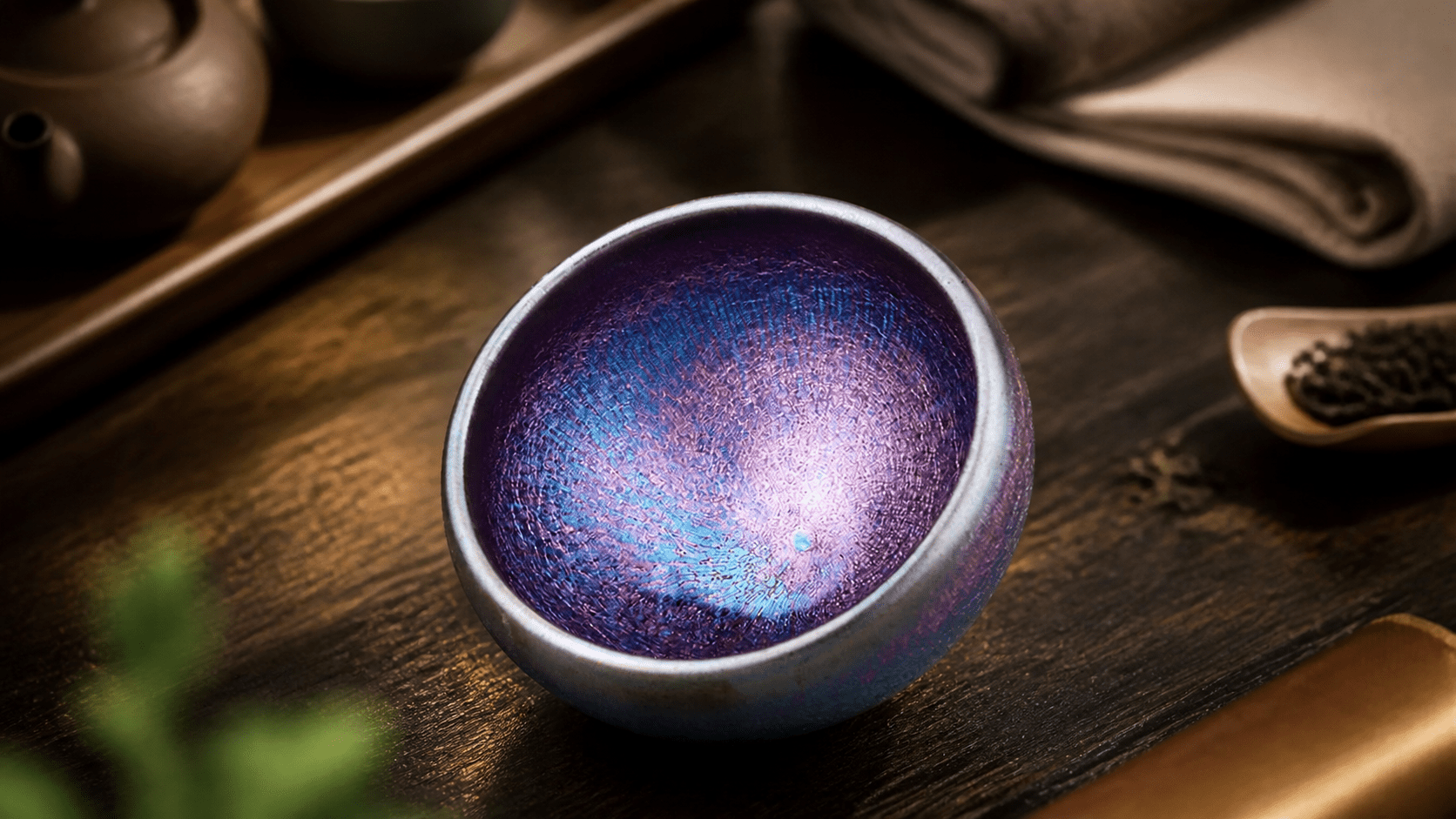

Tenmoku Tea Bowl Value: Why It Can Elevate Your Gongfu Tea Ritual
A tenmoku tea bowl can cost more than an everyday cup because it is usually a handmade ceramic object shaped by both a potter and a demanding kiln firing. For someone making gongfu tea at home, a well-made jianzhan is not simply drinkware: it is a tactile, heat-friendly bowl that makes a small tea session feel more intentional.
The short answer to why tenmoku is expensive is labor, material, firing risk, and rarity—not just a dramatic dark glaze. Think of it like buying a hand-finished leather bag instead of a factory-made tote: both can carry the same essentials, but the materials, human skill, variation, and long-term enjoyment are different.
Key Takeaways
- A tenmoku tea bowl is valued for handmade construction, iron-rich glaze, and difficult high-temperature firing.
- Jianzhan refers to black-glazed tea bowls associated with the historic kiln tradition of Fujian, China.
- Natural kiln change means patterns emerge during firing, so no two successful bowls are exactly alike.
- A higher tenmoku tea bowl price does not automatically mean better quality; craftsmanship, fit, finish, and seller transparency matter more.
- The best value jian zhan is usually the bowl you will use often, enjoy holding, and feel comfortable giving or keeping for years.
Why Is Tenmoku Expensive Compared With an Everyday Tea Cup?
Most everyday tea cups are designed for repeatability. A factory can produce thousands of nearly identical pieces using standardized molds, glazes, and firing schedules. That consistency is useful, but it is not the same production model as a handmade tenmoku tea bowl.
A jianzhan maker typically works through several stages: preparing clay, forming the bowl, trimming its foot, drying it slowly, applying glaze, loading the kiln, firing at high temperatures, cooling, and inspecting the final piece. A problem at any stage can affect the result. Warping, cracking, crawling glaze, pinholes, or a pattern that simply does not develop as hoped can turn many hours of work into a piece the maker will not sell as first quality.
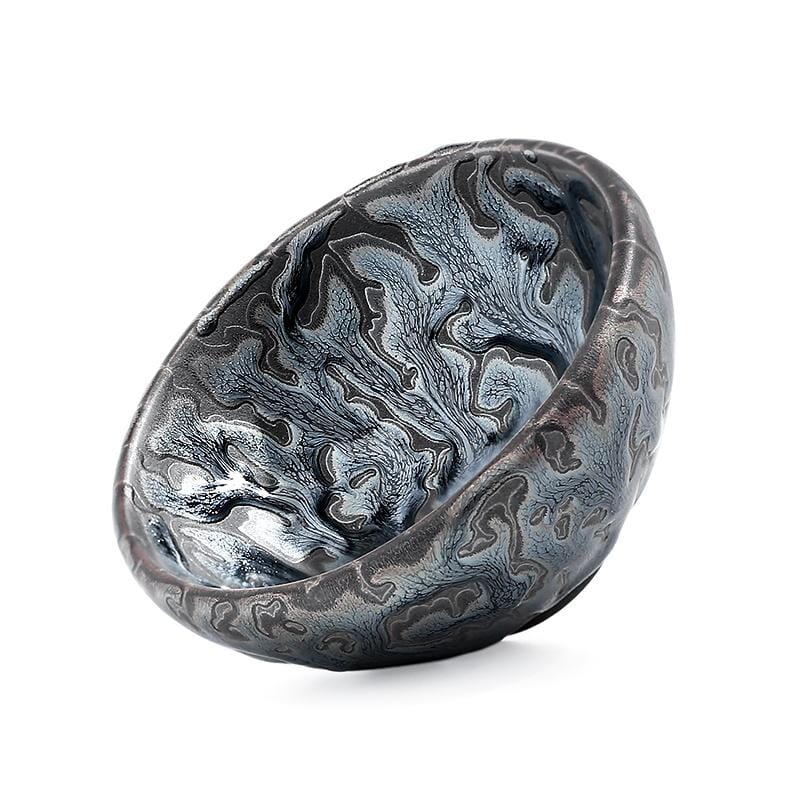
The glaze is another major reason. Traditional-looking tenmoku surfaces often rely on iron-rich glaze chemistry and precise kiln conditions. During firing, heat, atmosphere, timing, placement in the kiln, and cooling can influence how the surface develops. That unpredictable visual development is often called kiln change. It is not a printed pattern or a paint effect applied after firing.
This is where the luxury analogy is useful. A mass-market watch tells time efficiently; a mechanical watch adds hand-finishing, material character, and a story of making. A tenmoku tea bowl does not need to be expensive to hold tea, but a thoughtful handmade ceramic can deliver a richer ownership experience than a generic cup.
What Determines a Tenmoku Tea Bowl Price?
There is no single universal tenmoku tea bowl price. Prices vary widely based on the maker, firing method, glaze result, size, finish, provenance, and where the bowl is sold. Buyers should be skeptical of any seller who treats a single feature—such as a flashy color—as proof of exceptional value.
| Price Factor | Why It Matters | What a Buyer Can Check |
|---|---|---|
| Handmade forming | Hand-thrown or hand-finished bowls show the maker's control of proportion, wall thickness, and foot design. | Check whether the bowl sits evenly and feels balanced in the hand. |
| Glaze development | Hare's fur, oil spot, and other effects depend on glaze chemistry and firing conditions. | Look for depth and coherence across the surface, not only bright reflections in one photo. |
| Kiln success rate | High-temperature work can produce losses or seconds, which increases the cost of successful pieces. | Ask how the piece is graded and whether natural variation is expected. |
| Maker and provenance | A documented maker, studio, or regional tradition can add confidence and collectibility. | Look for clear, specific information rather than vague heritage language. |
| Finish and usability | A good bowl should be pleasant to hold, drink from, clean, and use repeatedly. | Check rim comfort, foot finish, capacity, and care guidance. |
For a curious beginner, the useful question is not, “What is the cheapest jian zhan cost?” It is, “What am I paying for, and will I notice it every time I make tea?” A polished rim, a stable foot, a comfortable profile, and a glaze that remains interesting in normal room light are all practical forms of value.
Is a More Expensive Jianzhan Always Better Value?
No. Price and value overlap, but they are not identical. A very expensive bowl may reflect a recognized artist, limited availability, a specialized firing, or collector demand. Those can be legitimate reasons for a premium, but they may not matter to a person who wants a beautiful bowl for daily gongfu tea.
The best value jian zhan is often a well-finished, honestly described handmade bowl in a size you will actually reach for. For many drinkers, a medium bowl that comfortably holds a short pour is more satisfying than an oversized showpiece that stays in a cabinet.
Consider three buyer profiles:
- The first-time tea drinker: Prioritize comfort, durability, easy care, and a glaze you genuinely enjoy.
- The daily gongfu tea enthusiast: Prioritize bowl shape, heat feel, rim comfort, and how the glaze looks under changing light.
- The collector or gift buyer: Prioritize presentation, maker information, distinct glaze character, and clear product documentation.
There is also a terminology issue worth understanding. In the United States, “tenmoku” is commonly used for dark, iron-rich glazed pottery and is sometimes associated with Japanese pottery. Historically, the term is linked to a Japanese reading connected to Tianmu, while jianzhan refers more specifically to tea bowls from the Jian kiln tradition in Fujian. Modern makers and retailers may use these terms differently, so read the product description closely.
How Does Kiln Change Affect Jianzhan Cost and Rarity?
Kiln change is the moment where technical skill meets controlled uncertainty. The maker can select clay, glaze, firing temperature, kiln atmosphere, and cooling schedule. Yet the final surface may still vary from one area of the kiln to another. A bowl placed a few inches away from another can emerge with a noticeably different result.
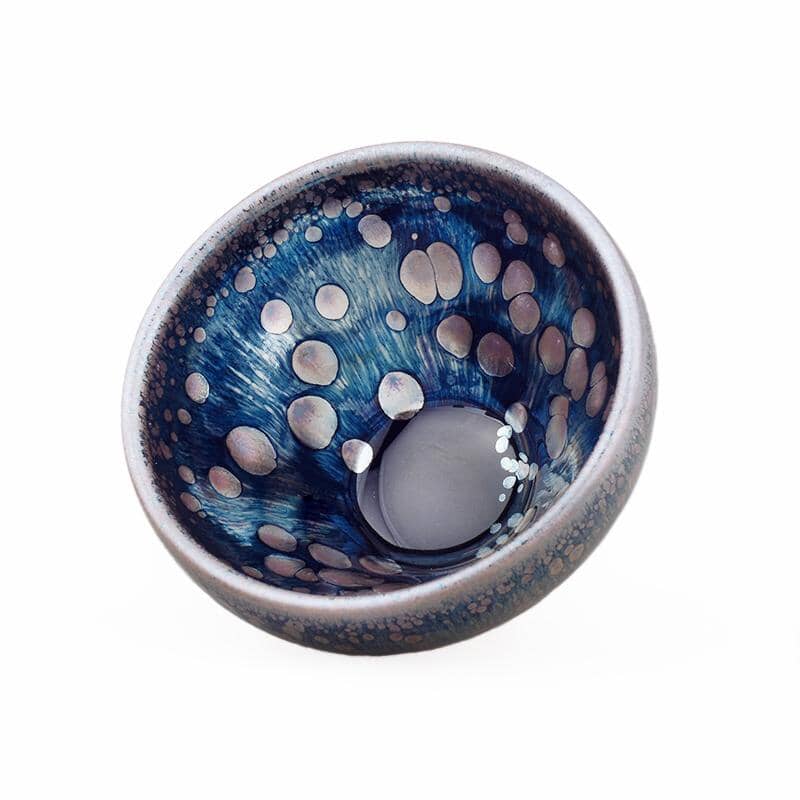
That variation explains why two bowls of the same form can carry different prices. One may have a clean, even hare's fur pattern. Another may show a more dramatic oil-spot effect. A third may have interesting color but a small imperfection that makes it better suited for personal use than premium gifting.
Variation is not automatically a defect. In handmade ceramic work, slight differences in glaze flow, pattern density, and tone are part of the appeal. The important distinction is between natural variation and poor finishing. A buyer should expect individuality, but should not accept sharp edges, unstable construction, misleading photos, or undisclosed flaws.
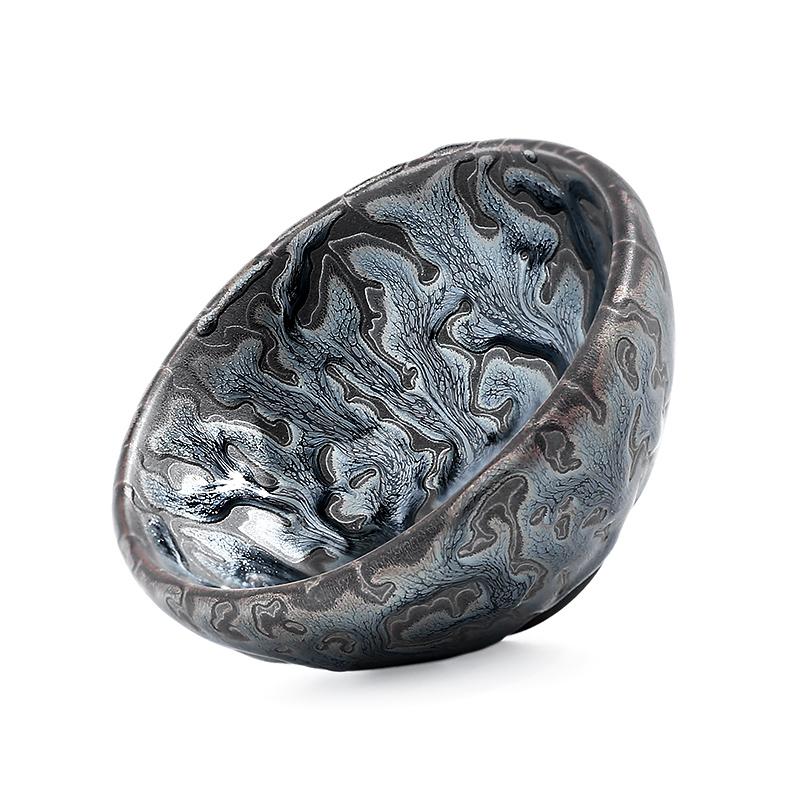
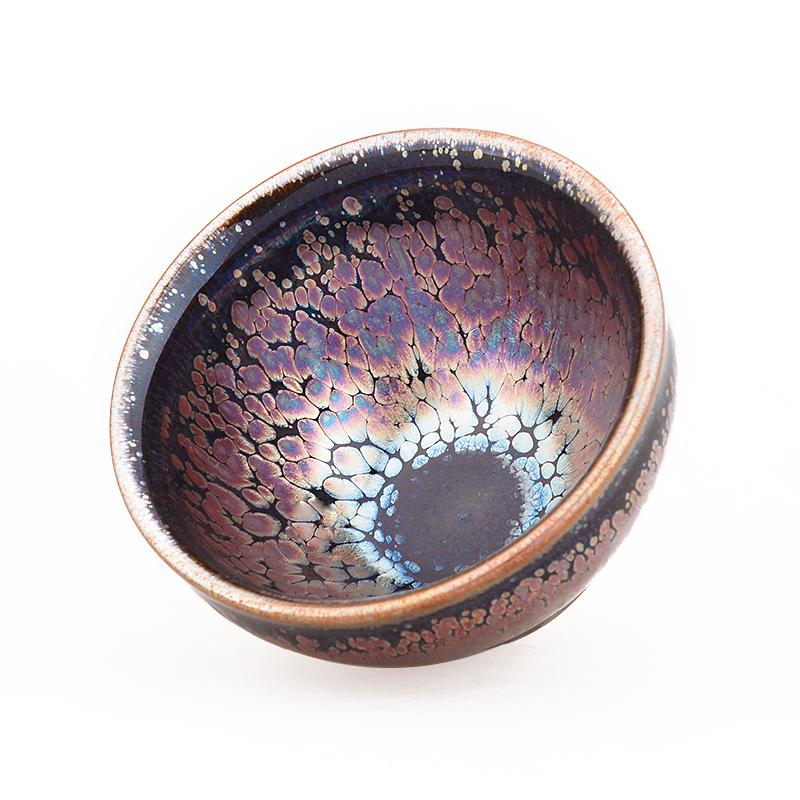
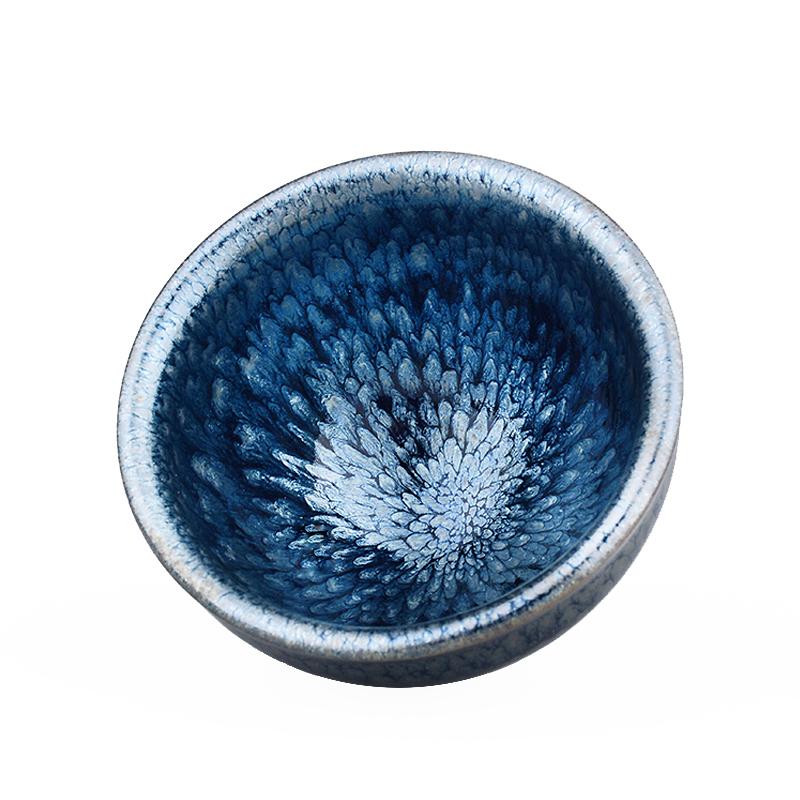
If you are drawn to linear, silvery, or warm streaked patterns, Browse our hare's fur Jianzhan series. If you prefer a more constellation-like surface with shifting reflective spots, Discover our collection of oil spot tenmoku cups.
What Should You Look For in the Best Jianzhan Tea Cup?
The best jian zhan tea cup is personal, but a short buying checklist can help you avoid paying for hype. Start with use, then evaluate appearance.
- Choose a practical capacity. For gongfu tea, a smaller bowl often suits concentrated pours and lets you appreciate aroma and temperature without rushing.
- Check the rim. The lip should feel smooth and pleasant. This matters more than a dramatic product photo.
- Assess balance. A bowl should sit confidently on the table and feel secure when lifted.
- Look beyond sparkle. View glaze photos in normal lighting when possible. A strong piece has visual depth even without aggressive studio lighting.
- Read the description for facts. Look for actual material, process, size, and care information. Avoid listings built only on superlatives.
- Buy from a seller with clear policies. Good photography, transparent variation notes, and accessible support reduce uncertainty when buying handmade work online.
For shoppers browsing Japanese tenmoku for sale, the same principles apply. Confirm whether the piece is Japanese-made, Japanese-inspired, or a jianzhan from Fujian. These categories can all be worthwhile, but they are not interchangeable. Clear labeling protects both the buyer and the cultural story behind the bowl.
Is a Jianzhan Tea Cup Gift Worth the Premium?
A jianzhan tea cup gift can feel more personal than a standard home item because it combines function, craft, and ritual. It is especially fitting for someone who enjoys tea, design, Japanese pottery, East Asian food culture, or quiet at-home hosting.
For a gift, value comes from the recipient's experience. A handmade bowl has visible individuality, but it should still be useful. Choose a versatile shape, a comfortable capacity, and a glaze that works with the recipient's taste. Hare's fur can feel refined and understated; oil spot can feel more dramatic and celebratory.
Presentation matters too. A clear product story can add meaning without overstating claims. You can explain that the bowl is handmade ceramic, that its surface developed in the kiln, and that each firing creates variation. That is enough to make the gift feel thoughtful without inventing a history or promising investment value.
How Can You Buy a Tenmoku Tea Bowl With Confidence?
Use a simple value test before checkout. First, decide whether you are buying for daily tea, display, collecting, or gifting. Next, compare bowls within the same use category instead of comparing every price tag in the market. Finally, make sure the seller has shown you enough information to understand what you are receiving.
A lower-priced bowl can be an excellent entry point if its construction and description are solid. A more expensive piece can be worthwhile when the finish, firing character, maker story, or gifting presentation matters to you. What you should avoid is buying only because a listing says “rare” or “museum quality” without offering concrete reasons.
In practical terms, the right bowl is one that earns a place in your routine. You should want to pick it up for a morning oolong, an afternoon matcha-inspired pause, or an evening gongfu tea session with friends. That repeated enjoyment is often the strongest return on a handmade purchase.
Frequently Asked Questions
Why is tenmoku expensive?
Tenmoku can be expensive because handmade forming, specialized glaze work, high-temperature firing, kiln losses, and careful finishing take significant time and skill. The most meaningful value is usually found in a bowl's construction, comfort, glaze depth, and honest documentation—not in price alone.
What is a typical tenmoku tea bowl price?
A tenmoku tea bowl price can vary substantially by maker, size, glaze result, firing method, and retail channel. Compare pieces by quality of finish, product details, and intended use rather than expecting one standard price for all handmade bowls.
What affects jian zhan cost most?
Jian zhan cost is influenced by labor, glaze materials, firing complexity, successful kiln yield, finish quality, maker reputation, and the distinctiveness of the final surface. A bowl with a striking pattern may cost more, but it should still be comfortable and well made.
What is the best value jian zhan for a beginner?
The best value jian zhan for a beginner is a well-finished handmade bowl with a comfortable rim, stable foot, practical size, and a glaze you enjoy in everyday light. It does not need to be the rarest or most expensive piece to improve your tea ritual.
Is a jianzhan tea cup gift a good choice for tea lovers?
Yes, a jianzhan tea cup gift can be an excellent choice for a tea lover because it is useful, visually distinctive, and tied to a hands-on craft process. Choose a versatile shape and make sure the seller clearly explains the piece's size, care, and natural variation.
Are jianzhan and Japanese tenmoku the same thing?
They are related but not identical terms. Jianzhan specifically refers to the Jian kiln tradition of Fujian, while tenmoku is often used more broadly for dark glazed tea ware and has an important connection to Japan and Japanese tea culture. Read listings carefully to understand the origin and terminology of each piece.
Conclusion: Value Is in the Ritual, Not Just the Price Tag
A tenmoku tea bowl is expensive when its price reflects real handmade work, challenging firing, thoughtful finishing, and a glaze that could not be mass-produced in exactly the same way. It is worth the price when those qualities match how you want to drink tea, decorate your home, or give a meaningful gift.
Choose with your hands and habits in mind: a bowl that feels good, looks compelling in everyday light, and invites you to slow down for the next pour. Explore the glaze style that suits your ritual, then select the piece that offers the clearest, most enjoyable value for you.
Explore Our Collection
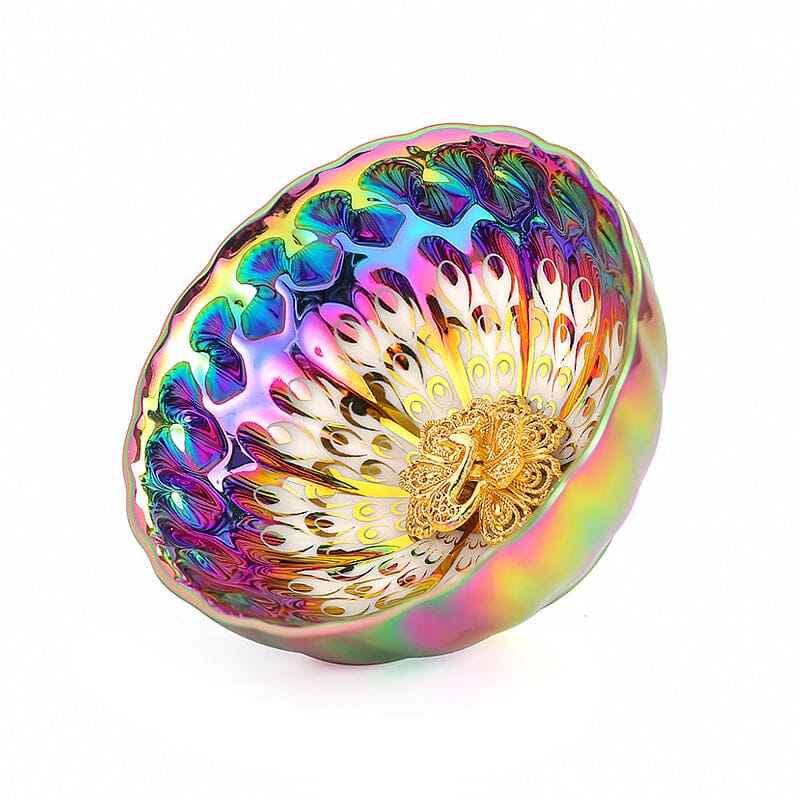
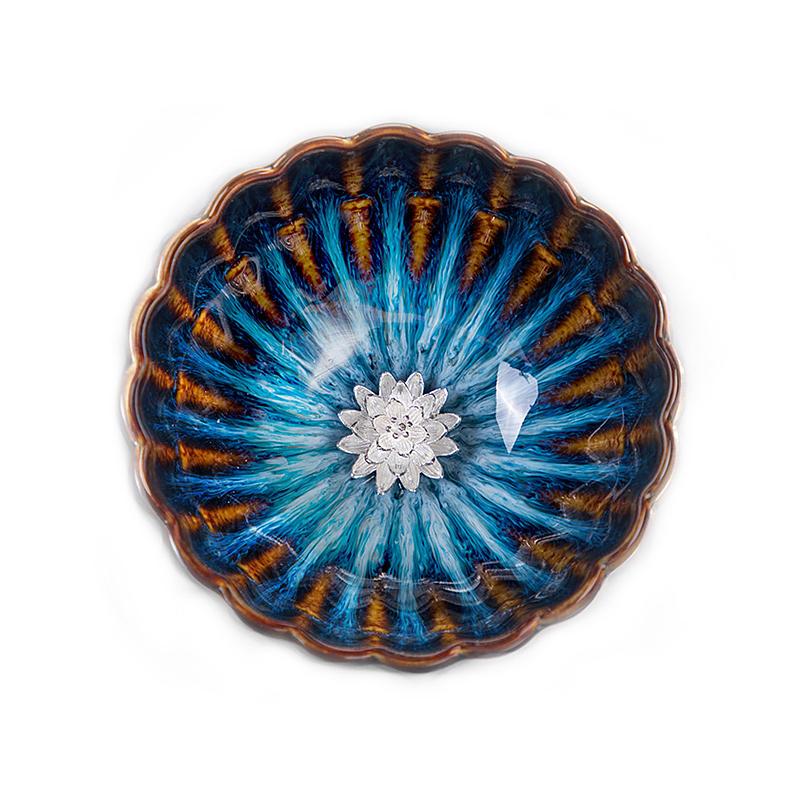
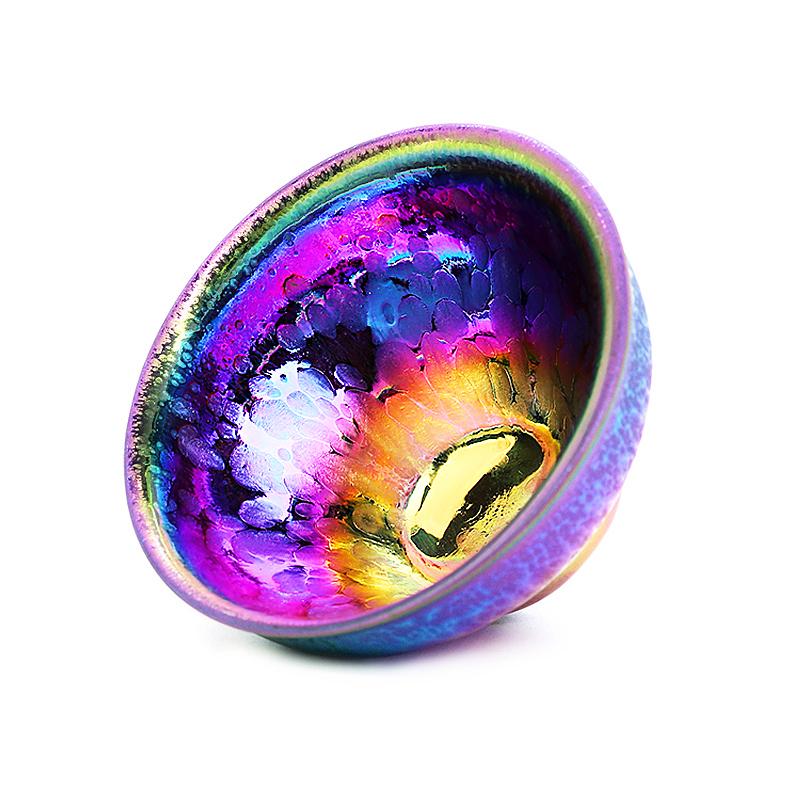
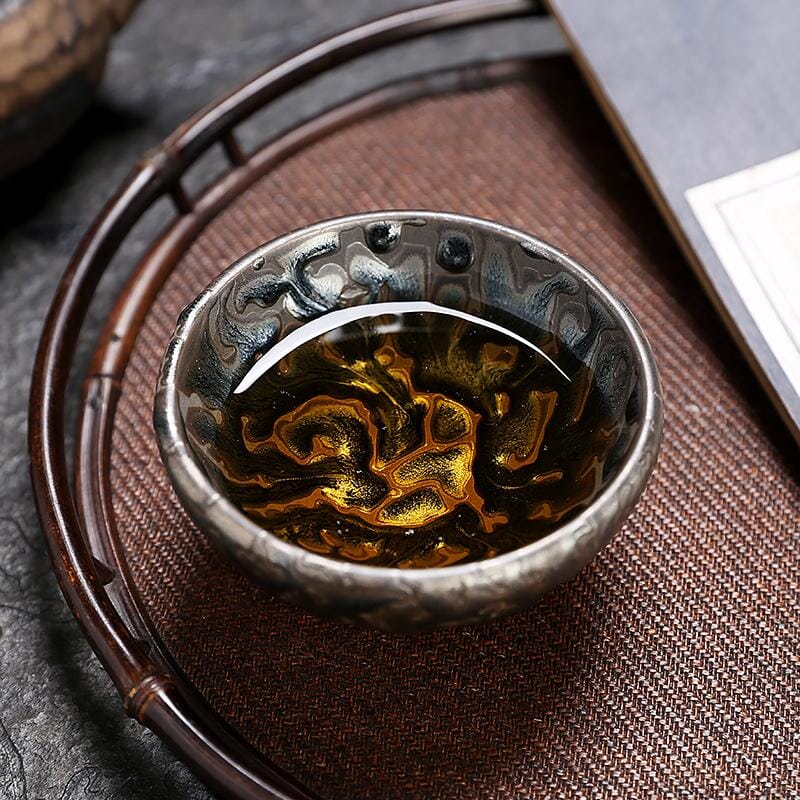
Ready to experience the world of tenmoku tea bowl? Browse our curated collection:
Disclaimer: This article is for informational purposes. Products and pricing subject to change.


Share:
Tenmoku Tea Bowl: The Handmade Story Behind a More Meaningful Tea Ritual
Tenmoku Tea Bowl: Bring a More Meaningful Tea Ritual Home